


Solving Digital Eye Strain for Clients Choosing Trendy Eyewear
For over two decades in the dynamic world of eyewear fashion, I've witnessed a fascinating evolution. What started as purely corrective vision has blossomed into a powerful statement of personal style. Yet, amidst this vibrant landscape of trends, a silent epidemic has emerged: digital eye strain (DES). I've seen countless clients, eager to embrace the latest frame styles, inadvertently compromise their ocular comfort, leading to fatigue, headaches, and even blurred vision.
The modern lifestyle, dominated by screens – smartphones, tablets, computers – has placed unprecedented demands on our eyes. While the allure of a chic new pair of glasses is undeniable, the underlying technical specifications and ergonomic considerations are often overlooked. This oversight is precisely where the problem lies, transforming a fashion accessory into a potential source of discomfort and long-term eye health issues.
This article isn't just about identifying the problem; it's about empowering both eyewear professionals and discerning clients with actionable, expert-backed strategies. I'll share insights from my extensive experience, offering a definitive guide to seamlessly integrate high fashion with optimal eye health, ensuring that your clients can choose trendy eyewear without ever having to compromise on comfort or clarity. We're not just selling glasses; we're selling vision and well-being.
Understanding the Digital Eye Strain Epidemic in a Fashion-Forward World
The rise of digital screens has fundamentally altered how we use our eyes. Unlike reading a book, interacting with a screen often involves prolonged close-up focus, reduced blink rates, exposure to specific light wavelengths, and constant shifting of focus points. This combination creates a perfect storm for what is clinically known as Computer Vision Syndrome (CVS), or more commonly, digital eye strain.
In my experience, many clients initially dismiss their symptoms – dry eyes, irritation, headaches, blurred vision, neck pain – as general fatigue. They don't immediately connect it to their eyewear or screen use. However, statistics reveal a stark reality: studies show that between 50% and 90% of computer users experience some symptoms of DES. According to the American Optometric Association, this prevalence underscores the urgency of addressing this issue, especially when guiding clients through eyewear choices.
The Modern Paradox: Style vs. Comfort
The paradox is clear: as eyewear becomes more fashionable, the temptation to prioritize aesthetics over function grows. Clients often gravitate towards frames that look good, without fully understanding how frame dimensions, lens materials, and coatings interact with their digital habits. My role, and yours, is to bridge this gap, ensuring that a client's desire for trendy eyewear is met with solutions that actively combat digital eye strain, not contribute to it.
The true hallmark of exceptional eyewear isn't just how it looks, but how it empowers you to see and feel, comfortably, throughout your digital day. Ignoring the functional aspects for pure aesthetics is a disservice to your eyes.
This challenge requires a holistic approach, moving beyond simple blue light filters to a comprehensive understanding of lens technology, frame ergonomics, and environmental factors. It's about educating clients on the nuances that transform a stylish accessory into a powerful tool for visual health.

Beyond Blue Light: A Holistic Approach to Eyewear for Digital Comfort
When clients ask about digital eye strain, the conversation almost invariably starts with 'blue light blocking' glasses. While blue light is a component of the problem, it's crucial to understand that it's not the sole villain. In my years, I've learned that a truly effective solution for Solving digital eye strain for clients choosing trendy eyewear involves a multi-faceted approach to lens technology and frame design.
The Limitations of 'Blue Light Blocking' Alone
Many 'blue light blocking' lenses on the market offer varying degrees of efficacy. Some merely add a yellow tint, which can alter color perception, while others are more sophisticated. However, focusing solely on blue light ignores other significant contributors to DES, such as:
- Reduced Blink Rate: Staring at screens often leads to less frequent blinking, causing dry eyes.
- Uncorrected Refractive Errors: Even a slight uncorrected prescription, or an outdated one, forces the eyes to work harder.
- Glare and Reflections: Light bouncing off screens and lenses can cause significant visual discomfort.
- Poor Contrast: Inadequate screen settings or lens clarity can strain the eyes.
- Improper Viewing Distance and Angle: Ergonomic factors play a huge role.
- Accommodative Dysfunction: Difficulty in focusing at different distances, common with prolonged close-up work.
A truly effective anti-digital eye strain solution is a symphony of technologies, not a solo performance by a single feature. It's about harmonizing lens design, coatings, and prescription accuracy.
Prescription Precision: The Foundation of Digital Eye Comfort
Before delving into trendy frames or advanced coatings, the absolute cornerstone of digital eye comfort is an accurate and up-to-date prescription. I cannot stress this enough. For clients who spend hours daily in front of screens, even a minor change in their refractive error can have a disproportionate impact on their visual comfort.
Why an Up-to-Date Prescription is Non-Negotiable
When a prescription is slightly off, the eyes are constantly working overtime to compensate. This 'micro-straining' is often imperceptible until symptoms of fatigue, headaches, or blurred vision manifest. For my clients, especially those over 40 experiencing presbyopia, a standard single-vision or even a traditional progressive lens might not be sufficient for the specific demands of digital work.
The Role of Anti-Fatigue and Progressive Lenses
This is where specialized lenses come into play. Anti-fatigue lenses, for instance, offer a slight boost in the lower part of the lens, reducing the effort required for close-up viewing. For presbyopic clients, personalized progressive lenses designed for digital use are transformative. These lenses feature wider intermediate and near vision zones, optimized for screen distances, minimizing head movements and visual 'swim' often associated with conventional progressives.
| Lens Type | Digital Use Suitability | Key Benefit for DES | |
|---|---|---|---|
| Single Vision | Good for specific distances if prescription is exact, but limited for dynamic screen use. | Cost-effective, but can cause strain if not perfectly matched to screen distance. | |
| Anti-Fatigue (Digital Relief) | Excellent for younger users (20s-40s) with early DES symptoms. | Reduces accommodative effort, delaying eye fatigue. | |
| Office/Computer Progressive | Ideal for presbyopic users working primarily at screens. | Wider intermediate and near zones, comfortable posture, less head movement. | |
| Standard Progressive | Good general-purpose, but intermediate/near zones may be too narrow for prolonged screen work. | Seamless vision at all distances, but may require more head tilt for screens. | |
| Blue Light Filtering (Standalone) | Supplements other lenses, not a complete solution on its own. | Reduces exposure to potentially harmful blue-violet light. | Best when combined with other lens types and coatings. |
Frame Selection: Marrying Aesthetics with Ergonomics
Once the lens prescription and type are optimized, the frame becomes the next critical component in Solving digital eye strain for clients choosing trendy eyewear. It's not just about what looks good; it's about how the frame interacts with the lens and the wearer's face, influencing comfort, field of vision, and even posture.
Finding the Perfect Fit: More Than Just Face Shape
While face shape guides aesthetic choices, the ergonomic fit is paramount. I always guide clients to consider:
- Frame Size: Too narrow, and vision is constricted; too wide, and lenses are off-center, leading to distortion. The eyes should be centered horizontally and vertically within the lens.
- Bridge Fit: A poorly fitting bridge causes frames to slide down, altering the optical center and forcing the wearer to tilt their head back, straining the neck.
- Temple Length: Temples should extend comfortably over the ear, holding the glasses securely without pinching or causing pressure points.
- Weight and Material: Heavy frames, especially with high-index lenses, can cause pressure on the nose and ears. Lightweight materials like titanium or specific acetates can significantly enhance comfort for prolonged wear.
- Pantoscopic Tilt: The angle at which the bottom of the lens tilts inwards towards the cheek. This subtle adjustment dramatically impacts how light enters the lens and how comfortable vision is, especially for digital use.
Even the most fashionable frame, if improperly fitted, can negate the benefits of advanced lenses and contribute to strain. It's a balance, and a skilled optician's role is to achieve that perfect synergy. Current eyewear trends often feature oversized or minimalist designs, each requiring careful consideration for optimal fit and lens integration.
Case Study: Sarah's Stylish Solution
I recall a client, Sarah, a 32-year-old graphic designer, who loved bold, oversized acetate frames. She came in complaining of persistent headaches and neck pain, despite having an updated prescription. Her chosen frames, while undeniably trendy, were too wide for her face, causing her eyes to look through the periphery of the lenses, requiring constant head adjustments. They also had a flat pantoscopic tilt, creating reflections from overhead office lighting.
After a thorough consultation, we identified a slightly smaller, yet still fashionable, acetate frame with a better bridge fit and adjustable temple tips. We also ensured the lenses were properly centered and adjusted the frame's pantoscopic tilt. Within two weeks, Sarah reported a significant reduction in her headaches and neck discomfort. She was thrilled that she didn't have to sacrifice style; she just needed the right fit and expert guidance.
Advanced Lens Technologies: Your Allies Against Digital Strain
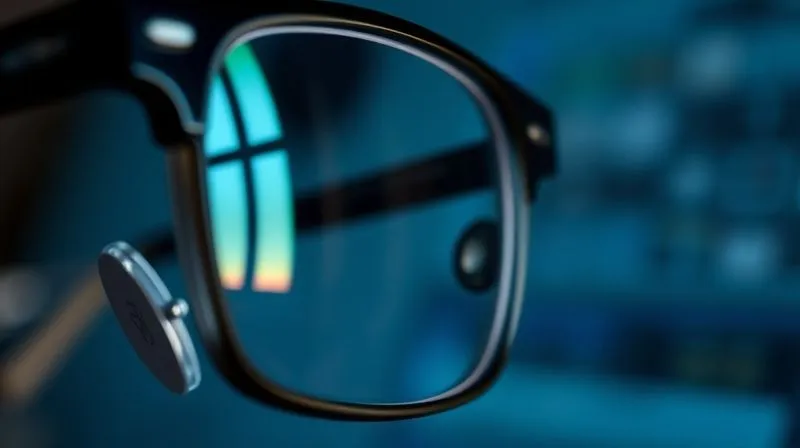
Once the prescription is precise and the frame perfectly fitted, the next layer of defense against digital eye strain comes from advanced lens coatings and materials. These technologies are often the unsung heroes, silently working to enhance clarity, reduce glare, and protect the eyes.
Anti-Reflective Coatings: Banish Glare, Boost Clarity
Perhaps the most crucial coating for digital users is the anti-reflective (AR) coating. I've seen firsthand the dramatic difference it makes. AR coatings virtually eliminate reflections from both the front and back surfaces of the lenses, which can otherwise cause distracting glare from screens, overhead lights, and windows. This reduction in glare significantly improves visual comfort and reduces eye fatigue.
Blue Light Filtration Done Right: Targeted Protection
As mentioned, blue light is a factor. Modern blue light filtering technology is far more sophisticated than simple tints. These coatings or lens materials selectively filter out the most energetic, potentially harmful blue-violet light while allowing beneficial blue-turquoise light (which regulates circadian rhythm) to pass through. This targeted approach offers protection without significant color distortion.
UV Protection: An Often Overlooked Digital Defender
While often associated with outdoor sun protection, UV light can also emanate from digital screens, albeit in smaller doses. Many high-quality lenses now incorporate UV protection, offering a comprehensive shield for ocular health, both indoors and out. According to All About Vision, continuous exposure, even at low levels, can contribute to long-term eye health issues.
Investing in high-quality lens coatings is not an upsell; it's an essential investment in long-term visual comfort and eye health, especially for anyone living in our screen-centric world. They are the invisible guardians of your sight.
The Ergonomic Environment: Beyond the Eyewear
While the right eyewear is indispensable, it's part of a larger ecosystem of visual health. Even the most perfectly prescribed and fitted trendy eyewear can't fully counteract poor ergonomic habits. As an expert, I always counsel my clients on optimizing their digital workspace. This holistic approach is key to truly Solving digital eye strain for clients choosing trendy eyewear.
The 20-20-20 Rule and Beyond
This simple rule is a cornerstone of digital eye strain prevention:
- Every 20 minutes, look away from your screen.
- Focus on an object 20 feet away.
- For at least 20 seconds.
I also encourage clients to consciously blink more often and use lubricating eye drops if recommended by their eye care professional. Regular breaks are not a luxury; they are a necessity for ocular health.
Optimizing Your Digital Workspace
- Screen Distance: Position your screen arm's length away (20-28 inches).
- Screen Height: The top of the screen should be at or slightly below eye level. This allows for a slight downward gaze, which is more comfortable for the eyes and neck.
- Lighting: Avoid glare from overhead lights or windows. Use diffused, ambient lighting. Position your screen to avoid direct reflections.
- Posture: Maintain an upright posture with feet flat on the floor, supporting your lower back. Your keyboard and mouse should be positioned to avoid wrist strain.
- Font Size and Contrast: Adjust your device's settings for comfortable viewing. Larger fonts and good contrast reduce eye effort.
These adjustments, combined with specialized eyewear, create a comprehensive strategy for maximum comfort and productivity. OSHA provides excellent guidelines for ergonomic computer workstations, which I often share with my clients.
Educating the Client: Empowering Informed Fashion Choices
My role isn't just to sell eyewear; it's to educate and empower clients. When clients understand the 'why' behind specific lens recommendations or frame adjustments, they become advocates for their own eye health. This trust and understanding are vital, especially when navigating the intersection of fashion and function.
Translating Technical Jargon into Tangible Benefits
I've found that avoiding overly technical terms and focusing on tangible benefits resonates most with clients. Instead of saying 'aspheric design reduces spherical aberration,' I'd explain, 'this lens design provides clearer, wider vision with less distortion, especially important for scanning your screen.' When discussing blue light, I'd emphasize 'reducing eye fatigue and improving sleep quality' rather than just 'blocking wavelengths.'
- What are your daily screen habits? (Type of device, duration, purpose)
- Do you experience any specific discomfort during or after screen use? (Headaches, dryness, blurred vision)
- What's your primary goal with new eyewear? (Fashion, comfort, specific activity)
- Are you open to trying new lens technologies to enhance your visual comfort?
- How important is long-term eye health to you, alongside style?
By asking these questions, I can tailor my recommendations, making the client feel heard and understood. This collaborative approach is key to Solving digital eye strain for clients choosing trendy eyewear effectively and building lasting relationships.

The Future of Fashion Eyewear and Eye Health
The eyewear industry is constantly innovating, driven by technological advancements and evolving consumer needs. As an industry specialist, I find this particularly exciting because it promises even more sophisticated solutions for digital eye strain that seamlessly integrate with fashion. The future of Solving digital eye strain for clients choosing trendy eyewear looks brighter than ever.
Innovations on the Horizon
We're seeing developments in adaptive lens technologies that can automatically adjust to changing light conditions and even different focal demands. 'Smart' eyewear, which integrates digital displays or health monitoring features directly into frames, is also on the horizon, though widespread adoption still faces challenges in balancing aesthetics with functionality. Materials science continues to evolve, promising even lighter, stronger, and more comfortable frames. Research from institutions like Harvard highlights ongoing breakthroughs in optical engineering that will undoubtedly shape our future offerings.
Frequently Asked Questions (FAQ)
Q: Are all blue light blocking glasses equally effective? No, they are not. The effectiveness varies significantly. Some merely add a visible yellow tint, which can distort color perception, while more advanced options incorporate selective filters into the lens material or coating that target specific harmful blue-violet wavelengths without affecting overall clarity or color. It's crucial to choose reputable brands and understand the technology behind the claims.
Q: Can my existing trendy frames be fitted with anti-fatigue lenses? In most cases, yes! As long as your frames are in good condition and can accommodate the specific lens thickness and design, a skilled optician can often replace your current lenses with anti-fatigue, progressive, or other specialized digital comfort lenses. It's always best to bring your frames to your optician for an assessment.
Q: How often should I get my eyes checked if I'm on screens all day? For adults, a comprehensive eye examination is recommended at least every one to two years, even if you don't perceive any vision problems. If you're experiencing persistent digital eye strain symptoms, or if you have underlying health conditions like diabetes, annual check-ups are highly advisable. Children and teenagers, with their rapidly changing vision, often need more frequent assessments.
Q: What's the difference between anti-reflective and blue light coatings? An anti-reflective (AR) coating primarily reduces glare and reflections from the lens surfaces, improving clarity and reducing eye strain caused by distracting light. A blue light coating, on the other hand, specifically filters certain wavelengths of blue light emitted by digital screens, aiming to reduce potential retinal damage and improve visual comfort related to blue light exposure. While distinct, they are often combined in modern digital-friendly lenses for comprehensive protection.
Q: Can diet affect digital eye strain? While diet won't directly 'cure' digital eye strain caused by screen use, a nutrient-rich diet can significantly support overall eye health, which in turn can help your eyes cope better with digital demands. Foods rich in Omega-3 fatty acids (fish), antioxidants (berries, leafy greens), Vitamin A (carrots), and Vitamin C (citrus) are beneficial for maintaining healthy vision and tear film production, which can alleviate dry eye symptoms often associated with DES.
Key Takeaways and Final Thoughts
- Digital eye strain is a pervasive issue, but it's entirely manageable with the right approach.
- Solving digital eye strain for clients choosing trendy eyewear requires a holistic strategy, blending fashion with advanced lens technology and ergonomic considerations.
- An accurate, up-to-date prescription is the non-negotiable foundation for digital eye comfort.
- Specialized lenses (anti-fatigue, office progressives) and high-quality coatings (AR, targeted blue light, UV) are crucial allies.
- Frame fit and ergonomics are as vital as aesthetics; they directly impact comfort and visual performance.
- Educating clients on environmental factors and the 20-20-20 rule empowers them to take control of their eye health.
My journey in the eyewear industry has reinforced a core belief: true style never comes at the expense of well-being. By integrating expert knowledge, cutting-edge technology, and a deep understanding of client needs, we can ensure that trendy eyewear not only elevates personal style but also safeguards precious vision in our increasingly digital world. Let's continue to empower our clients to see clearly, comfortably, and fashionably.

Recommended Reading
- 7 Layers: What Activewear Truly Protects Against Extreme Wet Cold?
- The Secret to Reviving Second-Day Curls Without a Wash: An Expert Guide
- Unveiling the Secret: Why Choose Organic Cotton for Your Baby's Clothing?
- 7 Proven Methodologies: Early Identification of Lasting Menswear Trends
- Taming the Beast: Solving Inventory Bloat in Slow-Moving Accessory Lines


Your email address will not be published. Required fields are marked *