


How to Design Comfortable Yet Screen-Accurate Cosplay Armor?
For over two decades in the vibrant world of costume design and cosplay, I've witnessed the exhilarating highs of perfect character embodiment and the crushing lows of a magnificent costume rendered unwearable. I've seen countless aspiring armor crafters pour their heart and soul into a build, only for it to sit in a closet after a single uncomfortable convention appearance. This isn't just a hypothetical; I've personally experienced the agony of armor that looked phenomenal but felt like a medieval torture device after an hour.
The quintessential dilemma in armor crafting is a tale as old as time: the battle between aesthetic fidelity and ergonomic wearability. Many believe they must compromise, sacrificing screen accuracy for comfort, or enduring excruciating discomfort for the sake of a perfect visual. The result is often a beautiful, static display piece rather than a dynamic, living costume, leaving cosplayers exhausted, chafed, and utterly drained by their passion.
But what if I told you that this compromise is a myth? That with the right blend of research, material science, and design principles, you can achieve both breathtaking screen accuracy and enduring comfort? In this definitive guide, I will share the frameworks, actionable steps, and expert insights I've honed over years to empower you to design and build cosplay armor that not only looks like it stepped right out of the screen but feels like a second skin. Get ready to unlock the secrets to truly wearable art.
Understanding the Core Conflict: Aesthetics vs. Ergonomics
The tension between making something look 'right' and making it feel 'right' is at the heart of armor crafting. On screen, characters move with an effortless grace, their armor seemingly weightless. In reality, the laws of physics, human anatomy, and endurance come into play, often brutally. Ignoring these realities is the fastest path to an unusable costume.
The Illusion of Perfection: Why Screen-Accuracy Can Deceive
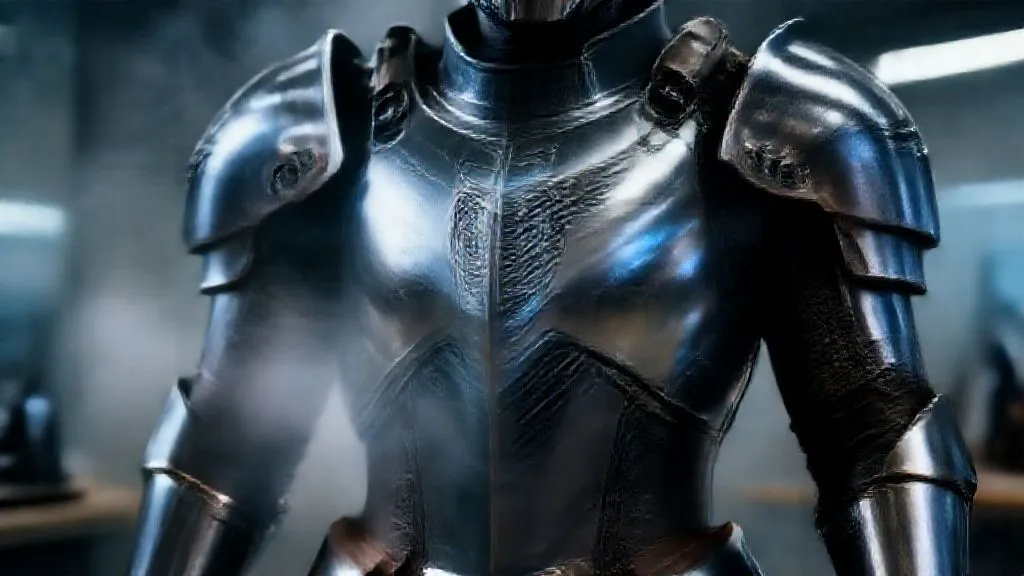
What we see on screen, or in concept art, is often an idealized version. Movie armor is frequently made of lightweight materials, designed for specific camera angles, or even CGI. Game models don't account for real-world body mechanics or the stresses of prolonged wear. Replicating a purely visual design without considering its practical implications is a common pitfall.
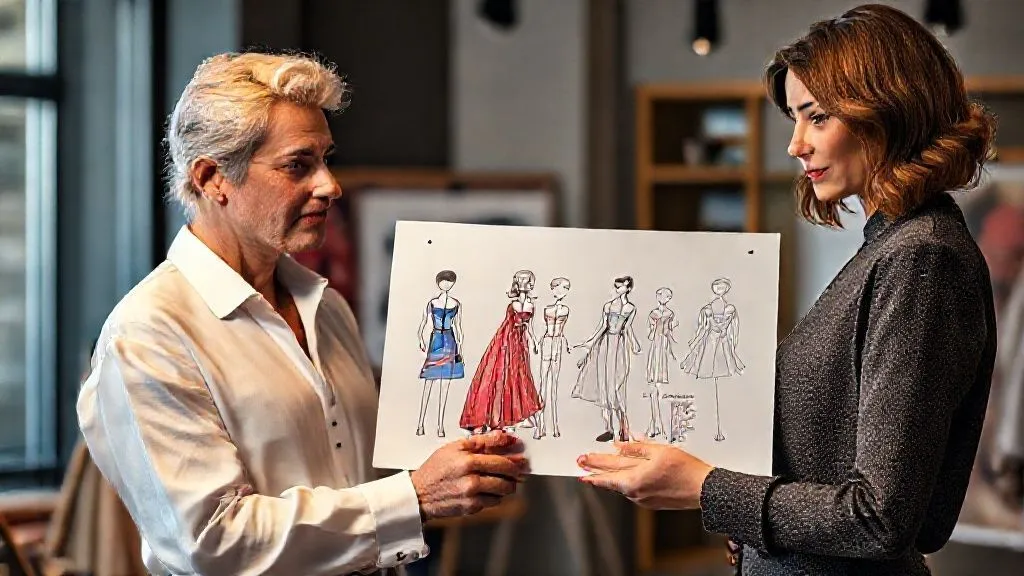
The biggest mistake is assuming that what looks good on a 2D drawing or a digital model will automatically translate into a comfortable 3D wearable piece. Real-world physics and human physiology introduce entirely new variables.
The Human Element: Prioritizing the Wearer
At its core, armor is worn by a human. This means accounting for:
- Range of Motion: Can you lift your arms, sit down, or even turn your head?
- Breathing: Is your chest compressed? Is there adequate airflow?
- Heat Management: Armor traps heat. How will you prevent overheating?
- Chafing and Pressure Points: Hard edges, friction, and uneven weight distribution can cause severe discomfort and even injury.
- Weight: Even lightweight materials accumulate. How will the total weight be managed?
Prioritizing the wearer's experience from the very beginning is not a deviation from accuracy; it's a foundation for a successful, enduring cosplay.
Research & Reference: Beyond the Surface Level
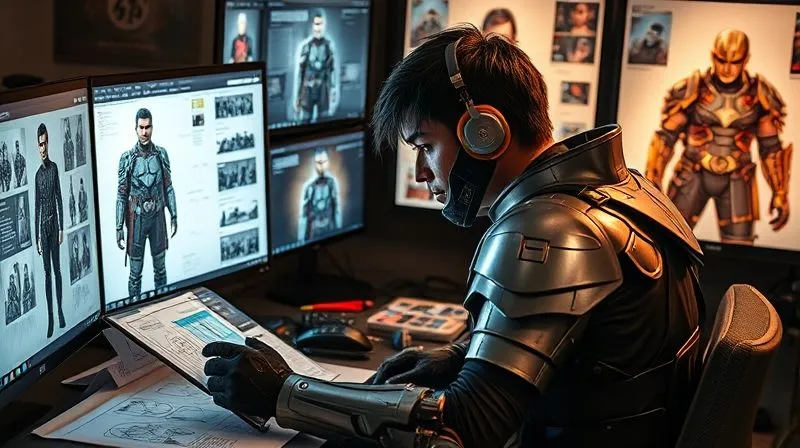
Before you even think about cutting foam or heating thermoplastics, your most potent tool is thorough research. This goes far beyond just finding a few pretty pictures of your chosen character.
Deconstructing the Design: Materials and Construction
Look closely at your reference material. Try to discern the *implied* construction and materials. Is that metal plate riveted, welded, or strapped? Does that leather look like it's a single piece or segmented? Understanding these details can inform your choice of flexible alternatives.
- Gather High-Resolution Images: Seek out concept art, 360-degree character models, production stills, and even behind-the-scenes photos if available.
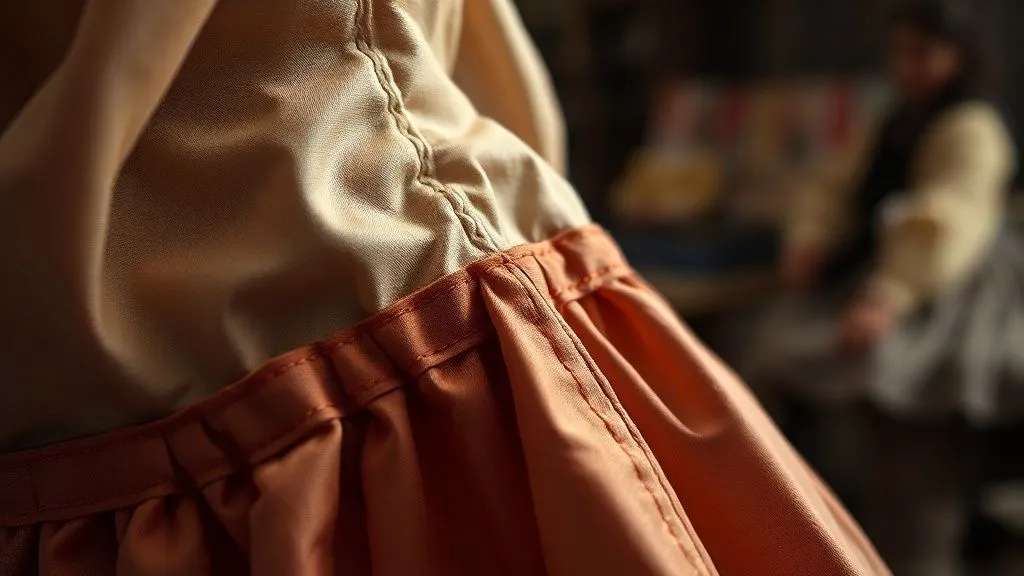
- Zoom In: Pay attention to seams, textures, fasteners, and how different plates connect.
- Analyze Material Properties: Does the armor look rigid or flexible? Heavy or light? This helps you select appropriate cosplay materials.
- Identify Movement Points: Where does the armor bend or flex on the character? These are your critical articulation zones.
Movement Analysis: Observing the Character in Motion
Static images only tell half the story. Watch videos of your character. How do they walk, run, fight, or sit? Pay close attention to how their armor moves (or doesn't move) with them. This is crucial for understanding where flexibility is needed and where rigid components can exist. For a deeper understanding of human movement, I often refer to resources on anatomical kinesiology for artists, which provides invaluable insights into joint mechanics.
Material Selection: The Unsung Hero of Comfort
The materials you choose are paramount to achieving both comfort and accuracy. A common misconception is that heavier materials equate to more realism. Often, the opposite is true for wearable cosplay armor. Strategic material choice allows you to mimic the look of rigid, heavy substances with lightweight, flexible alternatives.
| Material | Pros | Cons |
|---|---|---|
| EVA Foam | Lightweight, flexible, easy to work, inexpensive, good impact absorption | Less rigid, can dent easily, needs sealing/priming, less fine detail capability |
| Worbla/Thermoplastics | Durable, highly shapable, rigid when cooled, good detail retention | Can be heavy in thick layers, less flexible when cold, higher cost, can be hot |
| Urethane/Resin | Highly detailed, very durable, realistic finish, can be lightweight with rotocasting | Heavy if solid, rigid, complex to cast, expensive, toxic fumes during processing |
| Leather/Fabric | Comfortable, flexible, breathable, natural look | Less structural rigidity, requires specific skills, can be hot if layered, higher cost for quality |
| 3D Printed PLA/ABS | High detail, customizable, lightweight with hollow infill | Brittle, layer lines visible, requires sanding/finishing, expensive equipment |
Balancing Weight and Durability
The goal isn't just to use light materials, but to use the *right* materials in the *right* places. For large, less articulated panels (e.g., breastplates, backplates), EVA foam or lightweight thermoplastics might be ideal. For highly detailed, small pieces (e.g., buckles, intricate trim), 3D prints or resin casts can offer the accuracy without adding significant bulk. For areas requiring extreme flexibility (e.g., armpits, inner thighs), consider durable fabrics or thin, flexible foams.
For sourcing high-quality, specialized cosplay materials, I frequently recommend exploring dedicated suppliers such as CosplaySupplies.com or other similar craft-focused vendors, as they often carry innovative products specifically designed for costume construction.
The Role of Undersuits and Padding
Never underestimate the power of a good undersuit. A well-chosen undersuit can prevent chafing, wick away moisture, and provide a smooth surface for your armor to glide over. Look for compression fabrics that are breathable and moisture-wicking. Interior padding, strategically placed, can distribute pressure, fill gaps, and add an extra layer of comfort, especially in areas where hard armor meets the body.
Ergonomic Design Principles for Cosplay Armor
This is where the 'engineering' aspect of costume design truly shines. It's about designing *for* the body, not just *on* the body. Thinking like an industrial designer, focusing on form and function, is key to how to design comfortable yet screen-accurate cosplay armor.
Joint Articulation: Allowing Natural Movement
The most common cause of discomfort and restricted movement is poorly designed joints. Your armor needs to bend and flex where your body does. This often means breaking down large armor pieces into smaller, overlapping segments or incorporating hidden flexible elements.
- Overlapping Plates: Mimic historical armor by having plates slide over each other at joints (e.g., knees, elbows, shoulders). This maintains coverage while allowing movement.
- Hidden Elastic/Webbing: Use strong elastic straps or webbing on the *inside* of armor pieces at joints. These pull the pieces back together when relaxed but allow them to separate when the joint bends.
- Gaps and Cutaways: Strategically place small, often imperceptible, gaps or cutaways in the armor where maximum flexibility is required, such as the armpit or inner elbow.
- Ball-and-Socket Joints: For highly mobile areas like shoulders, consider multi-part construction that allows for a wider range of motion without gapping.
Weight Distribution: The Key to Enduring Wear
Even lightweight armor can feel incredibly heavy if its weight is concentrated in the wrong places. Poor weight distribution leads to fatigue, strain, and discomfort. The goal is to distribute the load across the strongest parts of your body: the shoulders, hips, and core.
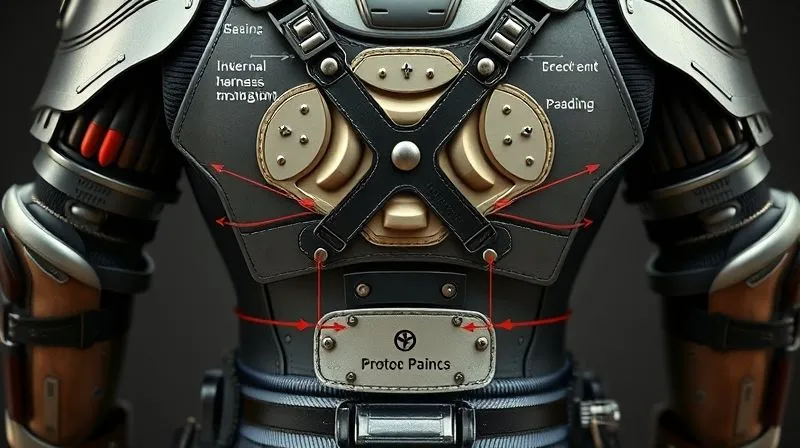
Think of it like a backpack: a poorly fitted one strains your shoulders, while a well-fitted one distributes the weight across your hips and back, making a heavy load feel much lighter. Apply this same principle to your armor.
Internal harnesses, similar to those used in rock climbing or military gear, can be integrated into breastplates or backplates to shift weight from the shoulders to the hips. Belts can support leg armor, and arm armor can be secured to the undersuit to prevent slippage. Padding can help spread pressure evenly, preventing specific points from digging in.
Patterning and Prototyping: Iteration is Your Ally
Never, ever jump straight to your final materials. The prototyping phase is where you test, fail, and refine your design without wasting expensive materials or precious time. This iterative process is fundamental to creating truly comfortable and accurate armor.
Duct Tape Dummies and Mock-ups
The humble duct tape dummy is a cosplayer's best friend. It's a 3D replica of your body that allows you to pattern armor directly onto your form, ensuring a custom fit. This is indispensable for achieving both comfort and screen accuracy.
- Wrap Yourself: Have a friend wrap you in cling film, then duct tape, covering the areas where armor will sit.
- Mark Key Lines: Draw on joint lines, center lines, and the outlines of your armor pieces.
- Cut and Flatten: Carefully cut the dummy off, then cut along your marked lines to flatten the armor pieces into 2D patterns.
- Transfer and Refine: Transfer these patterns to paper or cardboard, refining the shapes and adding seam allowances.
The Power of Cardboard and Craft Foam Prototypes
Once you have your flat patterns, cut them out of inexpensive materials like cardboard or craft foam. Assemble these prototypes using hot glue or tape. Wear them. Move in them. Identify areas of restriction, discomfort, or visual inaccuracy. This is your chance to make mistakes and learn without consequence.
Case Study: The Phoenix Knight's Gauntlets
A fellow cosplayer, known for their meticulous 'Phoenix Knight' armor, initially struggled with gauntlets that restricted wrist movement, leading to hand fatigue during a long convention day. The first iteration, made directly from their patterns, looked accurate but was unwearable. By creating multiple cardboard prototypes and testing articulation points with a full range of motion – simulating drawing a sword and striking poses – they discovered that a slightly altered plate overlap and a hidden elastic hinge drastically improved comfort without sacrificing visual accuracy. The final EVA foam gauntlets allowed for full sword-wielding poses and extended wear, a testament to iterative prototyping and the value of testing.
Attachment Methods & Fasteners: Secure, Yet Flexible
How your armor stays on your body, and how it connects to other pieces, is critical for both comfort and a seamless look. The right attachment methods ensure your armor moves with you, rather than against you.
Straps, Buckles, and Velcro: Visible vs. Hidden
These are the workhorses of armor attachment. The decision to make them visible or hidden depends on your reference material and desired aesthetic.
- Visible Straps & Buckles: Can add to the authenticity of certain designs, especially historical or gritty fantasy armor. Ensure they are adjustable and don't dig into the skin.
- Hidden Velcro: Ideal for attaching pieces that need to be flush against the body or an undersuit. Use industrial-strength Velcro for secure hold.
- Elastic Straps: Excellent for maintaining tension and flexibility, especially for limb armor. Ensure they are wide enough not to cut into the skin.
Always consider the wear and tear on your fasteners. High-quality materials will last longer and provide more reliable comfort.
Magnets and Snaps: Quick Release and Seamless Looks
For advanced builders looking for truly seamless armor, magnets and snaps offer elegant solutions. Neodymium magnets can be embedded within armor pieces to create invisible attachment points, ideal for shoulder bells or chest plates that need to separate easily. Heavy-duty snaps can also be used, often hidden under overlaps, to secure pieces while allowing for quick removal. These methods are particularly useful for areas that need to be put on or taken off frequently, or for creating a smoother, cleaner aesthetic. For more on the various types of fasteners and their applications, I often consult industrial hardware guides, such as those found on sites like McMaster-Carr, which offer a vast array of robust solutions.
The Finishing Touches: Comfort Beyond Construction
Even after your armor is fully built and painted, there are still crucial steps to ensure maximum comfort and wearability. These 'finishing touches' can make all the difference in transforming a good costume into a truly great one.
Interior Lining and Padding: The Invisible Comfort Layer
Just as a good undersuit is vital, the interior of your armor needs attention. Hard edges, rough surfaces, or even the texture of sealed foam can cause irritation over time. Line the interior of your armor with soft, breathable fabrics like microfleece, athletic mesh, or even thin, soft EVA foam. This creates a barrier between the armor and your body, preventing chafing and adding a layer of cushioning. Ensure all raw edges are smoothed or covered.
Ventilation and Heat Management
Armor, by its nature, traps heat. This is perhaps the single biggest comfort challenge, especially for full-body builds or those worn in warm environments. Addressing heat proactively is essential for enduring wear and preventing heat exhaustion.
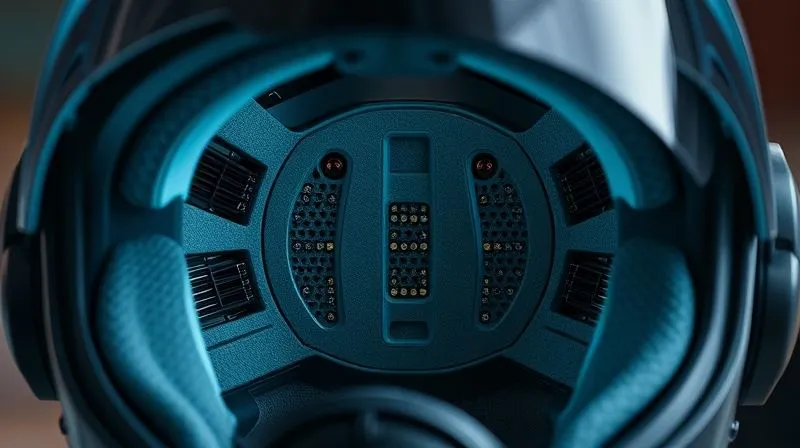
- Strategic Gaps: Design small, inconspicuous gaps or vents in areas that won't compromise screen accuracy, allowing for airflow.
- Battery-Powered Fans: Miniature, low-profile fans can be discreetly installed in helmets, chest pieces, or backplates to circulate air.
- Moisture-Wicking Layers: Ensure your undersuit and any internal padding are made of moisture-wicking materials to draw sweat away from your skin.
- Cooling Packs: Small, reusable gel cooling packs can be tucked into discreet pockets within the armor or undersuit for temporary relief.
Remember, a comfortable cosplayer is a happy cosplayer, and a happy cosplayer can truly embody their character for extended periods, making all that hard work worthwhile. These final steps are crucial for ensuring your armor is not just a visual spectacle, but a truly immersive experience.
Frequently Asked Questions (FAQ)
How do I make armor look accurate without using heavy materials like actual metal? The key lies in illusion and finishing. Use lightweight materials like EVA foam, Worbla, or 3D printed plastics. Achieve a metallic look through meticulous priming, metallic paints, weathering techniques (rust, scratches, grime), and clear coats. The perceived weight often comes from surface texture and paintwork, not actual mass. Focus on sharp edges, realistic textures, and a convincing paint job that mimics metal.
What's the best way to prevent chafing in full-body armor? Prevention is multi-faceted. Start with a good, moisture-wicking compression undersuit. Ensure all interior armor edges are smooth, padded, or lined with soft fabric. Strategically placed padding (e.g., around joints, collarbones, hips) helps distribute pressure. Anti-chafing sticks or sprays can also provide an additional layer of protection in high-friction areas. Regularly test your armor for rub points before a big event.
Can I integrate electronics (lights, sound) into comfortable armor without adding significant bulk or heat? Absolutely. Modern miniaturized electronics, such as small LED strips, micro-controllers (like Arduino Nano), and compact speakers, are incredibly powerful and efficient. Plan for wire channels and battery compartments during your patterning phase. Use low-heat LEDs and ensure adequate ventilation around any heat-generating components. Small, flat battery packs can be distributed strategically or integrated into a belt to manage bulk and weight.
How do I store and transport large, intricate armor pieces without damaging them or affecting their comfort? Invest in custom-fitted storage solutions. Large plastic tubs with soft foam inserts (egg crate foam works well) can protect individual pieces. Consider breaking down your armor into manageable sub-assemblies if possible. For transport, moving blankets, bubble wrap, and securing pieces to prevent shifting are essential. Label everything clearly. Proper storage prevents warping, crushing, and keeps internal padding and wiring intact.
What's the most common mistake cosplayers make when trying to balance comfort and accuracy? The most common mistake is neglecting the human body during the design phase. They prioritize visual accuracy from a static reference image over dynamic human movement and comfort. This leads to rigid, ill-fitting armor that restricts circulation, movement, and breathability. By involving prototyping and wear-testing early and often, and embracing the iterative process, this critical balance can be achieved. It's about designing for the 'wearer' first, then refining the 'look'.
Key Takeaways and Final Thoughts
Designing cosplay armor that is both comfortable and screen-accurate is not an insurmountable challenge, but a nuanced art that marries creative vision with practical engineering. It demands a holistic approach, where every decision, from initial research to final padding, considers both aesthetic fidelity and the well-being of the wearer.
- Prioritize Research: Go beyond static images; analyze movement and implied construction.
- Choose Materials Wisely: Leverage lightweight, flexible alternatives without sacrificing the illusion of heavy, rigid components.
- Embrace Ergonomics: Design for natural human movement, joint articulation, and balanced weight distribution.
- Prototype Relentlessly: Use inexpensive mock-ups to test fit, comfort, and movement before committing to final materials.
- Refine the Interior: Don't forget padding, lining, and ventilation for the ultimate comfort experience.
As an industry specialist, I've seen the transformative power of a well-designed costume. It's not just about looking the part; it's about *feeling* the part, allowing you to fully inhabit your character without the distraction of discomfort. This guide provides you with the framework to achieve precisely that. Go forth, create, and wear your magnificent armor with pride and unparalleled comfort. The cosplay world awaits your truly wearable masterpieces.
Recommended Reading
- The Secret to Soothing Comfort: How to Choose Newborn Clothes for Sensitive Skin
- The Ultimate Men's Capsule Wardrobe for Travel: Pack Light & Right!
- 7 Steps to Flawless Color Grading for Fashion Campaigns: Your Guide
- 7 Power Dress Strategies: How to Dress for Critical Presentations
- 7 Proven Ways to Halt Activewear Breathability Loss Fast

Your email address will not be published. Required fields are marked *