

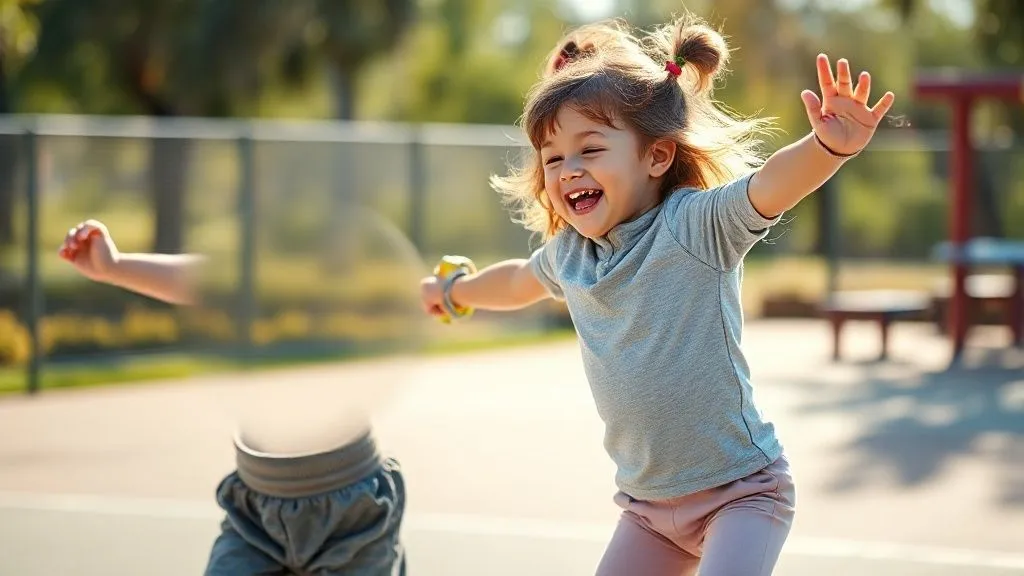
How to design active kids wear for rapid growth without sacrificing fit?
For over 15 years in the dynamic world of kids' fashion, I've witnessed a persistent challenge that frustrates both parents and designers alike: the seemingly impossible task of creating activewear that keeps up with a child's rapid growth spurts without becoming ill-fitting after just a few weeks. It's a dance between functionality, aesthetics, and economics, and frankly, traditional design approaches often miss the mark.
The pain point is palpable: parents invest in quality activewear only to find it too short in the legs or tight across the chest almost overnight. This not only leads to significant financial waste but also contributes to textile landfill, and worse, can hinder a child's comfort and confidence during physical activity. The industry has long grappled with this, often resorting to 'buying a size up,' which sacrifices immediate fit for future potential, compromising safety and performance in the interim.
But what if there was a better way? In this definitive guide, I'll share my insights and actionable frameworks for designing active kids wear that genuinely adapts to growth. We'll explore innovative materials, smart construction techniques, and a re-imagined approach to sizing that prioritizes both impeccable fit and extended wear. Prepare to unlock the secrets to creating activewear that truly grows with the child, offering unparalleled value and promoting sustained activity.
Understanding the Dynamics of Children's Growth
Before we can design for growth, we must first understand it. Children's bodies are not simply smaller versions of adults; they are constantly changing, with varying rates of limb, torso, and head growth. This non-linear development presents unique challenges that demand a departure from conventional adult garment construction.
Growth Spurts: A Design Challenge
From infancy through adolescence, kids experience unpredictable growth spurts. These periods of accelerated development mean that a child might jump two sizes in a matter of months. Traditional sizing, based on static measurements, simply cannot keep pace. As an industry specialist, I've observed that ignoring these spurts leads to garments quickly becoming too small, causing discomfort and restricting movement crucial for active play.
Key Measurements Beyond Age
Relying solely on age or a single measurement like height is a common pitfall. To truly design for active kids wear that accommodates rapid growth, we need to consider a broader range of metrics and how they change. This includes torso length, arm length, leg inseam, chest circumference, and waist circumference, all of which grow at different rates. Understanding these proportional shifts is the first step towards creating truly adaptable designs.

The Core Principle: Adaptive Design Elements
The cornerstone of designing active kids wear for rapid growth without sacrificing fit lies in incorporating adaptive features. These are not merely decorative; they are integrated functionalities that allow the garment to expand or contract, effectively spanning multiple sizes.
Expandable Seams and Cuffs: The 'Grow-With-Me' Concept
One of the most effective strategies I've seen implemented is the 'grow-with-me' concept, which intelligently utilizes expandable seams and cuffs. This isn't about adding extra fabric haphazardly, but rather about thoughtful construction that can be easily adjusted by the user.
- Strategic Pleats and Tucks: Integrate discreet pleats or tucks along sleeves or pant legs that can be released. A hidden seam allowance with a simple topstitch can be unpicked to extend the length by 1-2 inches.
- Roll-Up Cuffs with Secure Fasteners: Design cuffs on sleeves and pant legs that can be rolled up and secured with snaps, buttons, or even discreet Velcro tabs. This allows for immediate shortening and lengthening as needed.
- Convertible Hemlines: For items like leggings or tops, consider a double-stitched hem that can be easily unpicked and re-hemmed lower down, utilizing an existing, generous seam allowance.
- Fold-Over Waistbands: A deep, fold-over waistband in stretchy fabric can be worn high for younger children or folded down as they grow, offering adjustable rise and comfort.
Adjustable Waistbands and Straps: Precision Fit for Every Stage
While expandable lengths are crucial, waist and shoulder adjustments are equally vital for maintaining a secure and comfortable fit. Active kids need garments that stay in place during dynamic movements, preventing chafing or slippage.
In my experience, a multi-pronged approach to waist and strap adjustment offers the best results. This can range from simple internal elastic bands with buttonholes to more sophisticated external tab systems. The key is to offer incremental adjustability that doesn't compromise the garment's aesthetic or durability.
| Adjustment Mechanism | Pros | Cons | Best Use |
|---|---|---|---|
| Elastic Drawstring | Simple, cost-effective, good for minor adjustments | Can feel bulky, less precise, may unravel | Casual wear, less intense activities |
| Internal Buttonhole Elastic | Hidden, precise, durable, clean look | Requires garment removal to adjust, more complex to manufacture | Everyday activewear, school uniforms |
| External Velcro Tabs | Easy on-the-go adjustment, visible feature | Can snag other fabrics, less aesthetic, prone to wear | Outerwear, highly adjustable items |
| Snap-Button Extension | Durable, secure, clear incremental adjustments | Less continuous adjustment, requires specific fabric structure | Cuffs, leg lengths, shoulder straps |
Fabric Innovation: The Unsung Hero of Longevity and Comfort
No amount of clever design will compensate for poor fabric choice when it comes to active kids wear. The right materials are fundamental to achieving both adaptability and durability, ensuring the garment can withstand the rigors of play and repeated washing.
Stretch and Recovery: Beyond Basic Spandex
While spandex (elastane) is a staple for stretch, modern textile innovations offer superior performance. I advocate for fabrics with multi-directional stretch and excellent recovery properties. This means the fabric stretches comfortably with movement but snaps back to its original shape, preventing bagging or sagging over time. Look for blends that incorporate high-denier nylon or polyester with a significant percentage of elastane (typically 8-15%) for optimal performance. According to textile experts at WGSN, advancements in bi-elastic and four-way stretch fabrics are crucial for adaptive apparel.
Durability and Easy Care: What Parents Really Want
Kids' activewear needs to be tough. It must resist abrasion, pilling, and fading. Fabrics with a tighter weave, reinforced stitching, and a good weight (gsm) will naturally last longer. Furthermore, parents prioritize ease of care. Machine washable, quick-drying, and wrinkle-resistant fabrics are non-negotiable. Treatments that offer stain resistance or moisture-wicking properties also add significant value and extend the garment's perceived lifespan.
"The true measure of innovative active kids wear fabric isn't just its stretch, but its ability to endure countless adventures and emerge looking as good as new. Durability is sustainability in action for children's clothing."
Ergonomics and Movement: Prioritizing Play
Designing for active kids means putting their movement first. Restrictive clothing can deter physical activity and even pose safety risks. Ergonomic design ensures that the garment moves with the child, not against them, regardless of their growth stage.
Strategic Seam Placement and Gussets
Seams are often overlooked, but their placement is critical. Avoid seams in high-friction areas like the inner thigh or underarms, as these can cause chafing, especially during extended play. Instead, utilize flatlock seams for comfort and durability. The incorporation of gussets – diamond or triangular-shaped fabric inserts – in areas like the crotch or underarms provides an extra range of motion, preventing tears and ensuring comfort even as a child grows into the garment.
Freedom of Movement: A Design Imperative
Every design decision, from sleeve construction to leg opening, must consider the child's ability to run, jump, climb, and stretch without hindrance. This means generous cuts in key areas, articulated knees for bending, and raglan sleeves for unrestricted arm movement. As marketing guru Seth Godin often says, "People don't buy what you do; they buy why you do it." For active kids wear, the 'why' is enabling joyful, uninhibited play.

Smart Sizing and Grading: Rethinking the Chart
The traditional sizing chart is perhaps the biggest impediment to designing active kids wear for rapid growth without sacrificing fit. It's built on static averages, which simply don't reflect the dynamic nature of children's bodies. We need a more intelligent, adaptive approach.
Beyond the Standard Size Chart: Introducing 'Growth Zones'
Instead of rigid age-based or single-measurement sizes, I advocate for 'growth zone' sizing. This concept designs garments to comfortably span a wider range of measurements, effectively covering two traditional sizes. For instance, instead of separate sizes 6 and 7, you design a '6-7 Growth Zone' garment with integrated adaptive features. This reduces complexity for consumers and extends the garment's lifespan significantly.
Case Study: 'FlexiFit' Apparel's Sizing Revolution
Case Study: FlexiFit Apparel's 'Growth Zone' Success
FlexiFit Apparel, a startup specializing in outdoor kids' wear, initially struggled with high return rates due to sizing inconsistencies and rapid outgrowing. By adopting a 'growth zone' sizing model, where garments were designed to span two traditional sizes with adaptive features, they saw a dramatic shift. For example, their 'Active Explorer Pant' (designed for sizes 6-8) incorporated adjustable waist tabs, roll-up cuffs with snap closures, and a strategically placed gusset in the crotch. This innovative approach, coupled with clear consumer education on how to utilize these features, led to a 40% reduction in returns related to sizing and a 25% increase in customer satisfaction, as parents appreciated the extended wear life and value. This validated the demand for truly adaptable children's activewear.
| Sizing Model | Approach | Coverage | Longevity | Consumer Experience |
|---|---|---|---|---|
| Traditional | Static measurements, age-based | Single size (e.g., size 6) | Short, quickly outgrown | Frustrating, frequent replacements |
| Growth Zone | Adaptive features, measurement range | Spans 2+ traditional sizes (e.g., 6-8) | Extended, grows with child | Value-driven, comfortable, fewer replacements |
Sustainability and Circularity: Designing for a Better Future
The imperative to design active kids wear for rapid growth without sacrificing fit extends beyond immediate utility; it's a critical component of sustainable fashion. By extending the lifespan of garments, we directly combat textile waste and reduce our environmental footprint.
Longevity as a Sustainable Practice
Every piece of clothing that lasts longer is a win for the planet. When garments are designed to accommodate growth, they are worn for more seasons, reducing the frequency of new purchases and the associated resource consumption in manufacturing. This aligns perfectly with circular economy principles, where products are designed for durability and extended use. A report by the Ellen MacArthur Foundation consistently highlights longevity as a key pillar of sustainable fashion.
Recyclable and Upcyclable Materials
Beyond longevity, consider the end-of-life of the garment. Can the materials be recycled or upcycled? Prioritizing mono-material designs (where possible) or blends that are easier to separate for recycling is a forward-thinking approach. Additionally, designs that lend themselves to easy upcycling – perhaps by being repurposed into another item or passed down through multiple children – amplify their sustainable impact. Investing in innovative materials like recycled polyester or organic cotton blends also plays a significant role here.

The Iterative Design Process: Testing and Feedback
Even the most brilliant design concepts need to be tested in the real world. The iterative design process, involving prototyping and gathering feedback, is non-negotiable for success in kids' activewear.
Prototyping with Real Kids
There's no substitute for seeing how a garment performs on a moving child. Create multiple prototypes and test them on children of varying body types within your target 'growth zone.' Observe how the fabric stretches, how the adaptive features function, and whether any seams cause irritation during different activities. This hands-on testing will reveal flaws and opportunities for improvement that static measurements or adult models simply cannot.
Gathering Parent Insights
Parents are your ultimate customers and an invaluable source of feedback. Conduct focus groups, surveys, and informal interviews. Ask about their biggest frustrations with current activewear, what features they value most, and how easy they find it to utilize adaptive elements. Their practical insights into washing, durability, and daily wear will be crucial for refining your designs.
"Designing for children is designing for the most honest critics. If it's uncomfortable, restrictive, or doesn't last, they and their parents will let you know. Embrace this feedback as your greatest design asset."
Marketing and Messaging: Educating the Consumer
Once you've mastered how to design active kids wear for rapid growth without sacrificing fit, the next step is effectively communicating this value to your audience. Parents are looking for solutions, and your innovative approach needs to be clearly articulated.
Highlighting Longevity and Value
Shift the narrative from price per garment to cost per wear. Emphasize how your activewear, with its adaptive features, offers significantly more wear time than traditional alternatives. Use clear visuals and concise language to explain how a single garment can last through multiple growth stages, representing a smart investment for families. This resonates strongly with budget-conscious and environmentally aware consumers.
Transparency in Design Features
Don't just say your activewear 'grows with your child'; show them how. Use detailed product descriptions, instructional videos, and clear diagrams to explain each adaptive feature – how to extend a cuff, adjust a waistband, or release a hidden seam. This transparency builds trust and empowers parents to fully utilize the innovative design, ensuring they get the most out of their purchase. For further guidance on transparent marketing in fashion, resources like Business of Fashion offer excellent insights.
Frequently Asked Questions (FAQ)
Q: Won't adding adjustable features make the activewear look bulky or less stylish? Not if done correctly. The key is intelligent integration. Modern adaptive designs utilize hidden internal elastic systems, discreet snap closures, or cleverly designed fold-over elements that maintain a sleek silhouette. The goal is seamless functionality that doesn't compromise aesthetics, often adding to the garment's unique appeal.
Q: Are these adaptive designs more expensive to produce, making them less accessible? Initially, yes, there might be a slightly higher cost in design and complex manufacturing. However, the added value in terms of longevity and reduced consumer returns can offset this. Furthermore, as these technologies become more widespread, economies of scale will reduce production costs, making them more competitive. The long-term value to the consumer often justifies a slightly higher initial price point.
Q: How do I ensure the activewear remains comfortable even when adjusted to its maximum growth potential? Comfort is paramount. This requires careful consideration of fabric stretch and recovery, ergonomic seam placement, and ensuring that any adjustment mechanisms (like drawstrings or internal elastic) don't create pressure points. Extensive real-child testing during the prototyping phase is crucial to identify and eliminate potential discomfort issues at all adjustment levels.
Q: What are the best fabrics for multi-directional stretch and durability that also align with sustainable practices? Look for blends of recycled polyester or organic cotton with a high percentage (8-15%) of elastane (spandex). Fabrics with a tight knit construction and treatments for moisture-wicking and quick-drying properties are also excellent. Brands like Polartec offer innovative, sustainable performance fabrics that fit this bill. Prioritize certifications like GOTS for organic content or bluesign for responsible manufacturing.
Q: How can small businesses or startups implement these complex design strategies without a large R&D budget? Start small and focus on one or two key adaptive features. Leverage existing fabric innovations and work closely with pattern makers experienced in children's wear. Utilize online resources and industry mentors for guidance. Emphasize consumer feedback from the very first prototype. Remember, innovation doesn't always require massive budgets; it requires smart, focused design.
Key Takeaways and Final Thoughts
- Embrace Adaptive Design: Integrate expandable seams, adjustable waistbands, and cuffs as core features, not afterthoughts.
- Prioritize Fabric Innovation: Choose materials with superior stretch, recovery, durability, and easy-care properties.
- Design for Movement: Ensure ergonomic construction with strategic seam placement and gussets to allow unrestricted play.
- Rethink Sizing: Move towards 'growth zone' models that span multiple traditional sizes for extended wear.
- Test and Iterate: Prototype with real children and gather extensive parent feedback to refine designs.
- Communicate Value: Educate consumers on the longevity, sustainability, and economic benefits of your adaptable activewear.
Designing active kids wear for rapid growth without sacrificing fit is no longer a pipe dream; it's an achievable reality that addresses a critical consumer need and supports a more sustainable future for fashion. By adopting these expert strategies, you're not just creating clothing; you're crafting garments that empower children to move freely, comfortably, and confidently through every stage of their active development. The future of kids' activewear is adaptable, and I encourage you to lead the charge in this exciting evolution.
Recommended Reading
- 5 Proven Strategies: Guarding Your Sneaker Brand from Counterfeits
- Cracking the Code: 5 Strategies for Predicting Kids' Fashion Trends Accurately
- Unlock the Secret: How to Balance Oversized Streetwear for a Perfect Look
- 7 Steps: Rebuilding Luxury Brand Trust After a Scandal
- Stop Gel Nail Art Lifting: 7 Pro Tips for Flawless, Lasting Designs



Your email address will not be published. Required fields are marked *