


How to Curate Everyday Accessories for a C-Suite Executive Image?
For over two decades in the fashion and luxury accessories sector, I've had the privilege of observing, advising, and even styling some of the most influential figures across industries. What I've consistently witnessed is that true executive presence isn't just about the suit you wear or the title you hold; it's profoundly shaped by the subtle yet powerful details – the everyday accessories that whisper volumes about your discernment and authority.
Many aspiring and even current C-suite executives often overlook the strategic role of their accessories, treating them as afterthoughts rather than integral components of their personal brand. This oversight can lead to a disjointed image, undermining the very gravitas and confidence they strive to project in high-stakes meetings, negotiations, and public appearances. The right accessory isn't just an adornment; it's a non-verbal cue, a statement of your attention to detail, your understanding of quality, and ultimately, your respect for your position and your audience.
In this definitive guide, I will draw upon my extensive experience to provide you with an actionable framework for how to curate everyday accessories for a C-suite executive image. We'll delve into specific categories, explore the psychology behind executive accessory choices, and equip you with the insights to select pieces that not only complement your attire but amplify your leadership presence, ensuring every detail contributes to your unwavering professional authority.
The Psychology of Executive Accessories: Why Details Matter
In the high-stakes world of the C-suite, every impression counts. Accessories, though seemingly minor, play a critical role in non-verbal communication. They are silent ambassadors of your personal brand, conveying messages about your values, attention to detail, and even your financial acumen.
I've observed that executives who intentionally curate their accessories often exude a greater sense of confidence and control. A well-chosen watch suggests punctuality and an appreciation for time, while a quality pen implies thoughtfulness and precision. These are not just adornments; they are extensions of your professional identity, reinforcing the perception of competence and trustworthiness. According to a study published in the Harvard Business Review, executive presence is a mix of gravitas, communication, and appearance. Accessories directly contribute to the 'appearance' aspect, but their impact ripples into gravitas and communication by subtly influencing how others perceive your authority and confidence.
"Accessories are the exclamation point to a woman's outfit." While often attributed to fashion, this sentiment holds true for all executives. They are the punctuation marks of your professional statement, adding emphasis and clarity to your overall image.
The key lies in understanding that these items are not about flashiness, but about thoughtful selection that aligns with your professional narrative. They should enhance, not distract from, your core message.
Foundational Principles: Quality Over Quantity and Intentionality
Before we dive into specific accessory categories, it's crucial to establish the bedrock principles for curating a C-suite image. My experience has taught me that these two concepts – quality over quantity and intentionality – are paramount.
Quality Over Quantity: The Investment Mentality
For C-suite executives, less is often more. A single, impeccably crafted item speaks volumes more than a collection of mediocre ones. Investing in high-quality accessories is not an expense; it's a strategic investment in your personal brand. These pieces are often made from superior materials, exhibit exquisite craftsmanship, and possess a timeless design that transcends fleeting trends. They are durable, project an aura of stability, and reflect your appreciation for excellence.
Think of it this way: a high-quality leather briefcase will age gracefully, developing a rich patina that tells a story of experience and enduring value. A cheap, synthetic alternative will quickly show wear, detracting from your image rather than enhancing it. This principle applies across all accessory types, from watches to eyewear.
Intentionality: Every Choice Has a Purpose
Every accessory you choose should serve a purpose, whether it's functional, aesthetic, or symbolic. Randomly throwing on items without thought can lead to a cluttered or inconsistent look. Instead, approach your accessory selection with the same strategic thinking you apply to business decisions.
- Assess Your Wardrobe: Understand the predominant colors, styles, and formality of your professional attire. Your accessories should complement, not clash with, these foundations.
- Define Your Personal Brand: What message do you want to convey? Are you innovative, traditional, approachable, or authoritative? Choose accessories that reinforce these traits.
- Consider the Context: A formal board meeting might call for classic, understated pieces, while a creative industry conference might allow for slightly more distinctive choices.
- Harmonize Your Ensemble: Ensure that your chosen accessories work together as a cohesive unit, creating a polished and unified image.
The Executive Watch: A Timeless Statement of Precision
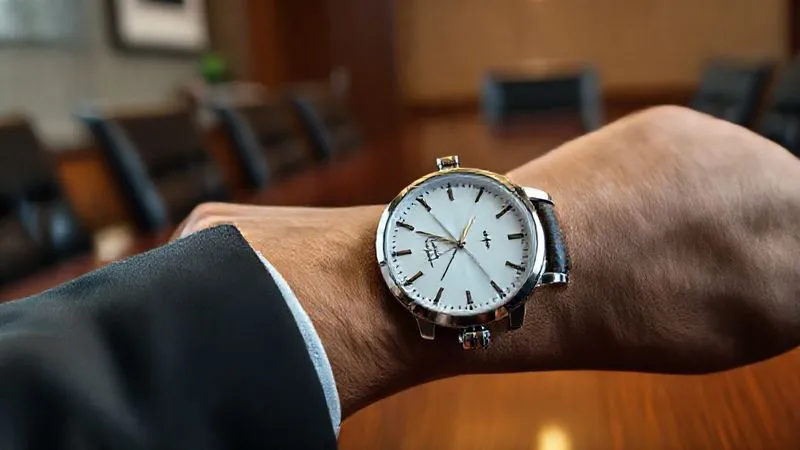
The watch is arguably the most significant accessory for a C-suite executive. It's more than just a time-telling device; it's a powerful symbol of your respect for time, your commitment to precision, and your appreciation for craftsmanship. In my years, I've seen a quality timepiece instantly elevate an individual's perceived status.
Choosing Your Timepiece Wisely
For the C-suite, I recommend opting for classic, understated designs from reputable brands. Think Swiss automatics or high-end quartz movements. Materials like stainless steel, gold, or platinum are excellent choices. Leather straps (alligator, crocodile, or fine calfskin) or metal bracelets are both appropriate, depending on your style and the formality of the occasion.
- Minimalist Dials: Clean, uncluttered dials with clear markers or Roman numerals project sophistication.
- Appropriate Size: The watch face should be proportionate to your wrist, not overly bulky or diminutive.
- Functionality: While chronographs can be stylish, a simple date function is often sufficient for executive needs. Avoid overly sporty or trendy designs.
A watch is often the only piece of jewelry many male executives wear, making its selection even more critical. For female executives, it complements other subtle jewelry, adding a layer of professional polish.
Writing Instruments: The Pen as a Power Symbol
In an increasingly digital world, the act of using a fine writing instrument carries a distinct weight. Pulling out a substantial, elegant pen to sign a document or take notes in a meeting makes a subtle but profound statement. It speaks to tradition, deliberation, and a reverence for the written word. I've often seen clients use a quality pen as a conversation starter, revealing layers of their personality and values.
Selecting Your Signature Pen
A C-suite executive's pen should feel substantial in hand, write smoothly, and reflect durability and quality. Fountain pens, rollerball pens, or high-end ballpoint pens from brands renowned for their craftsmanship are ideal. Materials like precious resins, fine metals, or even wood can be appropriate.
- Ergonomics: Choose a pen that feels comfortable and balanced for your grip.
- Ink Flow: Ensure the pen writes consistently and without smudging.
- Design: Opt for classic, timeless designs. Avoid overly ornate or novelty pens.
- Presentation: Always keep your pen clean and in good condition, perhaps in a protective leather sleeve.
This small detail reinforces your commitment to quality in all aspects of your work, demonstrating that you value precision and tangible excellence.
Eyewear: Framing Your Vision and Intellect
For those who wear glasses, eyewear is perhaps the most prominent accessory, sitting directly on your face and influencing how others perceive your gaze and expressions. It's an opportunity to frame your intellect and professionalism, and I always advise clients to consider their eyewear as an extension of their C-suite image.
Strategic Eyewear Choices
The right pair of glasses can enhance your facial features, convey a sense of gravitas, and project confidence. The wrong pair can detract, appear cheap, or even make you seem less approachable.
- Frame Shape: Choose shapes that complement your face shape. Classic rectangular, oval, or subtle cat-eye frames are generally safe and professional.
- Materials: High-quality acetate, titanium, or thin metal frames are excellent. Avoid overly thick plastic frames or trendy, brightly colored options for formal C-suite settings.
- Color: Neutral colors like black, tortoise, silver, gold, or deep blues/greys are best. The color should also harmonize with your skin tone and hair color.
- Fit: Glasses must fit perfectly – not sliding down your nose, not too tight, and the top line of the frame should ideally follow your brow line.
Even for those who don't require vision correction, high-quality blue light filtering glasses can be a sophisticated addition, especially in tech-heavy environments, subtly signaling your awareness of modern demands.
Bags & Briefcases: Function Meets Form in Executive Carry
Your bag or briefcase is more than just a vessel for your essentials; it's a mobile command center, and its appearance speaks volumes about your organizational skills and professional standards. For C-suite executives, a premium bag is an indispensable accessory that combines functionality with impeccable style. In my observations, a well-chosen bag can significantly contribute to an executive's polished and prepared persona.
Selecting Your Executive Carry
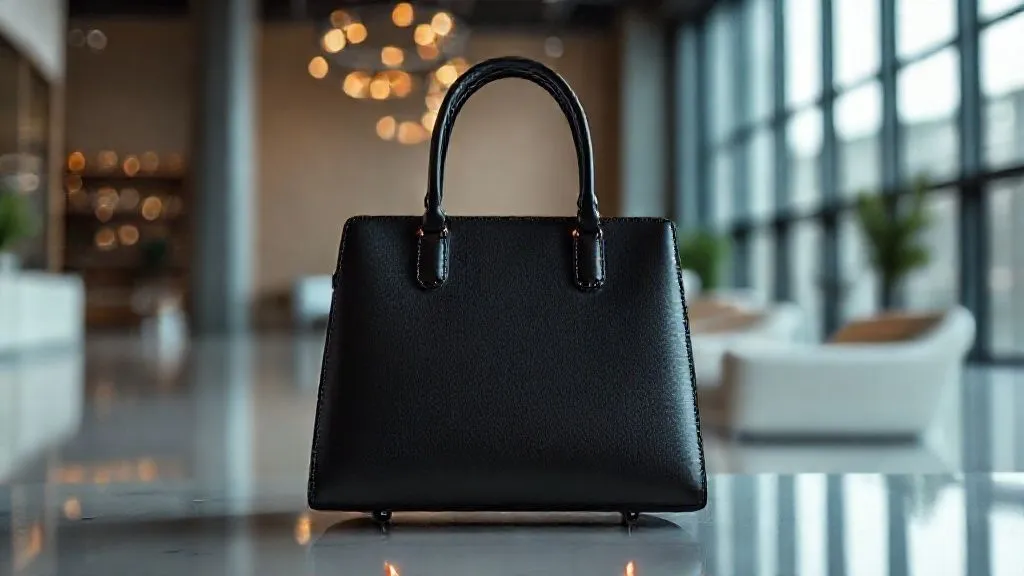
The material, craftsmanship, and design of your bag are critical. Full-grain leather is the gold standard for its durability, luxurious feel, and ability to age beautifully. Nylon or canvas options, if chosen, must be of very high quality and design, often reserved for more casual executive settings or travel.
- Briefcases/Messenger Bags: For a traditional, authoritative look, a structured leather briefcase is unmatched. Messenger bags offer a slightly more modern, relaxed (but still professional) alternative.
- Tote Bags (for women): A structured leather tote can be incredibly versatile, accommodating documents, a laptop, and personal items while maintaining a sophisticated silhouette.
- Backpacks (Executive Grade): While traditionally less formal, high-end leather or technical fabric backpacks are gaining acceptance in certain C-suite environments, particularly in tech or creative industries. They must be sleek, minimalist, and devoid of excessive pockets or branding.
- Color: Classic colors like black, dark brown, navy, or deep burgundy are universally appropriate and versatile.
Ensure your bag is always well-maintained, clean, and free of clutter. A high-quality bag that looks neglected instantly undermines its intended positive impact.
Case Study: Eleanor Vance's Strategic Upgrade
Eleanor Vance, a newly appointed CFO at a rapidly growing FinTech firm, felt her previous canvas tote bag, while practical, didn't quite resonate with her new C-suite responsibilities. She was often presenting to investors and board members who valued traditional markers of professionalism. Following my advice on how to curate everyday accessories for a C-suite executive image, Eleanor invested in a structured, black full-grain leather tote with minimalist hardware. The immediate feedback was subtle but noticeable. Colleagues commented on her 'new level of polish,' and she felt a significant boost in confidence during high-level meetings. This simple, strategic upgrade to her carry accessory helped solidify her image as a meticulous, authoritative financial leader, aligning her external presentation with her internal capabilities.
Jewelry & Cufflinks: Subtle Sparkle, Significant Impact
When it comes to jewelry, the C-suite mantra is often 'less is more,' but 'impactful is everything.' The goal is not to dazzle, but to add a touch of refinement, personality, and understated luxury that complements your overall executive image. I've found that carefully chosen pieces can communicate a great deal about an executive's discerning taste.
For Women: Thoughtful Adornment
Female executives have more latitude with jewelry, but restraint is key. The pieces should be elegant, high-quality, and not distracting.
- Earrings: Small diamond studs, pearls, or elegant hoops are timeless. Avoid overly large, dangling, or noisy earrings.
- Necklaces: A delicate chain with a small pendant, a single strand of pearls, or a minimalist gold/silver piece adds sophistication without being ostentatious.
- Rings: Beyond engagement/wedding rings, one or two elegant rings are sufficient. Focus on quality over quantity.
- Bracelets: A slim watch, a delicate chain bracelet, or a simple bangle can be tasteful. Avoid armfuls of bangles or chunky pieces.
The aim is to enhance your professional look, not to overwhelm it. Each piece should feel intentional and contribute to a cohesive, polished aesthetic.
For Men: Cufflinks and Rings
Male executives typically have fewer jewelry options, making each choice even more significant.
- Cufflinks: These are an excellent opportunity to add a touch of personal style and sophistication, especially when wearing French cuff shirts. Opt for classic designs in silver, gold, or subtle enamel. Avoid novelty or overly flashy options.
- Rings: A wedding band is standard. Beyond that, a single signet ring or a simple, elegant ring can be appropriate if it aligns with your personal style and doesn't detract from your overall professional image.
The beauty of executive jewelry lies in its subtlety. These are not items to draw immediate attention, but rather to be noticed upon closer inspection, revealing a deeper commitment to quality and personal style.
Scarves & Pocket Squares: Adding Dimension and Personal Flair
These accessories offer a wonderful avenue for expressing personal style, adding a pop of color, or introducing texture without compromising executive gravitas. I've seen many C-suite leaders use them to subtly differentiate themselves and inject a touch of approachable elegance.
For Women: The Power of a Scarf
A high-quality silk or cashmere scarf can transform an outfit. It can add warmth, a splash of color, or an element of softness to a sharp suit or dress. It's an incredibly versatile accessory for female executives.
- Material: Invest in natural fibers like silk, cashmere, or fine wool.
- Prints & Colors: Choose sophisticated prints (e.g., subtle geometrics, abstract art, classic patterns) and colors that complement your wardrobe.
- Styling: Learn a few elegant knots or drapes. A simple loop, a loose knot, or draped over the shoulders can all be highly effective.
A well-chosen scarf can serve as a focal point, drawing attention to your face and adding a refined touch to your C-suite ensemble.
For Men: The Art of the Pocket Square
For male executives, a pocket square is a small but mighty detail that elevates a suit jacket or blazer. It signals an attention to detail and a flair for personal style. It’s an easy way to introduce color and pattern without being overwhelming.
- Material: Silk, linen, or fine cotton are the best choices.
- Fold: Experiment with different folds – the classic presidential fold, the puff fold, or the winged puff. The fold should match the formality of the occasion.
- Color/Pattern: The pocket square doesn't need to perfectly match your tie; instead, it should complement it or pick up a color from your shirt or suit. Subtle patterns or solid colors are safest.
This small square of fabric can be a powerful tool for personal branding, allowing a glimpse of your personality while maintaining a polished, professional image.
The Art of Integration: Harmonizing Your Accessory Ensemble
Curating everyday accessories for a C-suite executive image isn't just about selecting individual standout pieces; it's about how those pieces work together to form a cohesive, powerful statement. The true mastery lies in integration – ensuring every item harmonizes with your outfit and your overall personal brand. This is where my expertise truly comes into play, helping executives move beyond mere selection to strategic ensemble building.
Creating a Cohesive Look
- Color Coordination: While not everything needs to match perfectly, ensure colors complement each other. For instance, if your watch strap is brown, your belt and shoes should ideally be in a similar brown tone.
- Material Harmony: Mix and match textures judiciously. A leather bag, a silk scarf, and a metal watch can all coexist beautifully if their quality and style are consistent.
- Style Consistency: If your professional wardrobe leans modern and minimalist, your accessories should follow suit. If it's more traditional, opt for classic, timeless pieces. Avoid mixing highly contemporary items with overtly vintage ones unless it's a deliberate, well-executed stylistic choice.
- "The Third Piece Rule": Beyond your main garments (e.g., suit, shirt), consider your accessories as the "third pieces" that complete and elevate your look. A watch, a pair of cufflinks, and a pocket square can be your three harmonizing elements.
This thoughtful integration prevents your accessories from looking like an afterthought. Instead, they become an intentional part of your executive narrative, reinforcing your attention to detail and sophisticated taste.
Investing in Your Image: Longevity and Value
When discussing how to curate everyday accessories for a C-suite executive image, the topic of investment inevitably arises. This isn't about spending excessively, but about making smart, long-term choices that yield significant returns in terms of image, durability, and personal satisfaction. My advice to clients has always been to prioritize value and timelessness over fleeting trends.
Strategic Investment Guide for Executive Accessories
Consider the following framework when allocating your budget for key executive accessories:
| Accessory Category | Suggested Investment Range | Key Considerations |
|---|---|---|
| Watch | $1,000 - $10,000+ | Automatic movement, classic design, reputable brand, durable materials (steel, gold, sapphire crystal) |
| Writing Instrument | $150 - $1,000+ | Smooth ink flow, comfortable grip, quality materials (resin, metal), timeless design |
| Eyewear (Frames) | $200 - $800 | High-quality acetate/titanium, flattering shape, neutral colors, perfect fit |
| Leather Bag/Briefcase | $500 - $5,000+ | Full-grain leather, structured design, functional compartments, durable hardware, classic color |
| Jewelry (e.g., Cufflinks, Pendant) | $100 - $1,500+ | Precious metals, understated design, quality gemstones/pearls, personal significance |
| Scarves/Pocket Squares | $50 - $300+ | Natural fibers (silk, cashmere, linen), sophisticated prints/colors, hand-rolled edges |
Remember, these are guidelines. The most important factor is to choose pieces that resonate with your personal style, meet your functional needs, and project the image you desire. A well-chosen, high-quality accessory will serve you for years, often decades, making the initial investment worthwhile. As Forbes often emphasizes in discussions on personal branding, investing in your image is investing in your career trajectory.
Beyond the Aesthetic: Accessories as Conversation Starters
While the primary goal of curating executive accessories is to enhance your professional image, a wonderful byproduct is their potential as conversation starters. In my experience, a unique yet understated piece can often break the ice, forge connections, and reveal a deeper layer of your personality, helping you stand out in a sea of suits.
Making Connections Through Style
Imagine this: you're in a networking event, and someone compliments your vintage watch or asks about the origin of your unique pen. This opens a door to a more personal interaction, allowing you to share a story, demonstrate your passion, or simply connect on a human level beyond job titles.
- Personalized Pieces: A watch with a subtle engraving, a custom-made pen, or a piece of jewelry with sentimental value can spark genuine interest.
- Heritage Brands: Accessories from brands with rich histories often come with fascinating stories that can be shared.
- Unique, Not Flashy: The key is for the item to be distinctive without being ostentatious. It should invite curiosity, not envy.
By carefully selecting accessories that have a story or reflect a genuine aspect of your personality, you transform them from mere objects into tools for building rapport and strengthening your professional network. They become subtle extensions of your personal narrative, enhancing your executive gravitas.
Frequently Asked Questions (FAQ)
How much should I spend on executive accessories? The amount you spend should align with your budget, career stage, and industry. Rather than focusing on a specific dollar amount, prioritize quality, timeless design, and durability. It's better to own one high-quality watch than five mediocre ones. Consider it an investment in your personal brand and longevity, aiming for the best quality you can comfortably afford.
Are smartwatches appropriate for C-suite? While smartwatches are highly functional, their appropriateness in the C-suite depends on the industry and specific context. In tech-forward environments, a sleek, minimalist smartwatch (like an Apple Watch with a classic leather or metal band) can be acceptable. However, for highly formal settings or traditional industries, a classic analog timepiece often projects more gravitas and timeless professionalism. My advice is to have both and choose according to the occasion.
Can I wear statement jewelry as a C-suite executive? Generally, 'statement' jewelry should be approached with caution in the C-suite. The goal is to project authority and trustworthiness, not to distract or appear overly trendy. If you do opt for a statement piece (e.g., a bold necklace or a unique ring), ensure it is high-quality, tasteful, and balances the rest of your understated ensemble. It should complement, not dominate, your professional image. Err on the side of subtlety and elegance.
How do I choose accessories that reflect my personal style while maintaining a professional image? This is a delicate balance. Start by identifying your core personal style elements (e.g., minimalist, classic, bohemian, edgy). Then, seek out high-quality, professional versions of those elements. For example, if you love color, incorporate it through a sophisticated silk scarf or a subtle gemstone in your jewelry, rather than a brightly colored watch. The key is to infuse your personality through quality and subtle distinction, always aligning with the overarching professional aesthetic required for your C-suite role.
What's the difference between a high-quality accessory and a luxury one? A high-quality accessory is well-made, durable, uses good materials, and offers excellent craftsmanship, providing great value for its price. A luxury accessory possesses all these traits but often includes premium branding, rarer materials, haute craftsmanship, and a higher price point that reflects brand heritage, exclusivity, and perceived status. While luxury items are often high-quality, not all high-quality items are luxury. For the C-suite, focus on high-quality first; luxury is a personal choice based on preference and budget, but not a mandatory requirement for projecting an executive image.
Key Takeaways and Final Thoughts
Mastering how to curate everyday accessories for a C-suite executive image is a nuanced art, but an incredibly rewarding one. It's about understanding that every detail you present contributes to your narrative of leadership, competence, and refined taste. From the subtle glint of a quality watch to the precise line of a well-chosen pen, these items are more than mere adornments; they are strategic tools in your professional arsenal.
- Prioritize Quality & Intentionality: Invest in fewer, better pieces that serve a purpose and reflect your commitment to excellence.
- Embrace Timelessness: Opt for classic designs that transcend fleeting trends, ensuring your accessories remain relevant and impactful for years to come.
- Harmonize Your Ensemble: Ensure all your accessories work together cohesively, complementing your attire and reinforcing your personal brand.
- Leverage Subtle Statements: Use accessories to convey confidence, attention to detail, and a touch of personal flair without being distracting.
- See Them as Investments: View your accessory choices as strategic investments in your executive presence and long-term career success.
As an industry veteran, I've seen firsthand the transformative power of a thoughtfully curated accessory collection. It's not about vanity; it's about strategic self-presentation, a crucial skill for any C-suite leader. By applying these principles, you're not just dressing for the role you have, but for the impact you intend to make, ensuring every detail contributes to your unwavering executive authority.
Recommended Reading
- Safeguarding Your Sneaker Business: 7 Steps to Combat Chargeback Fraud
- Mastering 16th-Century Italian Brocade: 7 Budget-Friendly Recreations
- Unlock Your Glow: How to Choose Statement Earrings for Your Face Shape
- Mastering Bulk Bridesmaid Orders: 7 Strategies for Diverse Body Types
- 7 Layers: What Activewear Truly Protects Against Extreme Wet Cold?



Your email address will not be published. Required fields are marked *