

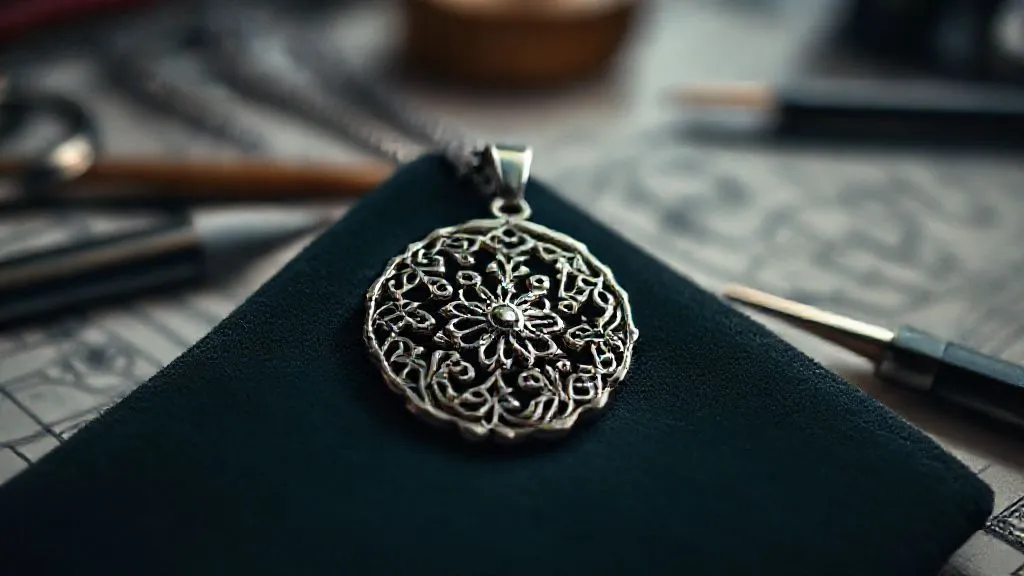
How to Consistently Create Unique Jewelry Designs That Sell?
For over two decades in the intricate world of jewelry design, I've witnessed countless talented artisans pour their heart and soul into their creations, only to see them languish on shelves. The heartbreak of an unsold collection, despite its beauty, is a common narrative in our industry.
The core problem isn't a lack of talent or passion; it's often a disconnect between artistic vision and market demand, a struggle to consistently innovate in a way that truly resonates with customers and translates into sales. Many designers find themselves caught in a cycle of creating what they love, rather than what the market desires, leading to stagnation and frustration.
This article isn't just about making pretty things; it's about crafting a sustainable, profitable design practice. I'll share the actionable frameworks, real-world insights, and strategic approaches I've honed over years, showing you how to consistently create unique jewelry designs that not only captivate but also command a premium and sell robustly.
1. Mastering the Art of Deep Market & Trend Analysis
True uniqueness isn't born in a vacuum; it’s often a sophisticated response to an unmet need or an emerging desire. In my experience, the most successful designers are not just artists; they are astute observers of human behavior and market dynamics.
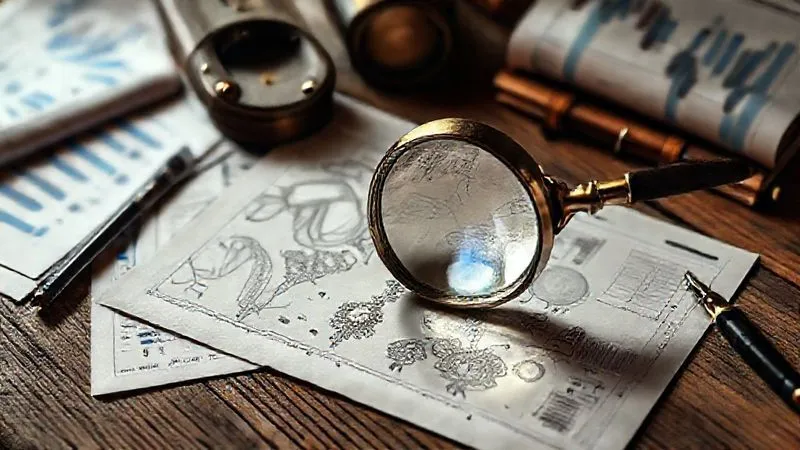
The Nuance of Niche Identification
Before you even sketch a line, understanding your ideal customer and their specific aesthetic desires is paramount. A broad approach often leads to diluted designs that appeal to no one deeply.
- Identify Your Core Audience: Go beyond demographics. What are their values? What stories do they want to tell with their jewelry? What lifestyle do they lead?
- Pinpoint Sub-Niches: Are they minimalists, maximalists, eco-conscious buyers, vintage enthusiasts, or seekers of spiritual symbols? The more specific, the better.
- Analyze Competitor Gaps: What are established brands NOT offering? Where can you introduce a fresh perspective or a superior solution?
- Engage with Potential Customers: Conduct surveys, focus groups, or even informal chats. Ask them about their dream pieces, their frustrations with current offerings, and their aspirational purchases.
Leveraging Data for Design Direction
Data isn't just for spreadsheets; it's a powerful muse. Ignoring market data is like designing blindfolded. Look at what's selling, what's trending, and why.
According to a report by Deloitte, consumer spending on personal luxury goods, including jewelry, is heavily influenced by digital trends and sustainability concerns. This isn't just a fleeting fad; it's a fundamental shift in consumer values. Understanding these macro trends, alongside micro-trends in specific aesthetics or materials, can give your designs a competitive edge. For deeper insights into global luxury market trends, I highly recommend exploring reports from authoritative sources like Deloitte's Global Powers of Luxury Goods.
I've often advised my mentees to create a 'Trend Matrix' to visualize opportunities:
| Trend Category | Current Examples | Opportunity for Uniqueness |
|---|---|---|
| Material Innovation | Recycled Gold, Lab-Grown Diamonds | Sustainable Sourcing, Ethical Narratives |
| Design Aesthetic | Minimalism, Celestial Motifs | Abstract Interpretation, Personalized Constellations |
| Functionality/Wearability | Convertible Pieces, Ergonomic Comfort | Modular Designs, Adaptive Sizing |
| Cultural Influence | Ancient Symbolism, Art Deco Revival | Cross-Cultural Fusion, Modern Reinterpretation |
2. Cultivating a Perpetual Wellspring of Inspiration
The fear of running out of ideas is a common creative block. However, for a truly unique designer, inspiration isn't a lightning bolt; it's a well-maintained garden, continually nurtured and harvested.
Beyond the Obvious: Unconventional Inspiration Sources
If everyone is looking at Pinterest for inspiration, everyone's designs will start to look alike. To truly stand out, you must cast a wider net.
- Explore Non-Jewelry Art Forms: Dive into architecture, sculpture, textiles, ceramics, or even industrial design. How do these disciplines approach form, texture, and light?
- Study Natural Phenomena: The fractal patterns of a fern, the chaotic beauty of a storm, the microscopic world of diatoms – nature is an endless source of complex, organic forms.
- Immerse in Cultural History & Mythology: Every culture has rich visual language and symbolic meanings embedded in its history. How can you respectfully reinterpret these narratives?
- Engage with Science & Technology: From astrophysics to bioluminescence, scientific concepts can inspire novel structures, material uses, or even conceptual themes.
- Practice Mindful Observation: Simply looking at everyday objects with fresh eyes – the way light hits a windowpane, the texture of an old brick wall – can spark unexpected ideas.
"True originality often comes from connecting disparate ideas in novel ways. Don't just look for jewelry inspiration in other jewelry; look for it in everything else."
3. The Power of Signature Aesthetic & Brand Storytelling
Uniqueness isn't just about individual pieces; it's about a consistent, recognizable voice that runs through your entire collection. This is your signature aesthetic, and it's inextricably linked to your brand story.
Crafting Your Unique Design DNA
Think of iconic brands – Tiffany's blue box, Cartier's panther. They have a distinct identity that transcends individual products. Your goal is to develop a similar, albeit personal, design DNA.
This means defining your core design principles: Are you minimalist or ornate? Geometric or organic? Bold or subtle? What materials, textures, and finishes define your work? As Seth Godin, a renowned marketing expert, often emphasizes, your 'story' is not just what you say you are, but what you consistently do and create. Your designs should tell a story even before you speak. His insights on branding and connection are invaluable; check out his blog for more on how to build a brand that resonates: Seth's Blog.
Communicating Your Brand Narrative
Once you have your design DNA, weave it into a compelling narrative. Why do you create? What values do your pieces embody? Who are they for, and what experience do they offer?
- Authenticity: Your story must be genuine. Customers connect with real passion and purpose.
- Consistency: Ensure your brand story is reflected in every touchpoint – from your website to your packaging, and most importantly, your designs.
- Emotion: Great stories evoke feelings. Does your jewelry make people feel empowered, elegant, connected, or joyful?
4. Iterative Prototyping and Feedback Integration
Even the most brilliant design concept needs refinement. The journey from idea to a sellable piece is rarely a straight line. It's a process of creation, testing, learning, and adapting.
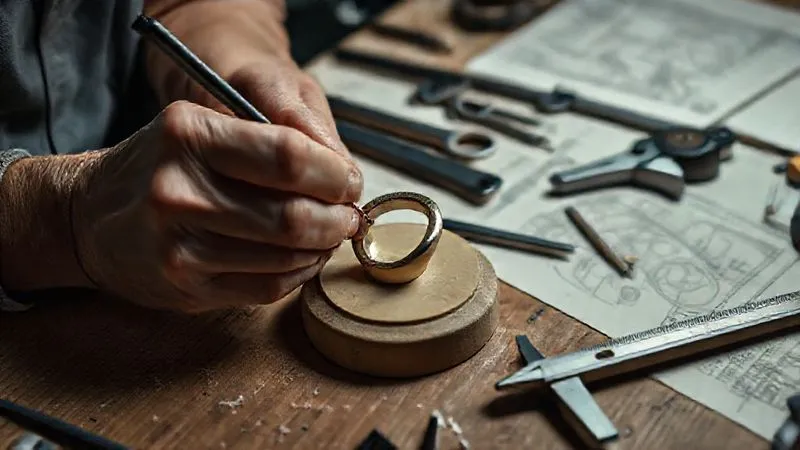
The Iterative Design Cycle Explained
Embrace iteration as a core part of your process. It minimizes risk and maximizes the potential for a truly unique and desirable product.
- Conceptualization & Sketching: Translate your inspiration and market insights into initial designs. Don't censor yourself at this stage.
- Material Exploration & CAD Modeling: Begin to consider materials, scale, and feasibility. Use CAD software to visualize 3D forms and identify potential issues.
- Prototyping (Wax, Resin, or Metal): Create physical models. This is where you test wearability, balance, weight, and how the piece interacts with the body.
- Internal Review & Refinement: Critically assess the prototype. Does it meet your aesthetic and functional goals?
- External Feedback & User Testing: Share prototypes with trusted peers, potential customers, or focus groups. Observe their reactions and listen to their honest feedback.
- Refine & Reiterate: Based on feedback, make necessary adjustments. This cycle might repeat multiple times until the design is perfected.
Case Study: Elysian Gems' Design Evolution
Elysian Gems, a burgeoning bespoke jewelry brand, initially struggled with launching new collections. Their founder, Anya, would design pieces she loved, but often, they didn't resonate with her target market of professional women seeking understated elegance. After implementing a rigorous iterative prototyping and feedback cycle, Anya began creating wax models early, sharing them with a select group of her ideal customers for wearability and aesthetic input. One particular necklace design, initially too heavy and ornate, was simplified and lightened based on feedback. This resulted in a 40% increase in pre-orders for the refined piece compared to previous launches, demonstrating the power of involving the customer in the design journey.
5. Understanding the Psychology of Desire and Perceived Value
Why do people choose one piece of jewelry over another, especially when both are objectively beautiful? The answer often lies in the psychology of desire and the perception of value, which extends far beyond the intrinsic worth of the materials.
Beyond Sparkle: What Truly Drives Purchase Decisions?
Customers don't just buy jewelry; they buy meaning, status, emotional connection, and self-expression. Your unique designs must tap into these deeper motivations.
- Scarcity & Exclusivity: Limited editions, bespoke commissions, or unique one-of-a-kind pieces inherently create a sense of urgency and desirability.
- Emotional Resonance: Does your design evoke a feeling? Is it a symbol of love, strength, memory, or transformation?
- Story & Narrative: As discussed, a compelling story behind the design – its inspiration, its craftsmanship, its purpose – significantly enhances its perceived value.
- Social Proof: When others admire or desire your pieces, it validates the purchase for potential buyers.
- Anticipation & Experience: The entire journey, from discovery to unboxing, contributes to the perceived value.
"People don't buy products; they buy better versions of themselves." - Unknown
Understanding these psychological triggers is crucial. Research from sources like Harvard Business Review often highlights how emotional connections drive customer loyalty and willingness to pay a premium. This isn't about manipulation; it's about authentic connection through design.
6. Strategic Pricing and Positioning for Profitability
Creating unique designs is only half the battle; pricing them correctly to reflect their value and ensure profitability is equally critical. Undervalued unique pieces often struggle to sell because they don't convey the perceived quality or exclusivity they deserve.
| Pricing Strategy | Description | Pros | Cons |
|---|---|---|---|
| Cost-Plus Pricing | Calculating total cost (materials, labor, overhead) and adding a fixed markup percentage. | Simple, ensures cost recovery. | Ignores market value, can undervalue unique pieces. |
| Value-Based Pricing | Setting prices based on the perceived value to the customer, rather than just cost. | Maximizes profit for unique, desirable items, aligns with brand perception. | Requires deep market understanding, subjective. |
| Competitive Pricing | Basing prices on what competitors charge for similar products. | Market-aligned, easy to implement. | Risks price wars, may undervalue truly unique items. |
| Skimming Pricing | Setting high initial prices for new, unique products, then gradually lowering them. | Recoups R&D quickly, creates exclusivity. | Can deter early adopters if value isn't clearly communicated. |
Value-Based Pricing vs. Cost-Plus
For truly unique, artisanal jewelry, I almost always advocate for a **value-based pricing strategy**. While understanding your costs is fundamental, simply adding a markup often fails to capture the true worth of your creative input, your brand story, and the emotional connection your pieces foster.
- Cost-Plus: Good for mass-produced, commodity items.
- Value-Based: Essential for unique, luxury, or emotionally resonant pieces. It accounts for the intangible value – the design skill, the limited availability, the story, the perceived exclusivity, and the joy it brings the wearer.
Market Positioning and Exclusivity
Your pricing strategy must align with your brand's positioning. If you aim for exclusivity and luxury, your prices must reflect that. Don't be afraid to price your unique work appropriately; customers seeking unique pieces often expect and are willing to pay for that distinction.
- Limited Editions: Create a sense of urgency and exclusivity.
- Bespoke Services: Offer custom design to cater to individual desires, commanding premium prices.
- Strategic Collaborations: Partner with other unique brands or artists to create highly sought-after collections.
7. Building a Community of Loyal Collectors
The most enduring success in jewelry design isn't just about selling a piece; it's about cultivating relationships. Loyal collectors aren't just customers; they are advocates, repeat buyers, and a wellspring of referrals.
Engaging Your Audience Beyond the Sale
Your unique designs are the entry point, but your community is the glue that keeps them coming back. This builds trust and long-term value, directly impacting your ability to consistently sell unique pieces.
- Share Your Design Journey: Let your audience peek behind the curtain. Show your sketches, your process, your struggles, and your triumphs. This builds authenticity and connection.
- Host Exclusive Events: Offer private viewings of new collections, workshops, or 'meet the designer' sessions.
- Create a Loyalty Program: Reward repeat customers with special access, discounts on future purchases, or early previews.
- Actively Listen & Respond: Engage with comments on social media, respond to emails, and make customers feel heard and valued.
- Collaborate with Influencers (Authentically): Partner with individuals whose audience genuinely aligns with your brand and who truly appreciate your unique aesthetic.
Remember, a thriving community amplifies your message, provides invaluable feedback, and ensures a consistent demand for your unique creations.
Frequently Asked Questions (FAQ)
Q: How do I avoid my unique designs being copied by competitors? While complete prevention is difficult, focus on building a strong brand identity, registering key designs (where applicable), and continuously innovating. Your brand story and the consistent quality of your work are harder to copy than a single design. Building a loyal community also creates a strong defense, as customers will seek out your originals.
Q: What if my unique designs don't immediately sell? Should I change my style? Not necessarily. First, re-evaluate your marketing and pricing. Are you reaching the right audience? Is your value proposition clear? Sometimes, unique designs take time to gain traction. However, if consistent feedback indicates a fundamental disconnect with market desires, be open to iterative refinement, not a complete overhaul. Your core aesthetic can evolve while maintaining uniqueness.
Q: How can I stay inspired without burning out? Schedule dedicated time for non-design activities – visit museums, read books on diverse subjects, spend time in nature, travel. Deliberately step away from your workbench to refill your creative well. Also, collaborating with other artists or designers can offer fresh perspectives and prevent creative isolation.
Q: Is it better to create many unique pieces or focus on a few signature designs? A balanced approach is often best. A few signature designs can become your brand's iconic pieces, building recognition and consistent sales. Supplement these with limited-edition unique pieces or bespoke commissions to maintain excitement and cater to collectors seeking exclusivity. This strategy ensures both stability and creative freedom.
Key Takeaways and Final Thoughts
- Market-Driven Innovation: Uniqueness that sells is informed by deep understanding of your customer and market trends, not just personal preference.
- Cultivate Inspiration Systematically: Look beyond the obvious for fresh, diverse creative sparks.
- Define Your Design DNA: A consistent signature aesthetic and compelling brand story are crucial for recognition and loyalty.
- Embrace Iteration & Feedback: Refine your designs through prototyping and external input to ensure market resonance.
- Understand Desire: Price and position your unique pieces based on perceived value and emotional connection, not just cost.
- Build Community: Foster relationships with collectors; they are your most valuable asset for sustained success.
The journey to consistently create unique jewelry designs that sell is a marathon, not a sprint. It requires blending artistic passion with strategic business acumen. By embracing these principles, you're not just designing jewelry; you're building a legacy, piece by exquisite piece, that truly resonates and thrives in the marketplace. Go forth and create not just beautiful, but brilliantly sellable, unique designs.
Recommended Reading
- 7 Steps to Regain Customer Trust After Beauty Product Efficacy Complaints
- Stop the Burn: 5 Pro Strategies for Chafing-Free High-Intensity Training
- The Ultimate Guide: How to Properly Fit a Men's Formal Dress Shirt?
- Ultimate Guide: What Innovative Fabrics Minimize Odor in Men's Activewear?
- 7 Proven Strategies: Liquidate Unsold Bridal Gowns Quickly & Profitably

Your email address will not be published. Required fields are marked *