

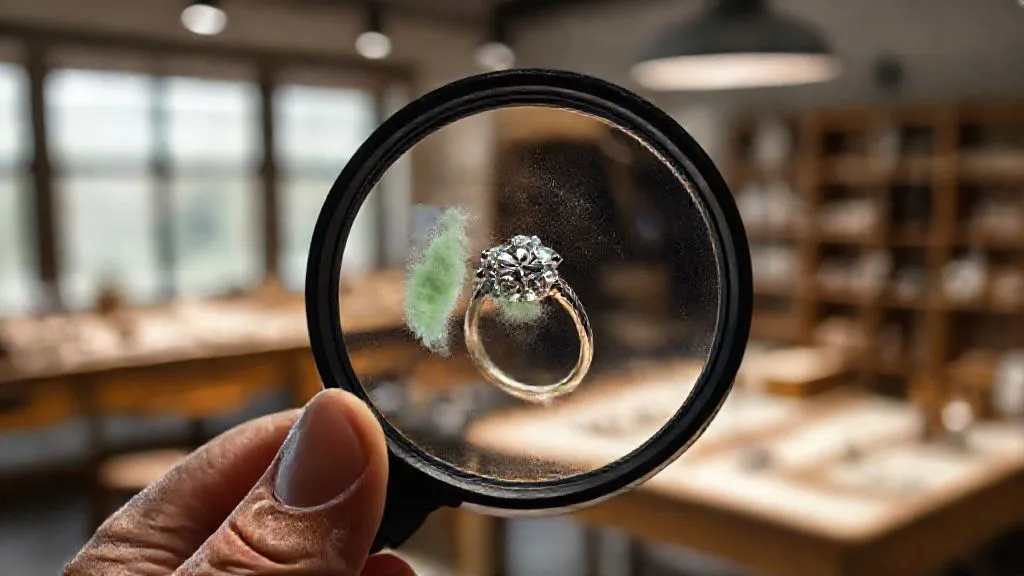
How to Avoid Greenwashing Marketing for Sustainable Jewelry?
For over 15 years immersed in the intricate world of jewelry design and ethical sourcing, I've witnessed a dramatic shift. What was once a niche concern for a handful of conscientious designers has exploded into a mainstream demand for 'sustainable' and 'ethical' jewelry. Yet, this very surge in consumer awareness has inadvertently created a fertile ground for a deceptive practice: greenwashing. It's a frustrating reality when genuine efforts are overshadowed by hollow claims.
The problem is rampant. Consumers, eager to make responsible choices, are bombarded with terms like "eco-friendly," "sustainable," and "ethical" without clear definitions or verifiable proof. This lack of transparency leads to confusion, eroding trust in truly sustainable brands and making it incredibly difficult for you, the conscious buyer, to discern genuine commitment from clever marketing ploys. You want your purchase to reflect your values, but how can you be sure you're not falling for a facade?
Through this definitive guide, I will share my accumulated wisdom and practical frameworks to equip you with the tools to confidently navigate the sustainable jewelry market. We'll go beyond the surface-level claims, delve into the critical questions to ask, and uncover the verifiable evidence that distinguishes truly responsible brands from those merely riding the green wave. My goal is to empower you to make informed decisions, ensuring your beautiful jewelry pieces are as ethical as they are exquisite.
Understanding Greenwashing: The Deceptive Veil
Before we dive into actionable strategies, it's crucial to understand what greenwashing truly entails, particularly within the jewelry sector. It's not just about making false claims; it's often about misleading consumers through vague language, irrelevant certifications, or highlighting a single minor eco-friendly attribute while ignoring significant environmental or social harm elsewhere in the supply chain.
Greenwashing, in essence, is the practice of deceptively presenting an organization's products, aims, or policies as environmentally friendly. In jewelry, it often manifests as a brand using 'eco-chic' aesthetics and language without substantive, verifiable sustainable practices to back it up.
I've seen countless examples where a brand touts its "recycled packaging" while sourcing new, unethically mined gold. Or they might proudly display a "conflict-free" label for diamonds, which, while important, completely bypasses questions of fair labor, environmental impact of mining, or origin traceability. This selective disclosure is a hallmark of greenwashing, designed to make you feel good about a purchase without providing the full, often complex, picture. Understanding this underlying deception is the first step in learning how to avoid greenwashing marketing for sustainable jewelry.
Step 1: Scrutinize Certifications and Standards
Navigating the Labyrinth of Labels
One of the most immediate indicators of a brand's commitment to sustainability lies in its certifications. However, not all certifications are created equal. Some are robust, independently audited, and transparent, while others are little more than self-created badges with minimal oversight. Your task is to differentiate between the two.
- Identify Reputable Certifications: Look for established, third-party certifications like the Responsible Jewellery Council (RJC) Code of Practices, Fairmined, Fairtrade Gold, or certifications for specific materials like SCS Global Services for recycled content. These generally involve rigorous auditing processes.
- Understand Certification Scope: Don't just see a logo; understand what it certifies. Does it cover environmental impact, labor practices, material sourcing, or all of the above? A "conflict-free" diamond certification, for instance, doesn't inherently guarantee fair wages or sustainable mining practices.
- Check for Transparency and Validity: Reputable certifications will often allow you to look up certified businesses on their websites. If a brand claims a certification, verify it directly with the certifying body.
- Beware of Self-Proclaimed Labels: If a brand has created its own "eco-standard" without external verification, approach it with extreme caution. While internal standards can be a good start, they lack the independent oversight necessary for true accountability.
According to the Responsible Jewellery Council, their Code of Practices covers a broad spectrum of ethical, social, and environmental issues, from human rights and labor practices to responsible sourcing and product integrity, providing a comprehensive framework for responsible business conduct in the jewelry supply chain. This holistic approach is what we should seek.
| Certification | Focus Area | Verification Level | Potential Pitfall |
|---|---|---|---|
| Fairmined | Artisanal & Small-Scale Mining (ASM) gold, environmental protection, fair wages, social development | High - Independent third-party audits | Specific to ASM, not large-scale mining |
| Fairtrade Gold | Similar to Fairmined, with a premium for community development | High - Independent third-party audits | Specific to ASM, not large-scale mining |
| Responsible Jewellery Council (RJC) | Broad scope: human rights, labor, environment, product integrity across entire supply chain | High - Independent third-party audits | Can be expensive for small businesses, scope can vary by membership level |
| Kimberley Process (KP) | Preventing 'conflict diamonds' from entering mainstream markets | Moderate - Government oversight, but limited scope | Does not address human rights abuses, child labor, or environmental impact beyond conflict financing |
For more in-depth information on what constitutes a robust certification, I often refer to resources from organizations like the Responsible Jewellery Council (RJC), which offers a robust framework for ethical practices in the jewelry supply chain.
Step 2: Demand Supply Chain Transparency
From Mine to Market: Tracing the Journey
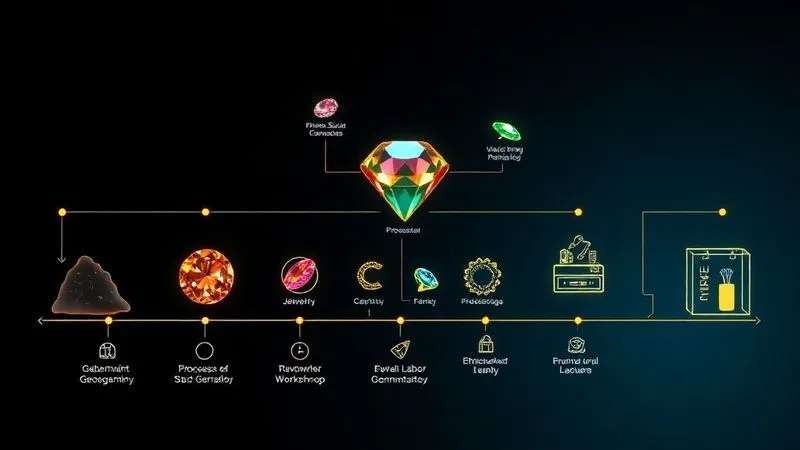
True sustainability in jewelry hinges on transparency throughout the entire supply chain. This means knowing where materials come from, how they are extracted or produced, and every step they take until they reach you. Greenwashing often thrives in opaque supply chains where details are intentionally vague.
- Ask Direct Questions: Don't hesitate to ask brands about the origin of their metals and gemstones. Where was the gold mined? Who cut the diamond? What is the provenance of their colored gemstones?
- Look for Detailed Narratives: Genuine sustainable brands often share detailed stories about their sourcing partners, mining communities, or recycling processes. They highlight the people and places behind their materials, not just a generic "ethically sourced" claim.
- Seek Digital Traceability: Some innovative brands are using blockchain technology or other digital platforms to provide unparalleled transparency, allowing consumers to trace a specific piece of jewelry back to its origin.
- Beware of Geographic Ambiguity: Claims like "sourced from ethical regions" or "globally responsible suppliers" are red flags. Specificity is key. A brand committed to transparency will tell you the country, and ideally, the specific mine or recycling facility.
The ability to trace a piece of jewelry from its raw material origin to its final creation is the bedrock of genuine sustainability. Without it, 'ethical' claims are simply marketing.
In my experience, brands that are truly committed to sustainability are proud to share their supply chain story. They see it as a point of pride, not something to hide. If a brand is evasive or provides only generalized statements, that's a strong indicator they might not be as transparent as they claim.
Step 3: Decode Marketing Language: Beyond Buzzwords
Spotting Vague Claims and Empty Promises
Marketers are masters of language, and greenwashing often relies on carefully chosen words that sound good but lack substance. As a consumer, you need to become a skilled interpreter of these claims, learning to distinguish between verifiable facts and aspirational rhetoric.
- Identify Vague Terms: Be wary of words like "natural," "eco-friendly," "sustainable," "green," "responsible," "good for the planet," or "ethical" when they stand alone without specific, measurable evidence. These are often used as blanket terms to evoke a positive feeling without committing to anything concrete.
- Demand Specificity and Metrics: A truly sustainable brand will quantify its efforts. Instead of "uses recycled materials," they'll say "uses 100% certified recycled 18k gold from XYZ refinery," or "our carbon footprint reduced by X% last year."
- Look for Context and Balance: Is the brand highlighting one small sustainable attribute while ignoring larger issues? This is a classic greenwashing tactic known as "hidden trade-off." For example, focusing solely on using organic cotton bags while employing polluting manufacturing processes.
- Beware of "Green Sheen": Sometimes, brands use nature-inspired imagery, earthy tones, or pastoral scenes in their marketing that have no bearing on their actual environmental practices. This visual greenwashing can be just as misleading as textual claims.
Case Study: How Lumina Gems Shifted from Greenwashing to Genuine Sustainability
Lumina Gems, a mid-sized jewelry brand, initially launched a "Green Collection" promoted with phrases like "eco-conscious diamonds" and "responsibly sourced metals." However, a deeper dive revealed their "eco-conscious diamonds" were merely conflict-free (a baseline legal requirement, not a sustainability achievement) and their "responsibly sourced metals" lacked any third-party certification or specific origin story. Their marketing imagery featured lush forests, despite their manufacturing facility having no renewable energy initiatives.
After facing consumer scrutiny and a dip in trust, Lumina Gems undertook a radical transformation. They partnered with Fairmined certified mines for their gold, invested in SCS Global certified recycled silver, and began offering fully traceable, lab-grown diamonds with detailed energy reports. Their website now clearly outlines their carbon offsetting programs and fair wage policies, backed by annual impact reports. This shift from vague buzzwords to tangible, verifiable actions not only rebuilt consumer trust but also saw their sales of genuinely sustainable lines soar by 40% within two years. This demonstrates the power of transparency in how to avoid greenwashing marketing for sustainable jewelry.
Step 4: Investigate Material Sourcing and Lifecycle
Beyond 'Recycled': Understanding True Circularity
The materials themselves are at the heart of sustainable jewelry. It's not enough for a brand to say "recycled"; you need to understand the nuances of what that means and how it contributes to a truly circular economy.
- Recycled Metals: Is it pre-consumer (scrap from manufacturing) or post-consumer (melted down old jewelry, electronics)? Post-consumer recycled content generally has a higher environmental benefit. Ask about the refiner's certifications (e.g., RJC Chain of Custody certification for recycled gold).
- Ethically Sourced Gemstones:
- Diamonds: Go beyond Kimberley Process. Look for Canadian diamonds (known for stricter environmental/labor laws), Australian diamonds, or diamonds certified by independent organizations like the Responsible Jewellery Council.
- Lab-Grown Diamonds: While inherently conflict-free, their sustainability depends on the energy source used for growth. Ask if the lab uses renewable energy.
- Colored Gemstones: This is often the most opaque sector. Look for Fairmined or Fairtrade certified gemstones, or brands that work directly with small-scale miners with transparent practices.
- Alternative Materials: Explore brands using innovative materials like responsibly sourced wood, ethically harvested pearls, or upcycled components. Understand their full lifecycle impact.
- Packaging and Shipping: Does the brand use recycled, recyclable, or compostable packaging? Do they offer carbon-neutral shipping options? This extends the sustainability conversation beyond the product itself.
According to a report by Deloitte, consumer preference for sustainable options is growing, with a significant portion willing to pay more for products that are environmentally friendly and ethically produced. This underscores the market demand for genuine sustainable practices.
Step 5: Evaluate Brand's Holistic Environmental & Social Impact
Looking Beyond the Product: The Company Ethos
A truly sustainable jewelry brand doesn't just focus on its materials; its entire operation reflects a commitment to environmental stewardship and social equity. Greenwashing often fixates on a single "green" product feature while overlooking the broader corporate footprint.
- Energy Consumption: Does the brand use renewable energy in its workshops or offices? Do they have energy efficiency programs in place?
- Waste Management: What are their policies on waste reduction, recycling, and safe disposal of chemicals used in manufacturing?
- Water Usage: Are they implementing water-saving technologies or responsible water management practices, especially if they have manufacturing facilities?
- Fair Labor Practices: Beyond just "no child labor," do they pay living wages, provide safe working conditions, offer benefits, and support community development for all employees, from miners to bench jewelers?
- Community Engagement: Do they invest in the communities where their materials are sourced or where their products are made?
- Carbon Footprint: Do they measure, report, and actively work to reduce their carbon emissions, perhaps through offsetting programs?
I always advise looking at a brand's "About Us" or "Sustainability" page with a critical eye. Do they provide specific details and data, or just broad mission statements? Genuine commitment is usually backed by measurable actions and transparent reporting.

Step 6: Leverage Third-Party Verification & Industry Watchdogs
Who's Holding Brands Accountable?
You don't have to navigate the sustainable jewelry landscape alone. There are numerous organizations, publications, and consumer groups dedicated to holding brands accountable and guiding consumers toward genuinely ethical choices. These are invaluable resources in learning how to avoid greenwashing marketing for sustainable jewelry.
- Ethical Directories and Guides: Websites and publications that curate lists of ethical and sustainable brands often conduct their own research and vetting. Examples include Ethical Consumer, Good On You (though broader fashion, some jewelry is covered), or specific jewelry-focused ethical guides.
- Non-Governmental Organizations (NGOs): Organizations focused on human rights, environmental protection, or responsible mining often publish reports and provide insights into industry practices. Look for reports from Amnesty International, Human Rights Watch, or environmental groups specific to mining.
- Independent Media and Investigative Journalism: Support and read investigative pieces that delve into supply chain issues within the jewelry industry. These often expose greenwashing tactics that brands try to hide.
- Consumer Reviews and Forums: While not always definitive, aggregated consumer experiences and discussions in online communities can offer valuable insights into a brand's real-world practices and customer service around sustainability claims.
As marketing expert Seth Godin often emphasizes, "Trust is earned, not bought." Brands that genuinely commit to sustainability will have their claims reinforced by independent voices, not just their own marketing departments. Seek out these external validations.
For additional resources and insights into ethical consumerism, I recommend exploring platforms like Ethical Consumer Australia (or similar regional bodies), which provide detailed company ratings based on environmental and social impact.
Step 7: Cultivate Your Critical Consumer Mindset
Empowering Yourself in the Sustainable Jewelry Market
Ultimately, the power to avoid greenwashing lies with you, the informed consumer. By adopting a critical and inquisitive mindset, you become a force for positive change in the jewelry industry. Don't take claims at face value; question everything.
- Research Before You Buy: Make it a habit to research brands thoroughly before making a purchase. Look beyond their homepage; explore their "About Us," "Sustainability," and "FAQ" sections.
- Ask Questions Directly: If a brand's website lacks clarity, reach out to their customer service. Their willingness and ability to provide detailed answers are telling.
- Share Your Findings: When you discover a truly sustainable brand, share your positive experience. Conversely, if you uncover greenwashing, consider sharing your concerns (respectfully and factually) to help other consumers.
- Educate Yourself Continuously: The landscape of sustainability is constantly evolving. Stay informed about new certifications, ethical sourcing methods, and emerging challenges in the jewelry industry.
Your purchasing power is immense. Every dollar you spend with a genuinely sustainable brand sends a clear message to the industry: consumers demand transparency, ethics, and true environmental responsibility. By actively applying these steps, you're not just buying jewelry; you're investing in a better future for the planet and its people.
Frequently Asked Questions (FAQ)
Is lab-grown always sustainable? Not inherently. While lab-grown diamonds avoid the social and environmental issues of traditional mining, their sustainability heavily depends on the energy source used in their creation. If grown using renewable energy (solar, hydro, wind), they can be significantly more sustainable. If grown using fossil fuels, their carbon footprint might be comparable to or even higher than some mined diamonds. Always ask about the energy source.
How do I know if a brand's 'recycled gold' is legitimate? Legitimate recycled gold should be certified, often by bodies like the Responsible Jewellery Council (RJC) or SCS Global Services. Look for explicit mentions of post-consumer recycled content versus pre-consumer (which is common industrial scrap). Brands should be able to provide details about their refinery and its certifications. If they can't, it's a red flag.
What's the difference between "conflict-free" and "fair-mined"? "Conflict-free" primarily refers to diamonds free from association with rebel groups funding civil wars, as defined by the Kimberley Process. It does not address human rights abuses, child labor, or environmental impact. "Fairmined" (and Fairtrade Gold) is a much broader certification focused on artisanal and small-scale mining (ASM), ensuring strict environmental standards, fair wages, safe working conditions, and community development. Fairmined gold is always conflict-free, but conflict-free diamonds are rarely Fairmined.
Can small independent jewelers be more sustainable than big brands? Often, yes. Small independent jewelers frequently have shorter, more direct supply chains, allowing for greater control and transparency. They might work directly with specific miners or refiners they trust, use local workshops, and have a more hands-on approach to ethical sourcing. While big brands have resources for certifications, small brands can build sustainability into their core ethos more organically. Always ask about their specific practices, regardless of size.
What if a brand has no certifications? Does that mean they're greenwashing? Not necessarily. Certifications can be expensive and complex, especially for small businesses. A brand might be genuinely sustainable but unable to afford or navigate the certification process. In such cases, they should still be able to provide detailed, verifiable information about their sourcing, labor practices, and environmental efforts. Look for transparency, detailed stories, and direct communication with their suppliers. Lack of certification means you need to dig deeper, not automatically assume greenwashing.
Key Takeaways and Final Thoughts
Navigating the sustainable jewelry market requires diligence, critical thinking, and a commitment to looking beyond the glossy marketing. Greenwashing is a persistent challenge, but armed with the right knowledge, you can become an empowered and effective advocate for genuine sustainability.
- Verify Every Claim: Don't take "eco-friendly" at face value. Demand proof through certifications, supply chain transparency, and specific data.
- Look Holistically: Assess a brand's entire operation – from materials to labor and environmental footprint – not just one isolated "green" feature.
- Educate and Engage: Continuously learn about sustainable practices and don't hesitate to ask brands tough questions. Your inquiries drive change.
- Support the Genuine: Direct your purchasing power towards brands that demonstrate verifiable, comprehensive commitments to ethical and environmental responsibility.
The journey towards a truly sustainable jewelry industry is ongoing, and your role as a conscious consumer is more vital than ever. By applying the strategies I've outlined, you're not just protecting your investment; you're helping to shape a future where beauty and ethics are inextricably linked, ensuring that every piece of jewelry tells a story of integrity and true responsibility. Let's champion transparency together, transforming the market one informed choice at a time.
Recommended Reading
- 5 Reasons Customers Abandon AR Try-On: Fix Your Fashion Tech Leaks
- Stop Runner's Knee: 5 Footwear Selection Rules for Lasting Comfort
- 7 Steps: Quickly Authenticate Vintage Hermès Birkin Hardware
- Unlock Effortless Elegance: How to Master Casual Chic Style for Any Occasion
- Mastering Elegance: Your Ultimate Guide to a Thorough Luxury Fashion Review




Your email address will not be published. Required fields are marked *