

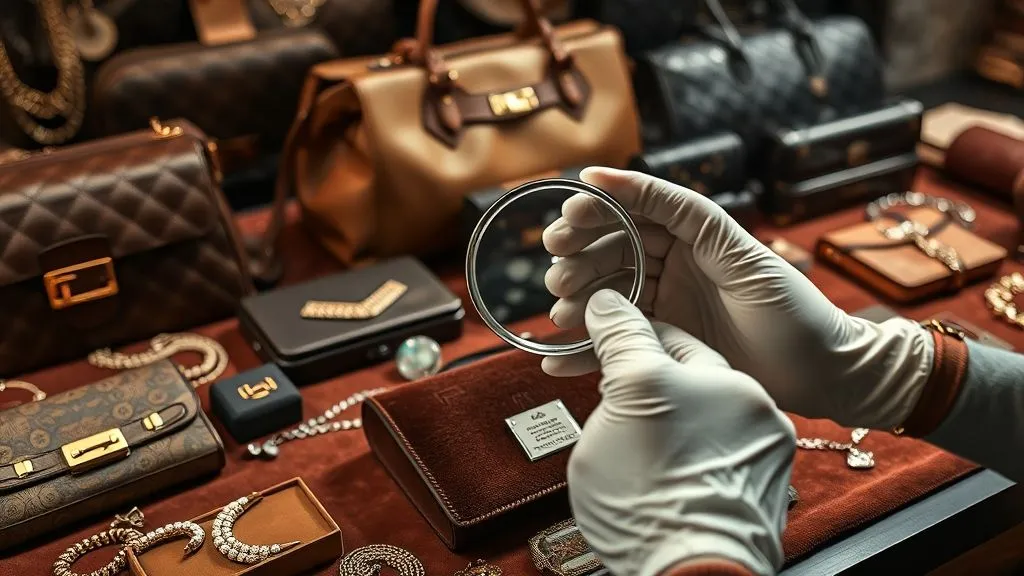
How to Authenticate Designer Vintage Pieces from Fakes?
For over two decades immersed in the thrilling, often cutthroat, world of vintage fashion, I've witnessed the sheer joy of unearthing a true gem and the crushing disappointment of discovering a well-crafted fake. It’s a landscape where passion meets peril, and the allure of a bygone era can sometimes blind even the most seasoned collector.
The problem, as I see it, is a growing sophistication in counterfeiting that makes distinguishing genuine designer vintage from a replica increasingly challenging. The internet, while a boon for discovery, has also become a fertile ground for these elaborate deceptions, leaving enthusiasts vulnerable and their investments at risk.
This article isn't just a guide; it's a deep dive into the actionable frameworks and expert insights I've developed and refined over years of handling countless pieces. You'll learn how to approach authentication with a forensic eye, transforming uncertainty into confidence when you ask: How to authenticate designer vintage pieces from fakes?
The Foundation: Brand-Specific Knowledge is Power
Before you even touch a piece, your greatest tool is knowledge. Every major designer house has its unique fingerprint, a consistent design language that evolves but always retains core elements. This is your starting point.
Understanding Brand DNA and Production Epochs
Each era brought distinct materials, hardware, stamps, and even stitching patterns. A thorough authenticator doesn't just look for a logo; they understand the brand's history.
- Chanel: Did the CC lock change over time? What about the serial sticker placement and format for specific decades?
- Hermès: Which leathers were common in the 70s versus the 90s? How did their date stamps and blind stamps evolve?
- Louis Vuitton: When did they start using date codes, and what did they look like in different factories?
“The most insidious fakes aren't just copies; they're historical inaccuracies. A true expert knows when a design element simply doesn't belong to the purported era.”
I always recommend diving into brand-specific forums, official archives (if available), and reputable collector's books. This foundational research will make you far more discerning than someone simply looking for an 'authentic' tag.
Scrutinizing the Craftsmanship: Beyond the Surface
Luxury isn't just about design; it's about unparalleled quality. Fakes often cut corners in ways that are visible to a trained eye, even if subtle.
Examining Stitching, Seams, and Edges
This is where many fakes fall apart, literally. High-end vintage pieces boast impeccable, consistent stitching.
- Stitch Count & Consistency: Count stitches per inch on genuine items. Fakes often have fewer, uneven stitches. For example, vintage Chanel bags typically have 10-12 stitches per inch on quilted areas.
- Thread Quality: Genuine pieces use high-quality, often waxed, threads that lie flat and don't fray easily.
- Edge Finishing: Look for clean, smooth, often hand-painted or rolled edges. Fakes frequently show sloppy, peeling, or rough edges.
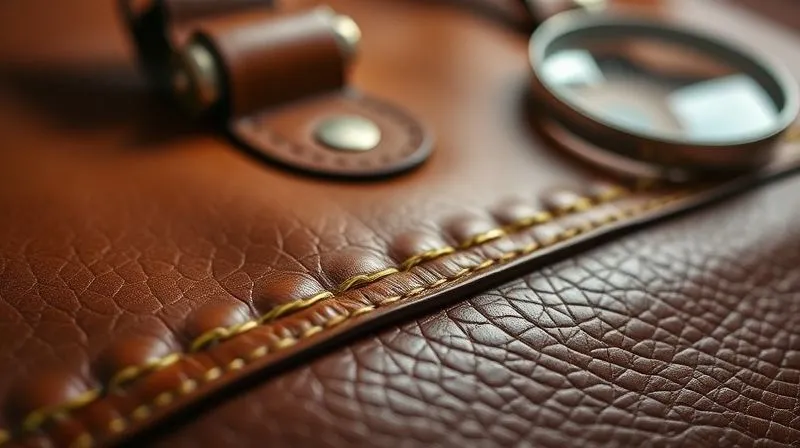
According to a report by the Global Brand Counterfeiting Report, the luxury goods market loses billions annually, a testament to the sophistication of fakes. However, their Achilles' heel is almost always in the details of production.
Hardware and Zippers: The Weight of Authenticity
Hardware is expensive to reproduce authentically. Luxury brands invest heavily in custom-made, durable, and often weighty hardware. This is a critical area when learning how to authenticate designer vintage pieces from fakes?
Key Indicators in Metalwork and Fastenings
Feel the weight, examine the finish, and check for brand engravings.
- Weight and Feel: Genuine hardware feels substantial, solid, and often has a satisfying 'clink.' Fakes are often hollow, light, and cheap-feeling.
- Finish Quality: High-quality plating or solid metals show no chipping, bubbling, or uneven coloration, even with age. Look for crisp, clean engravings, not blurry or shallow ones.
- Zipper Brands: Many vintage designer pieces used specific, high-quality zipper brands like Lampo, Riri, YKK (high-end versions), or branded zippers. Research which brands were used by the designer in the specific era of the piece you're examining.
Case Study: The 'Hermès' Bracelet with a Lightweight Flaw
I once had a client bring in what they believed was a vintage Hermès Collier de Chien bracelet. It looked fantastic at first glance – the leather was good, the studs were convincing. However, as soon as I picked it up, I knew. The metal hardware, particularly the Médor studs and the ring, felt noticeably lighter than an authentic piece from the 1980s. When I examined the engraving on the clasp, it was slightly less deep and precise than expected. This subtle difference in weight and engraving quality, though minor to an untrained eye, was the definitive telltale sign of a very good, but ultimately fake, replica. The client, initially heartbroken, was grateful for the saving of their investment.
Logos, Stamps, and Date Codes: The Brand's Signature
These are the brand's official identifiers. Understanding their evolution and placement is paramount.
Deciphering Internal Markings
Every brand has its own system, and consistency is key.
- Logo Placement & Font: Is the logo exactly where it should be for that model and era? Is the font, spacing, and size correct? Compare with verified authentic examples.
- Heat Stamps & Embossing: Genuine heat stamps are usually crisp, clean, and evenly pressed. Fakes can be blurry, uneven, or appear 'painted' on.
- Date Codes/Serial Numbers: Research the specific format, location, and meaning of date codes for the brand and era. For example, vintage Louis Vuitton date codes tell you where and when an item was made.
| Brand | Vintage Era | Serial Number Format | Common Placement |
|---|---|---|---|
| Chanel | 1980s-1990s | 7-digit sticker with CC logo | Inside pocket/lining |
| Louis Vuitton | 1980s-1990s | 2 letters (factory) + 3-4 digits (date) | Inside pocket/strap |
| Hermès | 1960s-Present | Single letter + optional shape (date code) | Behind clochette/inside strap |
As Seth Godin often emphasizes in his work on brand trust, authenticity isn't just about the product, but the verifiable story behind it. Date codes and stamps are integral parts of that story.
Material Quality: The Touch and Smell Test
Luxury materials have a distinct feel, smell, and even sound. This is where your senses come into play.
Assessing Leather, Fabric, and Lining
Don't underestimate the power of tactile and olfactory examination.
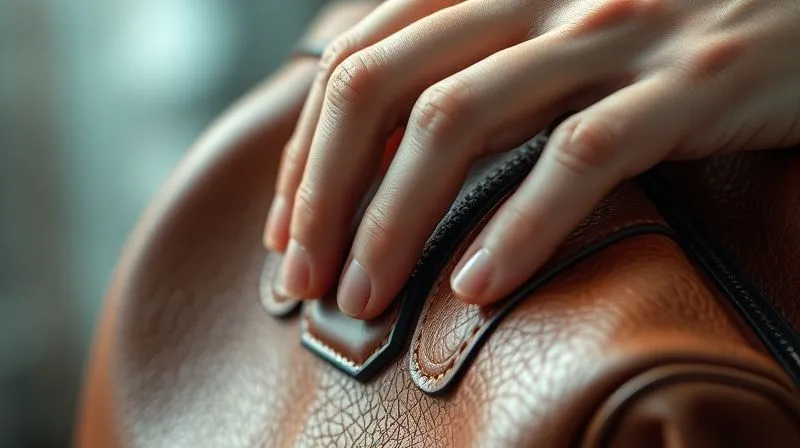
- Leather: Genuine vintage leather (e.g., lambskin, calfskin, exotic leathers) has a unique smell, a soft yet durable feel, and often develops a beautiful patina over time. Fakes often smell chemical, feel plasticky, or are too stiff/flimsy.
- Fabric: For textiles like vintage silk scarves or tweed jackets, examine the weave, drape, and print clarity. High-quality fabrics feel luxurious and show intricate, precise patterns.
- Lining: Even the interior lining of a designer bag will be of high quality, often silk, suede, or a durable canvas, with proper stitching and finish. Fakes often use cheap, crinkly, or poorly installed lining.
Seller Reputation and Provenance: Trust, But Verify
While the item itself is paramount, the source of the item can provide crucial clues about its authenticity. This is a vital step in learning how to authenticate designer vintage pieces from fakes?
Evaluating the Source and Its History
A reputable seller is often your first line of defense.
- Seller Reviews & History: On platforms like eBay or Vestiaire Collective, always check the seller's feedback, how long they've been selling, and if they specialize in vintage luxury.
- Provenance: Does the seller offer any history about the item? Was it bought from a specific boutique? Does it come with original dust bags, boxes, or receipts? While these can be faked, they add to the overall picture.
- Authentication Services: Many reputable vintage dealers use third-party authentication services like Entrupy or Real Authentication. Ask if the item has been authenticated by such a service.
According to a study published in the Journal of Retailing and Consumer Services, consumer trust in online sellers is heavily influenced by transparent communication and verifiable product information.
The 'Too Good to Be True' Test: Pricing and Availability
This isn't authentication of the item itself, but rather a crucial red flag for potential fakes.
Realistic Expectations for Vintage Luxury
If the price is significantly lower than market value for a rare or highly sought-after item, exercise extreme caution.
“The vintage luxury market is driven by rarity and condition. A pristine, iconic piece at a rock-bottom price is almost always a trap.”
Research comparable sales, not just listed prices. Understand the market value for the specific brand, model, condition, and era. If a vintage Chanel flap bag from the 90s is listed for $500 when similar items are selling for $3000+, it's highly likely to be a fake.
When in Doubt: Seek a Professional Authenticator
Even with all your acquired knowledge, some fakes are so sophisticated they require professional tools and expertise. Don't be afraid to outsource.
Leveraging Third-Party Authentication Services
These services use a combination of expert knowledge, databases, and sometimes AI to verify authenticity.
- Specialized Knowledge: Professional authenticators handle thousands of items and have an unparalleled database of genuine and fake examples.
- Advanced Tools: Some services use microscopes, UV lights, and AI algorithms to detect minute discrepancies undetectable to the naked eye.
- Peace of Mind: The cost of authentication is a small price to pay compared to the loss of investing in a fake.
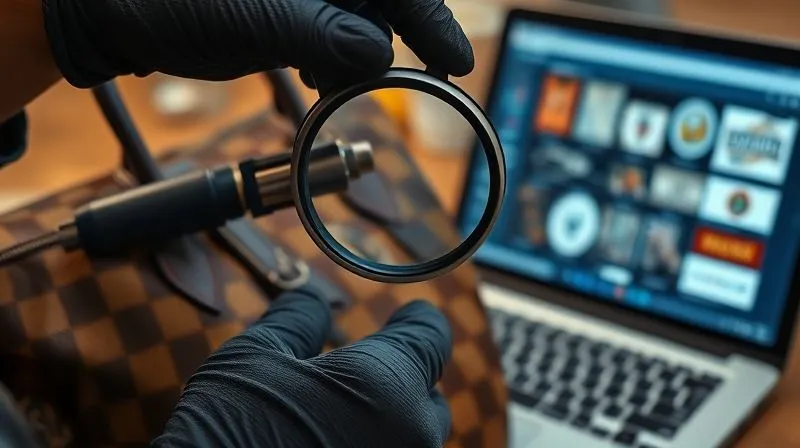
Companies like Authenticate First or Entrupy offer services that can provide definitive answers, often with certificates of authenticity. Always choose a service with a strong reputation and good reviews.
Frequently Asked Questions (FAQ)
Q: Can a vintage item still be authentic if it has some wear and tear? Absolutely! Wear and tear are part of a vintage item's charm and history. In fact, fakes often try to look 'too perfect' or show wear in unnatural ways. Authentic vintage pieces will show wear consistent with age and use, like softening leather, slight fading, or minor scratches on hardware. The key is that the underlying craftsmanship and materials remain high quality despite the age.
Q: Are dust bags and authenticity cards reliable indicators of authenticity? Not on their own. While genuine items often come with these accessories, they are also easily replicated. A fake bag can come with a very convincing fake dust bag and card. Always prioritize the item itself – its construction, materials, hardware, and internal markings – over accessories. They are supplementary, not definitive, proof.
Q: How quickly do counterfeiters adapt to new authentication methods? Counterfeiters are constantly evolving, often mimicking new security features or adapting their production methods. This is why staying updated on brand-specific changes and relying on multiple authentication points (not just one 'tell') is crucial. What worked to spot a fake five years ago might not work today. Continuous learning is key in this game.
Q: Is it possible to authenticate a vintage piece from photos alone? It's possible to get a strong indication, but it's rarely definitive. High-resolution, detailed photos of all angles, stitching, hardware, serial numbers, and materials are essential for an initial assessment. However, tactile elements like the feel of the leather, the weight of the hardware, and subtle smells can only be assessed in person. Professional authenticators often require physical inspection for a guaranteed verdict.
Q: What are the biggest red flags for a beginner looking to buy vintage designer? For beginners, the biggest red flags are 'too good to be true' prices, sellers with zero or poor feedback, items described with vague or generic language, and sellers who refuse to provide additional photos or answer specific questions. If a seller is defensive or evasive, walk away. Always trust your gut feeling if something feels off.
Key Takeaways and Final Thoughts
Navigating the vintage luxury market requires a blend of passion, patience, and a forensic eye. The question of how to authenticate designer vintage pieces from fakes? isn't a simple yes or no; it's a journey through meticulous detail and brand-specific history.
- Educate Yourself: Immerse yourself in brand history, specific models, and production nuances of your target designers.
- Scrutinize the Details: Pay obsessive attention to stitching, hardware, materials, and internal markings.
- Vet the Seller: A reputable source with a transparent history is invaluable.
- Trust Your Instincts: If a deal seems too good, it probably is.
- When in Doubt, Outsource: Don't hesitate to use professional authentication services for peace of mind.
Your journey into vintage fashion should be one of joy and discovery, not anxiety. By adopting these expert strategies, you're not just buying a piece of history; you're safeguarding your investment and ensuring that the stories these beautiful items carry are genuinely authentic. Happy hunting, and may your vintage finds always be true gems!
Recommended Reading
- Innovate Street Style: 8 Proven Strategies to Halt Audience Fatigue
- Boost Your Fashion Blog Income 50%: Traffic-Free Monetization Hacks
- Unlock the Secret: How to Make Unique Jewelry Designs Truly Stand Out
- Scaling Unique Handcrafted Jewelry: 7 Proven Strategies for Growth
- Is Virtual Try-On Accurate for Clothes? The Surprising Truth!

Your email address will not be published. Required fields are marked *