

How to Authenticate a 1950s Haute Couture Dress for Resale?
After two decades immersed in the intricate world of vintage fashion, I've witnessed countless treasures pass through my hands. From forgotten masterpieces to cleverly disguised reproductions, the journey of authentication is a delicate dance between historical knowledge, keen observation, and an almost intuitive understanding of a garment's soul. It's an art form in itself, especially when dealing with the pinnacle of post-war glamour: 1950s haute couture.
The allure of a genuine 1950s haute couture dress is undeniable, but so is the risk. Without proper authentication, a significant investment could turn into a costly mistake, or worse, a truly valuable piece could be tragically undervalued. The market for authenticated vintage couture is robust, but the discerning buyer demands certainty, and for good reason: the difference between a high-quality ready-to-wear piece and a true couture garment can be tens of thousands of dollars.
This comprehensive guide is designed to equip you with the expert frameworks and actionable steps I've honed over the years. We'll delve deep into the nuances of 1950s haute couture, from the unmistakable hallmarks of its construction to the subtle clues hidden within its labels and provenance. By the end, you'll possess the knowledge to confidently identify and value these exquisite pieces, ensuring you maximize their resale potential and contribute responsibly to the preservation of fashion history.
Understanding the Golden Age: What Defines 1950s Haute Couture?
The 1950s ushered in a magnificent era for fashion, particularly for haute couture. Emerging from the austerity of wartime, designers embraced opulence, femininity, and meticulous craftsmanship, creating garments that celebrated the female form with unprecedented artistry. To truly authenticate a 1950s haute couture dress, one must first grasp the foundational principles that defined this golden age.
The Post-War Renaissance and New Look
Christian Dior's 'New Look,' launched in 1947, wasn't just a collection; it was a revolution that profoundly shaped the 1950s aesthetic. Characterized by rounded shoulders, a cinched waist, and a full, voluminous skirt, it dramatically moved away from wartime utilitarianism. This silhouette, alongside more columnar and sophisticated sheath dresses, became synonymous with the decade's elegance, influencing even those couture houses that maintained their own distinct signatures.
Key Designers and Their Signatures
While Dior dominated, other couturiers like Cristóbal Balenciaga, Coco Chanel, Hubert de Givenchy, and Jacques Fath each contributed unique visions. Balenciaga was a master of architectural forms and innovative cuts, often described as a 'couturier's couturier.' Chanel, ever the pragmatist, continued to refine her signature tweed suits and elegant simplicity. Givenchy, a protégé of Fath, introduced a youthful sophistication, while Fath himself was known for his dramatic, often theatrical designs.
In my experience, understanding a designer's specific techniques and aesthetic philosophy is paramount. A Dior 'New Look' dress will have a different internal architecture than a Balenciaga sheath, and recognizing these nuances is a key authentication step.
Hallmarks of 1950s Silhouette and Style
Beyond the 'New Look,' the 1950s offered a spectrum of sophisticated silhouettes. These included the elegant sheath dress, the 'wiggle' dress, the ball gown, and various skirt styles like the pencil, A-line, and full circle. Understanding these dominant shapes helps in immediately dating a garment and assessing its potential couture origins.
- Defined Waistlines: Whether cinched, dropped, or natural, the waist was almost always a focal point.
- Voluminous Skirts: Often achieved with layers of petticoats, crinoline, or heavy fabrics.
- Structured Bodices: Frequently boned or meticulously tailored to create a desired shape.
- Refined Necklines: Boat necks, scoop necks, sweetheart necklines, and elegant collars were common.
- Luxurious Fabrics: A hallmark of couture, as we'll discuss further.
The First Line of Defense: Label and Provenance Verification
The label is often the first clue, but it's rarely the definitive answer. A genuine 1950s haute couture dress requires far more scrutiny than simply reading a name. This is where the true detective work begins, blending visual analysis with historical research.
Authenticating Designer Labels and Tags
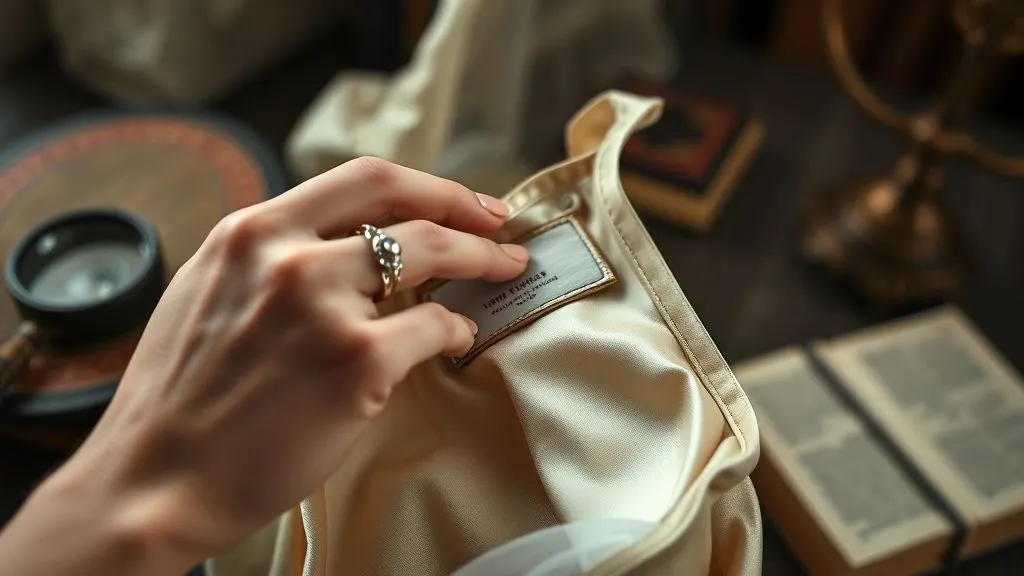
Couture labels from the 1950s were distinct. They were typically hand-stitched, often on silk or satin, and featured specific fonts and branding unique to each house. It's crucial to research the exact label styles used by a particular designer during that specific decade. Variations existed for different lines (e.g., haute couture vs. ready-to-wear, boutique lines), and knowing these distinctions is vital.
- Stitching Quality: Look for meticulous hand-stitching securing the label, often with tiny, even stitches.
- Material: Labels were typically silk, satin, or fine cotton, never synthetic or cheap materials.
- Font and Design: Compare the font, logo, and overall design with authenticated examples from reputable archives or auction houses.
- Placement: Labels were usually sewn at the center back neckline or waistline.
For an excellent resource on vintage labels, I often recommend consulting The Vintage Fashion Guild's Label Resource. It's an invaluable tool for cross-referencing.
The Importance of Provenance and Documentation
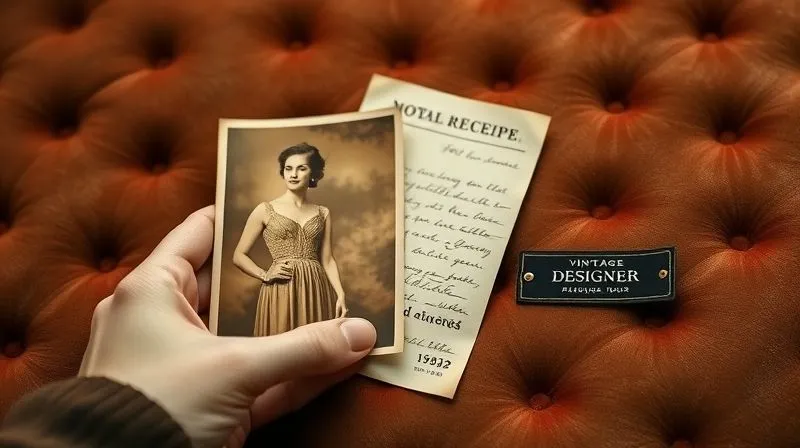
Provenance – the documented history of ownership – is perhaps the strongest indicator of authenticity and value. A couture dress often comes with a story: who wore it, when, and where it was purchased. Original sales receipts, photographs of the garment being worn by a known individual, or even letters from the original owner can significantly bolster a claim of authenticity and increase resale value.
I once handled a Chanel suit from the 1950s that, while beautiful, lacked any definitive provenance. Its sister suit, however, came with original receipts and a newspaper clipping of the owner wearing it to a prominent social event. The latter sold for nearly three times the price, purely due to its verifiable history.
Identifying Couture House Numbers and Markings
True haute couture garments from the 1950s often feature unique internal markings. Many couture houses, like Dior and Balenciaga, assigned a unique serial or production number to each dress. This number would be hand-written or stamped on a small tape or label, often hidden within a seam or on the main label itself. Cross-referencing these numbers with house archives (where accessible) can provide definitive proof of origin.
Case Study: The "Lost" Balenciaga Gown
Several years ago, a client brought me a seemingly nondescript black cocktail dress, purchased for a modest sum at an estate sale. It bore a faded Balenciaga label, but its construction felt unusually simple for couture. Upon close inspection, tucked into the lining of the inner bodice, I discovered a tiny, hand-stitched tape with a series of numbers: '54-12345.' This was a Balenciaga house number, indicating it was the 12,345th garment produced in 1954. A quick consultation with a contact at the Balenciaga archives confirmed its authenticity as a specific, documented cocktail dress. This piece, originally overlooked, was authenticated as a true Balenciaga couture garment and later resold for over $30,000, illustrating the immense power of these hidden details.
Unpacking the Garment: Fabric, Construction, and Finishing
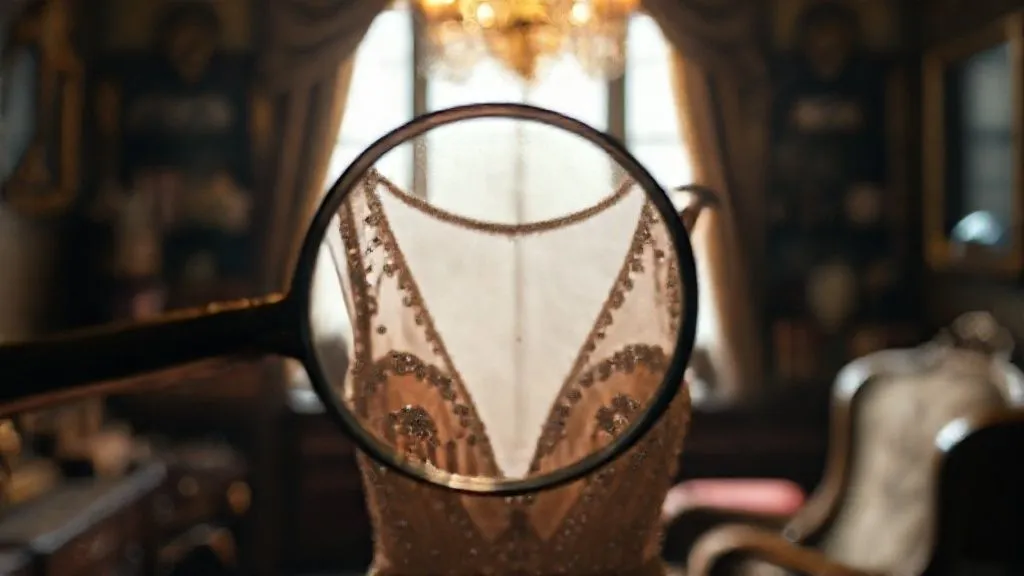
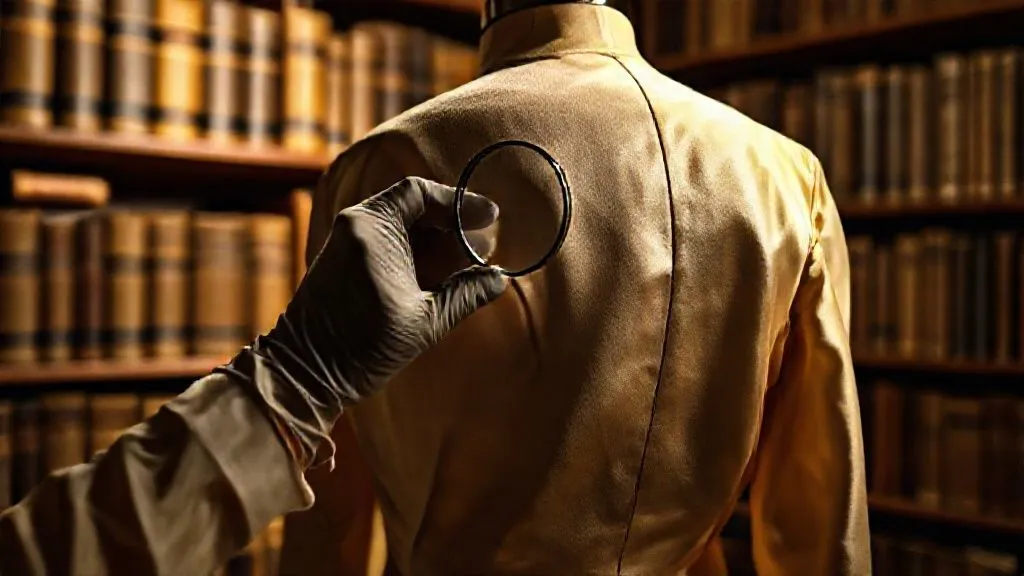
The true soul of a 1950s haute couture dress lies in its internal architecture and the quality of its materials. This is where the expert eye truly differentiates a masterpiece from a mere imitation. This stage requires a tactile and detailed examination, often with a magnifying glass.
Identifying Period-Appropriate Fabrics
Couture houses of the 1950s had access to the finest textiles in the world. Synthetics were rare in high fashion, often reserved for linings or specific structural elements. Expect natural fibers of exceptional quality.
- Silk: Heavy silk satins, duchess satins, silk taffeta, silk organza, and raw silk were staples for their luxurious drape and sheen.
- Wool: Fine wool crepes, worsteds, and bouclés (especially for Chanel suits) were common, chosen for their structure and warmth.
- Brocade & Damask: Richly patterned fabrics, often with metallic threads, used for evening wear and formal gowns.
- Velvet: Silk velvet, opulent and soft, was a luxurious choice for evening.
- Lace: Chantilly, Alençon, and Valenciennes laces, often hand-applied, were signs of exceptional quality.
Be wary of fabrics that feel overly synthetic, are too thin, or lack the inherent richness and weight characteristic of 1950s couture. The way the fabric drapes and moves is also a key indicator.
| Fabric Type | 1950s Couture Characteristic | Red Flag/Imitation |
|---|---|---|
| Silk Satin | Heavy, lustrous drape; rich hand-feel | Thin, slippery, synthetic feel, dull sheen |
| Wool Crepe | Fine weave, excellent drape, soft yet structured | Coarse, itchy, overly stiff or flimsy |
| Brocade | Intricate, often raised patterns; luxurious weight | Flat, printed pattern; lightweight, synthetic shimmer |
| Lace | Delicate, hand-stitched, intricate motifs | Machine-made, coarse, repetitive, poorly attached |
The Art of Hand-Stitching and Internal Construction
This is arguably the most critical aspect of authenticating a 1950s haute couture dress. Couture means 'sewn by hand,' and while machines were used for some long, straight seams, the vast majority of internal finishing, detail work, and intricate shaping was done by hand. This level of craftsmanship is almost impossible to replicate in mass production.
True couture garments are built from the inside out. The internal construction – linings, interlinings, boning, and pads – is often more complex and beautifully executed than the exterior, designed to sculpt the body and support the silhouette.
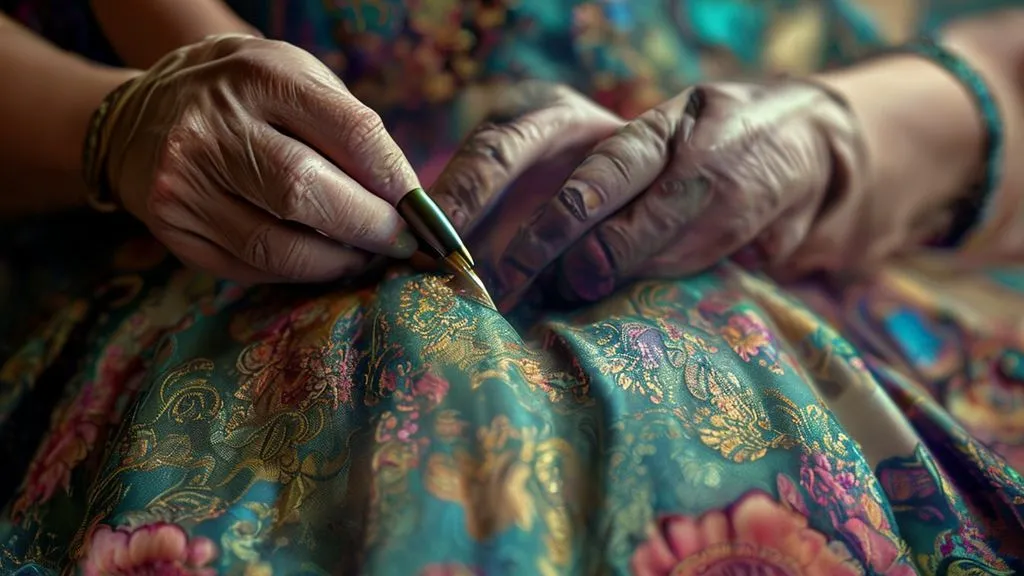
- Examine Seams: Look for tiny, even hand-stitches, particularly on hemlines, armholes, and around zippers. French seams, bound seams, or hand-overcast seams are common. Machine stitching, if present, should be perfectly straight and even.
- Linings and Understructures: Couture garments are almost always fully lined, often with silk or fine cotton. Many 1950s dresses feature elaborate internal structures like built-in corsetry, boning, petticoats, or horsehair canvas to create the desired shape. These should be meticulously constructed and perfectly integrated.
- Hemlines: Couture hemlines are typically generous, often hand-stitched with a blind hem, allowing for future alterations. The hem allowance itself will be substantial, a sign of quality and future flexibility.
- Pressing and Finishing: Every seam, dart, and edge should be perfectly pressed and finished. There should be no raw edges, loose threads, or signs of rushed work anywhere on the garment, inside or out.
Couture-Specific Details: Zippers, Buttons, and Embellishments
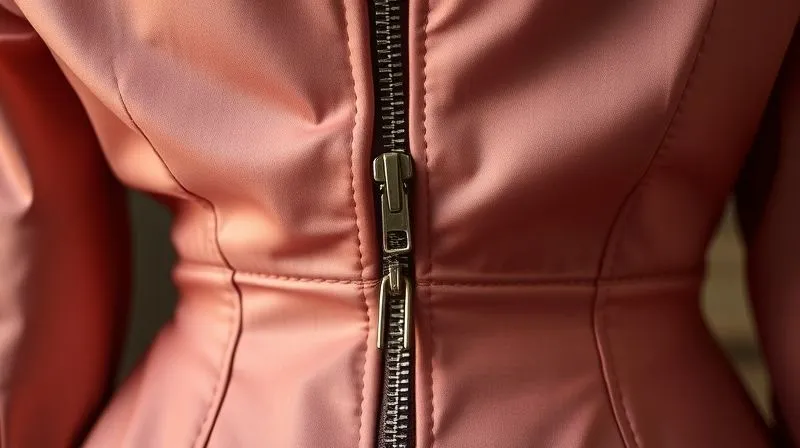
Even the smallest details can betray a garment's true origin. Zippers, for example, were still relatively new technology in the 1950s. Look for metal zippers (often Talon, Crown, or Conmar brands were used in the US, but European couture houses sourced from various suppliers), sometimes covered by a placket. Plastic zippers are a clear red flag for this era. Buttons were often custom-made, covered in matching fabric, or made of high-quality materials like shell, glass, or bakelite.
Embellishments, if present, such as beading, embroidery, or appliqué, should be hand-sewn with incredible precision. The back of any embroidery should be neat, with no tangled threads or sloppy knots. These details speak volumes about the time and skill invested in creating the garment.
Assessing Condition and Restoration Potential
Even an authenticated couture dress's value is profoundly influenced by its condition. A pristine piece will command a premium, but even a damaged one can hold significant value if it's rare or historically important and can be sympathetically restored.
Evaluating Wear, Tear, and Flaws
Conduct a thorough inspection under good lighting. Look for:
- Fabric Degradation: Fading, yellowing, dry rot (common in silks), moth holes, or tears.
- Stains: Perspiration, food, or chemical stains can be difficult or impossible to remove.
- Alterations: Has the garment been altered from its original size or design? While some alterations by the couture house itself are acceptable, amateur alterations can severely diminish value.
- Missing Elements: Are all original buttons, closures, or embellishments present?
Understanding Professional Cleaning and Repair Limits
For valuable vintage couture, always seek professional textile conservators or highly specialized dry cleaners. Regular dry cleaning methods can irrevocably damage delicate fabrics and construction. Be realistic about what can be restored. Some damage, particularly to delicate silks or complex embellishments, may be beyond repair without compromising the garment's integrity or original appearance.
For more insights into textile conservation, you might find resources like those from the Metropolitan Museum of Art's Conservation Department extremely helpful in understanding the delicate nature of preserving historical textiles.
The Impact of Condition on Resale Value
A dress in excellent, wearable condition will always fetch the highest price. Minor, invisible repairs or reversible alterations are generally acceptable. However, significant damage, extensive repairs, or irreversible alterations will drastically reduce value, often by 50% or more, unless the piece is exceptionally rare or historically significant.
The Expert Eye: Consulting Appraisers and Archives
While this guide provides a robust framework, there are times when even the most experienced vintage enthusiast needs to defer to a specialist. For high-value pieces, professional consultation is not just recommended; it's often essential.
When to Seek Professional Appraisal
If you believe you have a genuine 1950s haute couture dress from a major designer, especially if it's in excellent condition or has significant provenance, invest in a professional appraisal. A certified appraiser specializing in vintage fashion or historical textiles can provide an official valuation based on current market trends, historical significance, and condition. Their expertise provides an invaluable layer of authentication and ensures accurate pricing for resale.
Leveraging Museum Archives and Historical Records
Many major fashion houses maintain extensive archives, though access is often restricted. However, major museums with significant fashion collections (e.g., The Met, V&A, Palais Galliera) often have publicly accessible online databases or research departments. Cross-referencing photographs, sketches, and descriptions of known couture pieces from the 1950s can help confirm design elements, fabrics, and construction techniques. Sometimes, you might even find a photograph of your exact dress!
Exploring resources like the Victoria and Albert Museum's Fashion Collection can provide rich visual and historical context for your authentication efforts.
Market Value and Resale Strategy for Authenticated Pieces
Once your 1950s haute couture dress is confidently authenticated, the next step is to prepare it for resale. This involves understanding the market, meticulous presentation, and strategic platform selection.
Researching Current Market Trends
The vintage couture market is dynamic. Research recent auction results from reputable houses (e.g., Kerry Taylor Auctions, Christie's, Sotheby's) for similar designers, eras, and garment types. Look at high-end vintage boutiques and online luxury consignment platforms to gauge current asking prices. Understand that rarity, desirability of the designer, condition, and provenance all heavily influence market value.
Photography and Presentation for Resale
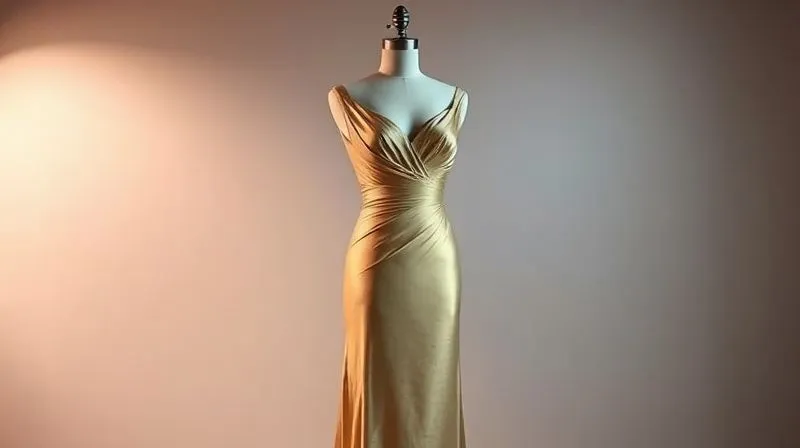
High-quality photography is non-negotiable. Invest in professional photos that showcase the dress's true beauty, details, and condition. Use a mannequin for full-length shots, and include close-ups of labels, construction details (hand-stitching, boning), fabric texture, and any specific designer hallmarks. Write a compelling, detailed description that highlights its authenticity, provenance, and unique features.
Platform Selection: Auctions vs. Consignment
For truly exceptional pieces, a reputable auction house specializing in fashion or historical textiles is often the best route. They have a global reach to serious collectors and institutions. For slightly less rare but still valuable pieces, high-end vintage consignment boutiques (both brick-and-mortar and online) can offer good exposure and handle the sales process for you, taking a commission.
Common Pitfalls and How to Avoid Them
Even seasoned experts can be caught off guard. Being aware of common authentication challenges can save you time, money, and reputation.
Distinguishing High-Quality Ready-to-Wear from Couture
Many designers produced both haute couture and more accessible ready-to-wear lines. While some ready-to-wear was exquisitely made, it lacks the unique hand-finishing, custom fit, and internal architecture of true couture. Always look for the specific couture label (often different from ready-to-wear labels) and the meticulous hand-construction that defines haute couture.
Beware of Clever Fakes and Reproductions
As the value of vintage couture rises, so does the prevalence of fakes. These can range from modern reproductions with fake labels to authentic vintage garments that have had designer labels sewn into them. Always rely on the internal construction, fabric quality, and specific period details, not just the label. If something feels 'off,' trust your gut. A healthy skepticism is your best tool against counterfeits.
As a final point, remember that the true joy of vintage fashion lies not just in its monetary value, but in its story and its place in history. Authenticating a 1950s haute couture dress is a privilege, connecting you directly to an era of unparalleled elegance and craftsmanship.
Frequently Asked Questions (FAQ)
Q: Can I authenticate a 1950s haute couture dress if it has no label? A: It's significantly more challenging, but not impossible. Without a label, you must rely entirely on the garment's construction, fabric quality, silhouette, and any unique details that strongly align with a specific designer's known work from the era. Provenance (e.g., a photo of a known person wearing it) becomes even more critical. In such cases, a professional textile conservator or appraiser is indispensable, as they can identify specific sewing techniques and materials unique to certain couture houses.
Q: What's the biggest mistake people make when trying to authenticate vintage couture? A: The most common mistake is relying solely on the presence of a designer label. Many high-quality ready-to-wear garments exist with genuine labels that are mistaken for couture. Furthermore, fake labels are prevalent. True authentication requires a holistic approach, scrutinizing every aspect from fabric and stitching to silhouette and provenance, understanding that a couture garment is a work of art built from the inside out.
Q: How much does a professional appraisal for a 1950s haute couture dress typically cost? A: Appraisal costs can vary widely depending on the appraiser's expertise, location, and the complexity of the piece. Some charge an hourly rate (e.g., $100-$300+ per hour), while others may charge a flat fee per item. It's crucial to find an appraiser specializing in vintage fashion or historical textiles and always clarify their fee structure upfront. For a potentially high-value item, the cost of appraisal is a worthwhile investment.
Q: Does minor damage significantly reduce the resale value of a 1950s haute couture dress? A: It depends on the extent and visibility of the damage. Minor, unnoticeable flaws (e.g., a tiny pinprick hole in an inconspicuous area) may have minimal impact. However, visible stains, tears, or extensive fabric degradation can significantly reduce value, often by 20-50% or more, even for rare pieces. Buyers of high-end vintage couture expect excellent condition, so any compromises will be reflected in the price.
Q: What are some lesser-known resources experts use for deep-dive authentication? A: Beyond museum archives and auction records, experts often consult vintage fashion periodicals (e.g., Vogue, Harper's Bazaar from the 1950s) for original advertisements, fashion spreads, and designer profiles. University textile and fashion history departments can be invaluable, often housing specialized libraries or even garment collections. Networking with other seasoned vintage dealers and collectors also provides access to shared knowledge and specific insights into rare pieces.
Key Takeaways and Final Thoughts
Authenticating a 1950s haute couture dress is a rewarding endeavor that blends historical research with meticulous garment analysis. It's a journey that builds your expertise and protects your investment.
- Go Beyond the Label: While crucial, the label is just one piece of the puzzle. Focus on internal construction, fabric quality, and specific period details.
- Embrace the Details: Hand-stitching, bespoke closures, and intricate understructures are the hallmarks of true couture.
- Value Provenance: Documented history significantly enhances both authenticity and monetary value.
- Consult Experts: For high-value or questionable pieces, professional appraisers and textile conservators are invaluable.
- Present with Care: High-quality photography and a detailed description are essential for maximizing resale potential.
Remember, each 1950s haute couture dress tells a story of an era, a designer, and the woman who wore it. By mastering the art of authentication, you not only unlock its true worth but also become a custodian of fashion history. Approach each piece with curiosity, respect, and the confidence that comes from genuine expertise. Your next discovery awaits!
Recommended Reading
- 7 Actionable Steps: How to Reduce Frequent Returns of Performance Athletic Shoes?
- 9 Steps to Eradicate Razor Burn for a Confident Executive Presence
- 7 Engineering Flaws: Why High-Impact Sports Bras Fail Your Workouts
- Unlocking Mass Digital Fashion: 7 Strategies for Scalable Production
- Unlock Your Best Silhouette: How to Style Pear Shape Body for Flattering Looks

Your email address will not be published. Required fields are marked *