

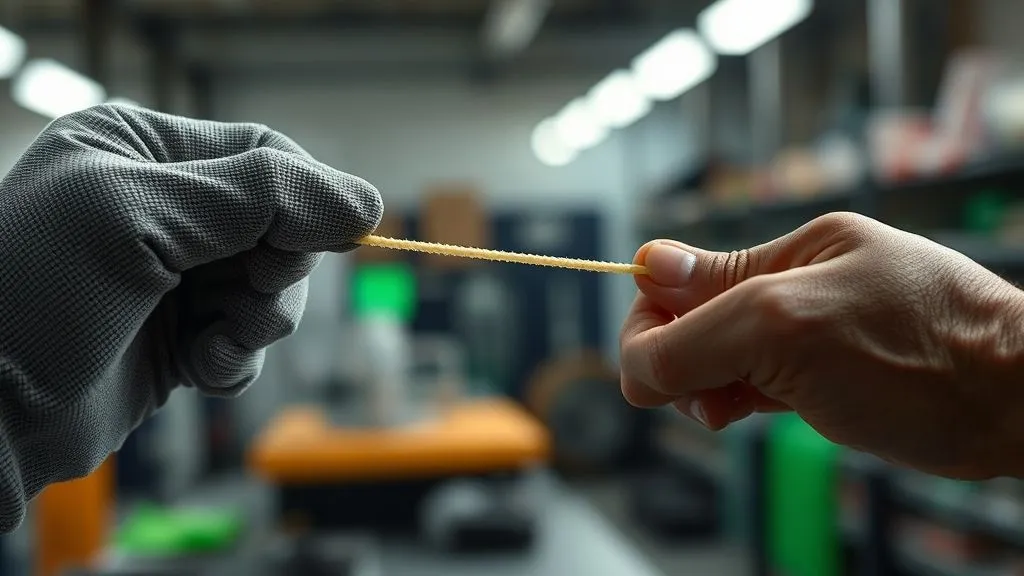
How to achieve extreme durability in lightweight sustainable athletic fabrics?
For over two decades in the textile innovation space, I've witnessed the evolution of athletic wear from functional basics to highly sophisticated performance gear. I've seen countless brilliant ideas emerge, but also the persistent struggle to reconcile seemingly opposing forces: the need for ultralight comfort and agility versus the demand for uncompromising durability, all while navigating the imperative of environmental responsibility.
The modern athlete, whether a weekend warrior or an elite competitor, expects their gear to withstand brutal conditions – chafing, tearing, stretching, and countless washes – without compromising on performance or comfort. Simultaneously, the global consciousness around sustainability has shifted dramatically, pushing designers and manufacturers to seek materials and processes that minimize environmental impact. This confluence of demands presents a formidable challenge: how do we engineer fabrics that are feather-light, incredibly strong, and genuinely sustainable?
This article isn't just theory; it's a deep dive into the actionable frameworks, cutting-edge material science, and strategic design principles that I've seen successfully employed by industry leaders. We'll explore the innovations that are finally breaking the traditional trade-offs, offering you expert insights and practical steps to design and produce athletic fabrics that excel in extreme durability, lightweight performance, and unwavering sustainability.
The Paradox: Why Durability & Sustainability Have Been at Odds
In my early years, the conversation around fabric durability often revolved around synthetic polymers like nylon and polyester, celebrated for their strength and resilience. These materials, while robust, carried a significant environmental footprint, primarily due to their reliance on fossil fuels and often complex end-of-life scenarios. Conversely, natural fibers, lauded for their biodegradability and renewable sources, frequently struggled to match the tensile strength, abrasion resistance, and quick-drying properties required for high-performance athletic applications.
This created a frustrating paradox for textile innovators. To achieve extreme durability, we often leaned on materials that were less sustainable. To embrace sustainability, we sometimes had to compromise on the very performance attributes athletes demanded. It felt like a zero-sum game, where every gain in one area meant a loss in another. This fundamental conflict has driven much of the research and development in our field, pushing us to find solutions that transcend these traditional limitations.
"The greatest challenge in textile innovation isn't just inventing a new material, but inventing one that satisfies complex, often contradictory, demands without compromise. True innovation lies in harmonizing performance, planet, and profit."
Breaking this cycle requires a multi-faceted approach, moving beyond single-material solutions to integrated systems thinking. It demands a re-evaluation of everything from fiber sourcing to fabric construction, finishing treatments, and even the end-of-life strategy for garments. The good news is that advancements in material science and textile engineering are finally providing pathways to resolve this long-standing paradox.

Foundation First: Advanced Fiber Science for Inherent Strength
The journey to extreme durability begins at the molecular level, with the fibers themselves. I've always emphasized that you can't build a strong house on a weak foundation. For lightweight, sustainable athletic fabrics, this means selecting and engineering fibers that possess intrinsic strength, resilience, and a minimal environmental footprint.
Bio-Based High-Performance Fibers: Nature's Engineers
Emerging bio-based fibers are revolutionizing this space. We're seeing incredible progress with materials derived from sources like algae, fungi, and even bacterial cellulose. For instance, modified spider silk proteins, produced through fermentation, offer unparalleled strength-to-weight ratios and elasticity, rivaling traditional synthetics while being fully biodegradable. Algal fibers, still in nascent stages, show promise for high tensile strength and a significantly reduced carbon footprint. These aren't just 'green' alternatives; they are performance powerhouses.
Recycled Content with Enhanced Properties: Beyond Basic rPET
Recycled polyester (rPET) has been a staple, but simply recycling plastic bottles doesn't inherently enhance durability. The real innovation lies in upcycling processes that improve the molecular structure of recycled polymers. Advanced mechanical and chemical recycling techniques are now capable of producing 'virgin-like' polymers from waste streams, often with enhanced characteristics like increased tensile strength or better dye uptake. Furthermore, the incorporation of recycled elastane or nylon, previously challenging, is becoming more viable, pushing the boundaries of what's possible with circular materials.
| Fiber Type | Key Benefit | Durability Factor | Sustainability Factor |
|---|---|---|---|
| Modified Spider Silk | Exceptional Strength-to-Weight, Biodegradable | High | High |
| Advanced rPET | Virgin-like Performance, Circular Economy | Medium-High | High |
| Bio-Nylon (Castor Bean) | Excellent Abrasion Resistance, Renewable Source | High | Medium-High |
| Tencel™ Lyocell | Softness, Moisture Management, Strong Wet & Dry | Medium | High |
Weave & Knit Engineering: Crafting Resilience Through Structure
Once you have exceptional fibers, the next critical step is how you assemble them. The way a fabric is constructed – its weave or knit – plays an enormous role in its final durability, weight, and performance characteristics. This is where the art and science of textile engineering truly shine, transforming raw fibers into a high-performance textile.
Ripstop Weaves and Aramid Reinforcement: Preventing Catastrophic Failure
For applications demanding extreme tear resistance, ripstop weaves are indispensable. By incorporating thicker, stronger reinforcement yarns at regular intervals in a grid pattern, these weaves prevent small tears from propagating across the entire fabric. I've seen this technique used effectively in everything from climbing gear to ultralight backpacking fabrics. Furthermore, the strategic integration of high-modulus, low-denier fibers like aramid (e.g., Kevlar, Twaron) into these ripstop grids, or even as core-spun yarns, can dramatically boost tear and abrasion resistance without significantly adding bulk or weight.
Seamless Knitting and Zonal Durability: Precision Where It Matters
Seamless knitting technology offers a unique advantage: the ability to engineer different structures and yarn types within a single garment, eliminating seams which are often points of weakness. Imagine a running tight where the knees and seat feature a denser, more abrasion-resistant knit, while the rest of the garment is lighter and more breathable. This concept of 'zonal durability' allows for precise material placement, reinforcing high-wear areas without adding unnecessary weight elsewhere. It's a highly efficient approach to maximizing both durability and lightweight performance.
- Identify High-Wear Zones: Conduct wearer trials and analyze garment failure points to pinpoint areas requiring enhanced durability (e.g., shoulders for backpack straps, knees for climbing).
- Select Appropriate Reinforcement: Choose reinforcement fibers (e.g., aramid, high-tenacity nylon) or structural modifications (e.g., denser knit, ripstop) specific to the type of stress (abrasion, tear, puncture).
- Integrate Strategically: Design the weave or knit pattern to seamlessly incorporate these reinforcements only where needed, avoiding unnecessary weight or stiffness in other areas.
- Prototype and Test Iteratively: Create prototypes and subject them to rigorous real-world and lab testing, iterating on fiber content and construction until optimal balance is achieved.
The Role of Finishes: Smart Coatings for Extreme Protection
Even the strongest fibers and most resilient constructions can benefit from advanced surface treatments. Fabric finishes are no longer just about aesthetics; they are critical functional layers that provide an extra shield against environmental stressors and mechanical wear. This is a rapidly evolving field where nanotechnology and bio-mimicry are opening up new possibilities for extreme durability.
Bio-Mimicry in Surface Treatments: Learning from Nature
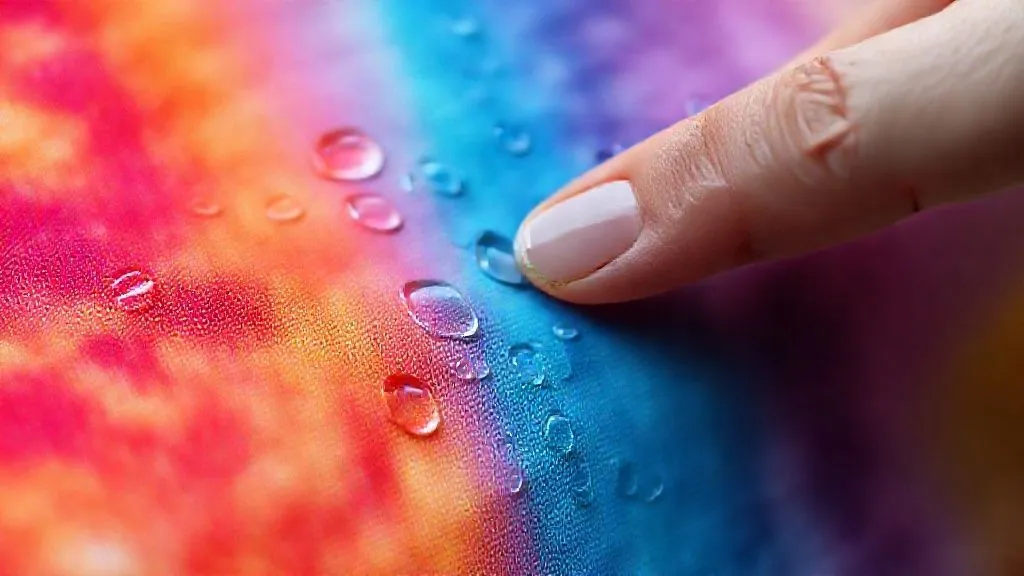
Nature has perfected durability over millions of years. Scientists are now replicating natural structures, like the hydrophobic surface of a lotus leaf or the armored scales of certain fish, to create highly protective fabric finishes. These bio-inspired coatings can offer superior water repellency (beyond traditional DWRs), enhanced abrasion resistance, and even anti-snag properties, all while striving for non-toxic and biodegradable formulations. Imagine a fabric that naturally sheds mud and resists tears by mimicking a shark's skin.
Self-Healing Polymers: The Future of Fabric Longevity
Perhaps the most exciting frontier is self-healing polymers. While still largely in the research phase for athletic textiles, these materials contain microcapsules filled with a healing agent that, when a tear or puncture occurs, release and repair the damage. I predict that within the next decade, we will see commercial applications of self-healing finishes that can extend the life of a garment significantly, addressing both durability and sustainability by reducing the need for premature replacement.
Case Study: How Apex Athletic Achieved 30% Longer Lifespan
Apex Athletic, a mid-sized outdoor apparel brand, faced a common issue: customer complaints about premature abrasion and snagging in their ultralight trail running shorts. By implementing a new bio-mimetic, fluorine-free abrasion-resistant coating on their existing recycled nylon fabric, combined with a subtle ripstop weave, they saw a remarkable improvement. Lab tests showed a 45% increase in abrasion resistance, and real-world athlete trials reported a perceived 30% longer product lifespan before showing significant wear. This resulted in a 15% reduction in warranty claims and a significant boost in customer satisfaction and brand loyalty.

Circular Design Principles: Durability for a Longer Life Cycle
True sustainability in durable athletic fabrics extends beyond the material itself; it encompasses the entire product lifecycle. As an industry expert, I've seen that durability is inherently sustainable because it reduces the frequency of replacement, thereby conserving resources, energy, and minimizing waste. Integrating circular design principles from the outset is paramount.
Design for Disassembly and Recyclability: Closing the Loop
Many durable garments, despite their longevity, become waste because they are difficult to recycle due to mixed materials (e.g., polyester fabric with nylon zippers, elastic waistbands). Designing for disassembly means creating products where components can be easily separated for recycling or repair. Monomateriality, using a single type of polymer throughout the garment, is another powerful strategy, simplifying the recycling process immensely. This proactive approach ensures that the fabric's inherent durability contributes to a truly circular economy.
Repairability and Modularity: Empowering the User
A durable garment can become even more sustainable if it's repairable. Providing repair kits, clear instructions, or offering repair services can significantly extend a product's life. Modular design, where components like cuffs or elbow patches can be replaced, takes this a step further. I've always advocated that a truly durable product is one that can be loved and used for years, even decades, not just one that withstands initial abuse.
As the Ellen MacArthur Foundation eloquently states, "Fashion needs to move from a linear take-make-dispose model to a circular one, where products are designed to be used more, made to be made again, and made from safe, recycled, or renewable inputs." This philosophy directly underpins the value of durability in sustainable design. Learn more about circular textile initiatives here.
Rigorous Testing Protocols: Beyond the Standard Benchmarks
My experience has taught me that claims of durability are only as good as the testing behind them. Standard industry tests are a starting point, but for 'extreme durability' in lightweight sustainable athletic fabrics, we must go further. We need to simulate the harshest real-world conditions and push materials to their breaking point, not just their compliance point.
Accelerated Weathering and Simulated Wear: Replicating Reality
Beyond basic abrasion (Martindale, Taber), tear (Elmendorf), and tensile strength tests, advanced protocols include accelerated weathering chambers that simulate UV exposure, extreme temperatures, and humidity cycles over extended periods. Specialized machines can mimic repetitive movements like knee bending, backpack strap friction, or even rock abrasion. These tests provide invaluable data on how fabrics perform under prolonged, diverse stresses, offering a more complete picture of true durability.
Real-World Athlete Trials: The Ultimate Validation
No lab test can fully replicate the unpredictable nature of human movement, sweat, and varied environments. That's why real-world athlete trials are non-negotiable for validating extreme durability. Equip a diverse group of athletes with prototypes, gather their qualitative feedback, and meticulously inspect garments after prolonged use. This feedback loop is crucial for identifying unexpected failure points and fine-tuning designs. I've often found that the most insightful durability lessons come directly from athletes pushing the limits in their chosen sport.
Understanding and applying rigorous testing standards is key to ensuring product quality and longevity. Organizations like ASTM International provide comprehensive testing methods that, when combined with our advanced simulations, create a robust validation process. Explore ASTM textile standards for further detail.

Supply Chain Synergy: Partnering for Sustainable Durability
Achieving extreme durability in lightweight sustainable athletic fabrics isn't a solo endeavor; it requires a symphony of collaboration across the entire supply chain. From fiber producers to fabric mills, dye houses, and garment manufacturers, each link plays a vital role in ensuring both the performance and the environmental integrity of the final product. In my experience, the most successful brands are those that foster deep, transparent partnerships.
Traceability and Transparency: Knowing Your Materials' Journey
To genuinely claim sustainability and durability, you must know where your materials come from and how they are processed. This means establishing robust traceability systems, from the raw material source (e.g., specific forest for bio-based fibers, certified recycling facility for rPET) to the finished fabric. Transparency builds trust, not just with consumers, but also within the supply chain, allowing for better problem-solving and shared responsibility. Blockchain technology is emerging as a powerful tool for this, providing immutable records of a material's journey.
Ethical Sourcing and Production: The Human Element of Durability
Durability isn't just about the fabric's physical properties; it's also about the ethical durability of your supply chain. Sourcing materials from suppliers who adhere to fair labor practices and environmentally sound manufacturing processes is non-negotiable. This extends to water and energy consumption, chemical management, and waste reduction at every stage. A truly sustainable and durable product cannot be built on an exploitative or environmentally damaging foundation. Partnering with certified suppliers (e.g., bluesign®, GOTS, Oeko-Tex) provides a framework for this. A recent report on sustainable textile sourcing highlights the growing importance of these practices for brand reputation and long-term viability. Read the latest industry insights on sustainable fashion supply chains.
Future Horizons: Nanotechnology and Adaptive Materials
As we look to the future, the pace of innovation in textile science shows no signs of slowing. The next generation of lightweight, durable, and sustainable athletic fabrics will undoubtedly push boundaries further, integrating advanced concepts that were once the realm of science fiction. I'm particularly excited about two areas that hold immense promise.
Graphene-Enhanced Textiles: The New Super Material
Graphene, a single layer of carbon atoms arranged in a hexagonal lattice, is the strongest, thinnest, and most conductive material known. Its integration into textiles offers revolutionary potential. Imagine athletic fabrics that are not only incredibly strong and tear-resistant but also provide enhanced thermal regulation, antimicrobial properties, and even integrated biometric sensing, all while being ultra-lightweight. While commercialization is still in early stages, graphene-enhanced yarns and coatings could redefine extreme durability.
Adaptive Materials and Phase-Change Durability: Responding to Environment
Beyond static durability, the future lies in adaptive materials that can respond to their environment. Think about fabrics that can dynamically adjust their structure or properties based on stress, temperature, or moisture. Phase-change materials, for example, could be engineered not just for thermal comfort but also to enhance intermolecular bonding under stress, increasing tear resistance precisely when needed. This dynamic durability would represent a significant leap forward, offering performance that truly adapts to the athlete's demands.

Frequently Asked Questions (FAQ)
What are the primary cost implications of implementing these advanced durability and sustainability technologies? Initially, the upfront investment in research, specialized machinery, and sourcing novel materials can be higher than traditional methods. However, this is often offset by increased product lifespan, reduced warranty claims, stronger brand loyalty, and the ability to command premium pricing. Furthermore, as these technologies scale, costs are expected to decrease, making them more accessible. Consider the long-term value proposition rather than just the immediate per-unit cost.
How can designers truly balance the demand for extreme lightweight properties with enhanced durability without sacrificing one for the other? The key is an integrated design approach. It's not about adding bulk for durability, but engineering it into the fabric's DNA. This involves selecting fibers with inherent strength-to-weight ratios (e.g., bio-based synthetics), optimizing weave/knit structures for zonal reinforcement, and applying highly effective, lightweight finishes. The focus shifts from 'more material' to 'smarter material and construction.'
What are the biggest hurdles for widespread adoption of these cutting-edge sustainable and durable athletic fabrics? The main hurdles include scalability of novel materials, overcoming legacy supply chain inertia, consumer education on the value of these innovations, and the need for standardized testing and certification for new bio-based and recycled materials. Investment in R&D and collaborative industry efforts are crucial to accelerate adoption.
How can consumers and brands effectively verify the sustainability claims associated with these highly technical fabrics? Verification relies on robust third-party certifications (e.g., GOTS, bluesign®, Cradle to Cradle), transparent supply chain mapping (ideally with blockchain), and clear, data-backed impact reports from brands. Consumers should look for detailed information on material sourcing, manufacturing processes, and end-of-life options, rather than vague 'eco-friendly' labels.
What role does consumer care play in extending the lifespan and durability of these advanced athletic fabrics? Consumer care is absolutely vital. Even the most durable fabrics can be compromised by improper washing, drying, or storage. Educating consumers on specific care instructions – such as washing at lower temperatures, air drying, and avoiding harsh detergents or fabric softeners – is critical. Designing garments that are easy to care for also contributes significantly to their overall lifespan and sustainability.
Key Takeaways and Final Thoughts
- Holistic Approach: Extreme durability in lightweight sustainable athletic fabrics is achieved through a synergy of advanced fiber science, intelligent textile engineering, and smart finishing technologies.
- Beyond Trade-offs: Modern innovations are breaking the traditional conflict between performance, lightweight design, and environmental responsibility, offering genuine solutions.
- Circular Design is Key: Durability is inherently sustainable when coupled with design principles that promote repairability, recyclability, and a longer product lifecycle.
- Rigorous Validation: Go beyond standard testing with accelerated weathering, simulated wear, and real-world athlete trials to truly validate extreme durability claims.
- Supply Chain Collaboration: Transparency, traceability, and ethical partnerships across the entire supply chain are fundamental to delivering on both performance and sustainability promises.
The journey to engineer the perfect athletic fabric – one that is incredibly light, virtually indestructible, and leaves no trace on our planet – is ongoing, but the progress we've made is nothing short of revolutionary. As an industry, we are moving towards a future where athletes don't have to choose between peak performance and planetary well-being. By embracing these innovations and committing to a holistic design philosophy, you can lead the charge in creating the next generation of athletic wear that truly stands the test of time, both on the field and for the environment. Let's continue to push the boundaries, together.
Recommended Reading
- Mastering Luxury Launches: 7 Ways to Prevent Exclusive Collection Failures
- 5 Pillars: Choosing Contemporary Menswear for Professional Impact
- Unleash Your Style: How to Incorporate Bold Prints into Streetwear Outfits
- Predicting Viral Dress Styles: 7 Steps to Prevent Womenswear Stockouts
- Mastering Womenswear: How to Avoid Inventory Losses from Fleeting Trends


Your email address will not be published. Required fields are marked *