

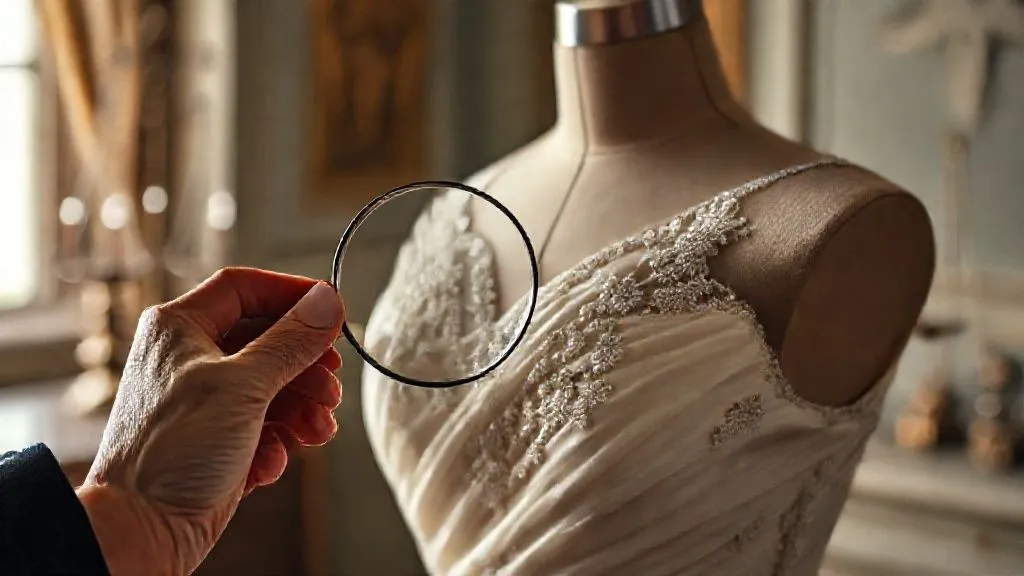
How to Accurately Value a One-of-a-Kind Vintage Designer Gown?
For over twenty-five years, I've navigated the intricate world of vintage fashion, witnessing countless breathtaking pieces pass through my hands. From forgotten haute couture treasures unearthed in dusty attics to iconic red-carpet creations, each garment tells a story. Yet, I've observed a pervasive challenge that often leaves collectors, dealers, and enthusiasts alike feeling overwhelmed: the accurate valuation of truly unique, one-of-a-kind vintage designer gowns.
This isn't merely about attaching a price tag; it's about understanding the confluence of history, artistry, condition, and market dynamics that define a garment’s true worth. The stakes are high – misjudging a piece can mean significant financial loss for sellers or overpayment for eager buyers, not to mention the potential for undervaluing a significant piece of fashion history.
In this definitive guide, I will share the precise frameworks and nuanced insights I’ve honed over decades to answer the critical question: How to accurately value a one-of-a-kind vintage designer gown? We will delve into authentication, condition assessment, craftsmanship, market research, and the crucial role of expert appraisal, providing you with actionable steps to confidently determine the true value of these sartorial masterpieces.
The Intricacies of Vintage Couture: Why Valuation is an Art
Valuing a one-of-a-kind vintage designer gown is far from a simple retail exercise; it's a sophisticated blend of historical research, material science, fashion expertise, and market acumen. Unlike contemporary ready-to-wear items with standardized pricing, vintage couture thrives on its individuality and scarcity.
I've seen many enthusiasts make the mistake of equating age with value, or condition with everything. While these are critical, they are merely components of a larger, more complex equation. The true value emerges from a holistic understanding of its unique narrative and attributes.
"A truly unique vintage designer gown is not just clothing; it's a wearable artifact, a testament to a specific era's aesthetic, technological prowess, and cultural zeitgeist."
Understanding this fundamental difference is the first step toward accurate valuation. It requires a mindset that appreciates the garment's journey and its place in fashion history.
Step 1: Authenticating the Provenance and Designer
The very foundation of a gown’s value lies in its authenticity. Without verifiable provenance and designer attribution, even the most exquisite piece remains an enigma, significantly impacting its potential worth. My first rule of thumb is always: authenticate, authenticate, authenticate.
Verifying the Label and Era
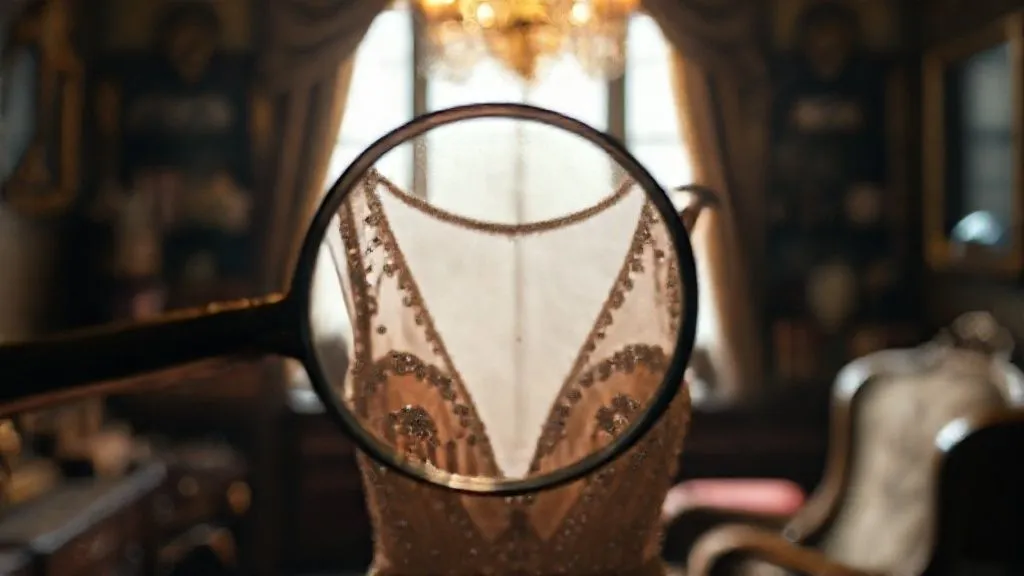
Start by meticulously examining the label. Is it present? Is it period-correct? Many designers changed their labels over the decades, offering crucial clues about the gown's manufacturing period. Research historical label archives, often available through major fashion museums or specialized vintage dealer resources.
Beyond the label, examine the construction techniques, zippers, seams, and fabric choices. These elements, when cross-referenced with known design characteristics of a particular era or designer, can help confirm authenticity, especially for pieces where labels may be missing or illegible. For example, a hidden zipper in a 1940s gown might raise a red flag, as they were less common then.
Researching Designer History and Rarity
Once authenticated, delve into the designer's history. Was this designer known for creating unique, custom pieces? Is the particular design recognizable as one of their signature styles? The rarity of the designer’s surviving work, especially haute couture, directly influences value.
Consider the designer's impact on fashion history. A gown by a pivotal figure like Elsa Schiaparelli or Charles James will inherently command more interest and value than a piece by a lesser-known, though still skilled, contemporary. This deep dive into the designer’s legacy is non-negotiable.
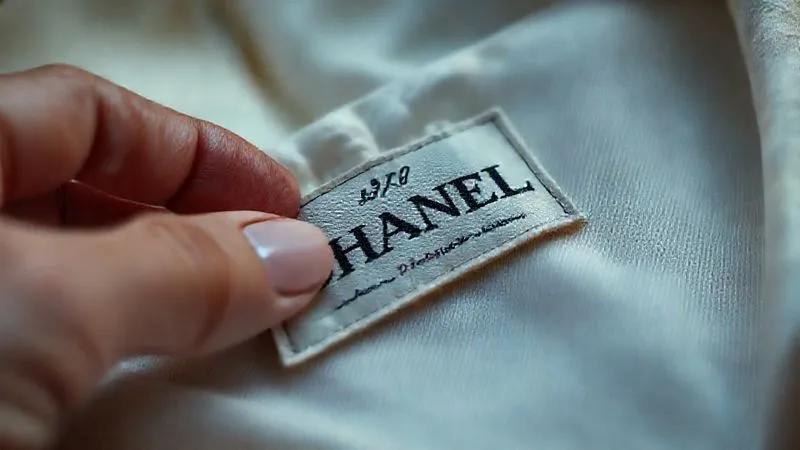
For further reference on historical labels and authentication techniques, I often recommend exploring resources like The Metropolitan Museum of Art's Costume Institute archives, which provide invaluable context on designers and eras.
Step 2: Assessing Condition – The Unsung Hero of Value
While a gown's designer and rarity are paramount, its condition acts as a critical multiplier (or divider) of its ultimate value. A pristine piece will always command a premium. I’ve seen stunning designs drastically devalued by overlooked flaws.
Detailed Inspection for Flaws
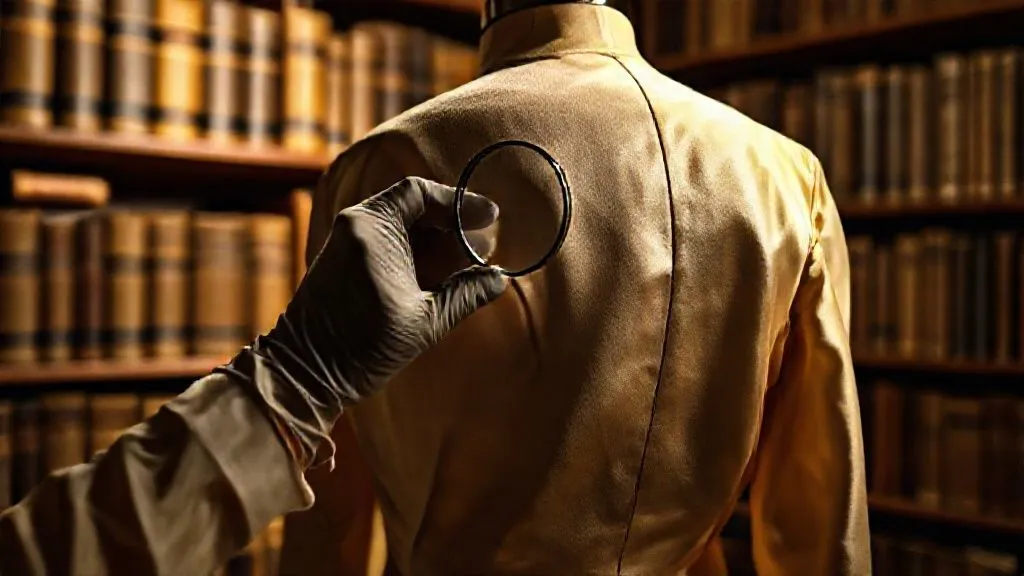
This is where patience and a keen eye are essential. Conduct a thorough, systematic inspection under good lighting. Look for:
- Fabric Damage: Tears, holes, thinning fabric, moth damage, snags, pulls. Pay close attention to stress points like armholes and seams.
- Stains and Discoloration: Any visible marks, yellowing, water damage, or fading. Note the type and severity.
- Embellishment Loss: Missing beads, sequins, embroidery, or appliqué. Assess the extent of the loss and the complexity of replacement.
- Structural Integrity: Loose seams, broken zippers, missing buttons, damaged closures. Check the lining for degradation or tears.
- Odor: Musty smells, smoke odors, or lingering perfume can significantly impact desirability and often require specialized cleaning.
Document every flaw with high-resolution photographs. Transparency about condition builds trust with potential buyers or appraisers.
Restoration vs. Preservation
It’s crucial to understand the difference between preservation and restoration. Preservation aims to maintain the garment in its current state, preventing further degradation. Restoration involves repairing damage to bring the garment closer to its original condition. Not all restoration is good restoration.
Poorly executed repairs can diminish value. Conversely, expert, museum-quality restoration by a specialist can sometimes enhance value, particularly for exceptionally rare pieces where the alternative is severe degradation. Always consult with a textile conservator before undertaking any significant restoration.
| Condition Grade | Description | Impact on Value |
|---|---|---|
| Pristine | Flawless, appears unworn, original tags often present. | Highest premium. |
| Excellent | Minor, almost imperceptible flaws; easily remedied. | High value, slight adjustment. |
| Very Good | Some visible flaws (e.g., small stain, minor repair); still highly wearable. | Moderate value, noticeable adjustment. |
| Good | More significant flaws (e.g., fading, some damage, visible repairs); wearable with care. | Lower value, significant adjustment. |
| Fair/Poor | Extensive damage, significant repairs needed; often for study or display only. | Collector's item, minimal value or for parts/study. |
Step 3: Decoding the Craftsmanship and Materials
The intrinsic quality of a vintage designer gown is largely determined by its craftsmanship and the materials used. Haute couture, by definition, implies an extraordinary level of skill and the finest textiles. This is where the 'one-of-a-kind' aspect often shines brightest.
Hand-Finishing and Haute Couture Techniques
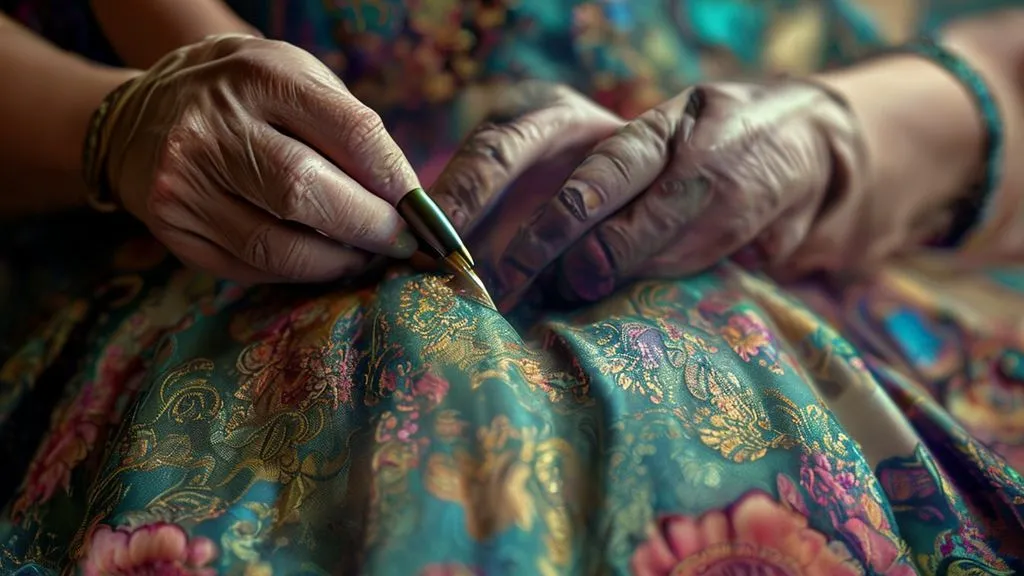
Examine the construction. Are the seams hand-stitched? Is there intricate hand-beading, embroidery, or appliqué? Haute couture pieces often feature internal structures like built-in corsetry, extensive boning, and elaborate linings that are works of art in themselves. These details are labor-intensive and indicative of true luxury.
Look for evidence of custom fitting – darts, tucks, or slight alterations that suggest the gown was made for a specific client. This personal touch adds to its unique narrative and often to its value, especially if the client was notable.
Fabric Quality and Embellishments
The quality of the fabric is paramount. Silk chiffons, rich velvets, intricate laces, and fine wool crepes were often custom-milled for couture houses. Assess the drape, feel, and integrity of the fabric. Are there rare or exotic materials used?
Embellishments, such as genuine pearls, crystal beads (like Swarovski), or intricate metallic threads, contribute significantly. The artistry of these details, their condition, and their originality are key valuation points. A gown with hand-painted silk or custom-designed embroidery is far more valuable than one with mass-produced embellishments.
For a deeper understanding of historical textiles and their characteristics, I often refer to academic resources or textile conservation experts, such as those associated with the Victoria and Albert Museum's Fashion Collection.
Step 4: Rarity, Desirability, and Historical Significance
Beyond the tangible attributes, the intangible elements of rarity, desirability, and historical significance can dramatically elevate a gown's value. These are the factors that truly make a piece "one-of-a-kind."
The 'One-of-a-Kind' Factor
When we speak of a "one-of-a-kind" gown, we're often referring to a custom commission, a runway prototype, or a piece so distinctive it stands alone in the designer's oeuvre. This extreme scarcity naturally drives up demand among serious collectors.
Was the gown a unique creation for a specific event or client? Is it the only known example of a particular design or technique by that designer? The answers to these questions are crucial. Documenting this uniqueness with historical photos or design sketches, if available, is incredibly powerful.
Celebrity Provenance or Historical Context
The "story" behind a gown can be its most valuable asset. If a gown was worn by a famous personality – a Hollywood icon, royalty, or a significant historical figure – its value can skyrocket. This provenance must be meticulously documented and verifiable through photographs, letters, or event programs.
Similarly, if a gown represents a pivotal moment in fashion history, perhaps introducing a new silhouette, fabric, or technique, it holds significant academic and collector value. These pieces transcend mere clothing to become cultural artifacts.
Market Demand and Current Trends
While vintage fashion often defies fleeting trends, even one-of-a-kind pieces can be influenced by current market desirability. Is there a resurgence of interest in the designer or the era the gown represents? Are particular silhouettes or aesthetics currently sought after by collectors?
I've seen periods where 1920s flapper dresses were highly coveted, followed by a surge in demand for 1950s New Look silhouettes. Keeping an eye on vintage auction results and high-end dealer offerings provides insight into what's currently resonating with buyers. However, for truly unique pieces, the intrinsic value often outweighs short-term trends.

Step 5: Market Research and Comparative Analysis
Once you’ve thoroughly assessed the gown’s attributes, the next step is to anchor its value in the real world through robust market research. This isn't about guessing; it's about informed comparison.
Auction House Records and Private Sales Data
The most reliable data comes from past sales of comparable items. Major auction houses like Christie's and Sotheby's often have searchable archives of their past fashion sales, detailing prices, designers, eras, and condition. Look for pieces by the same designer, from the same era, and with similar levels of rarity and condition.
Private sales data, though harder to access, can also be invaluable. Networking with reputable vintage dealers and collectors can sometimes provide insights into what similar one-of-a-kind pieces have fetched off-market. I always advise my clients to be diligent in this research, as it provides the strongest evidence for valuation.
Consulting with Reputable Dealers and Appraisers
For truly unique and high-value pieces, consulting with specialized vintage fashion dealers or accredited appraisers is indispensable. These experts possess a wealth of knowledge, often having access to private sales data and an intuitive understanding of market nuances that online searches simply cannot provide.
An experienced dealer might recognize a specific construction detail or a rare fabric that significantly impacts value, or they might know of a collector actively seeking a piece exactly like yours. Their insights are often worth their weight in gold.
For high-end valuations, I frequently direct clients to established auction houses like Christie's Vintage Fashion department or reputable vintage couture specialists.
Case Study: The "Azure Dream" Gown
I recall a particularly challenging valuation involving a 1930s Elsa Schiaparelli "Azure Dream" gown. The client had inherited it, and while the label was present, its condition was fair, with some fading and minor fabric stress. Initial market searches yielded no direct comparables for this specific design.
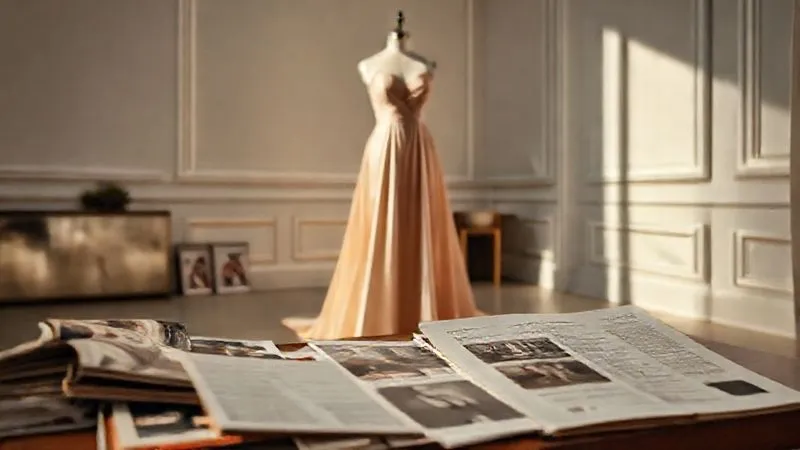
Through meticulous research, I discovered that the gown was a unique commission for a European socialite, documented in a single fashion magazine article from 1937. This established its "one-of-a-kind" status. While its condition wasn't pristine, the sheer rarity and historical significance of a documented Schiaparelli bespoke piece from the Surrealist era shifted its valuation dramatically.
By comparing it to other authenticated, albeit different, Schiaparelli haute couture pieces that had sold at auction – some in better condition, some worse – and factoring in the unique provenance, we were able to establish a strong price range. This resulted in the gown selling to a prominent private collector for a sum far exceeding what a purely condition-based assessment would have suggested, proving the power of comprehensive valuation.
| Comparable Item | Condition | Provenance | Auction Price |
|---|---|---|---|
| Schiaparelli Silk Gown (1935) | Excellent | No notable | $45,000 |
| Schiaparelli Velvet Ensemble (1938) | Good | Ex-private collection | $38,000 |
| Schiaparelli Evening Coat (1936) | Pristine | Museum deaccession | $75,000 |
| "Azure Dream" Gown (1937) | Fair | Unique commission, documented | $60,000 - $80,000 |
Step 6: Understanding the Role of Expert Appraisal
For items of significant value, particularly a one-of-a-kind vintage designer gown, a professional appraisal is not just recommended; it's often essential. This provides an unbiased, documented valuation that holds weight for insurance, estate planning, or sale.
When to Seek Professional Valuation
I always advise clients to seek a professional appraisal when:
- The gown's estimated value exceeds a certain threshold (e.g., $5,000 or $10,000, depending on your comfort level).
- You need a formal valuation for insurance purposes.
- The gown is part of an estate and requires a fair market value for probate.
- You are considering selling through a major auction house or a high-end dealer.
- There is a dispute over the gown's value.
An independent appraiser offers an objective opinion, free from the potential biases of a buyer or seller.
What to Expect from an Appraisal
A professional appraisal typically involves a detailed examination of the gown, comprehensive research into its history and comparables, and a written report. This report will outline the gown's description, designer, era, condition, provenance, and the methodology used to arrive at the valuation. It often includes photographs and relevant historical context.
Ensure your appraiser specializes in vintage fashion or haute couture. Look for credentials from recognized appraisal organizations. For general appraisal standards and finding qualified appraisers, organizations like the Appraisers Association of America can be a useful starting point.
Step 7: Finalizing Your Valuation and Market Positioning
After gathering all the necessary information and potentially consulting with experts, you're ready to finalize your valuation and strategize how to position your exceptional piece in the market.
Setting a Realistic Price Range
Based on your research and any professional appraisals, establish a realistic price range. Remember, the "one-of-a-kind" nature means you might not find an exact match, so your range will reflect the closest comparables, adjusted for your gown's unique attributes. Be prepared to justify your price with documentation of authenticity, condition, and provenance.
Consider the market you're targeting. Are you aiming for a quick sale, or are you willing to wait for the right collector who appreciates its full historical and artistic value? This will influence whether you lean towards the lower or higher end of your established range.
Marketing Your Unique Piece
Selling a one-of-a-kind vintage designer gown requires a tailored approach. High-quality photography that captures the gown's details, craftsmanship, and overall aesthetic is paramount. Craft a compelling narrative that highlights its designer, era, unique story, and any historical provenance.
Target specific platforms: major auction houses for top-tier pieces, specialized vintage couture boutiques, or online luxury consignment platforms with a strong curatorial eye. Avoid general marketplaces where the gown's unique value might be overlooked or misunderstood. The right presentation to the right audience can unlock its maximum potential.
Frequently Asked Questions (FAQ)
Q: How do I verify the authenticity of a vintage designer gown if the label is missing or illegible? A: This requires deep expertise. Look for signature construction techniques, specific seam finishes, zipper types, fabric characteristics, and internal structural elements that are unique to a particular designer or era. Comparing these details to documented examples from reputable museums or historical fashion archives is crucial. Consulting a seasoned vintage couture expert or textile conservator is highly recommended, as they can often identify subtle clues invisible to the untrained eye.
Q: Can minor repairs significantly devalue a one-of-a-kind vintage gown? A: It depends on the nature and quality of the repair. Minor, expertly executed, and reversible repairs that preserve the gown's original integrity generally have less impact. However, amateurish, irreversible, or extensive repairs that alter the original design or use non-period materials can significantly diminish value. Transparency about all repairs is vital.
Q: What role does celebrity provenance play in valuation, and how can I prove it? A: Celebrity provenance can dramatically increase a gown's value, sometimes by multiples. Proof is paramount. This can include authenticated photographs of the celebrity wearing the gown, letters of authenticity from the celebrity or their estate, official event programs, or verifiable auction records. Without concrete, documented proof, claims of celebrity provenance will not hold weight in a professional valuation.
Q: Is it better to restore a damaged vintage gown or leave it in its original "as-is" condition? A: Generally, for highly valuable, one-of-a-kind pieces, minimal intervention is preferred to maintain historical integrity. "As-is" condition, even with minor flaws, can be more desirable to some collectors than a poorly restored piece. However, if damage is severe and threatens the garment's survival, museum-quality conservation by a specialist might be considered to stabilize it, but always with expert consultation beforehand.
Q: How do I navigate the emotional attachment to a unique vintage piece when trying to value it objectively? A: This is a common challenge. My advice is to separate your personal sentiment from the objective market realities. Focus on the tangible and researchable factors: designer, condition, craftsmanship, rarity, and market comparables. If emotional attachment makes objective assessment difficult, seek an independent, professional appraisal. Their unbiased perspective is invaluable in such situations.
Key Takeaways and Final Thoughts
Valuing a one-of-a-kind vintage designer gown is indeed an art, demanding patience, meticulous research, and a discerning eye. It's a journey that combines the thrill of historical discovery with the rigor of market analysis. As an experienced industry specialist, I hope this guide empowers you to approach this task with confidence and clarity.
- Authenticity is Non-Negotiable: Always start with verifying the designer and provenance.
- Condition is King (but not the only ruler): Document every detail and understand the impact of repairs.
- Craftsmanship Tells a Story: Appreciate the hand-finishing and quality of materials.
- Rarity and Provenance Elevate Value: The unique story behind the gown can be its most valuable asset.
- Research and Experts are Your Allies: Leverage auction data and professional appraisers.
- Objective Valuation for Maximum Potential: Separate emotion from market realities for the best outcome.
Remember, each unique gown carries a piece of history within its threads. By diligently applying these expert steps, you not only accurately determine its monetary worth but also honor its legacy. May your journey into the world of vintage couture valuation be both insightful and rewarding.
Recommended Reading
- Evolve Your Style Blog: 7 Ways to Grow Content Without Losing Readers
- 7 Proven Strategies: How to Prevent Website Crashes During High-Demand Shoe Drops?
- Unlock Your Look: The Ultimate Guide to Choosing Glasses That Enhance Features
- 5 Rapid Methods: Urgent Costume Breakdown to Age Denim Fast Realistically
- 5 Expert Steps: Perfectly Accessorize Your Avant-Garde Wedding Gown

Your email address will not be published. Required fields are marked *