


How to Accurately Forecast Next Big Kids' Character Apparel Trends?
For over 15 years in the dynamic world of kids' fashion, I've seen countless brands, both large and small, either hit a home run or strike out spectacularly when it comes to character apparel. The difference often boils down to one critical skill: the ability to accurately forecast the next big trend. It's not just about having a great design; it's about having the *right* design featuring the *right* character at the *right* time.
The pain point is palpable: miss the wave, and you're stuck with mountains of unsold inventory. Catch it too late, and you're playing catch-up in an already saturated market. The kids' character apparel space is a whirlwind of fleeting fads and enduring icons, making prediction a high-stakes game. Many fall into the trap of reactive design, chasing yesterday's hits rather than anticipating tomorrow's.
In this definitive guide, I'll walk you through a robust, multi-faceted framework that I've refined over years in the trenches. You'll learn not just what to look for, but *how* to interpret the subtle signals, leverage cutting-edge data, and build strategic partnerships to accurately forecast next big kids' character apparel trends, ensuring your brand is always a step ahead.
Deconstructing the 'Character' Phenomenon: Beyond Just a Face
Before we delve into forecasting methods, it's crucial to understand what truly makes a character resonate with children and, by extension, their parents. It's far more complex than simply slapping a popular image onto a t-shirt.
The Emotional Connection & Story Arc
Children don't just see a character; they connect with a story, a personality, and often, an aspirational figure. Think about the enduring appeal of characters like Spider-Man or Elsa. Their stories of courage, self-discovery, and empathy create deep emotional bonds. This connection translates directly into a desire to embody or associate with that character through their clothing.
Longevity vs. Fleeting Fads
A significant challenge in character apparel is distinguishing between a momentary craze and a sustainable trend. Some characters burst onto the scene with immense popularity but fade just as quickly, often tied to a single movie release or viral moment. Others, however, tap into universal themes or establish a rich, evolving narrative that keeps them relevant for years, even decades. Identifying this potential longevity is key to a profitable character apparel strategy.
Expert Insight: "The most successful character apparel isn't just about recognition; it's about emotional resonance. If a character's story moves a child, that connection often translates into a desire to wear their emblem, extending the character's narrative into their everyday life."
The Multi-Layered Data Dive: Where to Look First
To accurately forecast next big kids' character apparel trends, you need to become a data detective. The clues are everywhere, but knowing where to dig is paramount.
Social Listening & Digital Footprints
The digital playground is a goldmine. Monitor platforms where kids' content is consumed and discussed, even if indirectly by parents. YouTube, TikTok (especially kid-friendly content creators), Roblox, and Minecraft forums can reveal emerging interests. Look for spikes in search queries related to specific characters, games, or shows. Tools for social listening can track mentions, sentiment, and engagement surrounding potential new IPs.
Toy Industry as a Bellwether
The toy industry often acts as a leading indicator for character popularity. New toy lines, especially those tied to upcoming entertainment releases, signal significant investment and marketing push. Attend toy fairs, read industry reports from organizations like The Toy Association, and observe best-seller lists from major retailers. A character that's selling well as a toy is a strong candidate for apparel.
Streaming Analytics & Content Consumption
Subscription video on demand (SVOD) platforms like Netflix, Disney+, and YouTube Kids are where children spend a significant portion of their entertainment time. While direct access to their granular viewership data is proprietary, industry reports and analyses often highlight top-performing kids' content. Pay attention to shows that consistently rank high, generate buzz, or are renewed for multiple seasons.
Beyond these, consider gaming trends, children's book bestsellers, and even educational app downloads. Each offers a piece of the puzzle, indicating what narratives and visuals are currently captivating young minds.

The 'Kid-Sense' Approach: Understanding the Young Consumer
While data provides the 'what,' understanding the 'why' requires a deep dive into the psychology and social dynamics of children. It's not just about what parents buy, but what kids *demand* and how their world influences their choices.
Age Demographics & Developmental Stages
Character appeal varies significantly by age. Toddlers gravitate towards simple, colorful characters with clear emotions (e.g., Cocomelon, Peppa Pig). Preschoolers enjoy characters tied to learning and adventure (e.g., Paw Patrol, Bluey). Older children and tweens are drawn to more complex narratives, aspirational figures, or characters from popular gaming franchises (e.g., Minecraft, anime characters). Tailoring your character choices to specific age groups is critical.
Playground Pundits: Direct Feedback Loops
There's no substitute for direct observation and interaction. Engage with children in their natural environments (with appropriate permissions and ethical considerations, of course). What are they talking about at school? What games are they playing? Which characters are they role-playing? This qualitative data can provide invaluable, unfiltered insights that quantitative data might miss. Focus groups, while challenging with young children, can also yield surprising results.
Peer Influence & Micro-Trends
Children are highly susceptible to peer influence. A character that becomes popular within a small group can quickly snowball into a wider trend. These micro-trends often start in schools or online communities before breaking into the mainstream. Keeping an ear to the ground in these environments can give you an early warning system for emerging character preferences.
| Age Group | Character Traits | Examples |
|---|---|---|
| 0-3 (Infant/Toddler) | Simple, bright, comforting, educational | Cocomelon, Peppa Pig, Winnie the Pooh |
| 4-6 (Preschool) | Adventurous, friendly, problem-solving, aspirational | Paw Patrol, Bluey, Disney Princesses |
| 7-9 (Early Grade School) | Action-oriented, magical, relatable, gaming-inspired | Pokémon, Minecraft, Harry Potter |
| 10-12 (Pre-Teen) | Complex, cool, empowering, anime/gaming icons | Anime characters, Roblox avatars, Marvel heroes |
Strategic Partnerships & Licensing: Navigating the Legal Landscape
Once you've identified potential character trends, the next crucial step in accurately forecasting next big kids' character apparel trends involves securing the rights. This means navigating the intricate world of intellectual property (IP) and licensing.
Identifying Potential Licensors Early
Proactive engagement is key. Research the IP holders for characters you've identified as potential trends. This could be major entertainment studios (Disney, Warner Bros.), toy companies (Mattel, Hasbro), or independent creators. Reach out to their licensing divisions to express interest and understand their pipeline for new content or character pushes. Early conversations can give you a significant advantage.
Negotiation & Royalty Structures
Licensing agreements involve complex negotiations around royalties, minimum guarantees, product categories, territories, and term limits. It's vital to have a clear understanding of your production capabilities, target market, and projected sales to negotiate a fair deal. A well-structured agreement protects both parties and ensures a mutually beneficial partnership. For more insights on licensing best practices, consider resources from organizations like Licensing International.
Brand Alignment & Authenticity
Ensure the character's brand ethos aligns with your apparel brand's values. An authentic partnership resonates more strongly with consumers. Kids are surprisingly discerning; they can sense when a character feels forced or out of place on a garment. Maintain the character's integrity in your designs, respecting their visual style guide and narrative.
The Iterative Design & Prototyping Cycle: Speed to Market
Even with the best forecast, execution matters. How to accurately forecast next big kids' character apparel trends also means being agile enough to capitalize on them. Speed to market is paramount in this fast-paced industry.
- Concept & Sketching: Translate trend insights into initial design concepts. Focus on how the character integrates with apparel styles, colors, and functionalities relevant to children.
- Digital Mock-ups: Create detailed digital renderings to visualize the designs. This allows for quick iterations and feedback before physical production.
- Material Sourcing & Sample Creation: Select fabrics and trims that are kid-friendly (soft, durable, safe) and align with the character's aesthetic. Produce initial physical samples.
- Internal & External Review: Get feedback from your design team, sales, marketing, and crucially, from a small group of target consumers (children and parents).
- Refinement & Production Planning: Incorporate feedback, finalize designs, and prepare for scalable production.
From Concept to Sample: Rapid Prototyping
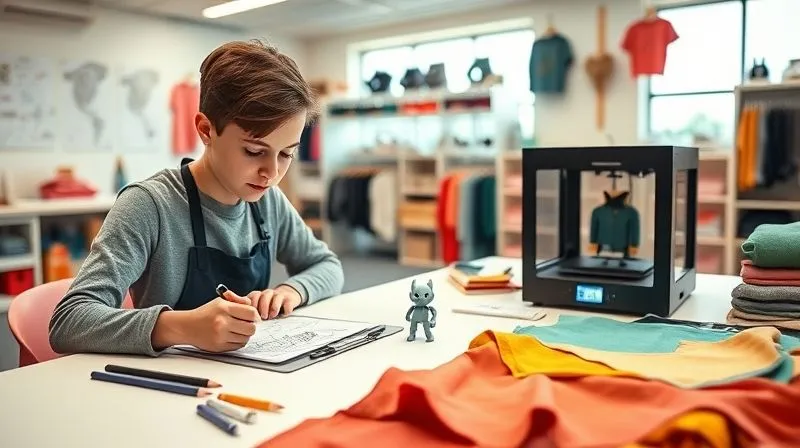
Leverage technologies like 3D design software and digital printing to accelerate the prototyping phase. The faster you can move from a concept to a tangible sample, the quicker you can test market viability and make adjustments. This agility is a competitive advantage when trends can shift in a blink.
Small Batch Testing & Feedback Loops
Before committing to a massive production run, consider small-batch testing. Release a limited collection to gauge initial consumer reaction. Utilize online surveys, social media feedback, and direct interactions to understand what's working and what isn't. This minimizes risk and allows for real-time course correction.
Case Study: TinyTrendz Apparel's Agile Launch
TinyTrendz Apparel, a mid-sized kids' brand, identified an emerging character from a new animated series gaining traction on a niche streaming platform. Rather than waiting for widespread popularity, they initiated licensing talks early. Their design team rapidly developed 5-6 core garment styles, leveraging 3D prototyping. They then launched a limited 'Pre-Order Exclusive' campaign on their website and through a few key mommy bloggers. The overwhelming positive response and early sales data confirmed the trend. This allowed TinyTrendz to scale up production confidently, hitting the mainstream market just as the character's popularity exploded, securing a significant market share ahead of competitors. Their agile approach to forecasting and execution was the key to their success in this instance.
Marketing & Distribution: Echoing the Trend's Momentum
Even the best-forecasted and designed character apparel needs effective marketing and distribution to reach its audience. Your strategy should amplify the trend's natural momentum.
Influencer Marketing: Kids' Content Creators
Partner with kid-friendly influencers, family vloggers, or popular 'kidfluencers' on platforms like YouTube and Instagram. Authentic endorsements from trusted voices can significantly boost visibility and drive demand. Ensure these partnerships align with your brand values and adhere to advertising regulations for children's content.
Retail Placement & Visual Merchandising
Strategic retail placement is crucial. Target stores where your audience shops, from major department stores to specialty boutiques. Within stores, compelling visual merchandising that highlights the character's appeal and the garment's design can capture attention. Online, ensure your product pages are rich with engaging imagery and descriptions that tell the character's story.
Digital Campaigns & Parent Engagement
Develop digital campaigns that speak directly to parents. Highlight the quality, comfort, and safety of your apparel, alongside the character's appeal. Utilize social media advertising, email marketing, and content marketing (e.g., blog posts about the character's positive traits) to engage and inform your target demographic. According to a recent e-commerce trend report by Statista, personalized digital experiences are increasingly important for parental purchasing decisions.
Risk Mitigation & Inventory Management: Avoiding the Trend Trap
The flip side of accurately forecasting next big kids' character apparel trends is managing the inherent risks. Trends can be fickle, and overstocking is a common pitfall.
Flexible Supply Chains
Establish relationships with suppliers who can offer flexibility in order quantities and production timelines. This might mean working with manufacturers who specialize in smaller runs or have agile production capabilities. A flexible supply chain allows you to scale up quickly if a trend explodes or scale down if it fizzles out faster than anticipated.
Diversification of Offerings
Don't put all your eggs in one character basket. Diversify your character apparel portfolio across several promising characters or even different types of IP (e.g., classic characters, gaming characters, new animated series). This spreads your risk and increases your chances of catching a hit.
End-of-Life Planning for Character Lines
Have a clear strategy for managing inventory as a character's popularity wanes. This could involve planned markdowns, bundling with other products, or clearance sales. Proactive planning helps minimize losses and frees up capital for the next big trend.
Expert Insight: "In kids' character apparel, inventory is both your greatest asset and your biggest liability. Strategic forecasting is about maximizing the former while diligently minimizing the latter. Never chase a trend without a clear exit strategy."
| Risk Factor | Mitigation Strategy |
|---|---|
| Over-forecasting demand | Small-batch testing, flexible supply chains, pre-order campaigns |
| Character trend fades quickly | Diversified portfolio, quick design iterations, end-of-life planning |
| Licensing complications | Early engagement with licensors, legal review, clear contract terms |
| Production delays | Reliable suppliers, buffer time in timelines, contingency plans |
Continuous Learning & Adaptation: The Future is Fluid
The question of how to accurately forecast next big kids' character apparel trends is not a one-time answer; it's an ongoing process. The kids' entertainment and fashion landscape is constantly evolving, demanding continuous learning and adaptation.
Post-Launch Analytics & Performance Review
Once your character apparel is in the market, meticulously track its performance. Analyze sales data by character, garment type, and demographic. Gather customer feedback. What sold well? What didn't? Why? These insights are invaluable for refining your forecasting models and future character selections. Look for patterns and correlations.
Staying Ahead of the Curve: Scouting New IP
Dedicate resources to constantly scout for new intellectual property. Attend industry events, monitor emerging content platforms, and engage with creators. Building relationships within the entertainment and gaming industries can give you privileged early access to information about potential breakout characters. As marketing guru Seth Godin often says, "The market isn't a place, it's a conversation." Be part of that conversation.
Embracing Emerging Technologies
Keep an eye on technological advancements that could impact kids' entertainment and fashion. Augmented reality (AR) experiences, interactive clothing, or new forms of digital content could all introduce the next generation of beloved characters. The future of retail and entertainment, as explored in reports by institutions like Harvard Business Review, is increasingly intertwined with tech innovation.

Frequently Asked Questions (FAQ)
Q: How early should I start forecasting for kids' character apparel? Ideally, you should begin forecasting 12-18 months ahead for major trends, especially those tied to movie releases or significant content launches. For faster, more agile brands, 6-9 months can work for micro-trends, but this requires a highly responsive supply chain and design process.
Q: What if a character trend dies quickly after I launch? This is a common risk. Mitigation strategies include diversifying your character portfolio, utilizing flexible supply chains for smaller initial runs, and having a clear end-of-life plan for inventory. Learning from these instances is crucial for future forecasting accuracy.
Q: How important is sustainability in kids' character apparel? Extremely important. Modern parents are increasingly conscious of environmental and ethical production practices. Integrating sustainable materials, responsible manufacturing, and transparent supply chains can be a significant differentiator and build trust, even with character-focused products.
Q: Can small brands compete with big licensees in the character apparel space? Absolutely. Small brands can often be more agile, specializing in niche characters or offering unique design interpretations that larger licensees might overlook. Focusing on quality, unique styles, and building a strong community around your brand can create a competitive edge.
Q: What's the biggest mistake brands make when trying to forecast kids' character apparel? The biggest mistake is relying solely on personal opinion or anecdotal evidence. Without a data-driven, multi-faceted approach that considers both macro trends and kid-specific insights, brands are essentially guessing, leading to costly inventory errors and missed opportunities.
Key Takeaways and Final Thoughts
- Embrace a Multi-Layered Approach: Combine digital data, toy industry signals, streaming analytics, and direct 'kid-sense' to form a comprehensive view.
- Understand the 'Why': Go beyond surface-level popularity to understand the emotional connection and story arc that makes a character resonate.
- Build Strategic Partnerships: Proactively engage with licensors and navigate agreements carefully to secure rights and ensure brand alignment.
- Prioritize Agility & Speed: Implement rapid prototyping and flexible supply chains to capitalize on trends quickly and minimize risk.
- Mitigate Risk Proactively: Diversify your offerings and have clear inventory management strategies for fluctuating demand.
- Commit to Continuous Learning: The forecasting journey never ends. Analyze performance, scout new IP, and adapt to technological shifts.
The challenge of how to accurately forecast next big kids' character apparel trends is substantial, but it's also incredibly rewarding. By adopting the structured, expert-driven framework I've outlined, you're not just predicting the future; you're actively shaping your brand's success within it. Go forth, analyze, create, and capture the hearts (and wardrobes) of the next generation of character enthusiasts.
Recommended Reading
- 7 Proven Strategies: Consistently Sourcing Quality Secondhand Apparel
- 7 Steps to Ethically Source Sustainable Luxury Fabrics for Bespoke Suits
- Ethical Provenance: 7 Steps to Verify Luxury Brand's Exotic Skins
- 5 Strategic Ways: Project Executive Power Through Your Workwear Choices
- 7 Keys to Intentional Oversized Streetwear: Ditch the Sloppy Look




Your email address will not be published. Required fields are marked *