

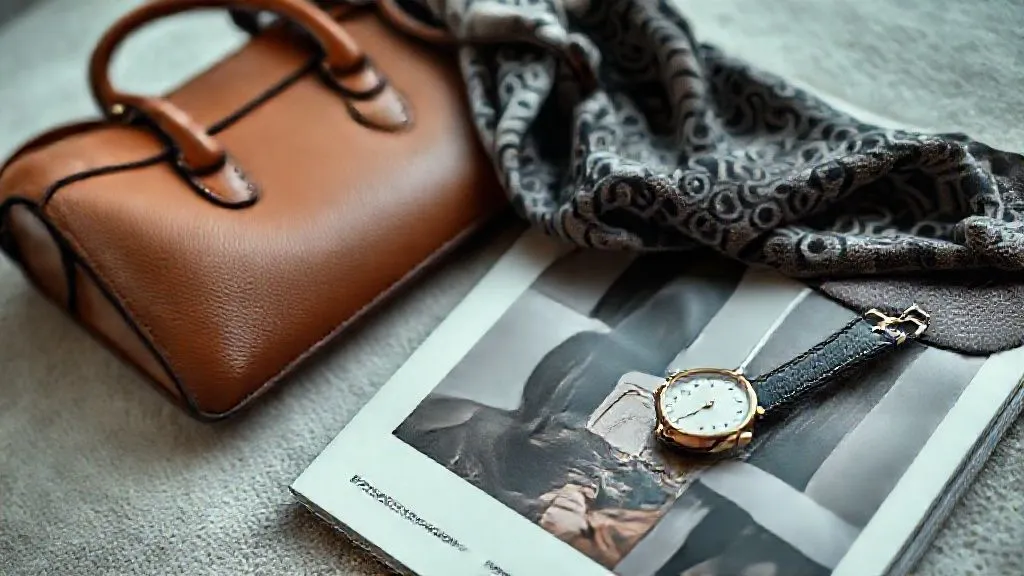
How can luxury fashion brands secure unpaid editorial features?
For over two decades in the luxury fashion ecosystem, I've observed countless brands, some with immense potential and unparalleled craftsmanship, struggle with a fundamental challenge: achieving impactful visibility without an astronomical marketing budget. The allure of seeing your brand grace the pages of Vogue, Harper's Bazaar, or W Magazine, not as an advertisement but as genuine editorial content, is the ultimate aspiration.
The path to securing these coveted, unpaid editorial features often feels like navigating a labyrinth, especially when competing with industry giants and their formidable PR machines. Many brands fall into the trap of thinking that only paid placements guarantee exposure, or that editors are simply unreachable. This mindset, I've seen, is a significant barrier, leading to missed opportunities and underutilized brand narratives.
This article isn't about buying ad space; it's about earning it. Drawing from my experience, I'll share the frameworks, insider strategies, and nuanced approaches that I've seen consistently work for luxury fashion brands aiming for coveted editorial real estate. We'll explore how to build relationships, craft compelling narratives, and understand the editorial mindset to make your brand an irresistible story for top-tier publications.
Understanding the Editorial Landscape: Beyond the Pitch
Before you even think about pitching, it's crucial to grasp the ecosystem you're entering. The world of high fashion magazines is complex, driven by trends, narratives, and the constant pursuit of fresh, engaging content that resonates with their discerning readership.
The Editor's Mindset: What Truly Captivates?
Editors, stylists, and journalists at prestigious publications are inundated with pitches daily. Their primary objective isn't to feature every new brand; it's to curate compelling stories that uphold their magazine's aesthetic, authority, and voice. They are looking for authenticity, a unique narrative, exclusivity, and relevance to current or emerging trends. They want content that adds value to their readers, not just a product placement.
Distinguishing Editorial from Advertorial: The Critical Difference
One of the most common missteps I've witnessed is brands blurring the lines between editorial and advertorial. Paid content, or advertorials, are clearly marked and serve a promotional purpose. Unpaid editorial, however, is earned media – it's content deemed newsworthy or culturally significant enough to be featured purely on its merit. This distinction is vital for maintaining the publication's integrity and your brand's credibility. Editors fiercely protect their editorial independence.
Expert Insight: "The most valuable editorial features are those where your brand's story naturally aligns with the publication's narrative, not forced. It's about becoming a source, not just a subject."
Understanding this fundamental difference will reshape your approach, shifting it from mere promotion to genuine storytelling and value creation.

Cultivating an Irresistible Brand Narrative and Visual Identity
In luxury fashion, your story is your currency. Without a compelling, authentic narrative and a flawless visual identity, even the most exquisite product can get lost in the noise. This is where many brands falter, focusing solely on product instead of the deeper meaning it embodies.
Defining Your Unique Story: Beyond the Product
What makes your luxury brand unique? Is it a rich heritage passed down through generations, unparalleled craftsmanship, groundbreaking innovation, or a powerful commitment to sustainability and ethical practices? Your narrative should be clear, concise, and emotionally resonant. It needs to answer: why does your brand exist, and why should anyone care? I often advise brands to look inwards, beyond the collection, to the very soul of their enterprise.
- Heritage & Legacy: Stories of founders, historical significance, traditional techniques.
- Craftsmanship & Artisanship: The human touch, rare skills, attention to detail.
- Innovation & Vision: New materials, design philosophy, forward-thinking concepts.
- Sustainability & Ethics: Responsible sourcing, environmental impact, fair labor.
- Cultural Impact: Connection to art, music, social movements.
Mastering Visual Storytelling: The Language of Luxury
Luxury fashion lives and breathes through visuals. High-quality imagery is non-negotiable. This includes your campaign photography, lookbooks, social media presence, and website. Every visual touchpoint must exude the same level of sophistication, aspiration, and quality as your products. Editors need to envision your brand seamlessly fitting into their pages, and that starts with impeccable photography.
I've seen brands with incredible products fail because their visual assets were subpar, making it impossible for editors to feature them. Invest in top-tier photographers, stylists, and art directors who understand the nuances of luxury aesthetics. Consistency across all platforms builds a strong, recognizable brand identity that editors can trust.
Strategic Relationship Building: The Foundation of Earned Media
Securing unpaid editorial features is fundamentally about relationships. You're not just pitching a product; you're building a connection with individuals who hold the keys to invaluable media exposure. This isn't a transactional process; it's an ongoing cultivation of trust and mutual respect.
Identifying Key Media Contacts: Precision Targeting
Blindly sending out mass emails is a recipe for failure. Instead, meticulously research the publications and specific sections where your brand would be a natural fit. Identify the exact editors, stylists, or writers who cover your niche. For instance, if your brand specializes in sustainable luxury accessories, target the accessories editor or the sustainability editor at relevant publications. LinkedIn, mastheads, and even following their work on social media are excellent starting points.
The Art of the Pre-Pitch Relationship: Genuine Engagement
Before you ever send a pitch, engage with these contacts. Follow them on social media, comment thoughtfully on their articles, and attend industry events where they might be present. The goal is to become a familiar, respected presence, not an unknown sender in their inbox. When you do eventually pitch, they'll recognize your name, which significantly increases your chances of getting noticed. This takes time, but the payoff is immense. As Harvard Business Review emphasizes, genuine networking is about giving value first.
- Research Thoroughly: Understand the editor's beat, recent articles, and personal interests.
- Engage Authentically: Share their work, offer constructive comments, participate in relevant discussions.
- Attend Industry Events: Make in-person connections when appropriate, but don't hard-sell.
- Offer Value First: Share insights, trends, or resources that might genuinely interest them, without asking for anything in return.
- Be Patient: Building trust takes time; don't rush the process.
Crafting the Perfect Pitch: Precision and Personalization
Once you've done your groundwork, the pitch itself needs to be a masterclass in precision and personalization. This is where your brand's unique story meets the editor's specific needs.
Research Before You Reach Out: Tailoring Your Message
Every pitch must be tailored. A generic press release will be ignored. Refer to a specific article the editor wrote, a section of the magazine you admire, or a trend they've been covering. Explain *why* your brand is a perfect fit for *their* specific audience and *their* current editorial direction. Show them you've done your homework.
Elements of a Winning Pitch Email: Brevity and Value
Editors are busy. Your email needs to be concise, compelling, and get straight to the point. The subject line is paramount – it should be intriguing and informative, not vague. The body should clearly articulate your brand's story, why it's newsworthy, and what unique value it offers the publication's readers. Always include high-resolution imagery or a link to a curated press kit. I always advise a maximum of 3-4 short paragraphs.
Case Study: The Artisan Atelier's Breakthrough
"The Artisan Atelier," a small luxury handbag brand known for its exquisite, hand-stitched leather goods and commitment to preserving traditional craftsmanship, initially struggled to gain traction with major fashion publications. Their founder, Maria, spent six months meticulously researching the accessories editors at Elle and Harper's Bazaar. She followed their work, commented on their Instagram posts, and even sent a personalized note after one editor spoke at an industry event, expressing admiration for her insights on sustainable luxury. When Maria finally pitched, she highlighted not just the beauty of her bags, but the compelling story of the last remaining artisans in her region who hand-stitch each piece. She offered an exclusive interview with one of the master craftswomen and provided stunning, editorial-ready imagery. The personalized approach and compelling narrative resulted in a multi-page feature in Elle's 'Craftsmanship Spotlight' section, leading to a 300% increase in website traffic and a significant boost in sales and brand recognition.
| Element | Best Practice |
|---|---|
| Subject Line | Intriguing, specific, value-driven (e.g., 'Exclusive: New Sustainable Luxury Footwear Collection for [Magazine Name]') |
| Opening Hook | Personalized reference to their work, immediate relevance |
| Brand Story | Concise, compelling, unique selling proposition (USP) |
| Newsworthiness | Why now? (e.g., trend alignment, launch, unique angle) |
| Call to Action | Clear, simple request (e.g., 'Would you be open to a brief chat?', 'Link to press kit/high-res images') |
| Attachments | Avoid heavy attachments; use links to a well-organized press kit |

Leveraging Influencers and Collaborations for Editorial Buzz
In today's interconnected world, the lines between traditional media and digital influence are increasingly blurred. Strategic collaborations and influencer engagement can create a powerful ripple effect, generating buzz that naturally attracts editorial attention.
Strategic Influencer Alignment: Authenticity Over Follower Count
Forget chasing mega-influencers with millions of followers if their audience doesn't align with your luxury brand. Focus on micro- and nano-influencers who have highly engaged, niche communities relevant to your target demographic. Their recommendations often carry more weight and authenticity. Collaborate with them on content that feels natural and organic, showcasing your products in real-life, aspirational contexts. This creates genuine excitement that editors notice.
Curated Brand Collaborations: Amplifying Your Story
Partnering with another luxury brand, an artist, or even a cultural institution can create an exciting narrative that's inherently newsworthy. Think limited-edition capsule collections, co-designed pieces, or joint events. These collaborations generate unique stories that are often more appealing to editors because they offer a fresh perspective and combine the strengths of two entities. As Harvard Business Review notes, strategic alliances can unlock significant value.
Ensure any collaboration aligns perfectly with your brand values and target audience. A mismatched partnership can dilute your brand identity rather than amplify it. The goal is to create something truly special that sparks conversation and demonstrates innovation or shared values.
The Power of Exclusivity and Timeliness
Editors are always looking for 'the scoop' – something new, exciting, and not yet widely seen. Offering exclusivity and understanding editorial calendars are powerful tools in your arsenal for securing unpaid features.
Offering Exclusive Scoops: First Looks and Limited Releases
When you have a new collection, a groundbreaking innovation, or a unique brand development, consider offering an exclusive first look to a specific top-tier publication. This could be an exclusive interview with your creative director, a sneak peek at a campaign, or early access to a limited-edition launch. This demonstrates trust and provides the editor with content that no one else has, making it incredibly appealing.
Understanding Editorial Calendars: Seasonal Relevance and Trend Forecasting
Magazines plan their content months in advance. Research their editorial calendars, which are often available online or through media kits. If you want to be featured in a fall fashion issue, your pitch needs to be sent in late spring or early summer. Align your product launches and brand stories with seasonal trends, holidays, or major fashion events. Being timely and relevant significantly increases your chances of securing coverage. I always tell my clients to think 3-6 months ahead of the curve.
Expert Insight: "Exclusivity is a powerful bargaining chip. Offer a top-tier publication something they can't get anywhere else, and you become an invaluable source, not just another brand."
Measuring Impact and Sustaining Momentum
Securing an unpaid editorial feature is a victory, but the work doesn't end there. Measuring its impact and nurturing those media relationships are crucial for long-term success and continued visibility.
Beyond Impressions: Qualitative Metrics and Brand Sentiment
While impressions and reach are important, for luxury brands, qualitative metrics often tell a richer story. Monitor brand sentiment, the quality of engagement, website traffic spikes, and direct inquiries. Did the feature resonate with your target audience? Did it enhance your brand's prestige and desirability? Tools for social listening and website analytics can provide these insights. The goal isn't just quantity of mentions, but the quality and impact of those mentions.
Nurturing Long-Term Media Relationships: Follow-Up and Gratitude
After a feature, always send a personalized thank-you note to the editor or journalist. Share the article on your social media channels, tagging the publication and writer. Keep them updated on relevant brand news, but sparingly and thoughtfully. Don't disappear until you need something again. Long-term relationships are built on consistent, respectful engagement, transforming a one-off feature into a lasting connection. As PR Week often discusses, the true value of earned media extends far beyond initial publication.
| Metric Category | Key Metric |
|---|---|
| Reach & Visibility | Impressions, Estimated Readership, Website Referrals |
| Brand Perception | Brand Sentiment (positive/neutral/negative), Mentions of Key Brand Values |
| Engagement | Social Shares, Comments, Direct Inquiries |
| Business Impact | Website Traffic Increase, Conversion Rate (if trackable), Sales Lift, New Customer Acquisition |
| Media Relationship | Number of Follow-Up Interactions, Future Collaboration Opportunities |
Frequently Asked Questions (FAQ)
How long does it typically take to secure an unpaid editorial feature? The timeline can vary significantly. Building relationships and getting noticed by editors is a long game, often taking months, sometimes even a year, before a feature materializes. Patience and persistence are key. Immediate results are rare for truly earned media.
What if my luxury brand is new and doesn't have a long heritage? A lack of heritage isn't a barrier; it's an opportunity to create a new narrative. Focus on your brand's innovative design, sustainable practices, unique craftsmanship, or the visionary story of your founder. Emphasize what makes your brand relevant and exciting for the future of luxury fashion.
Should I hire a PR agency, or can I do this in-house? Both approaches have merits. An experienced luxury fashion PR agency brings established contacts and expertise, often accelerating the process. However, if your budget is limited, an in-house team or even a dedicated founder can achieve success by meticulously following the strategies outlined here, focusing on genuine relationship building and compelling storytelling. The key is consistency and a strategic approach.
What's the biggest mistake brands make when seeking editorial features? The most common mistake is making it all about 'me, me, me.' Brands often pitch without understanding the publication's needs or the editor's beat, or they send generic, self-promotional messages. The focus should always be on offering value to the editor and their readers, not just promoting your product.
How do I handle rejections gracefully and learn from them? Rejection is part of the process. Always respond politely, thank them for their time, and ask if they have any brief feedback you could consider for future pitches. Don't take it personally. Use the experience to refine your approach, improve your story, or target different publications. It's a learning opportunity.
Key Takeaways and Final Thoughts
Securing unpaid editorial features for a luxury fashion brand is an art, not a science, but it's an art grounded in strategic principles and genuine effort. It demands more than just a beautiful product; it requires a compelling narrative, impeccable visuals, relentless relationship building, and an innate understanding of the editorial landscape.
- Invest in Your Story: A unique, authentic brand narrative is your most powerful asset.
- Master Your Visuals: High-quality imagery is non-negotiable for luxury fashion.
- Build Real Relationships: Earned media is built on trust and mutual respect with editors.
- Personalize Every Pitch: Generic approaches yield generic results. Tailor your message.
- Offer Exclusivity & Timeliness: Give editors a reason to feature you first and relevantly.
- Measure & Nurture: Understand impact and maintain connections for long-term success.
In my experience, the brands that consistently earn coveted editorial features are those that approach media relations with patience, strategic foresight, and a deep respect for the editorial process. It’s about being a valuable source, not just a seller. Embrace these strategies, and you'll not only secure those coveted placements but also build enduring brand prestige that resonates far beyond a single feature. Your brand's story deserves to be told, and with these insights, you're now equipped to tell it in the most impactful way.
Recommended Reading
- 5 Proven Ways to Review Gifted Fashion Without Losing Reader Trust
- 7 Ways Cultural Shifts Are Redefining Fashion Eyewear Design
- Client-Ready Business Casual: 7 Ways to Master Your Meeting Attire
- 7 Steps to Zero Waste: Design Clothing Patterns, Eliminate Fabric Waste
- 7 Ways to Elevate Your Street Style Portfolio for Luxury Brands

Your email address will not be published. Required fields are marked *