

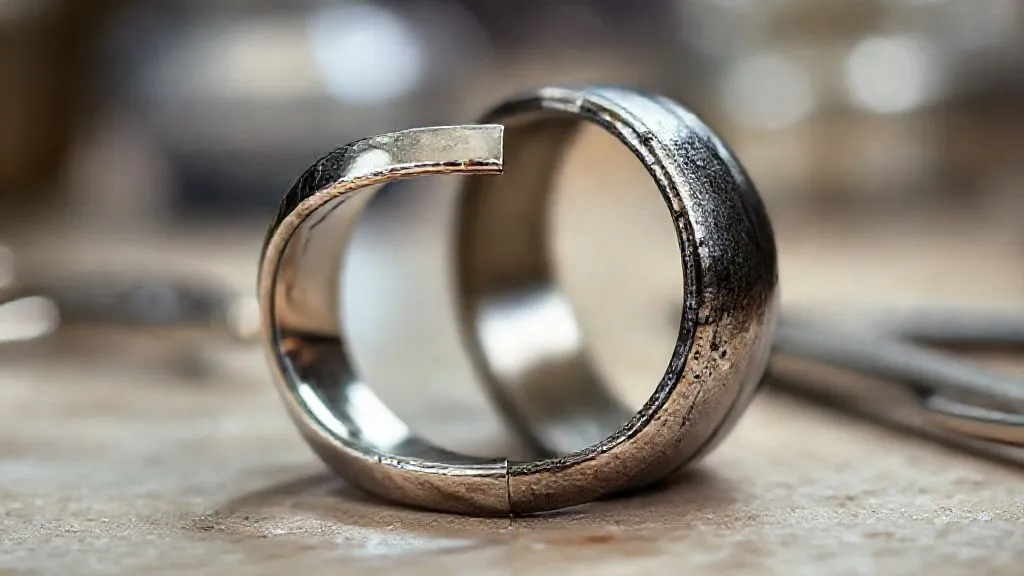
What to do when your custom jewelry design tarnishes unexpectedly
For over two decades in the intricate world of jewelry design and craftsmanship, I've witnessed the profound connection people form with their custom pieces. There's a story, a sentiment, an identity woven into every curve and facet. So, when a client approaches me, eyes clouded with dismay, holding a beloved custom ring or pendant that has unexpectedly succumbed to tarnish, I understand their anguish deeply. It's more than just a piece of metal discolored; it feels like a betrayal of something cherished.
This isn't an uncommon scenario, and I assure you, you're not alone in facing this frustrating problem. The unexpected darkening or dulling of a custom piece can be perplexing, especially when you've invested not just financially, but emotionally. It raises questions about the quality, the care, and often, a sense of helplessness about how to restore its original luster without causing further damage.
But here's the good news: unexpected tarnish, while disheartening, is almost always treatable and, more importantly, preventable. In this comprehensive guide, I'll draw upon my extensive experience to demystify why your custom jewelry might be tarnishing, provide you with actionable, step-by-step frameworks for safe restoration, and arm you with expert insights on long-term prevention. Consider this your definitive resource to protect and preserve the beauty of your unique creations.
Unmasking the Culprit: Why Does Custom Jewelry Tarnish?
To effectively address tarnish, we must first understand its nature. Tarnish isn't necessarily a sign of poor quality; rather, it's a natural chemical reaction that occurs on the surface of certain metals when they come into contact with various elements in their environment. Think of it as a surface-level corrosion, often a thin layer of sulfide or oxide, that dulls the metal's shine.
The common culprits behind this unwelcome transformation are numerous: sulfur compounds found in the air (especially from pollution), moisture, the natural oils and acidity of our skin, cosmetics, perfumes, cleaning products, and even certain foods. These elements react with the metal, particularly its alloy components, leading to discoloration that can range from a slight yellowing to a deep black crust.
Different metals react differently. Sterling silver, for instance, is notorious for forming silver sulfides, creating that characteristic black film. Gold, especially lower karat gold, often tarnishes due to its copper or silver alloys, while copper itself develops a beautiful, but distinct, green or brown patina. Understanding your specific metal is the first critical step in effective tarnish management.
Expert Insight: "Never assume tarnish is a sign of fake jewelry. More often than not, it's a testament to the metal's natural properties interacting with its environment. Understanding this interaction is key to both restoration and prevention."
The Role of Alloys and Purity
The purity of your jewelry's metal plays a significant role in its susceptibility to tarnish. Pure gold (24K) and pure silver (fine silver, 99.9%) are highly resistant to tarnish because their atomic structures are less reactive. However, pure metals are often too soft for everyday wear, which is why jewelers create alloys—mixtures of metals—to enhance durability, strength, and sometimes, color.
Sterling silver, for example, is 92.5% pure silver and 7.5% other metals, typically copper. It's this copper content that largely contributes to sterling silver's propensity to tarnish, as copper readily reacts with sulfur in the air. Similarly, lower karat gold (like 10K or 14K) contains a higher percentage of base metals like copper, silver, or zinc in its alloy, making it more prone to oxidation and tarnish compared to 18K or 22K gold. Platinum and palladium, on the other hand, are naturally very stable and highly tarnish-resistant, though platinum can develop a slight patina over time due to microscopic scratches.
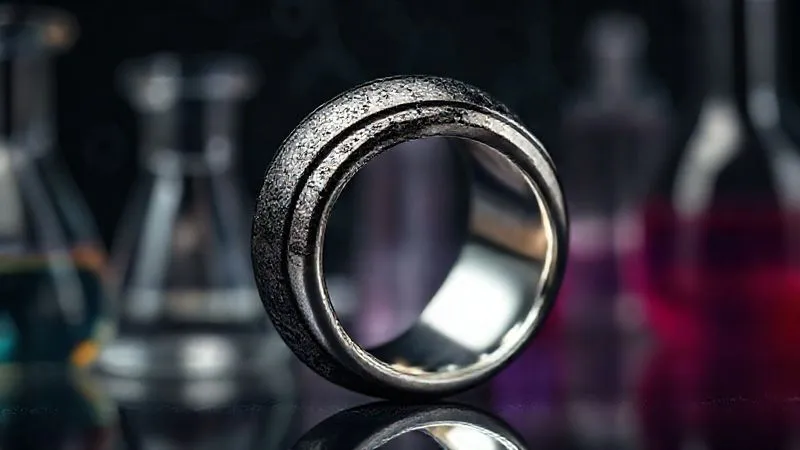
Immediate Action: Assessing the Tarnish and Your Jewelry
When you discover unexpected tarnish, the instinct might be to grab the nearest cleaner. Resist that urge! A thoughtful assessment is paramount to prevent accidental damage, especially with custom designs that might feature unique finishes, delicate settings, or unusual gemstones. My advice is always to approach this process with a detective's mindset.
- Identify the Metal Type: The first and most crucial step. Check for hallmarks (e.g., '925' for sterling silver, '14K' or '585' for 14-karat gold, 'PLAT' for platinum). If you have the original design documents or receipt, consult them. Knowing the exact metal dictates the appropriate cleaning method.
- Assess Tarnish Severity: Is it a light, superficial film that dulls the shine, or a thick, black, crusty buildup? Light tarnish is often easier to remove with gentle home remedies, while severe tarnish might require professional intervention.
- Check for Gemstones and Delicate Elements: This is critical. Are there pearls, opals, turquoise, emeralds, or other porous or fragile gemstones? Are there delicate enamel details, glues, or intricate filigree work? Many cleaning solutions safe for metal can severely damage these elements. Pearls, for instance, are particularly sensitive to acids and abrasive materials.
- Note Any Coatings or Platings: Is your silver jewelry rhodium-plated? Is there a lacquer finish? Harsh cleaning methods can strip these protective layers, altering the look of your custom piece. Rhodium plating, common on white gold and some sterling silver, needs very gentle care to preserve its bright, white finish.
This initial assessment will guide your subsequent actions, ensuring you choose the safest and most effective path to restoring your jewelry's brilliance without compromising its integrity. Remember, patience and caution are your best allies here.
Gentle & Effective Home Remedies for Tarnished Jewelry
For light to moderate tarnish, especially on solid metal pieces without delicate or porous gemstones, several home remedies can be surprisingly effective. I always recommend starting with the least abrasive and gentlest methods first, gradually escalating if needed.
Method 1: The Baking Soda & Aluminum Foil Trick (for Silver)
This method works wonders for sterling silver by creating an electrochemical reaction that reverses the tarnish, effectively pulling the sulfur from the silver onto the aluminum foil. It's fascinating to watch and incredibly effective for silver pieces without gemstones that can be damaged by water or heat.
- Gather Materials: You'll need a ceramic or glass bowl, aluminum foil, baking soda, salt, and hot (but not boiling) water.
- Prepare the Bowl: Line the bowl completely with aluminum foil, shiny side up.
- Add Ingredients: Place your tarnished silver jewelry on the foil. Sprinkle 1 tablespoon of baking soda and 1 tablespoon of salt over the jewelry.
- Submerge: Carefully pour enough hot water into the bowl to completely submerge the jewelry. You'll often see bubbles and a slight sulfurous smell as the reaction occurs.
- Soak, Rinse, and Buff: Let it soak for 5-10 minutes (or longer for heavier tarnish, up to 30 minutes). Remove the jewelry, rinse thoroughly under cool water, and dry completely with a soft, lint-free cloth. You should see a significant reduction in tarnish, often a complete disappearance.
Method 2: Mild Soap and Water (for Gold, Platinum, General Light Tarnish)
This is the safest and most universally applicable method for virtually all jewelry, including pieces with most gemstones (though always check for porous stones like pearls and opals). It's best for removing oils, dirt, and very light, superficial tarnish.
- Prepare Solution: Fill a small bowl with warm water and add a few drops of mild, non-detergent dish soap (like Dawn). Avoid soaps with harsh chemicals, fragrances, or moisturizers.
- Gentle Scrub: Submerge your jewelry and let it soak for 5-10 minutes. Then, using a very soft-bristled toothbrush (a baby toothbrush works well) or a soft cloth, gently scrub the jewelry, paying attention to crevices.
- Rinse Thoroughly: Rinse the jewelry under cool, running water to remove all soap residue. Ensure the drain is closed if rinsing over a sink!
- Dry Completely: Pat the jewelry dry with a soft, lint-free cloth. For intricate pieces, you can use a hairdryer on a cool, low setting to ensure all moisture is gone, as residual water can lead to new tarnish.
Method 3: Commercial Polishing Cloths and Dips (Use with Caution)
Commercial polishing cloths are often impregnated with a gentle cleaning agent and a fine abrasive. They are excellent for restoring shine and removing light tarnish from solid metals. For deeper tarnish, especially on silver, specialized silver dips are available. However, these dips contain strong chemicals and should be used with extreme caution.
Always follow the product instructions precisely. Never use silver dips on jewelry with pearls, opals, turquoise, or other porous/organic gemstones, as they can cause irreversible damage. They can also strip rhodium plating. My general advice is to opt for polishing cloths over dips for custom pieces, as cloths offer more control and are less likely to cause harm.
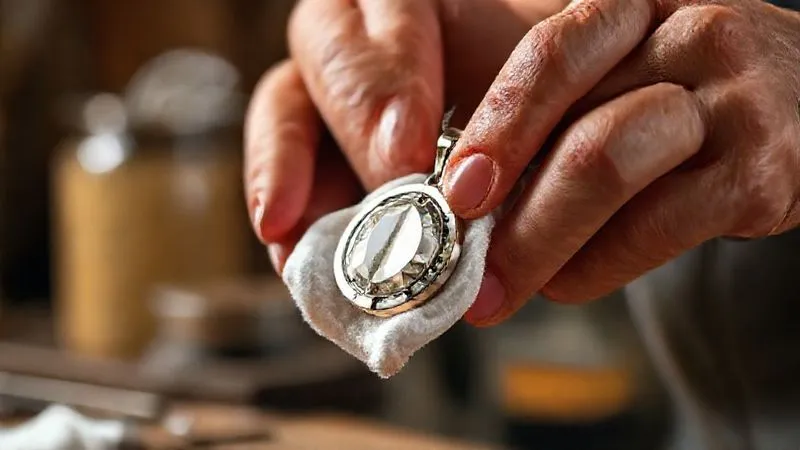
When to Call the Professionals: Deep Tarnish and Delicate Designs
While home remedies are effective for many situations, there are distinct circumstances where professional intervention isn't just recommended, but essential. Knowing when to step back and seek expert help can save your cherished custom piece from irreversible damage.
- Severe, Stubborn Tarnish: If the tarnish is deep, crusty, and resistant to gentle home cleaning methods, a professional jeweler has access to specialized equipment (like ultrasonic cleaners or steam cleaners) and solutions that can remove it safely without harming the metal.
- Antique or Heirloom Pieces: These often have unique construction methods, delicate settings, or materials that require expert handling. Their historical value also warrants a cautious approach.
- Jewelry with Porous or Fragile Gemstones: Pearls, opals, turquoise, coral, amber, and emeralds are particularly susceptible to damage from water, heat, chemicals, and abrasives. A professional knows how to clean around these stones or use dry cleaning methods.
- Pieces with Intricate Filigree, Delicate Settings, or Enamel Work: The tiny crevices in filigree can trap tarnish and dirt, which are hard to reach at home. Delicate settings can be loosened by aggressive scrubbing, and enamel can chip or crack if not handled correctly.
- Rhodium-Plated Items: While rhodium plating is protective, harsh chemicals or abrasive polishing can strip it away, revealing the base metal (often yellow gold or sterling silver) underneath. Professionals can clean these pieces gently and, if necessary, re-plate them.
- Uncertainty About Metal Type or Previous Repairs: If you're unsure about the metal composition, or if your piece has had previous repairs (like soldering with different metals), a professional can assess it accurately and choose the safest method.
Case Study: Sarah's Vintage Engagement Ring
Sarah inherited a beautiful, custom-designed engagement ring from her grandmother. It featured a delicate filigree setting and a central opal, but years of neglect had left it with a deep, almost black tarnish that obscured its original beauty. Sarah, eager to restore it, tried the baking soda and foil method she'd read about online. While it helped somewhat on the exposed silver, she noticed the opal seemed duller, and some of the intricate filigree remained stubbornly dark. Worried, she brought it to her local jeweler.
The jeweler immediately identified the opal's sensitivity and the complexity of the filigree. They used a combination of gentle, specialized ultrasonic cleaning (carefully avoiding the opal) and hand-polishing with non-abrasive compounds designed for vintage silver. The result was stunning: the ring's original brilliance returned, the filigree was spotless, and the opal remained unharmed. Sarah learned a valuable lesson: for truly delicate or deeply tarnished pieces, professional expertise is invaluable, safeguarding both the beauty and integrity of sentimental jewelry.
Expert Insight: "A professional jeweler isn't just a cleaner; they're a conservator. Their expertise extends beyond simple tarnish removal to understanding metal fatigue, gemstone vulnerabilities, and the specific historical context of a piece. When in doubt, always consult an expert."
For more insights into identifying precious metals and gemstones, which is crucial for appropriate care, I often recommend resources from authoritative bodies like the Gemological Institute of America (GIA), a global leader in gemology.
Prevention is the Best Cure: Safeguarding Your Custom Creations
Once your custom jewelry is restored to its former glory, the focus shifts to prevention. Proactive care is the most effective strategy for maintaining its luster and avoiding future tarnish. Based on years of observation and client feedback, I've distilled the most impactful prevention strategies into these actionable steps:
- Proper Storage is Paramount:
- Airtight Bags: Store individual pieces in small, airtight plastic bags (zip-top sandwich bags work well). This minimizes exposure to air and humidity, which are primary drivers of tarnish.
- Anti-Tarnish Strips: For silver, place anti-tarnish strips or cloths inside your storage bags or jewelry box. These absorb sulfur and other airborne pollutants that cause tarnish.
- Separate Compartments: Prevent scratching and tangling by storing pieces separately. This is especially important for custom designs with delicate details or soft gemstones.
- Cool, Dry Place: Avoid storing jewelry in humid environments like bathrooms. A jewelry box lined with anti-tarnish fabric, placed in a dresser drawer, is ideal.
- Avoid Harsh Chemicals and Cosmetics:
- "Last On, First Off": Make jewelry the last thing you put on in the morning (after perfume, lotion, hairspray) and the first thing you take off at night.
- Household Cleaners: Never wear jewelry while cleaning with bleach, ammonia, or other harsh chemicals. These can cause immediate and severe damage, not just tarnish.
- Swimming Pools/Hot Tubs: Chlorine is highly corrosive to most metals and can cause irreparable damage.
- Remove Before Activities:
- Showering/Bathing: Soap residue can build up, and humidity accelerates tarnish.
- Exercising: Sweat contains salts and oils that can accelerate tarnish, and physical activity increases the risk of damage.
- Sleeping: Reduces wear and tear, and prevents exposure to skin oils and products.
- Regular Gentle Cleaning: Make it a habit to wipe down your jewelry with a soft, lint-free cloth after each wear. This removes skin oils, dirt, and cosmetic residues before they can cause significant tarnish.
- Control Humidity: In very humid climates, consider using silica gel packets in your jewelry box to absorb excess moisture.
- Professional Check-ups: Consider having your custom pieces professionally inspected and cleaned annually. A jeweler can spot potential issues (like loose stones or worn prongs) before they become major problems, and give your piece a thorough, safe cleaning.
Understanding which common household chemicals can harm your jewelry is crucial. For detailed information on chemical interactions, resources from organizations like the Environmental Protection Agency (EPA) can offer insights into substances to avoid.
| Material | Tarnish Trigger | Prevention Tip |
|---|---|---|
| Sterling Silver | Sulfur compounds, humidity, skin oils, cosmetics | Airtight bag with anti-tarnish strip, remove for activities, gentle wipe after wear |
| Gold (low karat) | Copper/silver content in alloys, chemicals, chlorine | Avoid chemicals, remove for swimming, regular mild soap cleaning |
| Platinum/Palladium | Surface scratches (not true tarnish), residue buildup | Minimal care, occasional buffing, professional polish for shine |
| Rose Gold | Higher copper content, skin acidity, chemicals | Similar to low karat gold, extra care with skin contact and products |
Understanding Your Metal: A Deeper Dive into Tarnish Resistance
As an industry veteran, I can tell you that a significant part of preventing unexpected tarnish comes from truly understanding the metallurgy of your custom pieces. Not all metals are created equal, and their inherent properties dictate their tarnish susceptibility and ideal care routines.
Sterling Silver (925)
Sterling silver is arguably the most common culprit for unexpected tarnish. Composed of 92.5% pure silver and 7.5% other metals (predominantly copper), it's the copper that readily reacts with hydrogen sulfide in the air to form silver sulfide, resulting in the characteristic black discoloration. This reaction is accelerated by humidity, skin oils, and contact with certain foods (like eggs or onions) or chemicals. Many sterling silver pieces are rhodium-plated, which provides a bright, tarnish-resistant layer, but this plating can wear off over time, especially in high-friction areas.
Gold (10K, 14K, 18K, 24K)
The purity of gold is measured in karats, with 24K being 100% pure. Pure gold is highly inert and does not tarnish. However, most gold jewelry is alloyed for strength and durability. Lower karat golds (10K, 14K) contain a higher percentage of base metals like copper, silver, nickel, or zinc. It's these alloy metals that can react with chemicals, skin oils, or sulfur compounds, leading to a dulling or darkening over time. White gold, often alloyed with nickel or palladium and typically rhodium-plated, can also show a yellowish tint if the plating wears off, but true tarnish is usually due to its base metal content. Rose gold, with its higher copper content, is also more prone to reacting with skin chemistry and environmental factors, leading to a subtle darkening or greenish hue.
Platinum & Palladium
These noble metals are highly valued for their exceptional durability and natural tarnish resistance. They are hypoallergenic and do not react with chemicals or air in the way silver or lower karat gold does. Platinum, while not tarnishing, can develop a slight patina over time—a subtle dulling of its high polish due to microscopic scratches. Many people appreciate this soft, matte finish, but it can be restored to a high shine with professional polishing. Palladium, often used as an alternative to platinum, shares similar properties, being lightweight, durable, and tarnish-proof.
Other Metals: Copper, Brass, Bronze
While less common for fine custom jewelry, these metals are often used in fashion or artisan pieces. They are highly reactive and are expected to tarnish or develop a patina. Copper will famously turn green, brass will darken to a brownish hue, and bronze will develop a range of colors. For these metals, the tarnish is often a desired aesthetic, but if you wish to clean them, the mild soap and water method is usually safe, followed by a specific metal polish if needed.
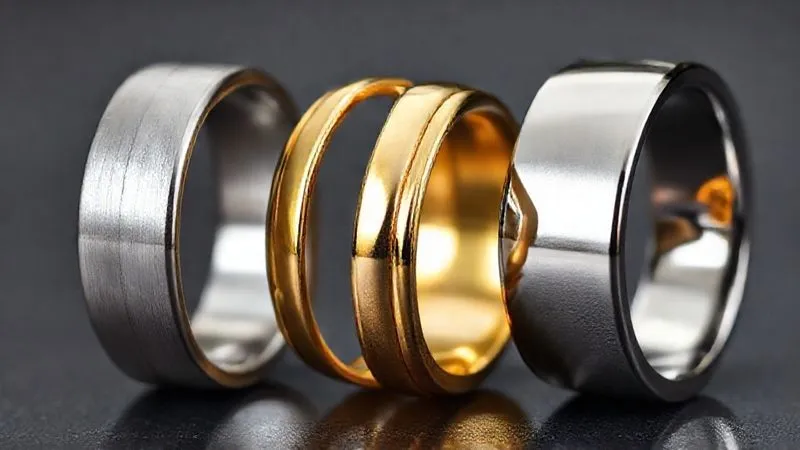
For more in-depth knowledge on the properties and reactions of various metals used in jewelry, academic resources like those from the American Chemical Society can provide valuable scientific context.
The Long-Term Perspective: Maintaining Your Investment
A custom piece of jewelry is more than just an accessory; it's an investment—an investment in artistry, sentiment, and often, significant financial value. Treating it with the respect it deserves, through consistent and informed care, ensures its longevity and beauty for generations to come. My philosophy has always been that proactive maintenance is far less costly and stressful than reactive repairs.
Beyond the immediate steps of cleaning and prevention, consider these long-term strategies to maintain your investment:
- Document Your Jewelry: Keep detailed records, including photos, descriptions of materials, purchase details, and any appraisals. This is invaluable for insurance purposes and for communicating with jewelers about your piece.
- Consider Insurance: For high-value custom pieces, jewelry insurance provides peace of mind against loss, theft, or irreparable damage.
- Educate Yourself Continually: The jewelry industry evolves, and new materials or care techniques emerge. Stay informed about best practices for your specific pieces.
Expert Insight: "Your custom jewelry tells a story. Proactive care ensures that story continues to be told brilliantly, without interruption from tarnish or damage. It's an act of stewardship for something truly unique."
Ultimately, the bond with your custom jewelry is personal and profound. By understanding the 'why' behind tarnish and implementing these expert-backed strategies, you empower yourself to be the best custodian of your cherished creations. You're not just cleaning metal; you're preserving memories, artistry, and a piece of your own story.
Frequently Asked Questions (FAQ)
Q1: Can tarnish permanently damage my custom jewelry? A: For most precious metals like silver and gold, tarnish itself is a surface-level reaction and does not cause permanent damage to the metal's integrity. It can, however, be unsightly and, if left unchecked for very long periods, might become harder to remove. The greater risk of permanent damage comes from using inappropriate or overly abrasive cleaning methods.
Q2: Is it safe to use toothpaste to clean tarnished jewelry? A: I strongly advise against using toothpaste. While it might appear to work due to its mild abrasive properties, most toothpastes contain harsh abrasives (like silica) that can scratch the surface of your jewelry, especially softer metals or plated items. This creates microscopic scratches that can actually attract more dirt and tarnish over time, making future cleaning harder and dulling the shine. Stick to methods specifically designed for jewelry.
Q3: My gold jewelry tarnished. Is it fake? A: Not necessarily. While pure 24K gold is highly tarnish-resistant, most gold jewelry (10K, 14K, 18K) is an alloy containing other metals like copper and silver to increase durability. It's these base metals in the alloy that react with sulfur, chemicals, or skin oils to cause tarnish. So, tarnishing on lower karat gold is quite normal and does not indicate it's fake.
Q4: How often should I clean my custom jewelry to prevent tarnish? A: For pieces worn frequently, a quick wipe with a soft cloth after each wear is ideal to remove oils and residues. A more thorough gentle cleaning with mild soap and water every few weeks or months, depending on wear and exposure, is recommended. For pieces stored away, ensure they are clean and dry before storage, ideally with anti-tarnish protection, and they might only need cleaning before wearing.
Q5: What are anti-tarnish strips, and do they work? A: Anti-tarnish strips are small paper or cloth inserts treated with a chemical that absorbs sulfur and other airborne pollutants that cause tarnish. They work by creating a protective micro-environment around your jewelry when stored in an airtight container. They are particularly effective for sterling silver and are a great preventative measure for long-term storage.
Key Takeaways and Final Thoughts
- Tarnish on custom jewelry, while frustrating, is a common chemical reaction that is almost always treatable and preventable.
- Understanding your specific metal's composition and its susceptibility to tarnish is the foundation for effective care.
- Always begin with a careful assessment of the jewelry's metal, gemstones, and tarnish severity before attempting any cleaning.
- Gentle home remedies like the baking soda/foil method for silver or mild soap and water for gold/platinum are effective for light to moderate tarnish.
- Know when to seek professional help for severe tarnish, delicate designs, or pieces with sensitive gemstones to prevent irreversible damage.
- Proactive prevention through proper storage, avoiding harsh chemicals, and regular gentle cleaning is the most powerful strategy for long-term preservation.
- Your custom jewelry is an investment in beauty and sentiment; consistent, informed care ensures its legacy.
In the world of custom jewelry, every piece tells a unique story. Don't let unexpected tarnish diminish its narrative. By arming yourself with this knowledge and applying these expert strategies, you can confidently restore and protect the brilliance of your treasured designs, ensuring they continue to shine as brightly as the memories they represent. Embrace the role of a knowledgeable guardian, and your custom creations will reward you with enduring beauty.
Recommended Reading
- 7 Proven Strategies: Monetize Style Tips Effectively on Your Fashion Blog
- The Ultimate Guide: How to Identify Rare Unique Vintage Clothing Finds
- Safeguarding Personalization: 7 Strategies for Fashion Data Privacy
- 7 Pillars: Build Unshakeable Trust in Body Positive Fashion Campaigns
- 7 Steps: Forecast Bridal Micro-Trends, Halt Inventory Losses Now


Your email address will not be published. Required fields are marked *