

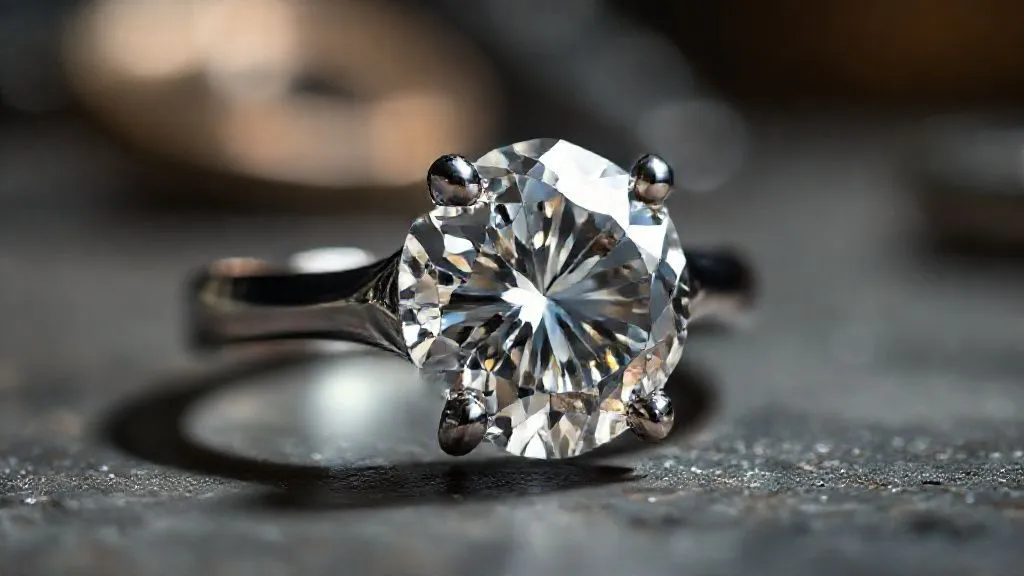
Introduction: What to do when platinum prongs fail on a high-value diamond ring?
For over 25 years in the intricate world of fine jewelry design and precious metals, I've witnessed the full spectrum of emotions associated with high-value diamond rings. From the joyous proposal to the daily comfort of wearing a cherished piece, these rings are more than just assets; they are repositories of memories and profound sentiment. However, I’ve also seen the sudden panic in a client's eyes when they realize a tiny, yet critical, component has failed: a platinum prong.
The thought of a high-value diamond, perhaps an heirloom or a significant investment, becoming insecure due to a failing prong is genuinely terrifying. It’s a problem that strikes at the heart of both financial security and emotional attachment. This isn't just about a repair; it's about safeguarding an irreplaceable treasure and restoring peace of mind.
In this definitive guide, I will walk you through the essential steps and expert insights on what to do when platinum prongs fail on a high-value diamond ring. We’ll cover everything from immediate actions and meticulous assessment to repair strategies, choosing the right expert, understanding costs, and crucially, how to prevent future failures. My goal is to equip you with the knowledge and confidence to navigate this challenge successfully.
Understanding Platinum and Why Prongs Fail
The Allure and Nuance of Platinum
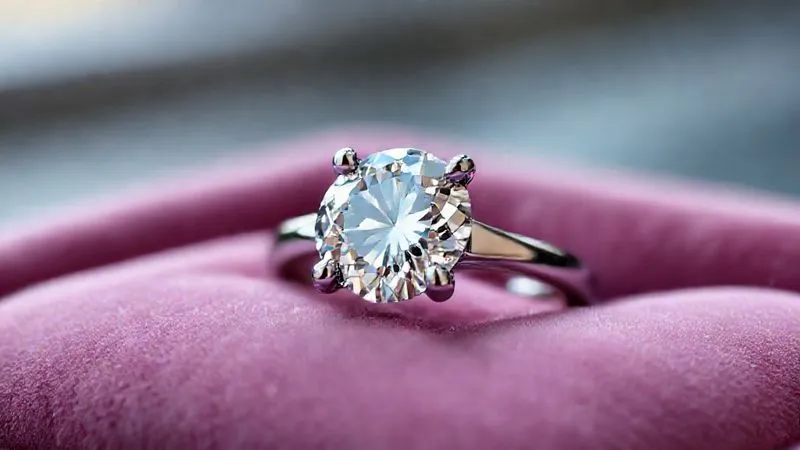
Platinum, often considered the king of white metals for fine jewelry, is celebrated for its exceptional durability, natural white luster, and hypoallergenic properties. Unlike gold, which is alloyed with other metals to achieve its strength and color, platinum is used in nearly pure form (typically 90-95% pure). This purity makes it incredibly dense and resilient, often mistaken for being impervious to wear.
However, platinum has a unique characteristic: while it is extremely tough and resistant to corrosion, it is also softer and more malleable than gold. When platinum experiences impact or wear, it doesn't lose material in the same way gold does; instead, it tends to 'move' or displace. This property contributes to its incredible security for diamonds, as it grips stones very tightly, but it also means prongs can bend, flatten, or thin out over time without necessarily showing obvious material loss.
Common Causes of Prong Failure
Even with platinum's renowned strength, prongs are the most vulnerable part of any diamond setting. They are thin, exposed, and bear the direct brunt of daily life. Over my decades in the industry, I've identified several primary culprits behind platinum prong failure:
- Gradual Wear and Abrasion: Daily activities, even seemingly gentle ones, expose prongs to constant friction against clothing, surfaces, and even other jewelry. This slowly thins the metal.
- Impact and Trauma: A sharp knock against a hard surface can bend, distort, or even snap a prong. This is particularly common on rings worn frequently without proper care.
- Metal Fatigue: Repeated stress, such as frequent resizing or bending/straightening of prongs during routine maintenance, can weaken the metal structure over time, leading to micro-fractures.
- Improper Sizing or Setting: If a ring was improperly sized or if the prongs were not securely set during manufacturing, inherent weaknesses can manifest later.
- Chemical Exposure: While platinum is highly resistant, prolonged exposure to harsh chemicals (like bleach or abrasive cleaners) can sometimes affect its surface or hasten wear in delicate areas.
In my experience, platinum's unique wear pattern means prongs often thin and flatten before they visibly break. This 'flow' of metal provides excellent security for a time, but it also means regular inspection is absolutely critical to catch issues before they escalate to a lost diamond.
Immediate Action: Securing Your Diamond and Ring
Discovering a failing prong can be alarming, but panic is not a strategy. Your immediate actions are crucial to prevent further damage or, worst-case scenario, the loss of your precious diamond. I've guided countless clients through this initial, critical phase.
- Stop Wearing the Ring Immediately: This is non-negotiable. Even a slightly compromised prong can give way without warning, especially on a high-value diamond ring. The risk of losing your diamond skyrockets the moment you notice an issue.
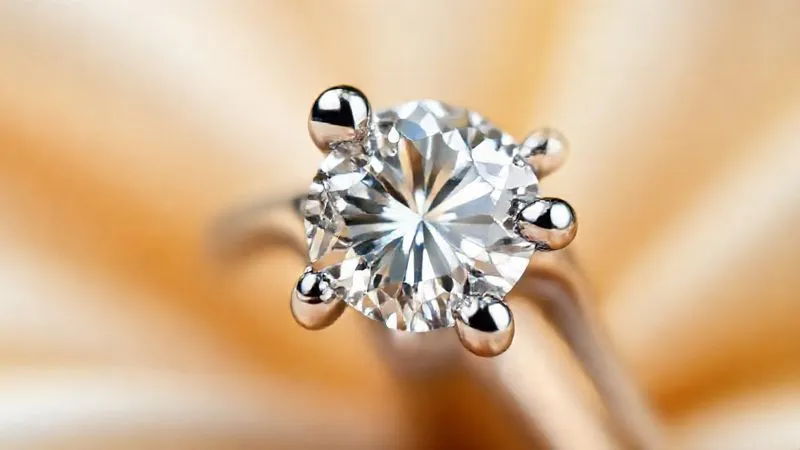
- Carefully Inspect the Damage: In a well-lit area, use a magnifying glass if possible. Try to ascertain if the prong is merely bent, significantly thinned, or completely broken. Check if the diamond itself is loose – gently tap the ring near your ear; if you hear a slight rattle, the diamond is definitely loose.
- Isolate and Protect the Ring: Place the ring in a secure, padded container – a small jewelry pouch, a ring box, or even a soft cloth wrapped securely. This prevents further damage to the compromised prong and protects the diamond from accidental dislodgement.
- Document the Condition: Take clear, well-lit photographs or even a short video of the ring, focusing on the damaged prong and the diamond's current position. This documentation can be invaluable for your jeweler and potentially for insurance purposes.
- Contact Your Trusted Jeweler: As soon as possible, reach out to a reputable jeweler. Avoid attempting DIY fixes, as these can cause irreparable harm to both the ring and the diamond. Describe the issue clearly and schedule an immediate consultation.
The Critical Assessment: What a Jeweler Looks For
Once your ring is in the hands of a skilled professional, their first and most vital task is a thorough assessment. This isn't just a quick glance; it's a meticulous examination that dictates the best course of action. I always emphasize to my clients the importance of a jeweler who explains their findings clearly.
Visual Inspection and Magnification
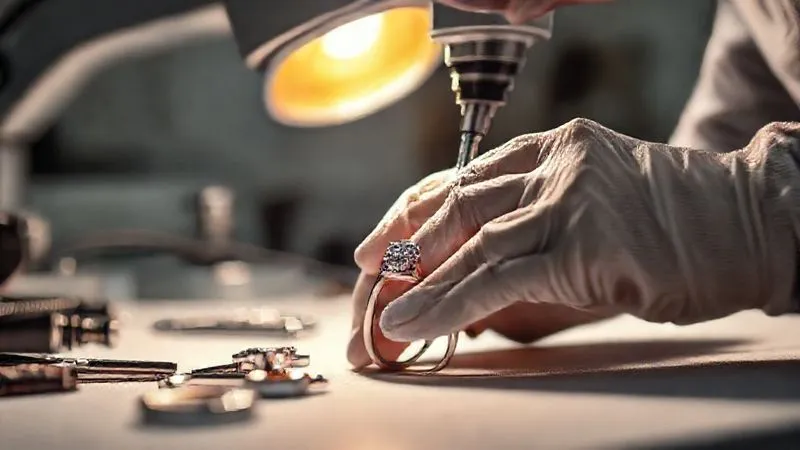
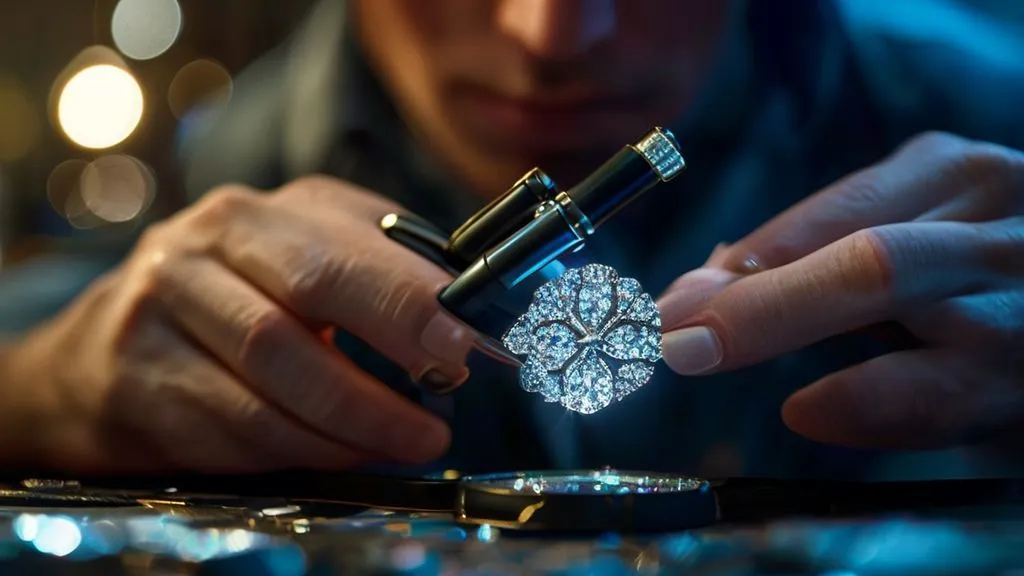
A professional jeweler will use specialized tools, primarily a jeweler's loupe (typically 10x magnification) and a microscope, to inspect every millimeter of the prongs and setting. They are looking for:
- Extent of Damage: Is it one prong, or are multiple prongs compromised? Is it a bend, a crack, or significant thinning?
- Diamond Security: They will gently test the diamond's stability in its setting to confirm if it's loose and to what degree.
- Surrounding Metal Integrity: Is the rest of the setting, including the gallery and shank, in good condition, or are there other areas of wear or damage that could compromise a repair?
Structural Integrity Check
Beyond surface-level issues, an experienced jeweler will assess the overall structural integrity of the setting. This involves looking for signs of metal fatigue, stress points, and potential vulnerabilities that might not be immediately obvious. They'll consider how the ring was constructed originally and how that might impact repair longevity.
Metal Fatigue and Wear Patterns
As I mentioned, platinum moves and displaces. A jeweler will examine the specific wear patterns. Is the metal abraded away, indicating significant loss? Or has it simply flattened and spread, which might be more amenable to re-tipping? Understanding these nuances is key to recommending the most durable repair.
| Damage Severity | Diamond Security | Recommended Action | Estimated Repair Time |
|---|---|---|---|
| Minor Bend/Thinning | Still secure, but at risk | Re-tipping or minor shaping | 1-3 days |
| Significant Thinning/Small Crack | Potentially loose, high risk | Rebuilding prongs or partial head replacement | 3-7 days |
| Broken Prong/Multiple Weak Prongs | Very loose, imminent loss | Full head replacement or new setting | 1-2 weeks |
| Extensive Setting Damage | Highly compromised, unsafe | Complete setting replacement | 2-4 weeks |
Repair Options for Failing Platinum Prongs
Based on the jeweler's assessment, several repair options might be presented. The choice depends on the extent of the damage, the overall condition of the ring, and your budget. My priority is always the long-term security of your diamond.
Re-tipping vs. Rebuilding Prongs
- Re-tipping: This is the most common repair for worn prongs. If only the very tip of a prong is worn thin, the jeweler can add a small amount of new platinum to the existing prong, reshaping and securing the diamond. It's a precise process requiring skilled hands and specialized laser welding or traditional torch soldering. Re-tipping is cost-effective if the underlying prong structure is sound.
- Rebuilding Prongs: If a prong is significantly thinned, bent beyond simple reshaping, or has a small crack further down its length, a jeweler might recommend rebuilding it. This involves adding more platinum along the length of the existing prong, essentially reinforcing and strengthening it from base to tip. This is a more extensive repair than re-tipping but often preserves more of the original setting than a full replacement.
Full Head Replacement
When multiple prongs are severely damaged, or if the entire head (the part of the ring that holds the diamond) is compromised by extensive wear or structural weakness, a full head replacement is often the safest and most durable solution. This involves removing the old head and soldering a brand-new, pre-fabricated platinum head onto the ring's shank. This ensures all prongs are new, strong, and perfectly aligned, offering maximum security for your high-value diamond.
When to Consider a New Setting
In rare but critical cases, a jeweler might suggest a complete setting replacement. This usually occurs if the entire ring structure (not just the head) is heavily worn, damaged, or if the original design is inherently weak. While a more significant investment, a new setting can provide an opportunity to upgrade the design, enhance security, and ensure the longevity of your cherished diamond. This is a decision best made after thorough discussion with your jeweler and considering the ring's sentimental value and your budget.
Choosing the Right Jeweler: Trust, Expertise, and Communication
The success of your platinum prong repair hinges entirely on the skill and integrity of the jeweler you choose. This is not a task for an amateur or a discount repair shop. A high-value diamond ring demands an expert. I cannot stress this enough: choose wisely.
- Seek Certified Professionals: Look for jewelers with certifications from reputable organizations like the GIA (Gemological Institute of America) or the AGS (American Gem Society). These certifications indicate a commitment to education, ethical practices, and high standards of workmanship. You can verify credentials through their respective websites.
- Inquire About Experience with Platinum: Platinum behaves differently than gold. Ensure your jeweler has extensive experience specifically with platinum repairs, especially laser welding, which is often preferred for its precision and minimal heat impact compared to traditional torch methods.
- Ask for References and Reviews: Check online reviews (Google, Yelp, etc.) and ask for personal recommendations. A jeweler with a strong reputation for quality work and excellent customer service is invaluable.
- Clear Communication and Transparency: A good jeweler will clearly explain the damage, the proposed repair options, the costs involved, and the expected timeline. They should provide a written estimate before any work begins. Don't hesitate to ask questions until you fully understand.
- Verify Insurance and Security: Ensure the jeweler is adequately insured to cover your high-value ring while it's in their possession. Ask about their security protocols for storing valuable items.
Case Study: Sarah's Sentimental Solitaire
Sarah inherited her grandmother's 3-carat platinum solitaire, a ring of immense sentimental and financial value. After years of wear, she noticed one prong had significantly thinned and a tiny crack was visible. Panic set in. Following my advice, she sought out a GIA-certified jeweler specializing in antique and platinum repairs. The jeweler meticulously assessed the ring under a microscope, determining that while the crack was small, the overall integrity of that particular prong was compromised. They recommended rebuilding that single prong using laser welding, carefully matching the platinum alloy and finish to the original. They provided a detailed quote and explained the process. Sarah received her ring back within a week, the repair virtually invisible, and her diamond once again held securely. The peace of mind was priceless, and the ring's legacy continued.
For more insights into choosing a trusted jeweler, I often refer clients to resources like the GIA's guide on selecting a jewelry repair shop.
Understanding Costs and Insurance Implications
Repairing a high-value platinum diamond ring is an investment, not just an expense. Understanding the cost factors and how your insurance might play a role is crucial for making informed decisions.
Factors Influencing Repair Costs
The cost of repairing platinum prongs can vary significantly based on several elements:
- Extent of Damage: A simple re-tip will cost less than rebuilding multiple prongs or a full head replacement.
- Complexity of the Setting: Intricate settings with delicate filigree or multiple small diamonds around the main stone can increase labor time and cost.
- Jeweler's Expertise and Location: Highly skilled jewelers with specialized equipment (like laser welders) in metropolitan areas may charge more, but their expertise is often worth the premium for a high-value piece.
- Metal Purity and Weight: Platinum, being a precious metal, has a market value. Repairs involving adding significant new platinum will reflect this.
- Additional Services: Repairs often include a complimentary cleaning and polishing, but if other issues are found (e.g., loose side stones, shank repair), these will add to the total.
| Repair Type | Estimated Cost Range | Typical Timeframe |
|---|---|---|
| Single Prong Re-tipping | $80 - $200 | 1-3 business days |
| Multiple Prong Rebuilding (per prong) | $150 - $350 | 3-7 business days |
| Full Head Replacement (Solitaire) | $400 - $1000+ | 1-2 weeks |
| Full Setting Replacement (Complex) | $1000 - $5000+ | 2-4 weeks |
Navigating Jewelry Insurance Claims
If your diamond was lost or significantly damaged due to prong failure, or if the repair cost is substantial, your jewelry insurance policy might come into play. Here’s what I advise:
- Review Your Policy: Understand your coverage limits, deductible, and what specific types of damage are covered (e.g., mysterious disappearance, accidental damage).
- Contact Your Insurer Immediately: Report the incident as soon as possible. They will guide you through their claims process, which will likely require documentation (photos, jeweler's assessment, repair estimate).
- Work with Your Jeweler and Insurer: Your jeweler can provide the necessary repair estimates and documentation needed by your insurance company. Ensure clear communication between all parties.
For detailed information on jewelry insurance, I recommend consulting a specialist like Jewelers Mutual Insurance Group, a leading provider in this niche.
Proactive Measures: Preventing Future Prong Failure
The best repair is the one you never need. Proactive care and vigilance are paramount for safeguarding your high-value diamond ring, especially its platinum prongs. After all, prevention is always less costly and less stressful than repair.
Regular Professional Inspections
I cannot overstate the importance of routine professional check-ups. Schedule an appointment with your trusted jeweler every 6 to 12 months. During these visits, they will:
- Thoroughly inspect all prongs for wear, thinning, or damage.
- Check the diamond's security in its setting.
- Tighten any loose stones.
- Professionally clean and polish your ring, removing grime that can obscure potential issues.
These check-ups are often complimentary, or at a minimal cost, and are a small price to pay for immense peace of mind. It allows for minor issues to be addressed before they become major problems.
Safe Wearing Habits
How you wear your ring significantly impacts its longevity:
- Remove for Vigorous Activities: Always take off your ring before gardening, exercising, cleaning with harsh chemicals, or engaging in any activity where it could be knocked or scratched.
- Avoid Direct Impact: Be mindful of your hands when reaching into pockets, carrying heavy objects, or performing manual tasks.
- Beware of Other Jewelry: Stacking rings can cause friction and wear between pieces. If you wear multiple rings on the same finger, ensure they are designed to fit together without excessive rubbing.
Proper Cleaning and Storage
Maintaining your ring's cleanliness and storing it correctly also contributes to its structural health:
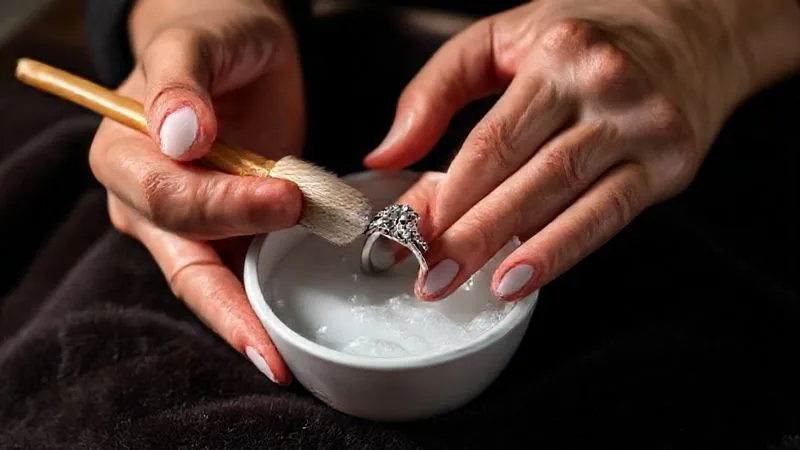
- Gentle Cleaning: Use a soft brush, mild soap, and warm water. Avoid abrasive cleaners or harsh chemicals. Ultrasonic cleaners are generally safe for diamonds but consult your jeweler first, especially if you have other gemstones or a delicate setting.
- Secure Storage: When not wearing your ring, store it in a fabric-lined jewelry box or a soft pouch, separate from other pieces to prevent scratching or impact.
The Emotional Aspect: Restoring Trust and Value
I understand that a failing prong on a high-value diamond ring isn't just a technical problem; it's an emotional one. This ring often symbolizes love, commitment, and significant life milestones. The thought of it being damaged or, worse, losing the diamond, can be deeply distressing.
Rest assured, with the right approach and the right professional, your ring can be restored to its original splendor and security. The process of repair is also one of restoring trust – trust in the craftsmanship, trust in your jeweler, and trust in the enduring beauty of your cherished piece. It's about ensuring that your high-value diamond continues to be worn and admired safely for generations to come, just as it was intended.
Frequently Asked Questions (FAQ)
Question: Is platinum really stronger than gold for prongs? Platinum is often considered more durable for prongs due to its density and malleability. Unlike gold, which wears away, platinum tends to 'move' or displace when abraded, meaning it retains more of its volume. This makes it incredibly secure for holding diamonds. However, its softness means it can bend or flatten, requiring regular inspection and occasional re-shaping or re-tipping. So, while it's exceptionally tough, it still requires care.
Question: How often should I have my platinum prongs checked? I strongly recommend having your platinum prongs professionally inspected every 6 to 12 months. This allows a jeweler to identify any signs of wear, thinning, or stress before they become critical issues. These routine check-ups are crucial for catching problems early and ensuring the ongoing security of your diamond.
Question: Can a damaged prong lead to losing my diamond? Absolutely, yes. A damaged, bent, or significantly worn prong directly compromises the security of your diamond. If a prong fails completely, or if the diamond becomes loose enough to slip past the remaining prongs, you risk losing your high-value diamond entirely. This is why immediate action and professional repair are essential upon noticing any prong issue.
Question: What if my jeweler recommends a full setting replacement? A full setting replacement is a significant recommendation, usually made when the entire ring structure, beyond just the prongs, is heavily worn, damaged, or inherently weak. While a larger investment, it ensures the complete long-term security of your diamond. Discuss the reasons thoroughly with your jeweler, weigh the costs against the ring's value and sentiment, and consider getting a second opinion from another reputable expert if you're unsure.
Question: Does re-tipping weaken the prongs? When performed by a skilled jeweler using modern techniques like laser welding, re-tipping does not weaken the prongs. In fact, it reinforces them. Laser welding allows for precise addition of platinum material with minimal heat impact on the surrounding metal, creating a strong, seamless bond. Poorly executed re-tipping, especially with traditional torch methods on platinum, could potentially cause issues, which is why choosing an experienced platinum specialist is vital.
Key Takeaways and Final Thoughts
- Act Swiftly: Stop wearing the ring immediately and secure it if you notice any prong damage.
- Seek Expert Assessment: A GIA or AGS certified jeweler with platinum expertise is non-negotiable for high-value repairs.
- Understand Your Options: Be informed about re-tipping, rebuilding, and head/setting replacement to make the best decision.
- Leverage Insurance: Review your policy and contact your insurer promptly if the damage is significant.
- Prioritize Prevention: Regular professional inspections (every 6-12 months) and mindful wearing habits are your best defense against future prong failure.
Your high-value diamond ring is a testament to enduring moments and significant investment. While platinum prongs are incredibly durable, they are not invincible. By understanding the unique properties of platinum, taking immediate action when issues arise, and entrusting your precious piece to a qualified expert, you ensure its beauty and security for years to come. With careful attention and proactive maintenance, your cherished diamond will continue to sparkle brilliantly, securely held, reflecting the enduring value it represents. For more tips on general jewelry care, explore trusted resources like AGTA's jewelry care guidelines.
Recommended Reading
- Fashion's Power: How Does It Empower Women at Work?
- 5 Indestructible Eyewear Materials: End Breakage for Active Customers?
- 7 Layers: What Activewear Truly Protects Against Extreme Wet Cold?
- Unlock the Secrets: How Do Brands Achieve Sustainable Textile Sourcing?
- 7 Proven Strategies: How to Prevent Dead Stock in Your Accessories Boutique

Your email address will not be published. Required fields are marked *