

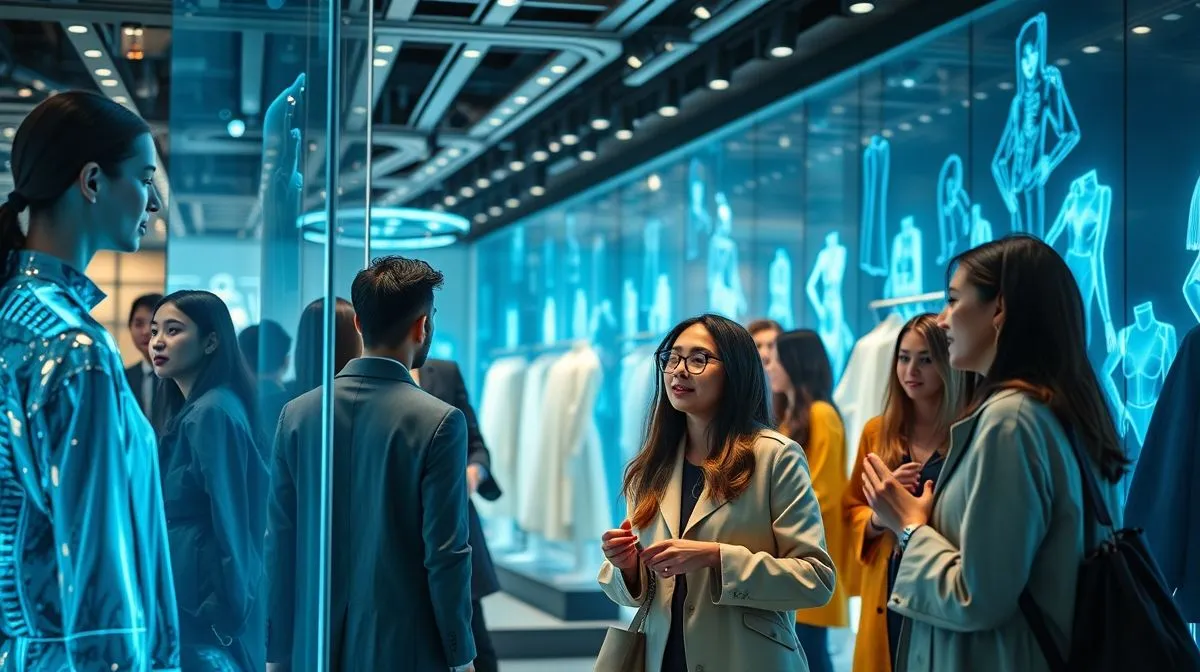
Have you ever walked into a store and felt like you were stepping into another world, a place where shopping transcended mere transactions and became an unforgettable adventure? For decades, fashion retail has largely operated on a predictable model: display products, facilitate purchases, and perhaps offer some basic customer service. But in an era defined by digital saturation and a craving for authentic connection, this traditional approach is rapidly losing its luster.
The contemporary consumer, particularly younger generations, isn't just looking for clothes; they're searching for stories, for engagement, for experiences that resonate deeply and reflect their values. The rise of e-commerce, while convenient, often falls short in delivering the tactile, social, and emotional aspects that make shopping a pleasurable activity. So, how can physical retail spaces not only survive but thrive in this challenging landscape, offering something genuinely unique that online channels cannot replicate?
The answer lies in understanding what are immersive experiences in fashion retail. This comprehensive guide will take you on a journey through the transformative power of immersive retail, exploring its core principles, the cutting-edge technologies that enable it, practical implementation strategies, and the profound benefits it offers to both brands and consumers. By the end, you'll have a clear vision of how fashion retail is evolving into a dynamic, multi-sensory spectacle designed to captivate and convert.
Defining Immersive Experiences: Beyond the Transaction
At its heart, an immersive experience in fashion retail is about creating an environment that completely envelops the customer, engaging multiple senses and fostering a deep emotional connection with the brand. It moves beyond passive viewing or simple product selection, inviting customers to become active participants in a curated narrative or interactive journey. This isn't just about adding a digital screen; it's about crafting a holistic atmosphere where every element, from lighting and sound to interactive technology and personalized service, works in concert to tell a compelling story.
Sensory Engagement and Emotional Connection
True immersion taps into more than just sight. It considers soundscapes, carefully chosen scents, tactile displays, and even taste (think branded cafes or complimentary refreshments). The goal is to stimulate a customer's senses in a way that evokes specific feelings – excitement, tranquility, exclusivity, or connection. This sensory richness helps forge a stronger emotional bond, making the shopping experience memorable and unique. When customers feel something profound, they are more likely to remember the brand and return.
The Role of Technology
While not strictly necessary for all immersive experiences, technology often plays a pivotal role in amplifying engagement. Augmented Reality (AR) allows virtual try-ons, Virtual Reality (VR) transports customers to fashion shows or ateliers, and AI-driven personalization can recommend products based on real-time interactions. However, the technology must serve the narrative and enhance the experience, rather than being a mere gimmick. It's about seamless integration that feels natural and intuitive, empowering the customer rather than overwhelming them.
Why Fashion Retail Needs Immersion: The Shifting Consumer Landscape
The traditional retail model, characterized by static displays and transactional interactions, is increasingly struggling to capture the attention and loyalty of modern consumers. Several powerful trends underscore the urgent need for fashion retail to embrace immersive strategies, transforming from mere points of sale into vibrant destinations.
Gen Z and Millennial Expectations
These generations, now dominating consumer spending, grew up in a digitally native world. They value experiences over possessions, authenticity over artifice, and social connection over solitary shopping. They expect brands to be innovative, entertaining, and socially conscious. A typical store visit simply doesn't cut it; they seek shareable moments, personalized interactions, and opportunities to co-create or express their identity. Brands that fail to meet these elevated expectations risk becoming irrelevant to a significant segment of the market.
Combating E-commerce Fatigue
While online shopping offers unparalleled convenience, it often lacks the sensory richness and social interaction of physical retail. The endless scroll can lead to decision fatigue, and the inability to physically touch or try on garments can result in high return rates. Immersive retail offers a compelling antidote by providing a reason to visit a physical space that transcends mere product acquisition. It transforms shopping into an event, a destination, and a form of entertainment that cannot be replicated online, thereby driving foot traffic and fostering deeper brand loyalty. According to a Harvard Business Review article, consumers are increasingly seeking out physical retail experiences that offer more than just transactions.
Key Technologies Driving Immersive Fashion Retail
The rapid evolution of technology has opened up unprecedented possibilities for creating truly captivating and personalized immersive experiences. These tools empower brands to blend the digital and physical worlds seamlessly, crafting environments that are both innovative and intuitive.
Augmented Reality (AR) and Virtual Reality (VR)
AR overlays digital information onto the real world, often via smartphone apps or smart mirrors. In fashion, this translates to virtual try-ons, allowing customers to see how clothes look on them without physically changing. It can also be used for interactive product displays, revealing details or styling tips as customers point their devices at items. VR, on the other hand, transports users into a completely simulated environment. Fashion brands use VR to offer virtual runway shows, behind-the-scenes tours of design studios, or even virtual stores where customers can browse and purchase items in a digital replica of a flagship boutique. This technology reduces friction and enhances decision-making.
AI and Personalization
Artificial Intelligence (AI) is the engine behind hyper-personalized immersive experiences. AI algorithms can analyze customer data – browsing history, purchase patterns, even emotional responses captured through facial recognition (with consent) – to offer highly relevant product recommendations, personalized styling advice, or tailor the immersive environment itself to individual preferences. Imagine walking into a store where the lighting, music, and digital displays subtly shift to match your preferred aesthetic, all curated by AI to enhance your unique journey.
Interactive Displays and Projections
Gone are the days of static mannequins. Modern fashion retail employs large-scale LED screens, interactive touch tables, and projection mapping to create dynamic, ever-changing environments. Customers can interact with digital lookbooks, customize garments on screen, or see products come to life through animated projections. These displays can react to movement, touch, or even voice commands, turning passive viewing into active participation.
Haptic Feedback and Olfactory Experiences
Immersion isn't just about sight and sound. Haptic technology, which provides tactile feedback (like vibrations or simulated textures), can enhance virtual try-ons by mimicking the feel of different fabrics. Olfactory experiences, through carefully diffused scents, can evoke specific moods or reinforce brand identity. A luxury boutique might diffuse a signature scent to create an air of sophistication, while a beachwear brand might use a subtle ocean breeze aroma. These often-overlooked senses contribute significantly to the overall immersive effect, making the experience more profound and memorable.
Crafting Unforgettable Immersive Journeys: Practical Strategies
Implementing successful immersive experiences requires more than just acquiring cutting-edge technology. It demands a strategic approach that prioritizes the customer journey, integrates digital and physical elements seamlessly, and focuses on delivering genuine value.
Storytelling at the Core
Every immersive experience should tell a story. Whether it's the narrative of a new collection, the brand's heritage, or the journey of a garment from concept to creation, a compelling story provides context and emotional resonance. This narrative should guide the design of the space, the choice of technology, and the overall flow of the customer's interaction. For example, a sustainable fashion brand might create an immersive journey that highlights the ethical sourcing of materials and the positive environmental impact of their production process, making the customer feel part of a larger, meaningful movement.
Seamless Integration of Digital and Physical
The goal is not to replace the physical with the digital, but to enhance it. Immersive experiences work best when the digital tools feel like natural extensions of the physical environment, rather than separate components. Consider a smart fitting room that recognizes the items you've brought in and suggests complementary accessories on a digital screen, or a store app that unlocks exclusive content when you are physically present. This 'phygital' approach leverages the strengths of both realms, creating a cohesive and enriched shopping experience. This seamless blend is crucial for what are immersive experiences in fashion retail to truly resonate.
Measuring Impact and ROI
Like any investment, immersive experiences must deliver measurable results. Brands should define clear KPIs (Key Performance Indicators) such as increased foot traffic, dwell time, conversion rates, customer satisfaction scores, social media engagement, and repeat purchases. Data analytics, often powered by AI, can track customer interactions within the immersive environment, providing valuable insights into what works and what can be improved. This data-driven approach ensures that the experiences are continuously optimized for maximum impact and a strong return on investment.
Pioneering Examples of Immersive Experiences in Fashion Retail
Many brands, from luxury powerhouses to innovative startups, are already pushing the boundaries of what's possible in immersive fashion retail. Their successes offer valuable insights and inspiration for others looking to venture into this exciting space.
Luxury Brands Leading the Way
Luxury brands, with their emphasis on exclusivity and experience, have been early adopters. Burberry, for instance, has famously integrated digital elements into its flagship stores, with RFID-enabled clothing triggering related content on screens and interactive mirrors transforming into digital displays. Louis Vuitton has created pop-up experiences that blend art installations with product showcases, inviting customers into fantastical worlds that reflect the brand's imaginative spirit. These brands understand that the purchase of a luxury item is often about buying into a lifestyle and a dream, which immersive experiences are perfectly poised to deliver.
Democratizing Immersion: Accessible Innovations
Immersion isn't just for high-end brands. More accessible innovations are emerging. Brands like Nike have created interactive customization labs where customers can design their own shoes using touch screens and projection mapping. Retailers are also experimenting with simple yet effective immersive elements like curated playlists, unique scent branding, or interactive window displays that engage passersby. The key is to think creatively about how to engage senses and tell a story, regardless of budget or scale. Even a small boutique can create an immersive feel through thoughtful design and curated ambiance. For further examples of innovative retail, one can explore case studies on leading retail publications or business school research, such as those found on sites like Wharton Knowledge.
Common Pitfalls and How to Avoid Them
While the potential of immersive experiences is vast, there are common mistakes that brands can make. Avoiding these pitfalls is crucial for ensuring that efforts translate into meaningful engagement and business success.
Technology for Technology's Sake
One of the biggest traps is implementing technology without a clear purpose or narrative. A flashy AR mirror that doesn't enhance the shopping journey, or a VR experience that feels disconnected from the brand, will quickly be perceived as a gimmick. The technology must serve the story, solve a problem, or genuinely enhance the customer's interaction. It should be intuitive and seamless, not a barrier or a distraction. Always ask: 'What value does this technology add to the customer's experience?'
Lack of Authenticity
Consumers are increasingly savvy and can spot inauthenticity from a mile away. Immersive experiences must feel genuine and align with the brand's core values and identity. If a brand promotes sustainability, its immersive experience should reflect that commitment, perhaps by showcasing ethical production processes or offering recycled material options. A disconnect between the brand's messaging and the experience will erode trust rather than build it. Authenticity fosters genuine connection.
Ignoring Accessibility
In the pursuit of innovation, it's easy to overlook accessibility. Immersive experiences should be designed to be inclusive, catering to individuals with varying abilities. This means considering wheelchair access, providing clear audio descriptions, offering alternative input methods for interactive displays, and ensuring content is understandable for all. An experience that excludes a segment of the population is not truly immersive for everyone.
The Future of Fashion Retail: A Fully Immersive Landscape
The journey towards fully immersive fashion retail is still unfolding, but its trajectory is clear. The lines between the physical and digital are blurring rapidly, leading to a future where shopping is less about acquisition and more about participation, discovery, and personal expression.
Metaverse Integration
The concept of the metaverse, a persistent, interconnected virtual world, holds immense promise for fashion retail. Brands are already experimenting with digital fashion, NFTs, and virtual storefronts within platforms like Decentraland and Roblox. In the future, consumers might seamlessly transition from browsing a virtual collection in the metaverse to trying on a physical garment in a store, or even purchasing a 'phygital' item that exists in both realms. This integration will create entirely new avenues for brand engagement and commerce, pushing the boundaries of what are immersive experiences in fashion retail to new frontiers.
Hyper-Personalization and Co-Creation
AI will continue to drive increasingly sophisticated personalization, anticipating customer needs and curating bespoke experiences. Beyond personalization, the future will see more opportunities for co-creation, where customers actively participate in the design process, customizing garments using advanced digital tools and seeing their creations come to life instantly. This shift empowers consumers, transforming them from passive buyers into active participants in the fashion ecosystem, fostering unparalleled loyalty and emotional investment in the products they help bring to life.
Frequently Asked Questions (FAQ)
What is the main goal of immersive experiences in fashion retail? The primary goal is to transform shopping from a transactional activity into a memorable, engaging, and emotional experience, fostering deeper brand connection and loyalty beyond just product purchase.
How do immersive experiences benefit fashion brands? They help brands increase foot traffic, extend dwell time, boost customer engagement, enhance brand perception, collect valuable data, and ultimately drive sales and repeat business by creating unique value propositions.
Is immersive retail only for luxury brands? No, while luxury brands were early adopters, immersive strategies can be adapted for any brand. Creativity in leveraging sensory elements, storytelling, and accessible technology can create impactful experiences regardless of budget.
What role does data play in immersive retail? Data is crucial for understanding customer behavior within immersive environments, personalizing experiences, measuring ROI, and continuously optimizing the effectiveness of immersive strategies.
Will immersive experiences replace traditional retail? Rather than replacing, immersive experiences are evolving traditional retail. They enhance the physical store's value proposition, making it a complementary and often superior alternative to purely online shopping for certain aspects of the customer journey.
Recommended Reading
- Clean Vintage Beaded Purses Safely: The Ultimate Care Guide
- Best Sneakers for Walking All Day: Ultimate Comfort Guide
- Unlock the Secret: How to Properly Clean & Maintain School Uniforms for Longevity
- Unlock the Secret: Tips for Long-Lasting Professional Stage Makeup?
- Most Flattering Denim Wash for Men: Look Your Best!
Conclusion
The landscape of fashion retail is undergoing a profound transformation, moving beyond mere product display to embrace a new paradigm centered on engagement, emotion, and unforgettable moments. Understanding what are immersive experiences in fashion retail is not just about adopting new technologies; it's about fundamentally rethinking the customer journey, prioritizing sensory engagement, authentic storytelling, and seamless integration of the digital and physical worlds. As consumers increasingly seek experiences over possessions, brands that master the art of immersion will not only survive but thrive, building deeper connections and forging lasting loyalty in an ever-evolving market. Embrace this exciting future, and redefine what it means to shop for fashion.


Your email address will not be published. Required fields are marked *