


Reducing Microplastic Shedding from Recycled Synthetic Textiles?
For over two decades in the textile innovation space, I've witnessed the industry's monumental shift towards sustainability. We've championed recycled synthetics, seeing them as a beacon of circularity – a way to repurpose plastic waste and lessen our reliance on virgin resources. Yet, the irony isn't lost on me: the very materials we laud for their eco-credentials can, ironically, contribute to another pressing environmental crisis: microplastic pollution.
The problem is insidious. Every wash, every wear, every friction point releases microscopic plastic fibers into our waterways and, ultimately, our ecosystems. This isn't just an abstract environmental concern; it impacts marine life, enters our food chain, and poses a significant challenge to the future of sustainable textiles. Many companies, despite their best intentions, struggle to reconcile the benefits of recycled synthetics with this unavoidable byproduct.
But here's the good news: this isn't an insurmountable challenge. Through cutting-edge research, innovative manufacturing processes, and a deeper understanding of fiber mechanics, we can significantly mitigate this issue. In this comprehensive guide, I'll share actionable strategies, backed by industry insights and real-world considerations, to help you navigate the complexities of reducing microplastic shedding from recycled synthetic textiles and truly embrace a more sustainable textile future.
Understanding the Microplastic Challenge in Recycled Synthetics
Before we dive into solutions, it's crucial to grasp why recycled synthetics, specifically, are prone to shedding. While all synthetic textiles shed microfibers, recycled variants often present unique challenges. The recycling process itself can sometimes shorten fiber length or weaken the polymer structure, making them more susceptible to breakage under mechanical stress, like washing or wear.
I've seen firsthand how the enthusiasm for 'recycled' can sometimes overshadow the need for meticulous material science. It's not enough to just use recycled content; we must ensure its integrity. Microplastics are typically fibers less than 5mm in length, shed from textiles primarily during laundering. These tiny fragments bypass wastewater treatment plants and accumulate in oceans, rivers, and even agricultural soils, creating a pervasive environmental burden.
"The true measure of a sustainable textile isn't just its origin, but its entire lifecycle impact, including its end-of-life and its shedding behavior."
Strategic Fiber Selection and Yarn Engineering for Durability
The first line of defense against microplastic shedding begins long before a garment is even designed: at the fiber and yarn stage. I've always advocated for a holistic approach, starting with the fundamental building blocks of our textiles.
- Prioritize High-Quality Recycled Feedstock: Not all recycled plastics are created equal. Opt for post-consumer waste streams with consistent quality and minimal degradation. Virgin plastic often offers longer, stronger fibers, but advancements in mechanical and chemical recycling are closing this gap.
- Optimize Fiber Length and Denier: Longer, thicker fibers tend to be more resilient and less prone to breaking. While finer deniers offer a softer hand feel, they often come with increased shedding potential. It's a balance we must consciously strike.
- Enhance Yarn Twist and Structure: A tighter yarn twist can significantly lock fibers into place, reducing their ability to escape during friction. Consider innovative yarn structures like core-spun or filament yarns that offer superior fiber encapsulation compared to staple yarns.
- Blend with Natural Fibers: Strategically blending recycled synthetics with natural, biodegradable fibers (e.g., organic cotton, Tencel, hemp) can dilute the synthetic content, potentially reducing the overall microplastic load. However, this introduces challenges for end-of-life recycling.
According to a study published in Nature Communications, fiber morphology and yarn construction are among the most critical factors influencing microfiber release. Investing in R&D at this foundational level is paramount.

Innovative Fabric Construction and Finishing Techniques
Once the yarn is engineered, the way it's constructed into fabric and subsequently finished plays a massive role in fiber retention. This is where textile innovation truly shines.
Exploring Tightly Woven and Knitted Structures
Loose weaves and knits allow fibers more freedom to migrate and detach. I've observed that denser, more compact fabric constructions are inherently better at holding onto their fibers. Think about the difference between a loosely knit fleece and a tightly woven twill – the latter generally sheds less.
- High-Density Weaves: Fabrics like ripstop, canvas, or even dense poplins can offer superior fiber retention.
- Compact Knits: Interlock knits, double knits, or even fine gauge jersey can be engineered to minimize shedding compared to open-face fleece or single jersey.
- Bonded Fabrics: Multi-layer fabrics where layers are securely bonded can encapsulate fibers more effectively.
Advanced Fabric Finishing for Fiber Fixation
This is an area of intense research and development. Coatings and treatments can essentially 'glue' or 'lock' fibers into the fabric structure.
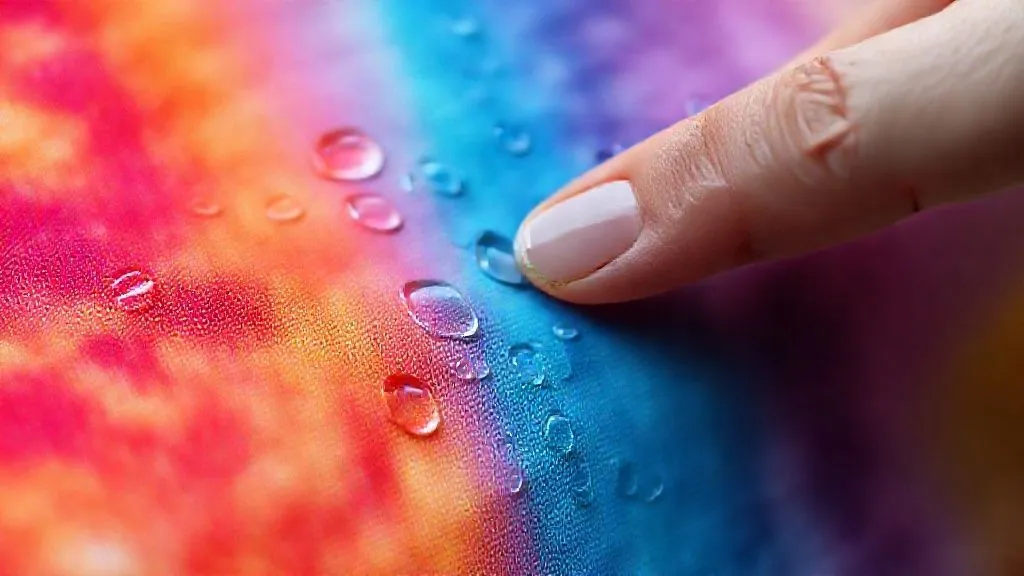
- Polymer Coatings: Applying thin, durable polymer coatings can create a barrier that prevents fibers from escaping. The challenge here is ensuring these coatings are themselves environmentally benign and don't introduce other issues.
- Enzyme Treatments: Certain enzyme treatments can modify the fiber surface, making it less prone to breaking or detaching.
- Resin Finishes: Resins can be used to bind fibers, improving fabric stability and reducing shedding. Care must be taken to select non-toxic, eco-friendly resins.
- Napping/Brushing Alternatives: While napping creates a soft hand, it also exposes fiber ends, increasing shedding. Exploring alternative softening techniques that don't compromise fiber integrity is key.
Case Study: How EcoTex Innovations Reduced Shedding by 30%
EcoTex Innovations, a mid-sized activewear brand, was deeply concerned about the microplastic footprint of their recycled polyester leggings. Their initial products, while popular, showed significant shedding during lab tests. By implementing a two-pronged approach – switching to a higher denier, tightly twisted recycled polyester yarn and adopting a novel bio-based polymer coating – they achieved a remarkable 30% reduction in microplastic release during standard wash cycles. This not only enhanced their environmental credentials but also improved the perceived durability of their garments, leading to a 15% increase in customer loyalty and sales for their 'low-shed' line.
Post-Consumer Care and End-of-Life Solutions
Even with the most advanced textiles, consumer behavior and end-of-life management play a critical role in mitigating microplastic release. As an industry expert, I believe we have a responsibility to educate and empower our consumers.
Consumer Education and Washing Practices
The washing machine is a primary culprit. Educating consumers on best practices can have an immediate impact.
- Wash Less Frequently: Encourage consumers to wash garments only when necessary.
- Use Cold Water: Hot water can degrade fibers faster.
- Gentle Cycles: Aggressive agitation increases fiber release.
- Full Loads: A fuller washing machine reduces friction between garments.
- Liquid Detergent Over Powder: Powder detergents can be abrasive.
Brands like Patagonia have been at the forefront of this, actively educating their customers on how to prolong garment life and reduce shedding, as highlighted in articles by Forbes.
In-Machine and External Filtration Systems
This is a rapidly evolving area. I've seen promising technologies emerge that can capture microfibers before they enter the wastewater system.
- Washing Machine Filters: Internal or external filters can be installed to capture microfibers. Brands like Cora Ball and Guppyfriend washing bags are excellent examples of consumer-level solutions.
- Industrial Wastewater Treatment Upgrades: While not directly consumer-facing, advocating for and investing in advanced filtration technologies at industrial laundries and municipal wastewater treatment plants is crucial for systemic change.
| Solution Category | Impact on Shedding | Cost Implication | Implementation Time |
|---|---|---|---|
| Fiber & Yarn | High | Medium-High | Long |
| Fabric & Finishing | High | Medium | Medium |
| Consumer Care | Medium | Low | Immediate |
| Filtration | Medium-High | Medium | Medium |
The Role of Certification and Industry Collaboration
As an industry, we cannot solve this in silos. Collaboration, standardization, and transparent certification are key to making meaningful progress in reducing microplastic shedding from recycled synthetic textiles.
Developing Standardized Testing Protocols
One of the biggest hurdles I've encountered is the lack of universally accepted testing methods for microfiber release. How can we compare products or measure progress if we're not using the same yardstick? Initiatives like the Microfibre Consortium are working diligently to establish standardized testing and research protocols, which is a critical step forward. This allows for fair comparisons and drives innovation based on reliable data.
Industry-Wide Collaboration and Knowledge Sharing
From fiber producers to brands, retailers, and even laundry appliance manufacturers, everyone has a role to play. Openly sharing research findings, best practices, and even failures accelerates collective learning. Forums and consortiums dedicated to sustainable textiles are essential platforms for this exchange.
"True sustainability requires a collective shift, not just individual efforts. We must collaborate to innovate."
Certification and Labeling for Transparency
Imagine a label that clearly indicates a garment's shedding propensity. This would empower consumers to make more informed choices and incentivize brands to invest in low-shedding technologies. While still nascent, certifications focused on microplastic release could become a powerful tool. This would be a game-changer for transparency and accountability.

Looking Ahead: Biodegradable Synthetics and Circularity
While we focus on mitigating shedding from current recycled synthetics, the long-term vision for textile innovation includes entirely new material solutions. This is where the future of reducing microplastic shedding from recycled synthetic textiles truly lies.
The Promise of Biodegradable Synthetics
Imagine a synthetic fiber that, if shed, would naturally biodegrade in the environment without leaving harmful traces. This is not science fiction; significant research is underway into bio-based and biodegradable polymers that mimic the performance of traditional synthetics. While challenges remain in terms of durability and scalability, the potential for truly circular and benign textiles is immense.
I've been following breakthroughs in bioplastics derived from plant sugars or even algae, which offer exciting possibilities. The goal is to create performance materials that are 'designed for decay' when their useful life ends, or if they accidentally enter the environment as microfibers. This represents a paradigm shift from simply reducing harm to actively designing for environmental compatibility.
Enhancing True Textile-to-Textile Recycling
Beyond addressing shedding, we must continue to perfect textile-to-textile recycling processes. The ability to efficiently break down old garments into their constituent polymers and then re-spin them into new, high-quality fibers with minimal degradation will be critical. This closes the loop entirely, reducing the need for virgin materials and ensuring that even if fibers are shed, they are part of a truly circular system that values their inherent material value.
The challenges are complex, involving mixed fiber garments and chemical recycling processes, but the progress I've seen in this sector is truly inspiring. Companies are investing heavily in technologies that can separate fiber blends and purify recycled polymers to a near-virgin quality, as reported by institutions like the Ellen MacArthur Foundation.
Frequently Asked Questions (FAQ)
What's the difference between microfibers and microplastics? Microfibers are a type of microplastic. Specifically, microfibers are plastic fibers (often from textiles) that are less than 5mm in length. Microplastics is the broader term for any plastic particle under 5mm, which can also include fragments, pellets, or beads.
Are natural fibers completely free from shedding concerns? While natural fibers like cotton or wool are biodegradable, they still shed fibers. These natural fibers can also carry dyes or chemical finishes into the environment. However, their biodegradability means they don't persist in the environment in the same way plastic microfibers do. The environmental impact is different, but not entirely absent.
Does using a washing machine filter completely solve the problem? Washing machine filters are a highly effective solution for capturing a significant percentage of microfibers released during laundry. However, no single solution is 100% effective. Microfibers can also be shed through abrasion during wear, manufacturing processes, and atmospheric transport. A holistic approach combining fiber innovation, fabric design, and consumer care is necessary.
Is chemical recycling better than mechanical recycling for reducing shedding? Chemical recycling has the potential to produce higher-quality recycled polymers that are closer to virgin material, potentially leading to stronger, less-shedding fibers. Mechanical recycling can sometimes shorten fiber length or degrade polymers due to heat and mechanical stress. However, chemical recycling is more energy-intensive and currently less scalable. Both have roles, and advancements in both methods are crucial.
What role do brands have in educating consumers about microplastic shedding? Brands have a significant responsibility. They can include care labels with low-shedding washing instructions, promote the use of microfiber-catching devices, and transparently communicate their efforts in sustainable material innovation. Educating consumers empowers them to be part of the solution and builds trust in the brand's commitment to sustainability.
Recommended Reading
- The Secret Playbook: How to Get Early Access to New Shoe Launches
- Menswear Style Tips for Short Men: Look Taller Instantly!
- Mastering Character Costume Design: How to Conceptualize Effectively
- 7 Key Factors: How to Choose a Versatile Men's Watch for Diverse Business Settings
- 7 Key Challenges in 3D Body Scanning for Custom Fit & How to Overcome Them
Main Points and Final Considerations
The journey to truly sustainable textiles is complex, but the insights shared here offer a clear pathway forward for reducing microplastic shedding from recycled synthetic textiles. This isn't just an environmental imperative; it's an opportunity for innovation, differentiation, and building consumer trust. Here are the critical takeaways:
- Start at the Source: Prioritize high-quality recycled feedstock and engineer yarns for maximum fiber integrity and retention.
- Innovate Fabric Design: Employ tight weaves, compact knits, and advanced finishing techniques to lock fibers into the fabric structure.
- Empower Consumers: Educate users on best washing practices and encourage the adoption of microfiber filtration solutions.
- Collaborate & Standardize: Work across the industry to develop universal testing methods and share knowledge.
- Look to the Future: Invest in research for biodegradable synthetics and advanced textile-to-textile recycling to achieve true circularity.
As an industry, we've made incredible strides, but the challenge of microplastic shedding demands our continued focus and ingenuity. By embracing these multi-faceted strategies, we can ensure that recycled synthetics fulfill their promise as truly sustainable materials, paving the way for a textile future that benefits both people and the planet. Let's not just talk about sustainability; let's engineer it, one fiber at a time.


Your email address will not be published. Required fields are marked *