

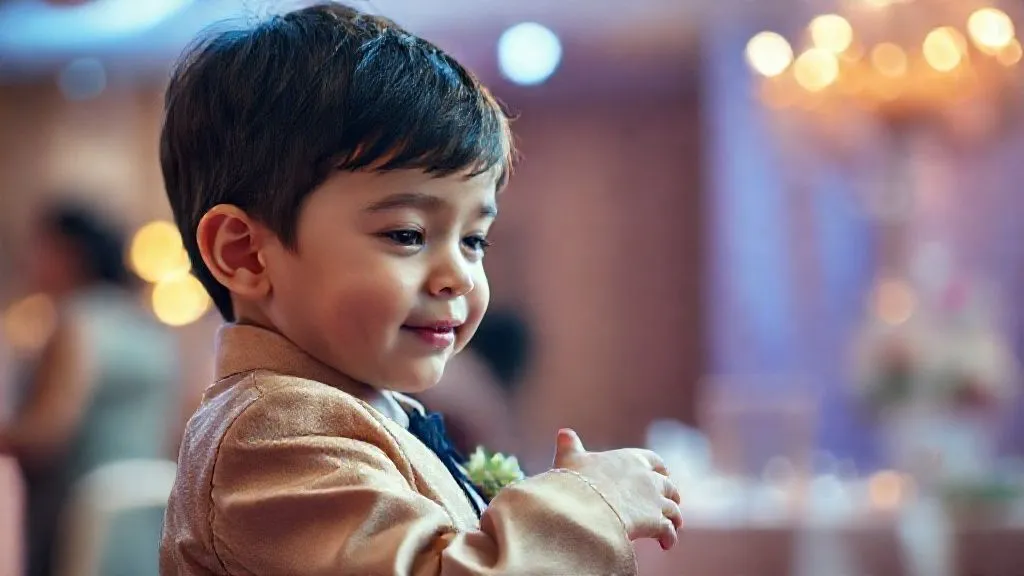
Preventing Sensory Issues from Elaborate Kids' Formal Event Clothing: An Expert's Guide
For over 15 years in the specialized world of kids' fashion, particularly in special occasion wear, I've witnessed a recurring heartache: the struggle of parents trying to balance the joy of a formal event with their child's very real discomfort. It’s a scene I know well – a beautifully dressed child, moments from a family photo, suddenly dissolving into tears, tugging at a scratchy lace, or complaining about a restrictive waistband.
This isn't about a child being 'difficult'; it's often a genuine sensory response to clothing that wasn't designed with their unique needs in mind. The elaborate details that make an outfit 'special' can become overwhelming sensory triggers, turning what should be a memorable day into a source of stress and meltdowns for both child and parent.
In this definitive guide, I'll share the expert insights and actionable strategies I've cultivated over my career. We’ll delve into fabric choices, design considerations, and pre-event preparations, all aimed at **preventing sensory issues from elaborate kids' formal event clothing**. My goal is to equip you with the knowledge to ensure your child feels comfortable, confident, and truly enjoys every special occasion, free from clothing-induced distress.
Understanding the 'Why': The Science Behind Sensory Sensitivities in Children
Before we can prevent sensory issues, we must understand their roots. Children, especially those with sensory processing differences or conditions like autism, ADHD, or even just a highly sensitive temperament, can experience clothing in a profoundly different way than adults. What seems minor to us – a tiny tag, a rough seam – can feel like an unbearable assault on their nervous system.
What Triggers Discomfort?
The triggers are varied but often fall into a few key categories:
- Texture: Scratchy lace, stiff tulle, coarse wool, rough embroidery, or even the subtle 'feel' of certain synthetic blends can be highly irritating.
- Fit and Restriction: Tight elastic waistbands, snug collars, restrictive armholes, or overly structured bodices can create a feeling of being trapped or constricted.
- Tags and Seams: The smallest clothing tag can itch incessantly, and raised, bulky seams can rub and irritate delicate skin.
- Temperature Regulation: Heavy, non-breathable fabrics can lead to overheating, causing discomfort, sweating, and agitation, especially during active events.
- Visual Overload: While less common, some children can be overwhelmed by highly patterned or overly sparkly designs, though this is more about visual processing than tactile.
It's crucial to remember that a child's sensory discomfort is not a choice or an act of defiance. It's a genuine physiological response, often stemming from differences in how their brain processes sensory information. Dismissing it only exacerbates their distress and can damage your relationship.
Understanding these triggers is the first step towards thoughtful selection and preparation. It empowers us to empathize and seek solutions rather than becoming frustrated.

The Fabric First Approach: Choosing Sensory-Friendly Materials
The foundation of a comfortable formal outfit lies in its fabric. This is where your journey in **preventing sensory issues from elaborate kids' formal event clothing** truly begins. Not all 'fancy' fabrics are created equal in terms of sensory comfort.
Prioritizing Softness and Breathability
When selecting materials, always lean towards those that are soft to the touch, breathable, and have a good drape. These qualities minimize friction, allow for air circulation, and move with the child's body rather than against it.
- Excellent Choices:
- Soft Cotton Blends: Look for high-thread-count cotton or cotton blends with a touch of modal or spandex for stretch and softness.
- Bamboo Fabric: Exceptionally soft, breathable, moisture-wicking, and often naturally hypoallergenic.
- Modal and Tencel (Lyocell): These regenerated cellulosic fibers are incredibly soft, smooth, and have excellent drape and breathability.
- Silk Blends: Silk is naturally smooth and temperature-regulating, but pure silk can be delicate. Blends can offer a good balance.
- Smooth Satin (with a soft lining): While satin itself can be lovely, ensure it's not too stiff and is always paired with a soft lining.
- Fabrics to Approach with Caution (or Avoid):
- Stiff Tulle and Netting: Often used in petticoats and overlays, these can be incredibly scratchy.
- Coarse Lace: Intricate lace can be beautiful, but if it's not soft and smooth, it will irritate.
- Heavy Brocade or Velvet: While luxurious, these can be very heavy and hot, leading to overheating.
- Stiff Polyester: Many formal wear items use polyester. Ensure it's a soft, flowing variety, not stiff or crinkly.
- Scratchy Wool: Unless it's a very fine merino wool, traditional wool can be too itchy for sensitive skin.
The Magic of Linings and Seams
Even if the outer fabric is a bit challenging, a high-quality, soft lining can make all the difference. Always check the lining. It should be:
- Smooth and Silky: Fabrics like rayon, soft cotton voile, or even a soft polyester satin can work.
- Full Coverage: Ensure the lining covers all potentially irritating parts of the outer fabric.
- Seamless or Flat-Seamed: Just like the outer garment, the lining should have flat seams to prevent rubbing.
A good lining can transform an otherwise 'unwearable' dress into a comfortable garment. It acts as a barrier, protecting sensitive skin from scratchy embellishments, stiff fabrics, and rough seams. Never underestimate its power!
For seams themselves, look for flat-felled seams or French seams, which enclose raw edges. If a garment has raw or overlocked seams that might irritate, consider applying a soft fabric tape over them.
| Fabric Type | Sensory Impact | Ideal Use |
|---|---|---|
| Bamboo/Modal Blends | Extremely soft, breathable, smooth drape | Base layers, dresses, shirts, comfortable linings |
| High-Count Cotton | Soft, natural, breathable, absorbent | Shirts, blouses, comfortable undershirts, simple dresses |
| Soft Satin (Polyester/Silk Blend) | Smooth, luxurious feel, good drape | Overlays, skirts, accents (ensure soft lining) |
| Stiff Tulle/Netting | Scratchy, can cause skin irritation | Avoid direct skin contact, use only with thick, soft lining |
| Coarse Lace | Rough, can snag and irritate | Avoid direct skin contact, use sparingly as an overlay |
Design Deconstruction: Rethinking Elaborate Styles for Comfort
While fabrics are paramount, the design and construction of an elaborate garment also play a critical role in **preventing sensory issues from elaborate kids' formal event clothing**. It’s about finding the balance between elegance and ease of wear.
Strategic Silhouette Choices
Some formal wear silhouettes are inherently more comfortable for sensory-sensitive children than others. Prioritize designs that allow for freedom of movement and don't feel restrictive.
- A-Line and Empire Waist: These styles are typically looser around the waist and hips, avoiding tight elastic or cinching.
- Flowy Skirts and Wide-Leg Trousers: Offer more room and airflow compared to pencil skirts or slim-fit trousers.
- Relaxed Bodices and Sleeves: Avoid anything too tight across the chest, shoulders, or arms. Batwing or flutter sleeves can be more comfortable than fitted ones.
- Layering Options: Consider outfits that allow for removable layers, such as a dress with a separate, soft cardigan or bolero, to adapt to temperature changes.
Conversely, be cautious with designs that involve corsetry, heavily boned bodices, or multiple tight layers of stiff fabric, as these can create a feeling of constriction and lead to overheating.
Embellishments Without the Irritation
Elaborate details are often what make formal wear 'special.' However, these can be significant sensory offenders. The key is to choose embellishments that are smooth, flat, and securely attached.
- Smooth Appliques and Embroidery: Opt for designs where embroidery is dense and smooth on the inside, or where appliques are sewn flat and have no rough edges.
- Minimal and Flat Beading/Sequins: If beads or sequins are present, ensure they are sewn flat and securely, not dangling or creating sharp edges. Less is often more.
- Ribbons and Trims: Choose soft, satin or velvet ribbons over coarse grosgrain or stiff metallic trims. Ensure they are sewn on flat and don't create bulky seams.
- Avoid Scratchy Tulle or Lace Overlays: If an overlay is desired, ensure it’s made from a very fine, soft mesh or chiffon that won't irritate the skin.
When in doubt, run your hand along the inside of the garment where embellishments are present. If it feels rough or pokey to you, it will almost certainly bother a sensitive child.
The Preparation Protocol: Before the Big Event
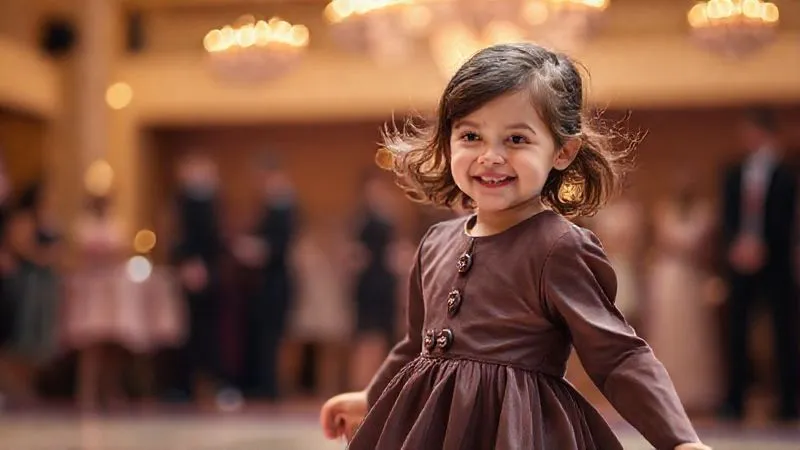
Even with the most carefully chosen garment, preparation is key to **preventing sensory issues from elaborate kids' formal event clothing**. The goal is to minimize surprises and build a sense of predictability and control for your child.
Empowering Your Child Through Choice
Involve your child in the selection process as much as possible. Offer a few pre-vetted, sensory-friendly options and let them choose. This gives them agency and can significantly reduce resistance. Even a choice of accessories can help.
The 'Wear-Test' Ritual
Never let the event day be the first time your child wears their formal attire. Implement a 'wear-test' ritual:
- Initial Try-On: As soon as you receive the outfit, have your child try it on for a few minutes. Check for immediate discomfort points.
- Short Practice Sessions: A few days before the event, have them wear the outfit for 15-30 minutes at home while engaging in a calm activity (reading, watching a show).
- Observe and Adapt: Pay close attention to their body language. Do they fidget? Rub their skin? Are they overheating? This allows you to address issues proactively.
Tag Team: The Art of Tag Removal and Seam Softening
These small details can make a monumental difference:
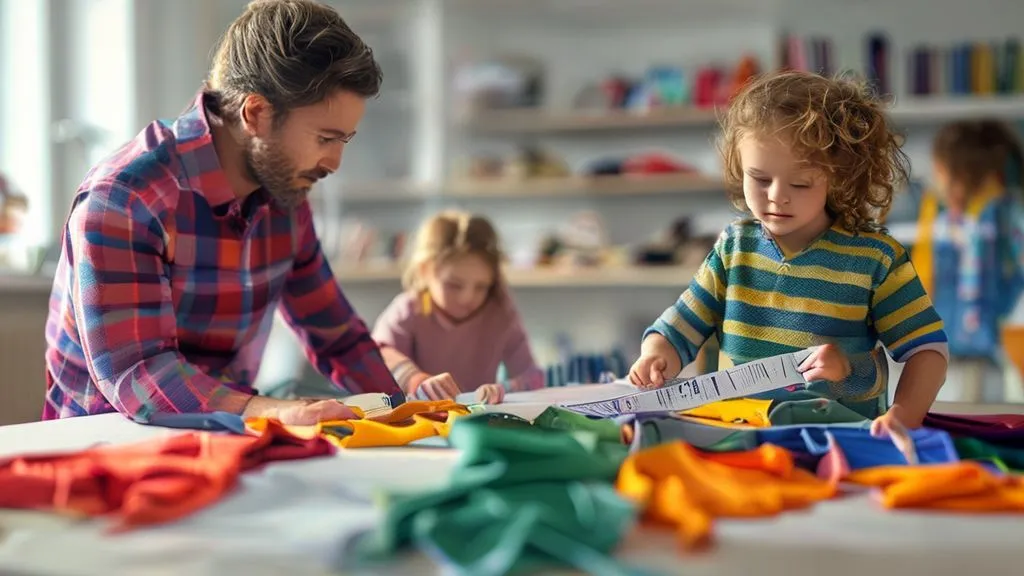
- Careful Tag Removal: Cut out all tags, including care tags. Use small, sharp scissors to get as close to the seam as possible without snipping the fabric. If a tiny stub remains, you can try a seam ripper to remove it completely or cover it with a soft fabric patch.
- Seam Softening: For particularly bulky or rough seams, consider hand-washing the garment a few times (if appropriate for the fabric) with a fabric softener. You can also apply a soft, iron-on fabric tape over problematic seams on the inside of the garment.
- Undergarments: A soft, seamless tank top or slip made from bamboo or modal can create a comfortable barrier between the formal outfit and your child's skin.
Preparation isn't just about the clothes; it's about preparing your child emotionally and physically for the experience. A well-prepared child is a more confident and comfortable child.
By investing time in these pre-event steps, you're not just adjusting the clothing; you're building your child's confidence and reducing their anxiety about the unknown sensory experiences of the day.
On-Site Strategies: Managing Sensitivities During the Event
Even with the best preparation, the dynamic environment of a formal event can introduce new sensory challenges. Having a plan for on-site management is crucial for **preventing sensory issues from elaborate kids' formal event clothing** when the stakes are highest.
Layering for Temperature Control
Formal venues can vary wildly in temperature. A child in a multi-layered dress or suit can quickly overheat, leading to distress. Plan for adaptable layering:
- Breathable Base Layers: Start with a thin, moisture-wicking undershirt or camisole made of bamboo or soft cotton.
- Removable Outerwear: A soft cardigan, bolero, or jacket that can be easily added or removed allows your child to adjust to temperature fluctuations without having to change their entire outfit.
- Regular Checks: Periodically check in with your child. Ask if they are too hot or cold, and observe for signs of discomfort like flushed cheeks or shivering.
Comfort Kit Essentials
Always pack a small 'comfort kit' that can provide quick relief or distraction:
- Favorite Fidget Toy: A small, quiet fidget toy can help channel restless energy and provide sensory input in a controlled way.
- Sensory Chewies: For children who seek oral sensory input, a discreet chewable necklace or bracelet can be invaluable.
- Comfort Item: A small, familiar comfort item (if appropriate for the event) can provide a sense of security.
- Snacks and Drinks: Stable blood sugar and hydration are critical for emotional regulation. Pack familiar, preferred snacks and a water bottle.
- Change of Clothes (Optional but Recommended): For very long events or highly sensitive children, having a simple, comfortable change of clothes (e.g., soft pajamas or a favorite tracksuit) can be a lifesaver for the journey home or an emergency outfit change.
Establishing a 'Safe Space' or 'Break Spot'
Identify a quiet, low-stimulus area at the venue where your child can retreat if they feel overwhelmed. Communicate this plan to the event hosts or organizers beforehand.
- This could be a quiet corner, an unused room, or even just stepping outside for a few minutes.
- Explain to your child beforehand that this 'safe space' is available if they need a break, empowering them to ask for it.
- Respect their need for these breaks without judgment.
Beyond Clothing: Holistic Support for Special Occasions
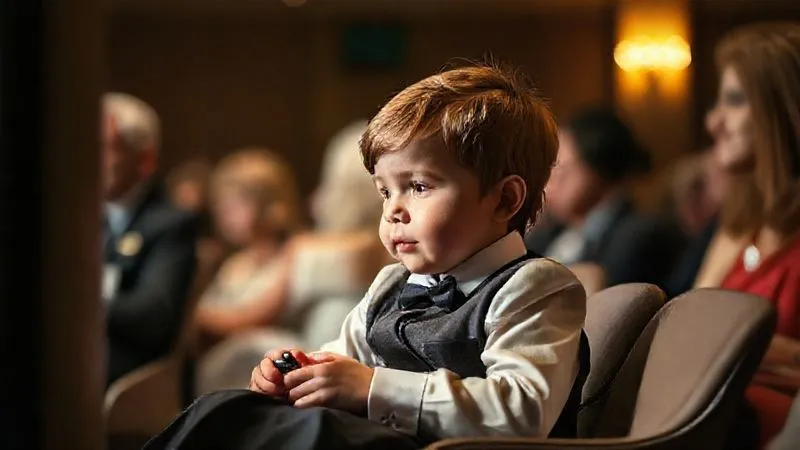
While clothing is the primary focus, truly **preventing sensory issues from elaborate kids' formal event clothing** involves a holistic approach. The entire event experience contributes to a child's sensory load.
The Power of Predictability
Unpredictability is a major source of anxiety for many children. Providing a clear roadmap of the event can significantly reduce stress:
- Social Stories: Create a simple story, either written or visual, that explains the event sequence: who will be there, what will happen, what to expect, and what they will wear.
- Visual Schedules: For younger children or those who respond well to visuals, a picture schedule of the event's key moments can be very grounding.
- Pre-Event Discussions: Talk about the noises, smells, and crowds they might encounter. Prepare them for potential sensory inputs.
Nourishment and Hydration
It sounds simple, but hunger and dehydration can significantly lower a child's sensory threshold, making them more irritable and prone to meltdowns. Ensure they have:
- A Balanced Meal: A good, protein-rich meal before the event helps stabilize blood sugar.
- Regular Hydration: Offer water frequently.
- Familiar Snacks: Pack preferred, non-messy snacks to avoid sensory issues with unfamiliar foods.
Case Study: Lily's Wedding Day Triumph
Lily, a bright 7-year-old, loved her aunt's upcoming wedding but dreaded the 'itchy' dress. Her parents, having struggled with formal events before, decided to implement a full sensory-friendly strategy. They chose an A-line dress made of a soft bamboo-cotton blend with a smooth lining, ensuring all tags were meticulously removed. Weeks before, they did short 'wear-tests' at home, pairing the dress with soft, seamless leggings underneath for extra comfort. On the day, they packed a small 'calm kit' with Lily's favorite fidget toy and a special water bottle. They also scouted a quiet balcony at the venue where Lily could take a 10-minute break during the reception. By giving Lily choices, preparing the outfit, and providing a predictable environment with planned breaks, she not only tolerated her dress but genuinely enjoyed the wedding, dancing happily and smiling for photos. This resulted in a joyous day for the whole family, free from sensory meltdowns.
Long-Term Outlook: Building Resilience and Positive Associations
Our journey in **preventing sensory issues from elaborate kids' formal event clothing** isn't just about one event; it's about fostering a positive relationship between your child and their clothing, building resilience, and equipping them with coping strategies for life.
Gradual Exposure and Positive Reinforcement
For children with significant sensitivities, gradual exposure can be beneficial. Start with very comfortable 'fancy' items and slowly introduce more elaborate ones as they become more tolerant. Always pair these experiences with positive reinforcement – praise their efforts, acknowledge their feelings, and celebrate small victories.
Advocacy and Communication
Don't be afraid to advocate for your child. Educate family members or event organizers about your child's needs. A simple explanation like, 'Lily's skin is very sensitive, so we've chosen clothes that won't irritate her' can often prevent well-meaning but unhelpful comments or expectations. For deeper understanding, consider sharing resources from organizations like the Star Institute for Sensory Processing Disorder.
| Category | Checklist Item |
|---|---|
| Fabric & Design | Soft, breathable fabrics selected? |
| Fabric & Design | Smooth, full lining present? |
| Fabric & Design | Flat seams and minimal, smooth embellishments? |
| Preparation | All tags removed? |
| Preparation | Outfit wear-tested at home? |
| Preparation | Comfortable undergarments planned? |
| Event Day | Comfort kit packed (fidget, chew, snack)? |
| Event Day | Safe space identified at venue? |
| Event Day | Child prepared with social story/schedule? |
| Holistic Support | Communication with family/hosts done? |
Frequently Asked Questions (FAQ)
My child refuses all formal wear. What's the first step? Start small. Begin with a single, very soft, non-restrictive item like a simple cotton dress or a soft button-up shirt. Let them wear it for just 5-10 minutes during a preferred activity, then immediately change. Gradually increase the time and introduce one new 'formal' element at a time, always prioritizing comfort. Focus on positive reinforcement, never force. For deeper insights into managing clothing aversions, resources from child development experts like those at Aha! Parenting can be invaluable.
Are there specific brands known for sensory-friendly formal wear? While few brands explicitly market 'sensory-friendly formal wear,' many adaptive clothing brands are expanding into special occasion lines. Look for brands that emphasize organic cotton, bamboo, or modal, and check reviews for mentions of softness, tagless designs, and flat seams. Brands like Primary, Hanna Andersson, and some smaller Etsy creators often offer options with sensory considerations. Always check fabric composition and lining details.
How do I handle family/friends who don't understand my child's sensory needs? Empathetic education is key. Explain simply that your child experiences clothing differently and that their comfort is your priority. You might say, 'We've found that certain fabrics really bother [Child's Name], so we've chosen something softer to help them enjoy the day more.' Share articles like this one or resources from reputable organizations like the National Association of School Psychologists if they want more information. Set boundaries firmly but kindly.
What if a meltdown still happens despite all precautions? It's okay. Meltdowns are a child's way of communicating overwhelm. Remain calm, remove your child to their pre-planned 'safe space,' and focus on co-regulation. Offer a comfort item, a drink of water, or a quiet activity. Don't blame yourself or your child. Reflect later on what might have triggered it and adjust your strategy for next time. It's a learning process for everyone.
Can these tips apply to school uniforms or everyday clothes? Absolutely! The principles of choosing soft, breathable fabrics, removing tags, and prioritizing comfortable designs are universally applicable. Many children struggle with sensory issues in everyday clothing too, and applying these strategies can significantly improve their daily comfort and reduce anxiety, fostering a more positive experience with all types of clothing.
Key Takeaways and Final Thoughts
Navigating elaborate kids' formal event clothing when sensory sensitivities are at play can feel daunting, but it doesn't have to be a battle. By adopting a thoughtful, empathetic, and proactive approach, you can transform these occasions into joyful, memorable experiences for your child and your family.
- Prioritize Fabric First: Always seek out soft, breathable materials and smooth, full linings.
- Deconstruct Design for Comfort: Choose silhouettes and embellishments that minimize restriction and irritation.
- Prepare Proactively: Involve your child, conduct wear-tests, and meticulously remove tags.
- Strategize On-Site: Plan for temperature control, pack a comfort kit, and identify a safe space.
- Embrace a Holistic Approach: Address predictability, nutrition, and communication to support your child's overall well-being.
Remember, your child's comfort and emotional well-being are paramount. By implementing these expert strategies, you're not just dressing your child; you're empowering them to feel confident, happy, and fully present at every special event. With patience and persistence, you can master the art of **preventing sensory issues from elaborate kids' formal event clothing**, ensuring that elegance and ease can beautifully coexist.
Recommended Reading
- Unlock Your Style: How to Build a Minimalist Casual Streetwear Wardrobe
- The Secret Revealed: How Stylists Pick Celebrity Luxury Red Carpet Gowns
- 7 Steps to Identify Truly Sustainable Textile Suppliers & Avoid Greenwashing
- Boost Your Tee Drops: 7 Proven Ways to Ignite Streetwear Hype Now
- 7 Expert Strategies: Revamp Your Outdated Professional Capsule Wardrobe



Your email address will not be published. Required fields are marked *