

How to Verify 1920s Silk Flapper Dress Authenticity Without Damage?
For over two decades in the vintage fashion industry, I've witnessed the thrill of discovering a true historical gem and, equally, the heartbreak of realizing a coveted 'vintage' piece is nothing more than a clever reproduction. The allure of a 1920s silk flapper dress is undeniable, a tangible link to an era of liberation and artistic explosion. However, the delicate nature of these garments makes the authentication process a minefield for the uninitiated.
The core problem isn't just identifying a fake; it's doing so without inflicting irreversible damage on a potentially fragile, century-old textile. Traditional methods like burn tests are out of the question for precious silk. Many enthusiasts, eager to confirm their find, inadvertently mishandle or misinterpret subtle clues, leading to costly mistakes or irreparable harm to the garment itself.
In this definitive guide, I will share my accumulated expertise, offering you a comprehensive, damage-free framework for verifying the authenticity of 1920s silk flapper dresses. We'll delve into the nuanced characteristics of period silks, construction techniques, embellishments, and even sensory clues, equipping you with actionable insights and expert techniques to confidently distinguish a genuine artifact from a modern imitation, all while preserving its delicate integrity.
The Intricacies of 1920s Silk: Understanding the Foundation
The very soul of a 1920s flapper dress lies in its fabric, and silk was the reigning queen. However, not all silks are created equal, and understanding the specific types prevalent during the Art Deco era is your first, crucial step. I've often seen collectors mistake a beautiful modern rayon for period silk, a common pitfall due to rayon's early development as 'artificial silk.'
Identifying Period-Appropriate Silk Weaves and Textures
True 1920s silk often exhibits a distinctive 'hand' or feel. It's typically lightweight, drapes fluidly, and has a subtle, natural sheen rather than the high gloss of many modern synthetics. Look for weaves like silk crepe, charmeuse, georgette, and chiffon. Silk crepe, in particular, was incredibly popular for flapper dresses due to its beautiful drape and slightly textured, matte finish. Charmeuse offered a luxurious, glossy front and a dull back, while georgette and chiffon provided sheer, ethereal layers.
When you gently touch the fabric, genuine silk feels smooth and soft, often warming slightly to your touch. It has a natural elasticity, allowing it to recover from gentle creasing. Unlike modern polyester or rayon, which can feel slick or cool, period silk has a unique organic quality. Pay close attention to the way the fabric moves; it should flow and ripple, not stand stiffly or have an unnatural spring. A common tell for reproductions is a fabric that feels too uniform, too perfect, or too heavy for the expected drape of a 1920s silhouette.
In my experience, the 'feel test' is one of the most immediate indicators. A true 1920s silk whispers luxury; a reproduction often shouts synthetic.
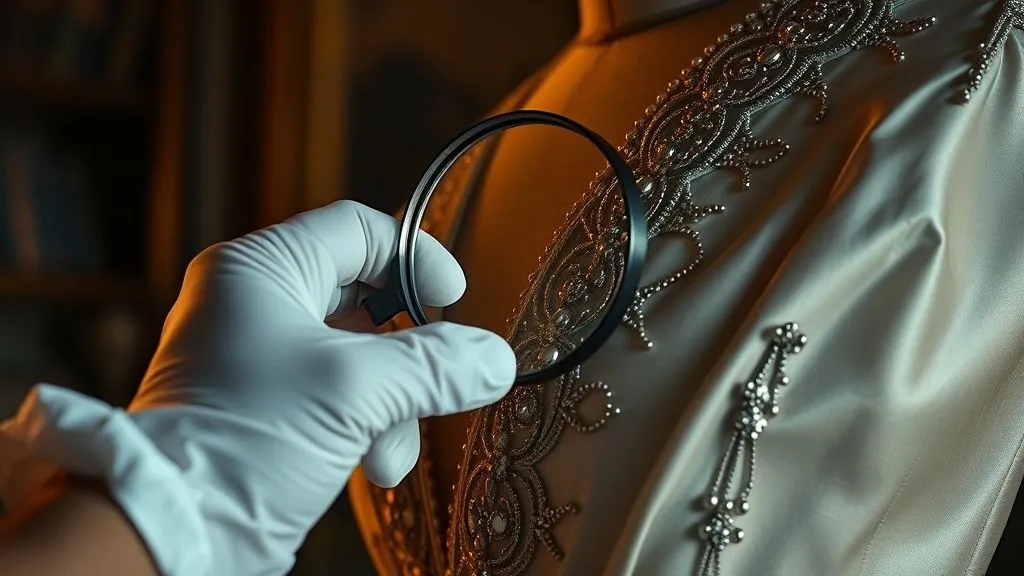
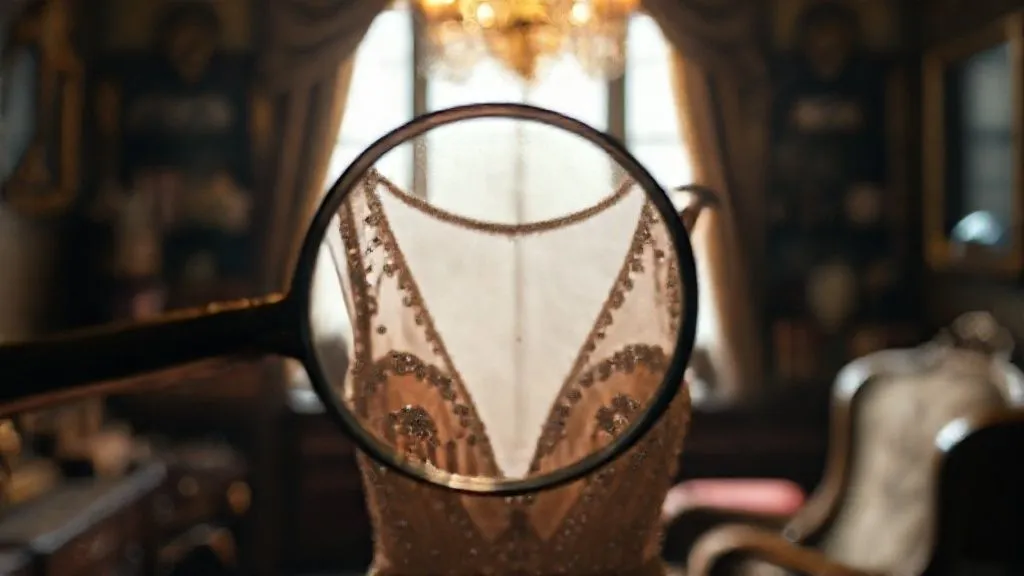
Another subtle clue lies in the warp and weft. Under a magnifying glass, you might observe slight irregularities in the weave of hand-loomed or early machine-loomed silks, which are absent in mass-produced modern fabrics. These aren't flaws, but rather signatures of early 20th-century textile production. According to textile historian Sarah Fee, the standardization of fabric production we see today was still in its nascent stages during the 1920s, leading to these charming inconsistencies. The Metropolitan Museum of Art's textile archives offer excellent visual references for period silks.
Decoding Construction: Seams, Stitching, and Finishing Techniques
The way a garment is put together can tell you as much about its age as the fabric itself. 1920s dressmaking involved techniques that differ significantly from modern mass production. I've often seen perfectly machine-stitched seams on a dress claiming to be from the '20s, which is an immediate red flag.
Hand-Stitching vs. Early Machine Stitching: A Crucial Distinction
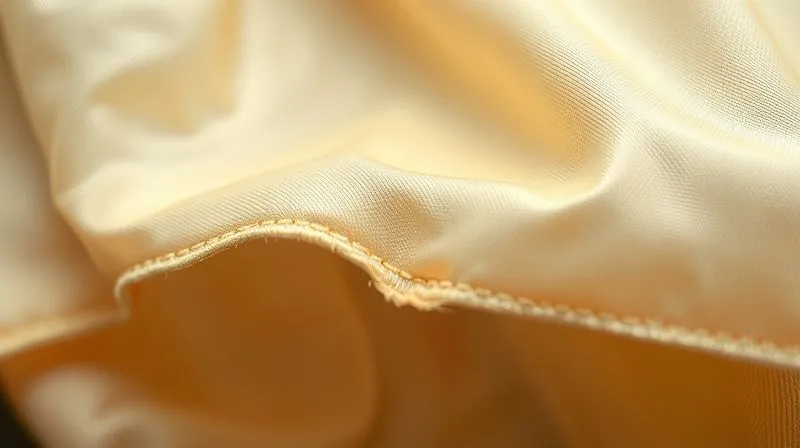
While sewing machines were prevalent in the 1920s, the finishing details often involved a significant amount of hand-stitching, especially on high-quality or couture garments. Look for tiny, even hand-stitches on hems, neckline finishes, and around armholes. These stitches are typically very small, often invisible from the right side, and show the slight variations inherent in handwork. Early machine stitching also has its own characteristics; it tends to be less uniform than modern computer-controlled machines, and the thread used might be cotton or silk, not synthetic polyester.
- Examine Hems: Gently unfold a small section of the hem if possible. Look for a rolled hem, often hand-stitched, or a narrow machine-stitched hem that is then turned up and hand-tacked. Modern dresses often have wider, entirely machine-stitched hems.
- Inspect Seams: Period seams are typically French seams (where the raw edge is enclosed within another seam) or simple machine-stitched seams with very narrow allowances, often left raw or pinked to prevent fraying on less delicate fabrics. Overlocking (serging) was not widely available for home sewers or even smaller manufacturers until much later.
- Check Closures: Snaps, hooks and eyes, and small metal zippers (if present at all, as zippers were only just beginning to be used in clothing towards the end of the decade) should be period-appropriate. Zippers, if present, would be metal and have a very specific look and feel; plastic zippers are a clear sign of a reproduction.
- Thread Material: Under magnification, you might be able to discern cotton or silk thread. Synthetic threads, which are very strong and have a slight sheen, are a sign of post-WWII manufacturing.
| Feature | 1920s Authentic | Reproduction/Modern |
|---|---|---|
| Seam Finish | French seams, narrow machine-stitched, raw/pinked edges | Overlocked (serged) seams, wide machine-stitched, fused hems |
| Hems | Hand-rolled, hand-stitched, narrow machine-stitched with hand-tacking | Wide machine-stitched, often fused or blind-stitched by machine |
| Stitch Uniformity | Slight variations in machine/hand stitches, smaller stitch length | Perfectly uniform machine stitches, often longer stitch length |
| Thread Material | Cotton or silk thread | Polyester or synthetic blends |
These details, though seemingly minor, are the fingerprints of an era. An expert eye can quickly differentiate between the careful handwork and early machine techniques of the 1920s and the more industrialized, cost-saving methods of later decades.
Embellishments and Adornments: Beads, Sequins, and Embroidery
The dazzling embellishments are arguably the most iconic feature of a flapper dress. However, these are also areas ripe for reproduction, often with inferior materials and application methods. I've encountered countless dresses with plastic beads or glued-on sequins, falsely advertised as genuine 1920s pieces.
Authentic Materials and Application Methods of the Roaring Twenties
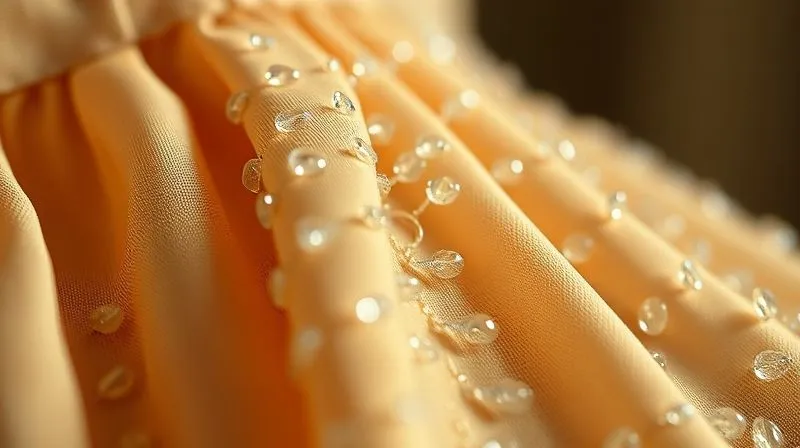
Genuine 1920s flapper dresses were adorned with glass beads, often faceted, and sometimes metal sequins. Plastic beads and sequins simply didn't exist in the same way. The weight of glass beads is noticeably heavier than plastic, and they have a cooler feel. Look for tiny seed beads, bugle beads, and sometimes larger glass or mother-of-pearl cabochons. The quality of these beads is often superior, with a consistent color and finish.
The application method is equally critical. Beads and sequins were almost exclusively hand-sewn onto the silk fabric, often in intricate patterns. Each bead or sequin would be individually stitched or strung in small sections, creating a robust and flexible embellishment. If you see signs of glue, or if the embellishments feel rigidly attached, it's a strong indicator of a modern reproduction. The thread used for attaching these should be fine silk or cotton, not synthetic monofilament.
Case Study: The 'Whispering Willow' Dress
A client once brought me a beautiful black silk dress, covered in what appeared to be delicate glass beads, purchased as a 'genuine 1920s flapper dress.' Upon initial inspection, the drape was perfect, and the silk felt right. However, closer examination of the beadwork revealed a tell-tale sign: while the beads themselves were glass, many were secured with a stiff, clear monofilament line, and in a few areas, a subtle residue of dried glue was visible underneath some detached beads. This was a sophisticated reproduction, utilizing vintage-style glass beads but employing modern, faster application techniques. The original 1920s pieces would have used fine silk thread, meticulously hand-stitched.
Furthermore, embroidery, if present, would be hand-executed, often in silk or metallic threads. The stitches would show the slight variations of human handwork, unlike the perfect uniformity of machine embroidery. Fringing, a common feature, should be made of silk, rayon, or sometimes glass beads, and carefully attached, often in multiple layers, to create movement.
Labeling and Provenance: The Elusive Paper Trail
While many 1920s garments, especially those made by smaller dressmakers or for personal use, may not have labels, the presence of one can be a significant clue. However, labels can also be faked, so critical examination is essential. I've often seen modern labels sewn into older dresses to deceive buyers.
Deciphering Vintage Labels and Their Significance
Authentic 1920s labels are typically made of woven silk, cotton, or linen, often with a distinctive font and graphic style characteristic of the era. They are usually sewn in with simple, often hand-done, stitches rather than heat-sealed or machine-stitched with modern overlock machines. Look for inconsistencies in the stitching if you suspect a reproduction label. The text might include the designer's name, department store, or a 'Union Made' tag, which became more common in the late 1920s.
- Material: Silk, cotton, or linen. Avoid synthetic-feeling labels.
- Font & Graphics: Period-appropriate typography and design.
- Stitching: Hand-stitched or early machine-stitched, not perfectly uniform.
- Content: Often includes designer, store, or 'Union Made' (later 20s).
- Placement: Typically sewn into the neckline or side seam.
Provenance, or the history of ownership, can also add immense value and authenticity, though it's often difficult to trace. A photograph of the original owner wearing the dress, or old sales receipts, are rare but invaluable. While not a direct 'damage-free' verification method, understanding the common types of labels and their characteristics helps prevent misidentification. For more on historical label identification, resources like The Vintage Fashion Guild's Label Resource are incredibly helpful.
The Patina of Time: Assessing Age-Related Wear and Preservation
A truly authentic vintage garment will bear the subtle hallmarks of age and use, a 'patina' that is incredibly difficult to replicate convincingly. This isn't about damage, but rather the natural effects of time and gentle wear. Reproductions often look too pristine, too 'new.'
Understanding Natural Deterioration vs. Artificial Aging
Genuine 1920s silk, even if well-preserved, will show signs of its age. These might include: subtle fading, particularly on exposed areas like shoulders or underarms; slight discoloration or yellowing in areas that have been handled; and minor, delicate fraying at edges that have seen movement. These signs are usually uneven and organic, reflecting how the dress was worn and stored over decades. The silk might feel slightly more fragile than new silk, a natural consequence of fiber degradation over time.
Artificial aging, on the other hand, often looks forced or uniform. Manufacturers might use chemical washes to dull colors or sandpaper to create 'wear,' but these effects rarely mimic natural aging. Look for consistent fading across the entire garment, or unnatural abrasions that don't correspond to typical wear points. The 'crispness' of a fabric that should be soft and flowing is another red flag.
| Characteristic | Authentic Aging | Artificial Aging |
|---|---|---|
| Fading/Discoloration | Subtle, uneven fading; yellowing in specific areas (e.g., underarms, neckline); sun-kissed patina | Uniform, often harsh fading across entire garment; unnatural stains; 'distressed' look that feels manufactured |
| Fabric Feel | Slightly delicate, soft, sometimes brittle; natural give | Too stiff, too new, or artificially softened with chemicals; lacks the natural 'hand' of aged silk |
| Wear Patterns | Minor, delicate fraying at edges, subtle thinning in high-friction areas (e.g., armpits, seams); uneven | Deliberate rips or tears; uniform abrasion; wear in areas that wouldn't naturally see heavy use |
Remember, we're looking for the gentle embrace of time, not the harsh grip of intentional distress. A truly authentic piece tells a story through its subtle imperfections.
Odor and Fabric "Hand": Sensory Clues to Authenticity
While often overlooked, our senses of smell and touch can be powerful, damage-free tools in authenticating vintage textiles. I've learned to trust my nose and fingertips as much as my magnifying glass when assessing a piece.
The Unmistakable Scent and Feel of True Vintage Silk
Authentic vintage silk often carries a faint, distinctive scent. It's not necessarily unpleasant, but rather a subtle, earthy, sometimes slightly musty aroma that speaks of decades of storage and aging. It's different from the chemical smell of new fabric or the strong perfume of a recently cleaned garment. This 'vintage scent' is incredibly hard to fake and is a cumulative result of the fibers interacting with air, dust, and time. If a dress has a strong chemical odor, like dye fixatives or sizing agents, it's likely a modern piece. Conversely, a complete lack of any scent can also be suspicious, as even thoroughly cleaned vintage items often retain a whisper of their past.
The 'hand' of the fabric, as mentioned earlier, refers to its tactile quality. Genuine 1920s silk feels different from modern synthetics. It's often lighter, softer, and has a more fluid drape. It may also have a slightly 'dry' or 'crisp' feel if it's been stored in a very dry environment, but it should never feel plasticky or overly slick. When you gently crumple a small, inconspicuous part of the fabric, true silk will leave soft, natural creases that often fall out with gentle handling or steaming, whereas synthetics might retain sharp, artificial wrinkles or spring back too perfectly.
- The Gentle Sniff Test: Hold the dress away from your face and take a gentle, slow inhale. Look for a subtle, earthy, or 'old paper' scent. Avoid inhaling deeply right on the fabric to prevent damaging delicate fibers.
- The Touch Test: With clean hands, gently rub a small section of the fabric between your thumb and forefinger. Note its temperature, smoothness, and flexibility. Does it feel cool, then warm? Does it glide or resist?
- The Drape Test: Hold a corner of the dress and let it hang. Observe how the fabric falls. Authentic silk will drape elegantly and fluidly, conforming to gravity with a beautiful ripple.
These sensory observations are highly subjective but, with practice, become invaluable indicators of authenticity. They require no special equipment and pose no risk to the garment.
UV Light Examination: Uncovering Hidden Repairs and Fabric Changes
A UV (ultraviolet) light, specifically a long-wave UV light, can be an incredibly useful, non-invasive tool for authenticating vintage textiles. It reveals discrepancies that are invisible to the naked eye, without touching or altering the fabric.
A Non-Invasive Tool for Detecting Alterations and Dye Fading
Under UV light, different fibers and dyes fluoresce (glow) in distinct ways. For a 1920s silk flapper dress, a UV light can reveal:
- Repairs and Alterations: Newer threads, even if perfectly color-matched, will often fluoresce differently than the original century-old threads. This can highlight invisible mends, patches, or areas where the dress has been resized or altered.
- Dye Changes: Original dyes from the 1920s will often have a consistent fluorescence. Areas that have been re-dyed or stained with modern chemicals might show up as different colors or intensities under UV light.
- Fabric Inconsistencies: If parts of the dress have been replaced with non-period fabric, even if it looks identical in normal light, it will likely fluoresce differently. For example, a modern synthetic patch on an older silk garment will stand out.
- Stains: Organic stains (like food or body oils) and certain cleaning product residues can also show up under UV light, providing clues about the garment's history and preservation.
To perform a UV examination, ensure you are in a completely dark room. Hold the UV light a few inches away from the fabric and slowly scan the entire garment, paying close attention to seams, areas around embellishments, and any suspicious spots. Look for areas that glow brighter, duller, or a different color than the surrounding fabric. This method is particularly effective for detecting subtle repairs that might have been expertly hidden. For more detailed insights into textile conservation and examination techniques, organizations like The American Institute for Conservation of Historic & Artistic Works (AIC) provide excellent resources.

Consulting the Experts: When to Seek Professional Appraisal
While the methods I've outlined empower you to conduct thorough preliminary checks, there are times when the complexity of a piece or the sheer value involved necessitates a professional opinion. In my career, I've seen too many individuals make significant investments based solely on their own nascent authentication skills, only to be disappointed.
Finding Reputable Vintage Textile Appraisers
Knowing when to call in an expert is a sign of true connoisseurship. If you suspect you have a particularly rare, valuable, or historically significant piece, or if you simply can't resolve conflicting clues, a professional appraisal is a wise investment. A reputable vintage textile appraiser will possess deep historical knowledge, access to specialized tools, and the experience to confidently assess authenticity, condition, and market value.
- High Value or Rarity: If the dress appears to be a couture piece, exceptionally well-preserved, or from a known designer, a professional appraisal is essential.
- Conflicting Clues: If some indicators point to authenticity while others raise doubts, an expert can weigh the evidence with a more informed perspective.
- Insurance or Resale: For insurance purposes or if you plan to resell the garment, a certified appraisal provides documented proof of authenticity and value.
- Historical Significance: If you believe the dress has a unique historical provenance or belonged to a notable figure, an expert can help research and confirm this.
When seeking an appraiser, look for individuals or firms specializing in vintage textiles or costume history. Check their credentials, experience, and affiliations with professional organizations like the Appraisers Association of America or the American Society of Appraisers. Don't hesitate to ask for references or examples of their work. A good appraiser will explain their methodology and provide a detailed report. Remember, their expertise is a safeguard for your investment and the historical integrity of the garment itself. The Appraisers Association of America can be a good starting point for finding certified professionals.
Frequently Asked Questions (FAQ)
Question? Can the 'burn test' be safely adapted for a small, inconspicuous thread from a 1920s silk flapper dress?
Answer: While the burn test is a classic method for distinguishing natural fibers like silk from synthetics, I strongly advise against it for any part of a genuine 1920s garment. Even a tiny, inconspicuous thread can compromise the integrity of the fabric, especially given its age and potential fragility. There's also the risk of misidentifying the thread as original, when it might be a later repair. The non-damaging methods outlined in this guide are far safer and equally effective for authentication.
Question? How common are authentic 1920s silk flapper dresses on the market today, and what should I expect regarding their condition?
Answer: Authentic 1920s silk flapper dresses are increasingly rare, particularly in excellent, wearable condition. Silk is a delicate fiber, and a century of existence takes its toll. You should expect some signs of age, such as minor fading, very small stress points on seams, or perhaps a few missing beads. Dresses in pristine condition are museum-worthy and command very high prices. Be wary of sellers claiming 'perfect' condition for a low price; often, this indicates a reproduction or a heavily restored piece. Embrace the patina of time as part of its charm.
Question? Are there specific colors or patterns that were more prevalent in 1920s silk flapper dresses?
Answer: Yes, the 1920s saw a distinct palette and aesthetic. Muted tones like beige, ivory, black, and pastels were common, but vibrant jewel tones (emerald green, sapphire blue, ruby red) also appeared, especially for eveningwear. Art Deco geometric patterns, abstract florals, and sometimes Oriental-inspired motifs were popular. Be cautious of overly bright, neon, or modern abstract patterns that don't align with the era's typical design sensibilities. The dyes used a century ago also had a different quality and saturation than modern synthetic dyes.
Question? What if a dress has a mix of characteristics – some authentic, some questionable?
Answer: This is where the authentication process becomes truly nuanced. A mix of characteristics could indicate several things: a genuine dress with later repairs or alterations, a period-style dress made in a slightly later decade, or a very clever reproduction that incorporates some authentic elements. It's crucial to weigh all the evidence. If the core fabric, construction, and embellishments align with the 1920s, but there's a suspicious label or a modern-looking repair, it's likely a genuine piece that has been modified. In such cases, if the value is high or the decision is critical, consulting a professional appraiser is always the best course of action.
Question? How should I handle and store a suspected 1920s silk flapper dress to prevent damage during examination and long-term?
Answer: Always handle vintage silk with clean, preferably gloved hands to avoid transferring oils and dirt. Support the garment's weight fully when moving it. For storage, use archival-quality, acid-free tissue paper to pad folds and prevent creasing, and store it flat in an acid-free box, or on a padded hanger (if the fabric can bear its own weight without stretching) in a breathable garment bag. Keep it in a cool, dark, dry place away from direct sunlight, humidity, and pests. Never hang delicate, heavily beaded silk dresses for extended periods, as the weight can stress seams and cause damage.
Key Takeaways and Final Thoughts
Authenticating a 1920s silk flapper dress is a rewarding endeavor that requires patience, a keen eye, and a deep respect for historical textiles. It's a journey into the past, where every stitch and every bead tells a part of its story. Remember the critical, damage-free methods we've explored:
- Understand Period Silk: Familiarize yourself with the 'hand,' drape, and weave of authentic 1920s silks like crepe, charmeuse, and georgette.
- Examine Construction: Look for hand-finishing, narrow machine stitches, French seams, and period-appropriate closures.
- Scrutinize Embellishments: Confirm glass beads and metal sequins, meticulously hand-sewn, not glued or plastic.
- Decipher Labels & Provenance: Understand the look of period labels and seek any historical ownership records.
- Assess Patina of Time: Identify natural, uneven signs of aging versus forced, artificial distressing.
- Trust Your Senses: Use the 'sniff test' and 'hand test' to detect subtle, authentic sensory clues.
- Utilize UV Light: Employ a long-wave UV light to reveal hidden repairs, alterations, and fabric inconsistencies.
- Consult Experts: Don't hesitate to seek a professional appraisal for high-value or complex pieces.
By applying these expert-backed techniques, you're not just verifying a garment; you're becoming a steward of history. Each authentic flapper dress is a testament to the craftsmanship and spirit of an iconic era. Approach each piece with care, curiosity, and the knowledge that you now possess the tools to uncover its true story, preserving its delicate beauty for generations to come. Happy authenticating!
Recommended Reading
- Networking Edge: How to Find a Prestigious Men's Watch Under $1000
- Why Aren't My Streetwear Influencer Collabs Selling? 7 Fixes
- 7 Steps to Optimize Seasonal Womens Accessory Inventory & Boost Profits
- Unlock Hyper-Realism: The Ultimate Guide to Improving Costume Design Sketch Realism
- 7 Proven Strategies: Liquidate Unsold Bridal Gowns Quickly & Profitably

Your email address will not be published. Required fields are marked *