

How to Stop Sports Eyewear Slipping During High-Sweat Extreme Endurance Events?
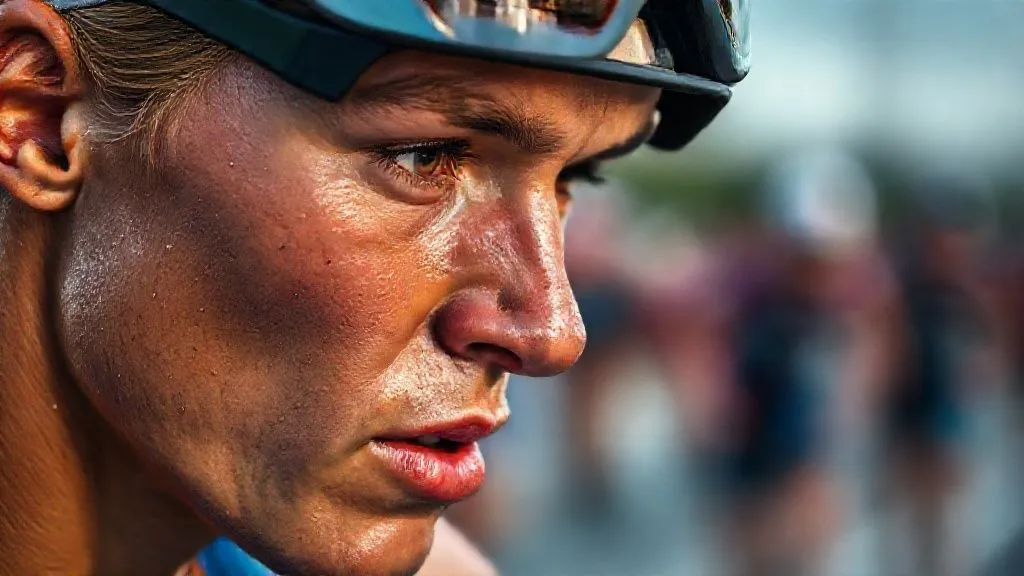
For over two decades in the specialized world of eyewear fashion, particularly within the demanding realm of sports optics, I've witnessed a common, yet profoundly frustrating, scenario unfold countless times. Picture this: an athlete, pushing their limits in a marathon, triathlon, or grueling trail run, only to have their focus shattered by a pair of sunglasses constantly sliding down their nose, bouncing with every stride, or worse, succumbing to a sudden wipe of sweat and falling off entirely. It’s not just an inconvenience; it’s a performance killer and a significant safety hazard.
The problem is exacerbated in high-sweat, extreme endurance events. The combination of relentless perspiration, increased body heat, and dynamic movement creates a perfect storm for eyewear instability. Many athletes invest heavily in their gear – shoes, apparel, nutrition – yet often overlook the critical role of properly secured, high-performance eyewear. They settle for ‘good enough’ when ‘perfect’ is within reach, directly impacting their concentration, vision, and ultimately, their race outcome.
Through years of advising elite athletes and collaborating with leading eyewear manufacturers, I’ve distilled the science and practical application behind keeping sports eyewear firmly in place, even when you’re drenched in sweat and pushing your body to its absolute maximum. This isn't about quick fixes; it's about understanding the mechanics, leveraging advanced materials, and adopting strategic habits. By the end of this definitive guide, you'll have a comprehensive, actionable framework to ensure your vision remains unobstructed and your focus unwavering, no matter how intense the challenge. We will delve into precision fitting, advanced retention systems, intelligent material choices, and crucial maintenance protocols to help you definitively stop sports eyewear slipping during high-sweat extreme endurance events.
Understanding the Sweat Factor: Why Eyewear Slips
Before we can fix the problem, we must truly understand its root cause. Sweat is not just water; it's a complex bodily fluid containing water, electrolytes, and metabolic waste products. When you engage in high-sweat, extreme endurance events, your body's thermoregulation system kicks into overdrive, producing copious amounts of perspiration. This sweat, particularly the oils and salts within it, acts as a lubricant on the skin, significantly reducing the friction that typically holds eyewear in place.
The human skin, especially around the nose bridge and temples, is designed to be somewhat pliable and porous. When saturated with sweat, its surface becomes slick. Traditional eyewear materials, often smooth plastics or metals, have very little inherent grip on a wet, oily surface. This lack of static friction, combined with the dynamic forces of running, cycling, or other high-impact movements, makes slipping almost inevitable for poorly chosen or ill-fitting frames.
The Science of Sweat and Friction
Consider the coefficient of friction. In dry conditions, there's enough friction between your skin and eyewear materials to maintain a secure hold. However, as sweat accumulates, it creates a thin liquid layer that drastically lowers this coefficient. This is why even a slight head movement or the impact of a foot strike can cause your glasses to shift. The challenge, therefore, is to introduce elements that either absorb, repel, or actively grip the skin despite the presence of sweat.
Common Pitfalls in Eyewear Design
Many commercially available sports eyewear options, while stylish, are not engineered for the rigors of extreme endurance. I've observed several recurring design flaws:
- Insufficient Contact Points: Frames that only touch the face at minimal points are more prone to slipping.
- Smooth, Non-Hydrophilic Materials: Materials that don't react favorably to moisture will become slick.
- Non-Adjustable Components: One-size-fits-all nose pads or temple tips rarely provide an optimal, secure fit for diverse facial anatomies.
- Improper Weight Distribution: Heavily front-weighted frames will naturally want to slide forward.
"The most common mistake I see athletes make is treating sports eyewear like fashion accessories rather than essential performance gear. The demands of high-sweat events require a completely different engineering philosophy."
The Foundation: Precision Fit & Frame Material Selection
The single most critical factor in preventing eyewear slippage is an impeccable fit. It sounds obvious, but a 'snug' fit is not the same as a 'precision' fit. A truly secure fit means the eyewear integrates seamlessly with your facial anatomy, distributing pressure evenly without creating hotspots, and maintaining contact even when your skin is slick with sweat.
Custom Fitting: A Non-Negotiable
Generic sizing simply won't cut it for extreme conditions. I always advise athletes to seek out an eyewear specialist who understands sports-specific fitting. This involves:
- Nose Bridge Assessment: Ensuring the nose pads sit comfortably and firmly without pinching, distributing the frame's weight effectively.
- Temple Arm Length & Curve: The arms should extend comfortably over and slightly around the ear, providing gentle pressure without digging in.
- Frame Wrap: A slight wrap-around design offers better peripheral vision and a more secure hold, preventing light leakage and reducing movement.
- Pantoscopic Tilt: The angle of the lenses relative to your face is crucial for optical clarity and preventing contact with your cheeks during movement.
Many high-end sports eyewear brands offer adjustable nose pads and temple tips, often made from malleable wire cores encased in rubber. Don't be afraid to adjust these until the fit is perfect. A professional optician can do this safely and effectively.
Hydrophilic Materials and Coatings
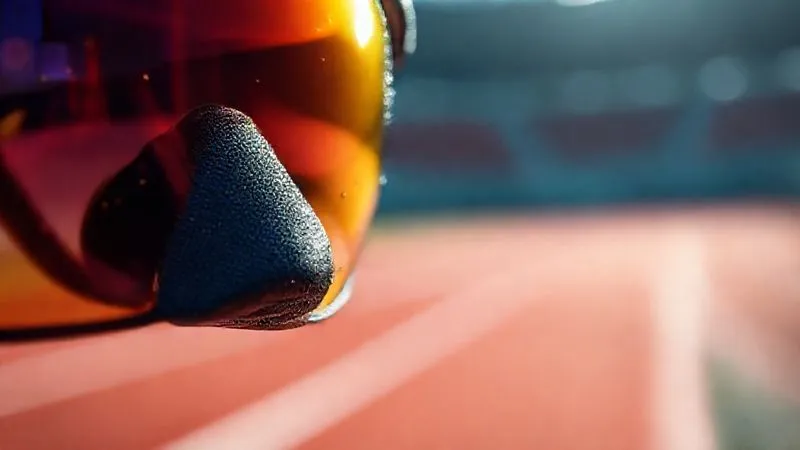
This is where material science becomes your best friend. Look for eyewear frames and components that incorporate hydrophilic (water-attracting) rubber. Unlike standard rubbers that can become slick when wet, hydrophilic materials actually increase their grip when exposed to moisture, providing a superior anti-slip effect. Brands like Oakley with their Unobtainium® earsocks and nose pads, or Rudy Project with their Ergonose™ adjustable nose pieces, are prime examples of this technology in action.
These specialized rubbers are strategically placed at key contact points: the nose bridge and the temple tips. When sweat begins to flow, these materials become tackier, creating a 'sticky' friction that actively resists slippage. This is a game-changer for high-sweat activities and is fundamental to how to stop sports eyewear slipping during high-sweat extreme endurance events.
Advanced Retention Systems: Beyond the Basic Strap
While a precision fit and hydrophilic materials form the bedrock, sometimes you need an extra layer of security, especially in extreme conditions or for athletes with unique facial structures. This is where advanced retention systems come into play, offering supplementary methods to keep your eyewear locked down.
Ear Socks, Temple Grips, and Nose Pads
These small but mighty components are often overlooked. As discussed, hydrophilic materials are key here. But beyond material, consider the design:
- Extended Ear Socks: Some designs feature longer, more aggressively curved ear socks that provide a greater surface area of contact behind the ear, enhancing grip.
- Adjustable Temple Grips: Many premium frames allow you to bend and shape the temple tips to conform perfectly to the curve of your head behind the ear.
- Textured Nose Pads: Beyond material, some nose pads feature subtle textures or ridges that provide additional mechanical grip against the skin.
Always ensure these components are clean and free of dirt or sunscreen residue, which can compromise their grip. Regular cleaning with mild soap and water is essential.
Headbands and Straps: The Right Way to Use Them
For truly extreme events or when maximum security is paramount, a well-chosen headband or eyewear retention strap can be invaluable. However, not all are created equal.
- Silicone-Lined Headbands: These are excellent for sweat management and provide a non-slip surface for your eyewear to rest against. Choose one that fits snugly but comfortably, without causing pressure headaches.
- Adjustable Eyewear Straps: Look for straps made from soft, durable, and adjustable materials. Neoprene or silicone straps that secure tightly to the temple tips are generally more effective than loose cords.
- Floatation Straps: For water sports or triathlons, a strap that doubles as a flotation device can save your expensive eyewear from sinking to the bottom.
- Proper Placement: The strap should sit low on the back of your head, just above the nape of your neck, to provide upward and inward pressure, countering the downward force of gravity and movement. Avoid placing it high on your head, which can pull the eyewear upwards and away from your face.
Here’s a comparison of common retention accessories:
| Accessory | Benefit | Best For | Maintenance | Cost (Avg) |
|---|---|---|---|---|
| Hydrophilic Ear Socks/Nose Pads | Increased grip with sweat, integrated design | All high-sweat activities | Regular cleaning | Included with premium frames |
| Silicone-Lined Headband | Sweat absorption, additional grip | Running, cycling, general training | Wash after use | $10-$25 |
| Adjustable Eyewear Strap (Silicone/Neoprene) | Maximum security, prevents drops | Extreme sports, water sports, high-impact activities | Rinse/wash after use | $15-$40 |
| Eyewear Grips (Add-on) | Converts standard frames to anti-slip | Casual frames needing an upgrade | Clean periodically | $5-$15 |
Anti-Fogging & Sweat Management Strategies
Slipping isn't the only vision impediment during high-sweat events; fogging is an equally vexing problem. Often, these two issues are intertwined, as sweat on the lenses contributes to both reduced visibility and increased likelihood of slipping due to wiping. Effective sweat management is crucial for both.
Vented Lenses and Anti-Fog Coatings
The primary cause of lens fogging is the temperature difference between your body (and the air trapped behind the lenses) and the cooler ambient air. Vented lenses are designed to promote airflow, allowing warm, moist air to escape and preventing condensation. Look for frames with strategically placed vents on the top or sides of the lenses.
Anti-fog coatings, either factory-applied or aftermarket sprays/wipes, work by creating a hydrophilic surface on the lens. Instead of water droplets forming and scattering light (causing fog), the coating causes the moisture to spread out into a thin, uniform layer, maintaining transparency. While no anti-fog solution is 100% foolproof in every condition, a combination of venting and coatings significantly reduces the problem.
Sweatbands and Visors: Your First Line of Defense
Before sweat even reaches your eyewear, you can intercept it. A high-quality sweatband or visor with an integrated sweat-wicking band is an incredibly effective tool. I've seen countless athletes underestimate the power of a good headband. It acts as a barrier, absorbing sweat from your forehead before it can run down your face and onto your eyewear or nose bridge.
Choose sweatbands made from technical, moisture-wicking fabrics that dry quickly. Some even incorporate silicone strips on the inside to prevent the sweatband itself from slipping. Paired with properly fitted eyewear, a sweatband significantly reduces the amount of moisture that can compromise your eyewear's grip. This proactive approach is fundamental to how to stop sports eyewear slipping during high-sweat extreme endurance events.

The Power of Lens Technology & Hydrophobic Treatments
Beyond frame materials and fit, the lenses themselves play a vital role in maintaining clear vision and contributing to the overall stability of your eyewear. What good is a secure fit if your vision is obscured by sweat, rain, or grime?
Ensuring Clear Vision in Extreme Conditions
Modern sports lenses offer a plethora of technologies designed to enhance vision:
- Polarized Lenses: Reduce glare from reflective surfaces like water, snow, or wet roads, crucial for safety and comfort.
- Photochromic Lenses: Automatically adjust their tint based on UV light exposure, ideal for events with varying light conditions (e.g., trail running through shaded forests and open fields).
- High-Definition Optics: Engineered to provide superior clarity and contrast, helping you spot obstacles and nuances in your environment more quickly.
Choosing the right lens for your specific event and conditions is an act of proactive performance enhancement. For example, a cyclist might prefer a lens that enhances road texture, while a trail runner might prioritize depth perception.
Hydrophobic Coatings: Repelling Sweat and Rain
Just as hydrophilic materials attract sweat to increase grip on the frame, hydrophobic (water-repelling) coatings on lenses are designed to shed water, sweat, and oils. These coatings create an incredibly smooth, non-stick surface that causes liquids to bead up and roll off, rather than smearing. This is invaluable when you're sweating profusely or caught in a downpour.
A good hydrophobic coating means fewer distractions from blurry vision due to sweat drips, and less need to constantly wipe your lenses – which, in turn, reduces the chances of accidentally dislodging your eyewear. Many premium sports eyewear brands integrate these coatings directly into their lenses. It's a subtle technology with a significant impact on sustained clear vision and overall eyewear stability during intense activities.
Maintenance and Preparation: Pre-Event Rituals
Even the most advanced eyewear, with the perfect fit and cutting-edge materials, can fail if not properly maintained and prepared. Think of it like tuning a high-performance engine; routine care ensures optimal function. This step is often overlooked, but it's crucial for sustained anti-slip performance.
Cleaning Protocols for Optimal Grip
Your eyewear's anti-slip properties rely on clean contact surfaces. Sweat, sunscreen, dirt, and even natural skin oils can build up on the nose pads and temple tips, creating a slick film that negates the grip of hydrophilic materials. I recommend a simple yet consistent cleaning ritual:
- Daily Rinse: After every high-sweat activity, rinse your eyewear under lukewarm water to remove immediate sweat and grime.
- Gentle Soap Wash: Periodically, use a mild, pH-neutral soap (like dish soap diluted with water) and gently scrub the nose pads and temple tips with your fingers. Avoid harsh chemicals or abrasive cloths.
- Air Dry or Microfiber: Allow your eyewear to air dry, or gently blot with a clean, lint-free microfiber cloth specifically designed for optics.
- Avoid Residue: Be mindful of applying sunscreen or insect repellent. Try to apply these products before putting on your eyewear, and allow them to absorb fully to minimize transfer to the frame. If transfer occurs, clean immediately.
Pre-Race Checks and Adjustments
Before any major endurance event, make your eyewear check a part of your mandatory gear inspection. A quick pre-race ritual can save you significant frustration:
- Tightness Check: Gently pull on the temple arms and check the screws. If anything feels loose, tighten it with a small optics screwdriver.
- Pad Integrity: Inspect nose pads and temple tips for any signs of wear, cracking, or hardening, which can reduce grip. Replace them if necessary.
- Fit Confirmation: Put on your eyewear and perform a few head movements (nodding, shaking) to confirm the fit is still secure. If you've recently changed your hairstyle or lost/gained weight, the fit might have subtly changed.
- Lens Clarity: Ensure lenses are spotless and any anti-fog coatings are still effective. Reapply anti-fog treatment if needed.
These simple steps ensure that the effort you put into selecting and fitting your eyewear isn't undermined by poor maintenance. It’s a small investment of time for guaranteed performance when it matters most.
Case Study: Emily's Ultra-Marathon Victory with Optimized Eyewear
Emily's Challenge: Overcoming Slippage in the Desert Ultra
Emily, a seasoned ultra-marathoner, was preparing for her most challenging race yet: a multi-stage desert ultra where temperatures soared above 100°F (38°C) and sweat was an unavoidable constant. In previous races, her premium sports sunglasses, while offering excellent optics, consistently slipped down her nose, requiring constant adjustments. This broke her rhythm, caused chafing, and led to moments of frustration that impacted her mental game. She came to me seeking a definitive solution to how to stop sports eyewear slipping during high-sweat extreme endurance events.
Her existing eyewear featured a good wrap-around design and decent lens quality, but the nose pads were a rigid, non-hydrophilic plastic, and the temple tips lacked sufficient grip. The frame itself was also slightly too wide for her narrower face, leading to excessive movement.
The Solution: A Multi-Pronged Eyewear Strategy
Working together, we implemented a comprehensive strategy:
- Precision Re-fitting: First, we swapped her existing frame for a model with adjustable, hydrophilic nose pads and malleable temple tips. An expert optician carefully adjusted the frame to her exact facial contours, ensuring even pressure distribution and maximum contact at the grip points.
- Hydrophilic Upgrades: We specifically chose a frame where the Unobtainium® (or similar hydrophilic material) was strategically placed not just on the nose, but also along the inner surface of the temple arms for enhanced grip behind the ears.
- Strategic Sweat Management: Emily incorporated a high-performance, silicone-lined sweatband into her gear. This acted as the first line of defense, absorbing the bulk of the sweat from her forehead before it could reach her eyewear.
- Pre-Race Protocol: We established a strict cleaning routine for her eyewear, ensuring the hydrophilic surfaces were always free of sunscreen and dirt. Before each stage of the ultra, she performed a quick fit check and wiped her face with an alcohol-free cleansing wipe to remove excess oils, creating an optimal surface for the eyewear to grip.
The Outcome: Unwavering Focus and a Personal Best
The results were transformative. During the grueling desert ultra, Emily reported that her eyewear stayed perfectly in place, even during the most intense, sweat-drenched climbs and descents. She never once had to push her glasses back up her nose. This newfound stability allowed her to maintain unwavering focus on the treacherous terrain, conserve mental energy, and execute her race strategy flawlessly. She not only finished the ultra but achieved a personal best, attributing a significant part of her success to her optimized eyewear setup.
Emily's experience underscores a critical lesson: solving the problem of slipping eyewear isn't about one single trick, but a holistic approach combining expert fitting, advanced materials, smart accessories, and diligent maintenance. It’s an investment in your performance and peace of mind.

When to Upgrade: Recognizing Worn-Out Gear
Even with the best care, sports eyewear, like all performance gear, has a lifespan. The materials designed for grip and flexibility can degrade over time due to exposure to UV radiation, sweat, chemicals (like sunscreen), and general wear and tear. Recognizing when your current eyewear is no longer performing optimally is key to maintaining your edge and preventing unexpected slippage.
Signs Your Eyewear is Losing Its Grip
As an expert, I've observed several clear indicators that it's time to consider an upgrade or replacement of components:
- Hardening or Cracking of Rubber: Hydrophilic rubber components (nose pads, temple tips) should remain soft and pliable. If they feel stiff, brittle, or show cracks, their grip properties have significantly diminished.
- Loss of Tackiness: Even after thorough cleaning, if the grip points no longer feel 'tacky' or slightly sticky when wet, the material's properties have significantly degraded.
- Persistent Slippage: If, despite all the fitting and cleaning strategies discussed, your eyewear continues to slip, it's a strong sign that the frame or its components are no longer providing adequate retention.
- Loose Hinges/Screws: While screws can be tightened, repeatedly loosening hinges can indicate frame fatigue or stripped threads, affecting overall stability.
- Distorted Lenses: Scratches or delamination of lens coatings can compromise vision, which, while not directly related to slippage, impacts overall performance and often accompanies general wear.
Don't wait until a crucial event to discover your eyewear is failing. Regular inspection is part of your training regimen. For further reading on the importance of proper eyewear, you might find insights from the American Optometric Association helpful.
Investing in Performance: A Cost-Benefit Analysis
Some athletes hesitate to invest in new eyewear, viewing it as an unnecessary expense. However, consider the cost of compromised performance, potential injury from obstructed vision, or the mental frustration that can derail an entire event. High-quality sports eyewear is an investment in your safety, focus, and ultimate success. The incremental cost of upgrading often pales in comparison to the benefits of unwavering vision and security during your most demanding efforts.
Think of it as essential equipment, not an accessory. Just as you wouldn't run a marathon in worn-out shoes, you shouldn't tackle an ultra-endurance event with compromised eyewear. Prioritize quality, fit, and material technology. This proactive approach is fundamental to how to stop sports eyewear slipping during high-sweat extreme endurance events. A study on sport vision and athletic performance highlights the direct correlation.
Here’s a quick checklist to assess your current sports eyewear:
| Component | Check | Action If Failed |
|---|---|---|
| Nose Pads | Are they soft, pliable, and tacky when wet? | Replace or upgrade to hydrophilic material. |
| Temple Tips | Do they grip behind the ears without slipping or pinching? | Adjust, replace, or upgrade to hydrophilic. |
| Frame Material | Is it lightweight, durable, and flexible enough for your activity? | Consider a frame made with advanced polymers (e.g., Grilamid, O Matter). |
| Hinges/Screws | Are they tight and free of excessive play? | Tighten or seek professional repair/replacement. |
| Lenses | Are they clear, scratch-free, and effective against fog/glare? | Replace lenses or upgrade with anti-fog/hydrophobic coatings. |
Frequently Asked Questions (FAQ)
Q: Can I use superglue or tape to permanently fix my slipping eyewear?
A: Absolutely not. Superglue is brittle and will likely fail under dynamic stress, potentially damaging your frames or skin. Tape will leave residue, compromise skin breathability, and offer only a temporary, uncomfortable fix. Focus on proper fit and materials.
Q: My eyewear fits well initially but starts slipping after an hour of sweating. What's wrong?
A: This is a classic indicator that your eyewear lacks sufficient hydrophilic properties at the contact points. While the initial dry fit is good, the accumulation of sweat is overcoming the friction. Re-evaluate your nose pads and temple tips for hydrophilic rubber, and consider a high-performance sweatband.
Q: Are heavier frames more prone to slipping?
A: Generally, yes. The heavier the frame, the more gravitational pull and inertial force it exerts, making it more challenging to keep in place, especially on a slick, sweaty surface. Opt for lightweight, durable materials engineered for performance.
Q: Can wearing a cap or helmet affect how my eyewear fits and slips?
A: Definitely. A cap's brim can push down on the frame, altering the nose bridge fit. Helmets, especially cycling or climbing helmets, can interfere with temple arms, either pushing them into your head (causing discomfort) or lifting them slightly (reducing grip). Always test your eyewear with your specific helmet or cap to ensure compatibility and fit.
Q: What's the best way to clean hydrophilic rubber components without damaging them?
A: A simple rinse under lukewarm water is often sufficient after light use. For deeper cleaning, use a small amount of mild, pH-neutral dish soap diluted in water. Gently rub the rubber components with your fingertips, then rinse thoroughly with clean water. Avoid abrasive cloths or harsh chemical cleaners, which can degrade the material over time.
Key Takeaways and Final Thoughts
Navigating the challenges of high-sweat extreme endurance events requires meticulous attention to every detail of your gear, and your eyewear is no exception. As an industry specialist, I’ve seen firsthand the profound impact that secure, clear vision has on an athlete's performance and enjoyment. The journey to definitively stop sports eyewear slipping during high-sweat extreme endurance events is not about a single magic bullet, but a strategic combination of informed choices and consistent practices.
- Prioritize Precision Fit: A professional fitting is the bedrock of secure eyewear.
- Embrace Hydrophilic Materials: Seek out frames with rubber components that grip better when wet.
- Utilize Advanced Retention: Don't shy away from adjustable temple tips, nose pads, and appropriate headbands or straps.
- Manage Sweat Proactively: Incorporate sweatbands and anti-fog/hydrophobic lens coatings.
- Maintain Diligently: Regular cleaning and pre-event checks are non-negotiable for sustained performance.
- Know When to Upgrade: Replace worn-out components or frames to avoid unexpected failures.
By applying these expert-backed strategies, you're not just preventing a nuisance; you're enhancing your focus, improving your safety, and ultimately, unlocking your full potential in the most demanding environments. Invest in your vision, trust the science, and conquer your next extreme endurance challenge with unwavering clarity and confidence.
Recommended Reading
- 5 Proven Strategies: Preventing Dead Womenswear Inventory from Misjudged Trends
- 7 Proven Strategies: Mitigating Recycled Fabric Sourcing Risks
- Mastering Platinum: 7 Steps to Eliminate Porosity in Intricate Jewelry Casting
- Unlock Comfort & Style: The Ultimate Guide to Wide Feet Shoe Trends
- 7 Proven Strategies for Consistent Waste Streams in Upcycled Fashion



Your email address will not be published. Required fields are marked *