

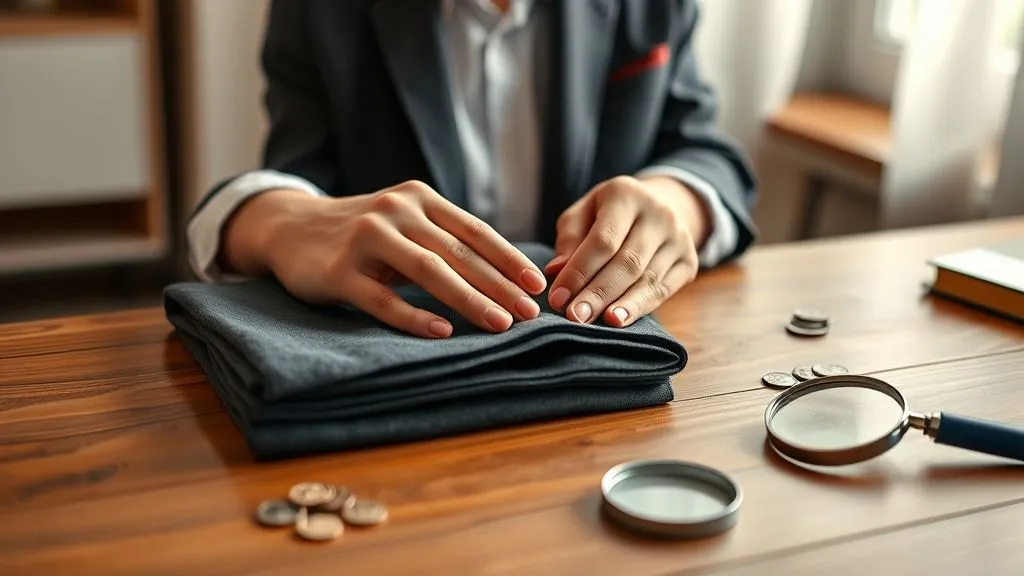
How to Reduce School Uniform Costs Without Sacrificing Quality?
For over 15 years in the kids' fashion industry, particularly within the specialized niche of school uniforms, I’ve witnessed firsthand the evolving challenges parents face. One perennial concern, year after year, revolves around the significant financial outlay required for school uniforms. It's not just about the initial purchase; it's the ongoing replacement of worn-out items, the unexpected growth spurts, and the pressure to maintain a presentable appearance that can truly strain a family budget.
Many parents feel caught between a rock and a hard place: either spend a fortune on supposedly 'premium' uniforms that still don't last, or opt for cheaper alternatives that quickly fray, fade, and need replacing, often costing more in the long run. This dilemma often leads to frustration, stress, and the feeling that there’s no way to win without compromising either their child's comfort, appearance, or the family finances.
But what if I told you there’s a smarter way? In this definitive guide, I will share my expert insights, actionable frameworks, and proven strategies that will empower you to significantly reduce school uniform costs without sacrificing an ounce of quality. We'll delve into everything from strategic sourcing to advanced maintenance, ensuring your children look smart, feel comfortable, and your wallet stays healthier.
Understanding the True Cost: Beyond the Price Tag
When we talk about reducing costs, the first instinct is often to look for the lowest price tag. However, in the world of school uniforms, this can be a deceptive path. The true cost of a uniform item isn't just what you pay at the checkout; it's its cost-per-wear. A cheaper item that lasts only three months might end up being far more expensive than a pricier one that lasts for two academic years.
The 'Cost-Per-Wear' Metric
I always advise parents to consider the 'cost-per-wear' (CPW) as their guiding principle. It's a simple calculation: Total Cost / Number of Wears. An item worn frequently, like a primary school polo shirt, needs to be incredibly durable to offer good value. A blazer, worn less often, might have a higher initial cost but a lower CPW if it lasts for multiple years and children.
Identifying high-wear items is crucial. For younger children, trousers, skirts, and polo shirts are often the first to show wear and tear due to active play and frequent washing. For older students, blazers and specific sports kit might face more stress. Investing in higher quality for these core, high-usage items often yields significant long-term savings.
Identifying High-Wear Items and Their Impact
From my experience, the items that suffer the most are typically those closest to the action:
- Trousers & Skirts: Knees, hems, and seams are battlegrounds.
- Polo Shirts & Blouses: Collars, cuffs, and underarms bear the brunt of daily wear and frequent washing.
- Jumpers & Cardigans: Elbows, cuffs, and often the front from leaning on desks or playground activities.
- Socks & Shoes: Constant friction and impact lead to rapid deterioration if quality is poor.
By focusing your budget on the durability of these specific items, you proactively address the most common points of failure, thereby extending the overall life of the uniform set. This strategic allocation of resources is a cornerstone of smart uniform management.
| Item | Cheap Option (Cost) | Cheap Option (Wears) | Cheap Option (CPW) | Quality Option (Cost) | Quality Option (Wears) | Quality Option (CPW) |
|---|---|---|---|---|---|---|
| Polo Shirt | £8 | 30 | £0.27 | £18 | 120 | £0.15 |
| Trousers | £15 | 40 | £0.38 | £35 | 150 | £0.23 |
| Blazer | £40 | 60 | £0.67 | £70 | 200 | £0.35 |
Strategic Sourcing: Where and When to Buy Smarter
The timing and location of your uniform purchases can have a dramatic impact on your budget. It's not always about finding the cheapest store, but rather the smartest shopping strategy.
Leveraging Sales and Off-Season Purchases
Just like any retail sector, uniform suppliers have sales cycles. The peak buying season (late summer, before school starts) often sees higher prices due to demand. I've found that the savvy parent often plans ahead. Purchasing core items during mid-season sales, or even right after the school year ends for the following year, can yield significant discounts. Keep an eye out for clearance racks in autumn or winter for basic items like shirts, trousers, and skirts, especially if you can estimate your child's size for the next academic year.
Exploring Uniform Exchange Programs
Many schools, parent-teacher associations (PTAs), or local community groups run uniform exchange or swap shops. These initiatives are goldmines for parents looking to reduce school uniform costs without sacrificing quality. Often, uniforms donated are in excellent condition, simply outgrown. It's a sustainable and cost-effective solution, fostering community spirit while saving money. I highly recommend inquiring with your child's school about such programs or even volunteering to help set one up if none exist.
The Power of Secondhand & Resale Markets
Beyond formal exchange programs, the secondhand market is thriving. Online platforms like eBay, local Facebook Marketplace groups, and dedicated uniform resale websites are excellent resources. Parents often sell bundles of outgrown uniforms in great condition for a fraction of the retail price. Always check the school's specific uniform policy regarding badges, logos, and approved suppliers, but for generic items like trousers, skirts, or even sports kit, these markets are invaluable.
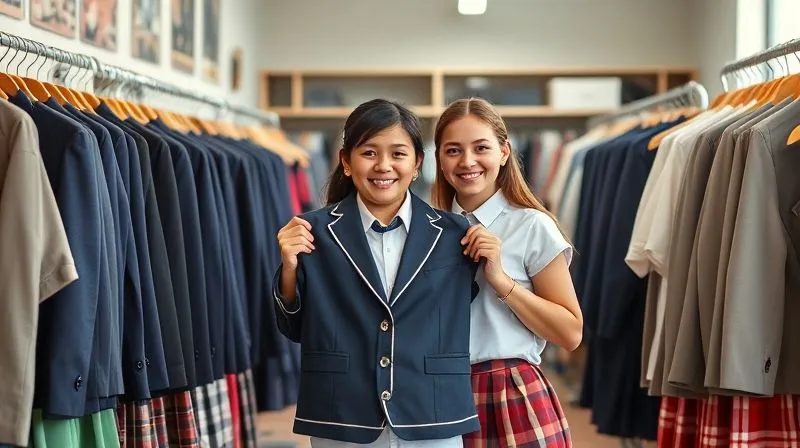
Investing in Durability: Fabric & Construction Matters
This is where my expertise in textiles truly comes into play. Not all fabrics are created equal, especially when it comes to the rigors of school life. Understanding what makes a uniform durable is key to making a quality purchase that lasts.
Key Fabric Characteristics for Longevity
When inspecting uniform items, look for:
- Polyester Blends: Often more resistant to shrinking, stretching, and fading than 100% cotton. Look for blends with cotton for comfort, but a higher polyester content (e.g., 65% polyester, 35% cotton) for durability in items like trousers and skirts.
- Reinforced Knees/Elbows: Some manufacturers, particularly for primary school trousers, incorporate extra fabric or special weaves in high-stress areas. This is a huge win for longevity.
- Wrinkle Resistance: Fabrics treated for wrinkle resistance often have a tighter weave, which also contributes to overall strength and reduces the need for frequent ironing, thus preserving the fabric.
- Colourfastness: Good quality dyes mean the uniform won't fade quickly after multiple washes, maintaining a smart appearance for longer.
Inspecting Seams and Zippers
Beyond the fabric, the construction tells a story. I always recommend a quick inspection:
- Seams: Look for double-stitched seams, especially in areas like crotches, side seams of trousers, and armholes. Single-stitched seams are more prone to tearing. Give seams a gentle tug to test their strength.
- Zippers: Opt for metal zippers over plastic if possible, as they are generally more robust. Ensure the zipper glides smoothly without catching. YKK zippers, for instance, are widely recognized for their quality.
- Buttons & Buttonholes: Buttons should be securely sewn with strong thread. Buttonholes should be neatly finished, without loose threads that could unravel.
"As the textile industry veteran, Dr. Helen Stone, often emphasizes, 'The true quality of a garment is often hidden in its construction. A few extra stitches can mean months, if not years, of extended life, translating directly into tangible savings for the consumer.'"
By paying attention to these details, you're not just buying a uniform; you're investing in a durable piece of clothing designed to withstand the daily adventures of school life, helping to reduce school uniform costs without sacrificing quality.
Smart Care & Maintenance: Extending Uniform Lifespan
Even the most durable uniform will succumb to improper care. A significant portion of uniform longevity comes down to how we wash, dry, and store these garments. This is an area where proactive effort truly pays dividends.
Washing Wisely: Temperature and Detergents
This might seem basic, but I've seen countless uniforms prematurely aged by incorrect washing. Always follow the care label instructions meticulously. Generally:
- Cold Water Wash: For most uniforms, especially coloured items, cold water is sufficient for cleaning and helps prevent fading and shrinking.
- Gentle Cycle: Reduces wear and tear on fabrics and seams.
- Appropriate Detergent: Use the recommended amount. Overdosing doesn't make clothes cleaner; it can leave residue and even damage fibres over time. Consider eco-friendly detergents that are gentler on fabrics.
- Avoid Overloading: Give clothes space to move in the machine for a proper clean and less friction.
- Separate by Colour: Prevents colour bleeding, keeping uniforms looking crisp and new.
Repair and Reinforce: Simple Fixes, Big Savings
Don't wait for a small tear to become a gaping hole. My mantra is: mend immediately!
- Stitch Up Loose Seams: A few minutes with a needle and thread can prevent a seam from completely unravelling.
- Patch Knees/Elbows: Iron-on patches (or sewn-on for extra durability) are perfect for reinforcing high-wear areas before a hole even appears, or to cover a small one. Match the fabric colour as closely as possible.
- Replace Missing Buttons: A missing button can render an item unwearable. Keep a stash of spare buttons, or salvage them from old garments.
- Hem Adjustments: As children grow, hems can be let down or re-stitched to accommodate growth, extending the life of trousers and skirts.
These small acts of maintenance are not just about saving money; they're about teaching children the value of their belongings and the principles of sustainability.
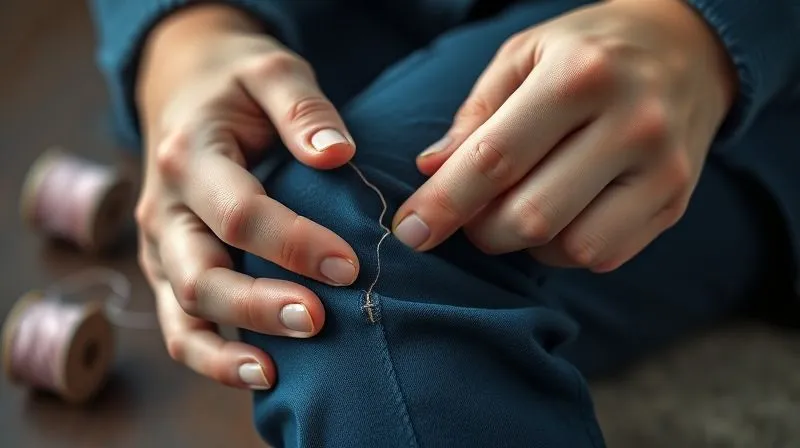
The 'Grow-Into' Strategy: Sizing Up Smartly
Children grow at an astonishing rate, making uniform purchases a constant challenge. However, with a strategic approach to sizing, you can plan for growth and extend the wearability of uniform items significantly.
Anticipating Growth Spurts
I’ve often advised parents to buy uniform items a size up, especially for trousers, skirts, and blazers. While it might look a little large initially, children quickly grow into them. For trousers and skirts, ensuring there’s enough length to be let down at the hem is a key consideration. For blazers, slightly longer sleeves can often be rolled up discreetly for a term or two.
However, there's a fine line. Buying too large can look sloppy and be uncomfortable, potentially affecting a child's confidence. The trick is to find that sweet spot – just one size up, allowing for future growth without compromising present fit too much. For items like shirts and polos, which need a good fit around the collar and shoulders, it's often better to buy closer to the current size and replace them as needed.
Alterations vs. Replacements
This ties directly into the 'grow-into' strategy. Simple alterations can save a fortune. Hems can be adjusted, waistbands can be taken in or let out, and even sleeves can be lengthened or shortened by a skilled seamstress (or a DIY parent). The cost of an alteration is almost always significantly less than buying a brand new garment. This is particularly true for expensive items like blazers or unique school-specific skirts.
Case Study: The Thompson Family's Uniform Budget Win
Case Study: How the Thompson Family Slashed Uniform Costs
The Thompson family, with three primary school-aged children, used to dread the back-to-school uniform shop, routinely spending upwards of £500 each summer. After attending one of my workshops, they adopted a multi-pronged approach to reduce school uniform costs without sacrificing quality. They started attending their school's annual uniform swap, where they acquired nearly all their children's blazers and jumpers for free or a nominal donation. For trousers and skirts, they began buying a size up during winter sales, choosing brands known for reinforced knees and adjustable waistbands. They also committed to immediately mending any minor tears or loose buttons. By implementing these strategies, their uniform expenditure for the following academic year dropped by over 60%, to just under £200. Their children still looked smart, and the uniforms lasted longer than ever before, proving that strategic planning and care can yield substantial financial benefits.
DIY Customization & Personalization (Where Allowed)
While many school uniforms have strict guidelines, there are often subtle ways to personalize or extend the life of items, especially if they are generic or only require a logo. This can be a smart way to reduce school uniform costs without sacrificing quality by avoiding expensive branded items where possible.
Adding Personal Touches Economically
Some schools allow plain items (e.g., polo shirts, jumpers) to be purchased from any retailer, with the school logo added separately. If this is the case, you can often source high-quality plain garments from supermarkets or department stores at a fraction of the cost of official school suppliers. Then, if the school provides iron-on badges or offers an embroidery service for a small fee, you can significantly cut down on expenses. Always check the school's precise uniform policy first to ensure compliance.
Embroidery vs. Iron-Ons: Cost & Durability
- Iron-On Badges: These are usually the cheapest option for adding a logo. They're quick and easy to apply at home. However, their durability can vary. Ensure the garment is clean and dry, use sufficient heat, and consider adding a few hand stitches around the edges for extra security, especially for high-wear items.
- Sewn-On Badges: If the school provides patches, sewing them on is far more durable than ironing. It takes a little more time but ensures the logo stays put through countless washes and playground adventures.
- Embroidery: While more expensive upfront, professional embroidery is the most durable option. If you're buying a plain, high-quality garment that you intend to use for several years or pass down, the investment in embroidery might be worthwhile for its longevity and professional finish.
Advocacy and Community Initiatives
Sometimes, the solution isn't just about individual action, but collective effort. Engaging with your school community can lead to systemic changes that benefit all parents struggling with uniform costs. This is where the power of collective action can truly shine.
Engaging with School Administration
If you feel uniform costs are excessively high or policies are too restrictive, consider politely raising your concerns with the school administration or the parent-teacher association (PTA). Many schools are receptive to feedback, especially if it's presented constructively and backed by evidence (e.g., comparing costs with other local schools, or national guidelines). Suggesting alternatives like approved generic items, a wider range of approved suppliers, or facilitating a school-run uniform bank can make a real difference. According to a UK government guidance on school uniform costs, schools are expected to keep costs down and ensure value for money, which can be a strong point for discussion.
Starting a Uniform Swap Network
If your school doesn't have an official uniform exchange, why not start one? It could be as simple as a WhatsApp group for parents to offer outgrown items, or a more organized event once or twice a year. I've seen these initiatives flourish, creating a powerful community resource that helps families significantly reduce school uniform costs without sacrificing quality. It's a fantastic way to foster sustainability and mutual support within the school community.
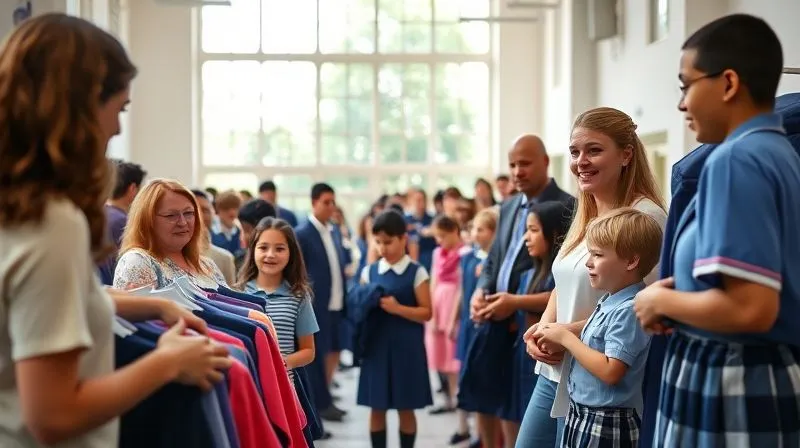
Budgeting and Planning: A Proactive Approach
Ultimately, all these strategies feed into a larger, more organized approach: proactive budgeting and planning. Treating uniform purchases as a year-round financial plan rather than a last-minute scramble can drastically reduce stress and expenditure.
Creating a Uniform Budget Spreadsheet
I strongly advocate for creating a simple spreadsheet to track your uniform needs and expenses. This allows you to visualize where your money is going and identify areas for potential savings. Include columns for:
- Item: (e.g., Blazer, Trousers, Polo Shirt)
- Quantity Needed: (e.g., 1 blazer, 3 trousers, 5 polo shirts)
- Estimated Cost per Item: (Based on research or previous purchases)
- Actual Cost per Item: (Once purchased)
- Source: (e.g., School shop, Supermarket, Secondhand)
- Notes: (e.g., 'Bought 1 size up', 'Needs mending')
This spreadsheet becomes your roadmap, helping you stick to your goal to reduce school uniform costs without sacrificing quality.
Tracking Expenses and Savings
Beyond the initial budget, continuously track your spending throughout the year. Every time you mend an item instead of replacing it, or find a quality item secondhand, make a note of the savings. This not only reinforces positive habits but also provides tangible proof of your success, motivating you to continue these smart strategies. According to a report by The Children's Society, families spend hundreds of pounds annually on uniforms, highlighting the significant potential for savings through careful management.
| Item | Quantity | Estimated Cost | Actual Cost | Savings | Notes |
|---|---|---|---|---|---|
| Blazer | 1 | £60 | £25 (secondhand) | £35 | Excellent condition, 1 size up |
| Trousers | 3 | £75 | £60 (sale) | £15 | Reinforced knees, adjustable waist |
| Polo Shirts | 5 | £40 | £30 (supermarket) | £10 | Good quality cotton blend |
| Jumper | 2 | £30 | £10 (uniform swap) | £20 | As new |
This structured approach transforms uniform shopping from a dreaded chore into an empowering exercise in financial management and sustainable living.
Frequently Asked Questions (FAQ)
Question: How much money can I realistically save by following these tips? The potential savings are substantial and largely depend on your starting point and commitment. I've seen families reduce their annual uniform spend by 30-60%. For a family with multiple children, this could easily translate to hundreds of pounds per year, without compromising on the quality or appearance of the uniforms. It's about cumulative small savings adding up to a significant impact.
Question: Is it always better to buy the most expensive uniform items for durability? Not necessarily. While a higher price often correlates with better quality, it's not a foolproof rule. My advice is to focus on the 'cost-per-wear' and inspect the fabric composition and construction (as discussed in the 'Investing in Durability' section). Sometimes, a mid-range item from a reputable brand or even a well-made supermarket item can offer excellent durability for its price point. It's about smart choices, not just high prices.
Question: My child's school has a very strict uniform policy, limiting my options. What can I do? Even with strict policies, there are usually avenues for cost reduction. Focus on strategic purchasing during sales, exploring school-approved secondhand options, and meticulous care and repair. You can also engage with the school administration (as mentioned in the 'Advocacy' section) to respectfully discuss potential flexibility or support for families, citing national guidelines that encourage affordable uniforms. Every little bit helps.
Question: How do I handle growth spurts without constantly buying new uniforms? The 'Grow-Into' strategy is your best friend here. Purchase trousers, skirts, and blazers one size up, ensuring hems can be let down. For shirts and polos, which need a better fit, consider having a couple of current-size items and one slightly larger for the end of the year. Regular checks of your child's growth will help you anticipate needs and make timely, cost-effective purchases.
Question: Are uniform exchange programs truly reliable for finding good quality items? Absolutely, in my experience. Many parents are diligent about donating items that are still in excellent condition, simply because their child has outgrown them. You might need to be patient and check regularly, but the quality can often be on par with new items. It's also a fantastic way to acquire specific branded items that might otherwise be very expensive. Don't underestimate the generosity and care within a school community.
Key Takeaways and Final Thoughts
Navigating the world of school uniform expenses can feel overwhelming, but as an industry specialist, I assure you it doesn't have to be. By adopting a strategic, informed, and proactive approach, you truly can reduce school uniform costs without sacrificing quality, ensuring your children are always presentable and comfortable.
- Think Cost-Per-Wear: Prioritize durability for high-wear items over initial low price.
- Shop Smart: Leverage sales, secondhand markets, and uniform exchange programs.
- Inspect Quality: Look for robust fabrics, strong seams, and reliable fasteners.
- Care Diligently: Proper washing and timely repairs significantly extend lifespan.
- Plan for Growth: Strategically size up and utilize alterations.
- Engage & Advocate: Work with your school community for collective solutions.
- Budget Proactively: A uniform budget spreadsheet is your best tool for financial control.
Remember, every small saving, every mend, and every smart purchase contributes to a healthier family budget and a more sustainable approach to consumption. Empower yourself with these strategies, and you’ll find that managing school uniform costs becomes less of a burden and more of an achievable win. Your children will still look sharp, and you'll feel confident knowing you've made smart, quality-conscious decisions.
Recommended Reading
- 5 Steps: Quickly Choose Professional Outfits from Your Capsule Wardrobe?
- The Ultimate Guide: How to Make Basic Outfits Look Effortlessly Chic
- Stop Costume Tears: 5 Resilient Fabrics for Intense Dance Sequences
- 7 Proven Ways: Avoid Fake Engagement in Streetwear Influencer Vetting
- 7 Steps: Capitalizing on Sudden Celebrity Eyewear Viral Moments




Your email address will not be published. Required fields are marked *