


How to Reduce Fashion Inventory Overstock Using Predictive Analytics?
For over two decades in the fashion technology landscape, I've witnessed firsthand the devastating impact of inventory overstock. It's a silent killer of profitability, often masked by the glamour of new collections or the thrill of a successful season. Many brands, both emerging and established, grapple with this perpetual cycle of surplus, tying up capital, incurring storage costs, and ultimately leading to markdowns that erode hard-earned margins.
The problem isn't just about having too much product; it's a symptom of a deeper disconnect between demand and supply, often exacerbated by slow, reactive decision-making. The fashion industry, with its seasonal shifts, trend volatility, and complex supply chains, presents unique challenges that traditional inventory methods simply can't overcome. The pain points are palpable: wasted resources, environmental impact, and a constant pressure on the bottom line.
But what if there was a way to peer into the future, to anticipate consumer desires and market shifts with remarkable accuracy? In this definitive guide, I'll walk you through the transformative power of predictive analytics, demonstrating not just the 'what' but the 'how' to drastically reduce fashion inventory overstock. We'll explore actionable frameworks, real-world applications, and expert insights to arm you with the tools to build a truly responsive and profitable inventory strategy.
Understanding the Root Causes of Fashion Inventory Overstock
Before we dive into solutions, it's crucial to diagnose the underlying issues that lead to inventory excess. In my experience, these challenges often stem from a combination of traditional practices and a lack of granular insight into consumer behavior.
- Inaccurate Demand Forecasting: Relying on historical sales data alone, without accounting for external factors, seasonality, or emerging trends, is a recipe for disaster.
- Long Lead Times & Inflexible Supply Chains: The global nature of fashion production often means commitments are made months in advance, making it difficult to react to sudden market shifts.
- Fragmented Data Silos: Sales, marketing, production, and warehouse data often reside in separate systems, preventing a holistic view of inventory health.
- Over-reliance on Gut Feeling: While experience is valuable, intuition without data can lead to costly misjudgments in purchasing and allocation.
These factors collectively create a scenario where brands are constantly playing catch-up, leading to either stockouts (missed sales) or, more commonly, overstock (dead capital). The goal is to move beyond this reactive posture and embrace a proactive, data-driven approach.
The Predictive Analytics Paradigm Shift for Fashion Inventory
Predictive analytics isn't just a buzzword; it's a game-changer for how to reduce fashion inventory overstock using predictive analytics. At its core, it uses statistical algorithms, machine learning techniques, and historical data to forecast future outcomes. For fashion, this means moving beyond simple averages and understanding the complex interplay of various factors that drive demand.
“The future of fashion inventory management isn't about guessing; it's about intelligent anticipation. Predictive analytics transforms uncertainty into actionable foresight.”
Imagine being able to predict not just *how many* units of a specific dress will sell, but *when*, *where*, and *to whom*. This level of granularity empowers brands to optimize production, allocate stock more efficiently, and execute targeted marketing campaigns. It shifts the focus from managing existing stock to proactively shaping future stock levels based on anticipated demand.
Key Data Points for Robust Predictive Models
To build effective predictive models for inventory, you need to feed them rich, diverse data. I've found that the more comprehensive your data inputs, the more accurate your forecasts will be. Here are the essential categories:
- Historical Sales Data:
- SKU-level sales volumes (daily, weekly, monthly).
- Sales trends over multiple seasons and years.
- Promotional sales performance.
- Product Attributes:
- Color, size, material, style, collection.
- Price points and pricing history.
- Customer Data:
- Demographics, purchase history, browsing behavior.
- Geographic location (for localized demand).
- External Factors:
- Economic indicators (GDP, consumer confidence).
- Social media trends, influencer mentions.
- Weather patterns (crucial for seasonal items).
- Competitor activities and market share.
- Global events (e.g., pandemics, supply chain disruptions).
- Marketing & Promotional Data:
- Campaign start/end dates, spend, channel.
- Website traffic, conversion rates for specific products.
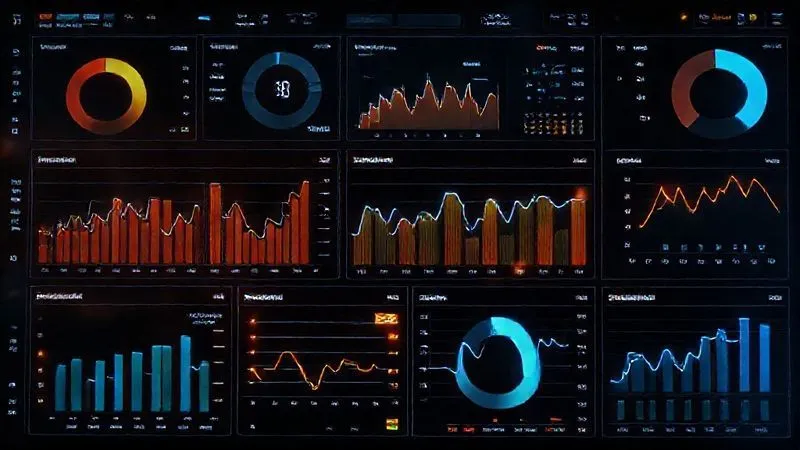
Consolidating these data sources into a unified platform is often the first, most challenging, but ultimately most rewarding step. As a Harvard Business Review article highlighted, successful data integration is foundational for truly data-driven retail.
Implementing Predictive Analytics: A Step-by-Step Framework
Adopting predictive analytics to reduce fashion inventory overstock isn't an overnight process. It requires strategic planning and a phased approach. Here's a framework I've guided many organizations through:
Phase 1: Data Foundation & Infrastructure
- Audit Existing Data Sources: Identify all relevant data points across your organization (POS, ERP, CRM, e-commerce, marketing platforms).
- Data Cleaning & Normalization: Ensure data quality, consistency, and format across all sources. This is critical for model accuracy.
- Establish a Centralized Data Lake/Warehouse: Create a single source of truth where all your data can be stored, accessed, and prepared for analysis. Cloud-based solutions like AWS, Azure, or Google Cloud are excellent for scalability.
- Define Key Performance Indicators (KPIs): What success metrics will you track? (e.g., inventory turnover, sell-through rate, stockout rate, capital tied in inventory).
Phase 2: Model Development & Training
- Select Appropriate Algorithms: Depending on your data and goals, you might use time-series models (ARIMA, Prophet), machine learning algorithms (Random Forest, Gradient Boosting, Neural Networks), or a combination.
- Feature Engineering: Transform raw data into features that improve model performance (e.g., creating 'days since last promotion' or 'seasonal index').
- Model Training & Validation: Train your models on historical data and rigorously test their accuracy using techniques like cross-validation.
- Integrate External Data Feeds: Set up automated feeds for economic data, social media trends, and weather forecasts to enrich your predictions.
Phase 3: Deployment & Iteration
- Integrate Forecasts into Planning Systems: Connect your predictive models to your inventory management, ERP, and production planning systems.
- Develop Dashboards & Alerts: Create user-friendly dashboards for merchandisers and planners, highlighting key forecasts and alerting them to potential overstock or stockout risks.
- Continuous Monitoring & Retraining: Predictive models are not 'set it and forget it.' Continuously monitor their performance, gather new data, and retrain models to adapt to changing market dynamics.
- Feedback Loop: Establish a feedback mechanism where human insights from planners and sales teams can refine model outputs and improve future iterations.
Case Study: Aura Apparel's Inventory Transformation
Case Study: How Aura Apparel Reduced Overstock by 25%
Aura Apparel, a mid-sized sustainable fashion brand, struggled with inconsistent demand forecasting, leading to an average of 30% of their seasonal inventory becoming dead stock. Their traditional methods relied heavily on spreadsheets and historical averages, failing to account for their rapidly changing consumer base and the impact of influencer marketing.
By implementing a predictive analytics solution, Aura Apparel began integrating data from their e-commerce platform, social media listening tools, and local weather APIs. They developed a machine learning model that not only predicted demand for new collections but also identified specific colorways and sizes that were likely to underperform in certain regions.
Within 18 months, Aura Apparel saw a remarkable 25% reduction in their inventory overstock. This translated into a 15% increase in gross margins due to fewer markdowns and a significant reduction in warehousing costs. Moreover, their ability to pinpoint high-demand items allowed them to optimize production runs, reducing waste and strengthening their sustainable brand image. This demonstrates the tangible benefits of using predictive analytics to reduce fashion inventory overstock.
Advanced Predictive Techniques and Considerations
As you mature in your predictive analytics journey, several advanced techniques can further refine your inventory strategy:
A. Micro-forecasting and Granular Segmentation
Don't just forecast at the product level. Dive deeper. Predictive analytics allows for forecasting at the SKU (Stock Keeping Unit) level, by store location, by customer segment, and even by specific promotional periods. This level of detail is crucial for precise allocation and replenishment.
- Size/Color Optimization: Predict optimal size runs and color assortments based on regional preferences and past purchase patterns.
- Store-Specific Demand: Understand unique demand drivers for each retail location, optimizing stock transfers and local promotions.
B. Incorporating Unstructured Data
Beyond traditional structured data, consider the power of unstructured data:
- Social Media Sentiment: Analyze public sentiment around trends, styles, and your brand to gauge future interest.
- Image Recognition: Use AI to analyze runway trends or competitor's best-sellers from images, identifying emerging patterns.
- Customer Reviews: Mine text reviews for insights into product preferences, fit issues, or desired features.
As Deloitte's retail trend reports frequently emphasize, leveraging diverse data sources is key to competitive advantage.
C. Scenario Planning & Simulation
Predictive models can also be used to run 'what-if' scenarios. For example:
- What if a major competitor launches a similar product next month?
- What if a key material supplier faces delays?
- How would a 20% discount impact sales velocity and remaining inventory?
This allows for proactive risk mitigation and agile decision-making, moving beyond just forecasting into strategic planning.

The Impact on Sustainability and Profitability
The benefits of effectively using predictive analytics to reduce fashion inventory overstock extend far beyond just reducing costs. It's a fundamental shift towards a more sustainable and ethical fashion industry.
Environmental Impact: Less overstock means less waste. Fewer garments end up in landfills, and fewer resources are consumed in producing unwanted items. This aligns perfectly with the growing consumer demand for sustainable practices.
Financial Health:
| Metric | Before Predictive Analytics | After Predictive Analytics |
|---|---|---|
| Inventory Turnover Ratio | 3.5x | 5.2x |
| Markdown Percentage | 28% | 12% |
| Working Capital Efficiency | Low | High |
| Warehouse Storage Costs | $1.2M/year | $750K/year |
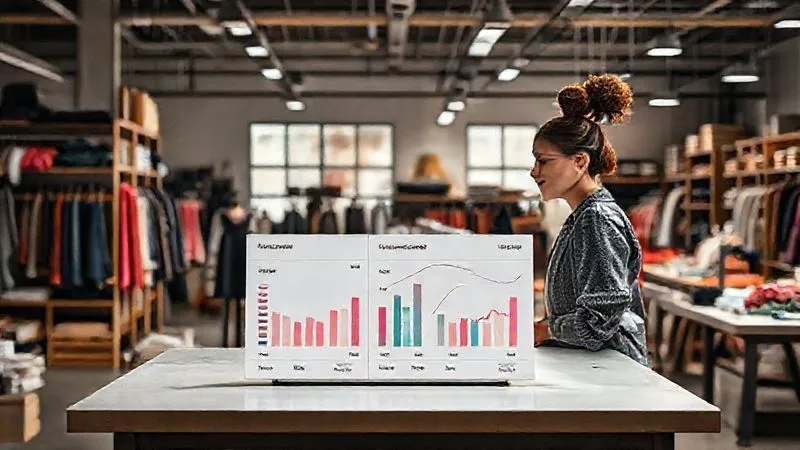
As the table illustrates, the financial improvements are substantial. Reduced markdowns mean higher profit margins, and less capital tied up in inventory frees up funds for innovation, marketing, or expansion. This direct impact on the bottom line makes the investment in predictive analytics a clear strategic advantage.
Overcoming Challenges in Implementation
While the benefits are clear, implementing predictive analytics isn't without its hurdles. I've often seen companies falter due to these common pitfalls:
- Data Quality & Availability: Poor data is the biggest killer of predictive models. Invest time and resources in cleaning and centralizing your data.
- Talent Gap: Finding data scientists and analysts with specific fashion industry knowledge can be tough. Consider upskilling existing teams or partnering with specialized consultancies.
- Resistance to Change: Traditional merchandisers might be wary of algorithms replacing their intuition. Foster a culture of data literacy and demonstrate the models as augmentation, not replacement.
- Cost of Technology: Initial investments in data infrastructure and software can be significant. Start with a pilot project to demonstrate ROI before a full-scale rollout.
Remember, this is a journey. Start small, prove value, and scale incrementally. The key is continuous learning and adaptation, much like fashion itself.
Frequently Asked Questions (FAQ)
Question: Is predictive analytics only for large fashion enterprises? Not at all. While large enterprises might have more resources for in-house data science teams, many accessible SaaS platforms now offer predictive analytics solutions tailored for smaller and mid-sized fashion businesses. The key is to start with clear objectives and leverage available tools. Even basic time-series forecasting can yield significant improvements.
Question: How long does it take to see results after implementing predictive analytics? The timeline varies, but typically, you can expect to see initial improvements in forecasting accuracy within 3-6 months. Significant reductions in overstock and improved inventory turnover often materialize within 12-18 months, as models are refined and integrated into daily operations. It's a continuous improvement process, not a one-time fix.
Question: What's the biggest mistake companies make when adopting predictive analytics for inventory? The biggest mistake I've observed is treating it purely as a technology project rather than a business transformation. Without executive buy-in, cross-functional collaboration (especially between merchandising, sales, and supply chain), and a clear understanding of the business problem, even the most sophisticated models will fail to deliver true value. Data quality issues also frequently derail efforts.
Question: Can predictive analytics completely eliminate inventory overstock? While it can drastically reduce overstock, complete elimination is an ambitious goal given the inherent uncertainties in the fashion market. Predictive analytics significantly minimizes risk and optimizes stock levels, but unforeseen events (global crises, sudden trend shifts, supply chain failures) can still occur. The goal is to achieve an optimal balance, minimizing waste while ensuring product availability.
Question: What kind of team do I need to implement and manage predictive analytics? Ideally, you'd have a core team comprising a data scientist/analyst, a business analyst (who understands fashion retail), and IT support. For smaller businesses, a strong partnership with a specialized vendor or consultant can fill these roles. Crucially, active involvement from merchandising and supply chain managers is vital for practical application and feedback.
Key Takeaways and Final Thoughts
The journey to mastering inventory in the volatile world of fashion is challenging, but predictive analytics offers a powerful compass. By embracing data-driven foresight, brands can move from reactive firefighting to proactive, strategic planning. This isn't just about efficiency; it's about building a more resilient, profitable, and sustainable future for your fashion business.
- Data is Your Foundation: Invest in clean, integrated data. It's the fuel for accurate predictions.
- Start Small, Scale Smart: Begin with a pilot, prove ROI, and then expand your predictive capabilities.
- Embrace Continuous Improvement: Predictive models are dynamic; they need constant monitoring and retraining.
- Foster a Data-Driven Culture: Empower your teams with insights and demonstrate how analytics augments their expertise.
- Beyond Profit: Recognize the environmental and ethical benefits of reduced waste.
In my decades within this industry, I've seen the power of innovation transform challenges into opportunities. Learning how to reduce fashion inventory overstock using predictive analytics isn't just a best practice; it's becoming a necessity. The brands that embrace this shift will not only thrive but also lead the way towards a more intelligent and sustainable fashion future. The time to act is now, transforming your inventory from a liability into a strategic asset.
Recommended Reading
- 7 Steps: Rebuilding Luxury Brand Trust After a Scandal
- 7 Proven Metrics: How to Prove ROI of Personalized Fashion Tech Investments?
- Unlock Loyalty: How to Build a Thriving Fashion Blog Reader Community
- 7 Key Factors: How to Choose a Versatile Men's Watch for Diverse Business Settings
- Unlock Ultimate Comfort: How Responsive Textiles Enhance Wearer Experience





Your email address will not be published. Required fields are marked *