

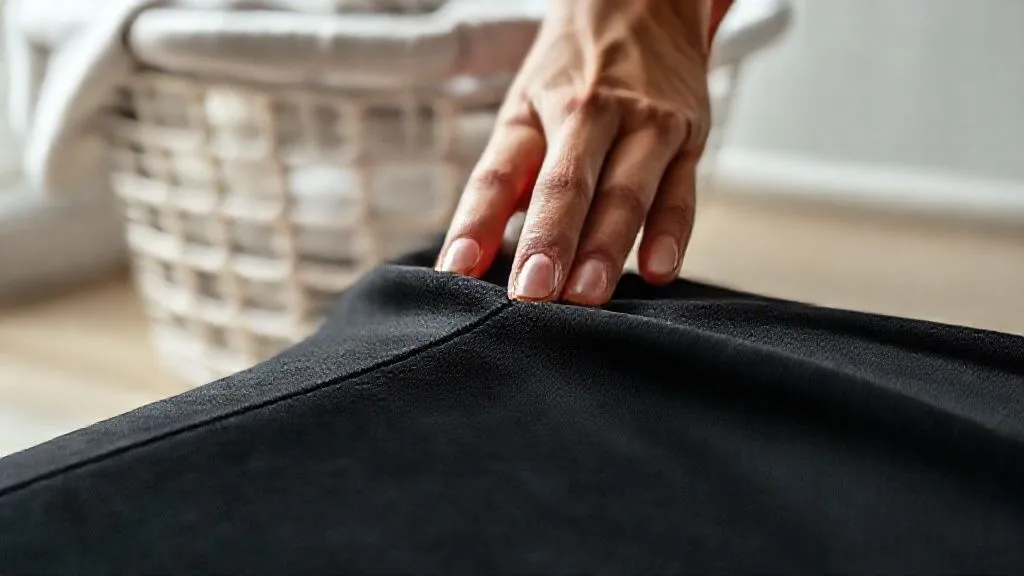
How to Prevent Seamless Activewear Fabric Pilling Post-Sale?
For over 15 years in the activewear industry, I’ve witnessed firsthand the incredible innovation in seamless technology. This fabric offers unparalleled comfort and flexibility, making it a staple for fitness enthusiasts. However, I’ve also seen the heartbreak when a cherished, high-performance garment starts to show those pesky little fabric pills.
Pilling isn't just an aesthetic issue; it compromises the fabric's integrity and diminishes the premium feel we expect from our activewear. It’s a common frustration, especially with synthetic blends like nylon and spandex, which are the backbone of seamless designs. Many assume it's a sign of poor quality, but often, it's a consequence of post-sale care practices.
In this definitive guide, I’ll share my accumulated wisdom and practical strategies on how to prevent seamless activewear fabric pilling post-sale. We'll dive deep into the 'why' and, more importantly, the 'how-to,' equipping you with actionable steps to maintain the pristine condition and longevity of your beloved seamless pieces. Consider this your expert mentor session for activewear longevity.
Unpacking the Pilling Phenomenon: Why Seamless Activewear Suffers
Before we can prevent pilling, we need to understand its mechanics. Pilling occurs when short or broken fibers on the surface of a fabric tangle together into tiny balls, or 'pills.' These pills are held onto the fabric surface by stronger, unbroken fibers. It’s a natural process that affects almost all fabrics to some degree, but seamless activewear, with its specific construction and common use of synthetic fibers, has unique vulnerabilities.
Seamless activewear is typically made from knitted synthetic yarns, primarily nylon, polyester, and spandex (elastane). These fibers are incredibly strong and durable, which is why they’re perfect for high-intensity activities. However, their strength also means that when small fibers break and form pills, they tend to cling tenaciously to the fabric surface. The friction from wear, washing, and even contact with other garments exacerbates this.
Expert Insight: "Pilling isn't always a defect; it's often a wear indicator. But with the right care, that indicator can be significantly delayed, preserving both the look and performance of your seamless activewear."
The intricate knitting patterns of seamless garments, designed for flexibility and breathability, can sometimes expose more fiber ends to friction. Understanding this inherent characteristic is the first step towards effective prevention. It's about working with the fabric, not against it.
The Pre-Wash Protocol: Crucial Steps Before Laundry Day
The journey to pilling prevention begins even before your activewear touches water. A meticulous pre-wash routine can dramatically reduce friction and stress on the fabric, which are primary drivers of pilling.
1. Turn Garments Inside Out
This is a golden rule for all activewear, but especially for seamless pieces. Turning your leggings, tops, and bras inside out protects the outer surface, which is most visible and prone to friction. The inner surface, while still susceptible, is less exposed to external abrasion during the wash cycle.
2. Zip Up and Fasten
Any zippers, hooks, or Velcro on your activewear or other items in the wash can act like tiny fabric shredders. Ensure all fasteners are closed to prevent them from snagging and damaging delicate seamless knits. Even a rogue zipper on a hoodie can cause significant pilling.
3. Utilize Mesh Laundry Bags
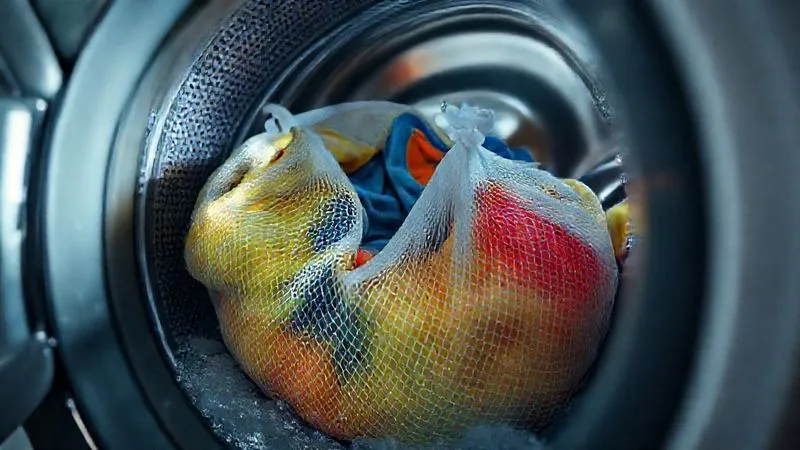
Mesh laundry bags are your seamless activewear's best friend. I cannot stress this enough. These bags create a protective barrier, isolating your activewear from the harsher friction of other garments, especially those with rougher textures like denim or towels. They prevent tangling and excessive agitation, which are major causes of fiber breakage.
Actionable Steps for Pre-Wash:
- Separate activewear from other clothing types.
- Turn all seamless pieces inside out.
- Close all zippers, snaps, and Velcro fasteners.
- Place each seamless item into its own mesh laundry bag, or group smaller items carefully.
- Pre-treat any stubborn stains gently, avoiding harsh scrubbing that can abrade fibers.
Mastering the Wash Cycle: Gentle Care for Lasting Fabric Integrity
The washing machine is often where the most damage occurs, but with the right settings and products, it can be a safe haven for your activewear. This is where precision matters.
1. Choose the Right Water Temperature
Cold water is almost always the best choice for seamless activewear. Hot water can break down synthetic fibers over time, leading to stretching, fading, and increased susceptibility to pilling. Cold water effectively cleans without putting undue stress on the fabric structure.
2. Opt for the Gentle Cycle
The 'delicate' or 'gentle' cycle on your washing machine is designed for less agitation, which is exactly what seamless activewear needs. High-speed spinning and vigorous tumbling create excessive friction, accelerating the pilling process. A slower, gentler wash preserves fiber integrity.
3. Select the Right Detergent
Avoid harsh detergents that contain strong enzymes or bleach. Instead, opt for a mild, pH-neutral detergent formulated for delicates or activewear. These detergents clean effectively without stripping the fabric's natural oils or damaging its synthetic structure. According to a study published by the Journal of Textile Science, enzyme-based detergents, while effective for natural fibers, can sometimes contribute to surface fiber degradation in certain synthetics, making them more prone to pilling. Read more on textile pilling science here.
4. Skip Fabric Softener
This might seem counterintuitive, but fabric softeners can actually be detrimental to seamless activewear. They can leave a residue on the synthetic fibers, clogging their wicking properties and attracting more lint and debris, which contributes to pilling. Softeners can also weaken the elastane (spandex) over time, reducing the garment's stretch and recovery.
| Washing Aspect | Recommendation | Reason for Pilling Prevention |
|---|---|---|
| Water Temperature | Cold Water (max 30°C) | Preserves fiber integrity, prevents breakdown of synthetics. |
| Cycle Type | Delicate/Gentle Cycle | Minimizes friction and agitation, reduces fiber stress. |
| Detergent Type | Mild, pH-Neutral Activewear Detergent | Cleans without harsh chemicals that degrade fibers. |
| Fabric Softener | AVOID | Leaves residue, clogs wicking, weakens elastane, attracts lint. |
Drying with Deliberation: Protecting Fibers from Heat and Friction
The drying process is another critical juncture where pilling can be accelerated. High heat and tumbling action are major culprits. Air-drying is almost always the superior choice for seamless activewear.
1. Embrace Air Drying
Whenever possible, air-dry your seamless garments. Lay them flat on a clean, dry surface or hang them on a padded hanger. This method eliminates the friction of a dryer drum and the damaging effects of high heat. It preserves the fabric's elasticity, shape, and surface texture.
2. If Using a Dryer, Go Low and Slow
If air-drying isn't feasible, use the lowest heat setting possible on your dryer, or ideally, a 'no heat' or 'air fluff' setting. Remove garments while they are still slightly damp to minimize exposure to heat and static cling. Adding dryer balls can help reduce drying time and soften clothes naturally without fabric softener, but be mindful of the friction they might create with very delicate seamless items.
Case Study: How 'ZenFlow Active' Extended Product Life
ZenFlow Active, a boutique seamless activewear brand, faced customer complaints about premature pilling. After analyzing return reasons, they discovered a common thread: customers were tumble-drying their garments on high heat. ZenFlow launched an educational campaign, emphasizing cold wash and air-dry instructions. They even included branded mesh bags and care guides with every purchase. Within six months, customer satisfaction scores related to garment longevity increased by 25%, and pilling-related returns dropped by 18%, demonstrating the profound impact of proper post-sale care education.
Remember, heat is the enemy of synthetic fibers. It can cause them to shrink, lose elasticity, and become more brittle, making them more prone to breaking and forming pills. Patience in drying pays off in garment longevity.
Strategic Storage & Wear: Extending Garment Life Beyond the Laundry Room
Even when your seamless activewear is clean and dry, how you store and wear it can influence its susceptibility to pilling. These often-overlooked aspects are crucial for long-term preservation.
1. Store Properly
Avoid cramming your seamless activewear into tight drawers or hanging it on rough hangers. This can create unnecessary friction and pressure points, leading to localized pilling. Fold your garments neatly and store them in drawers or on smooth, padded hangers. Ensure they are completely dry before storing to prevent mildew growth.
2. Be Mindful of Friction During Wear
Pilling isn't solely a laundry issue; friction during wear also plays a significant role. Be aware of rough surfaces you frequently come into contact with, such as abrasive gym benches, textured car seats, or even rough backpack straps. These can abrade the fabric surface, causing fibers to break and pill. While you can't avoid all friction, being mindful can help. For instance, placing a towel on a rough gym bench can offer protection.
3. Rotate Your Activewear
Just like with shoes, rotating your activewear allows garments to rest and recover. Constantly wearing and washing the same few pieces puts them through more stress, accelerating wear and tear, including pilling. Having a diverse collection means each item gets less frequent use, extending its lifespan.
Rejuvenating Your Gear: Safe Methods for Pilling Removal
Despite your best efforts, some pilling might still occur, especially on high-friction areas. The good news is that you can safely remove these pills and restore your garment's smooth appearance. This is a maintenance step, not a complete prevention, but it's vital for extending the garment's wearable life.
1. Use a Fabric Shaver
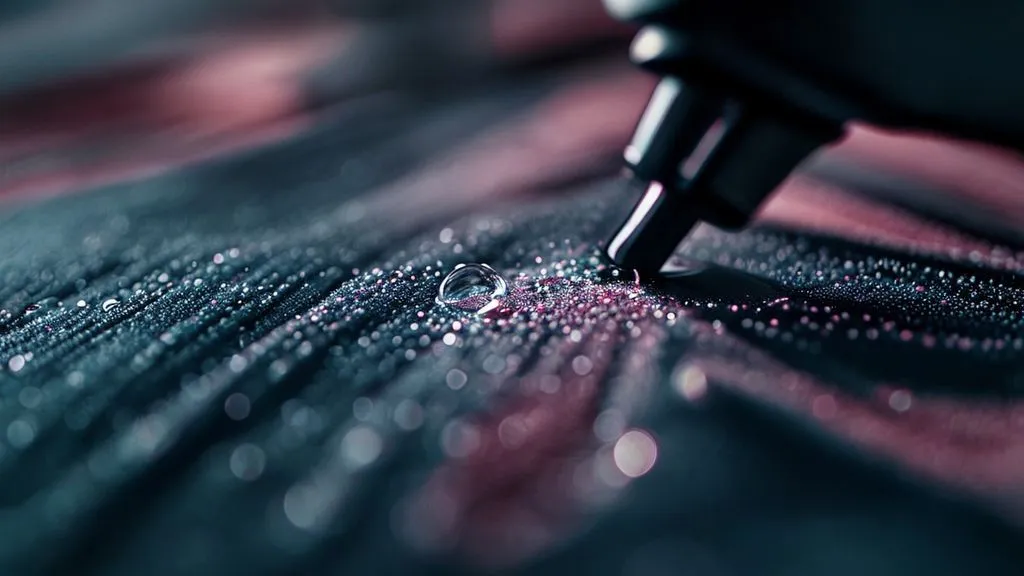
A good quality electric fabric shaver is an indispensable tool for activewear care. These devices gently lift and cut off pills without damaging the underlying fabric. Lay your garment flat and taut, and move the shaver in small, circular motions. Always test on an inconspicuous area first.
2. Try a Lint Roller or Tape
For very minor pilling or lint that's starting to clump, a strong lint roller or even regular packing tape can be surprisingly effective. Press the sticky side firmly onto the pilled area and quickly pull it off. This method is gentler but less effective for deeply embedded or numerous pills.
3. The Sweater Comb or Pumice Stone (Use with Caution!)
Sweater combs and pumice stones are designed to gently scrape pills off. While effective for natural fibers like wool, they can be too abrasive for delicate seamless activewear. If you choose to use one, proceed with extreme caution and only on a very small, hidden area first. I generally advise against these for seamless synthetics due to the risk of snagging or damaging the knit.
Beyond the Basics: Advanced Habits for Activewear Longevity
To truly master the art of activewear preservation, we need to look at habits that go beyond the immediate wash and wear cycles. These are practices that reflect a deeper understanding of fabric care.
1. Spot Clean When Possible
For minor spills or dirt, consider spot cleaning instead of a full wash. This reduces the overall wash cycles your garment undergoes, thereby minimizing friction and wear. Use a mild soap and a damp cloth, gently dabbing the affected area.
2. Address Snags Immediately
Seamless knits, while durable, can still snag. If you notice a loose thread or a small snag, address it immediately. Gently try to pull the thread back into the fabric from the inside, or carefully snip it with sharp scissors if it's truly loose. Ignoring snags can lead to larger runs or areas prone to pilling.
3. Consider Hand Washing for Ultra-Delicates
For your most cherished or delicate seamless pieces, hand washing is the ultimate gentle care. Fill a basin with cold water and a mild detergent, submerge the garment, and gently agitate. Rinse thoroughly and press out excess water without twisting or wringing. This method offers the most control and minimizes friction.
Expert Insight: "Treat your seamless activewear as an investment. Just as you maintain a high-performance car, these garments require specific care to perform optimally and last. It's not just about cleaning; it's about preserving the technology woven into every fiber."
As marketing guru Seth Godin often says, "The market rewards generosity." In the context of activewear, being generous with your care regime will be rewarded with garments that look better, perform longer, and save you money in the long run. Explore more of Seth Godin's insights on value.
Understanding the impact of microplastic shedding from synthetic garments is also becoming increasingly important. While preventing pilling, you're also contributing to reducing microplastic release into our waterways. Research on microplastic pollution from textiles highlights this connection.
Frequently Asked Questions (FAQ)
Question: Is pilling a sign of poor quality in seamless activewear? Not necessarily. While extremely cheap fabrics might pill faster due to shorter, weaker fibers, pilling can occur on even high-quality seamless activewear due to friction from wear and improper care. The strength of synthetic fibers means pills tend to cling more, making them more noticeable.
Question: Can fabric softeners cause pilling in seamless activewear? Yes, absolutely. Fabric softeners can leave a waxy residue on synthetic fibers, which can attract lint and debris, making the fabric more prone to pilling. They can also degrade the elasticity of spandex over time, impacting the garment's performance and fit.
Question: How often should I wash my seamless activewear to prevent pilling? Wash your activewear after every intense workout to remove sweat and bacteria. However, for light wear or casual use, you might get away with 2-3 wears before washing. The key is to follow the gentle washing guidelines consistently, regardless of frequency, to minimize fiber stress.
Question: What's the best type of fabric shaver for seamless materials? An electric fabric shaver with adjustable height settings is generally the best. This allows you to control the blade's proximity to the fabric, minimizing the risk of damage while effectively removing pills. Always ensure the blades are sharp and clean for optimal results.
Question: Does wearing seamless activewear cause pilling more than washing? Both contribute significantly. Friction from movement, rubbing against surfaces (like gym equipment or bags), and even skin can cause pilling during wear. However, improper washing (high heat, harsh cycles, mixing with abrasive fabrics) often accelerates the process dramatically. It's a combination of both factors.
Key Takeaways and Final Thoughts
Mastering the care of your seamless activewear is not just about extending its life; it's about preserving the performance, comfort, and aesthetic that drew you to it in the first place. By adopting a proactive and mindful approach to post-sale care, you transform from a passive consumer into an active steward of your garments.
- Gentle is Gold: Always opt for cold water, gentle cycles, and mild detergents.
- Air Dry is Best: Avoid high heat and tumble drying whenever possible.
- Protect from Friction: Turn garments inside out, use mesh bags, and be mindful of rough surfaces.
- Maintain Proactively: Address pilling early with a fabric shaver, and store garments properly.
- Invest in Knowledge: Understanding fiber science empowers you to make better care decisions.
I hope these insights, drawn from years in the activewear trenches, empower you to keep your seamless gear looking and feeling brand new for years to come. Remember, every little step in meticulous care contributes to the longevity and sustainable enjoyment of your favorite activewear. Your commitment to care truly makes a difference.
Recommended Reading
- 7 Toughest Fabrics: How to Select for Kids' Extreme Playwear
- Stop Wasting Money: How to Size Clothes for Rapidly Growing Kids?
- 7 Ways to Differentiate Men's Sustainable Denim & Dominate the Market
- The Ultimate Guide: How to Authenticate Premium Exotic Leather
- Sustainable Textile Weaves: 5 Cost-Saving Strategies for Innovators

Your email address will not be published. Required fields are marked *