

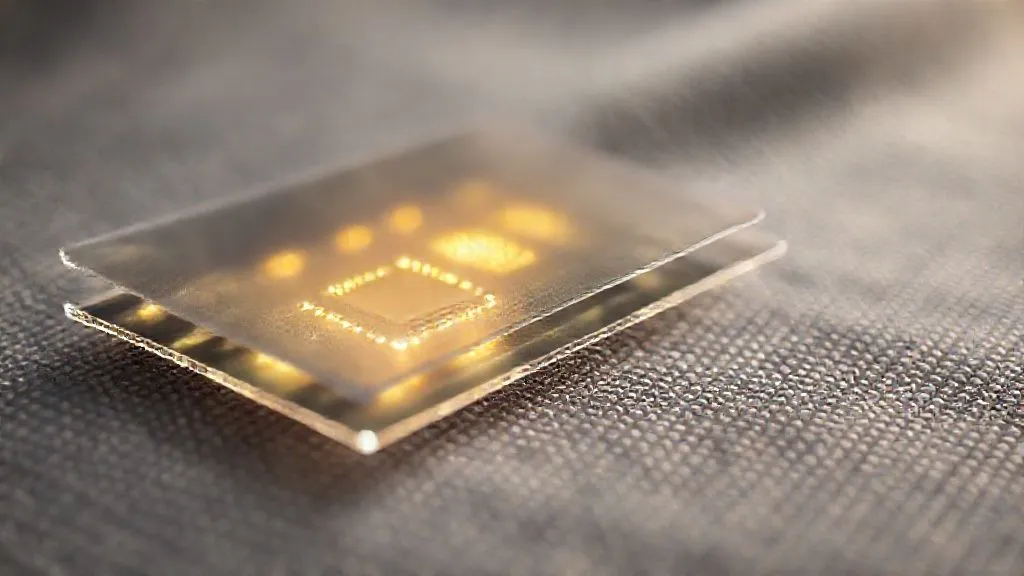
How to Prevent Delamination in Multi-Layer Smart Fabrics?
For over two decades in the dynamic world of textile innovation, I've had the privilege of witnessing the exhilarating ascent of smart fabrics – materials that seamlessly blend technology with everyday wear. However, amidst this progress, I've also observed a persistent and frustrating Achilles' heel: the dreaded delamination of multi-layer structures. This isn't just a minor cosmetic flaw; it's a fundamental failure that undermines functionality, diminishes user trust, and can quickly erode a brand's reputation.
The problem of delamination in smart fabrics is particularly insidious because it often occurs after the product has left the factory floor, during real-world use and laundering. It transforms a cutting-edge wearable device into a compromised, uncomfortable, or even useless item, leading to costly returns, negative reviews, and a significant dent in profitability for manufacturers who fail to address it proactively.
In this definitive guide, I will share my accumulated experience and insights, offering a robust framework designed to tackle this challenge head-on. We'll move beyond superficial fixes to explore the root causes, delve into meticulous material selection, precise bonding techniques, intelligent encapsulation, and rigorous testing protocols that ensure the longevity and integrity of your multi-layer smart fabrics. Prepare to gain actionable strategies that will not only prevent delamination but also elevate the overall quality and reliability of your innovative textile products.
Understanding the Enemy: Why Multi-Layer Smart Fabrics Delaminate
Before we can effectively prevent delamination, we must first understand its genesis. Delamination, at its core, is the separation of layers within a multi-component structure. In smart fabrics, this can manifest as the peeling apart of textile layers, the detachment of embedded electronic components, or the breakdown of conductive pathways.
I've seen countless instances where the failure was attributed to a single cause, only for a deeper analysis to reveal a complex interplay of factors. It's rarely just one thing; rather, it’s a confluence of material incompatibility, inadequate processing, and environmental stressors.
The Core Mechanisms of Failure
From my perspective, delamination typically stems from three primary failure mechanisms, often intertwined:
- Adhesive Failure: The bond between the adhesive and the substrate breaks. This often points to poor surface preparation, incompatible chemistries, or insufficient adhesive application.
- Cohesive Failure: The adhesive itself fails internally, meaning the adhesive layer splits. This indicates that the adhesive's internal strength was insufficient for the applied stresses, perhaps due to improper curing or formulation.
- Substrate Failure: The material layers themselves tear or break, rather than the adhesive bond. This suggests the substrate material (textile, film, or electronic component) was weaker than the adhesive bond, which can happen with delicate fabrics or poorly chosen materials.
"Delamination is a material science problem, a manufacturing process problem, and a design problem, all rolled into one. Neglecting any of these aspects is an open invitation for failure."
Common culprits include repeated washing cycles, exposure to sweat and body oils, mechanical stresses from stretching or bending, and environmental factors like extreme temperatures or humidity. The unique combination of soft textiles, rigid electronics, and flexible conductive elements presents a significant challenge for maintaining layer integrity.
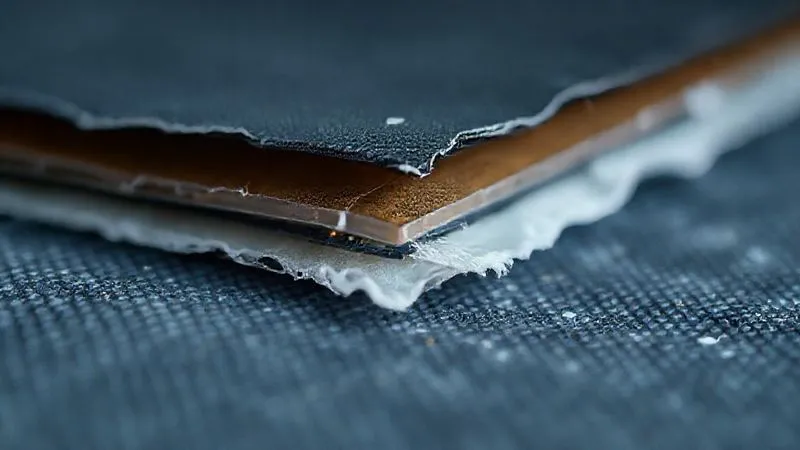
Phase 1: Meticulous Material Selection & Pre-Treatment
The foundation of a durable multi-layer smart fabric is laid long before any bonding begins. It starts with an obsessive focus on material selection and an understanding that every component, from the base textile to the conductive ink, plays a role in preventing delamination.
In my experience, cutting corners here is a false economy. The cost of material failure far outweighs the savings from choosing sub-optimal components.
Choosing the Right Substrates and Adhesives
Consider the entire system, not just individual components. The chemical and physical properties of each layer must be compatible, especially with the chosen adhesive system.
- Textile Substrates: Opt for textiles with stable dimensions, good heat resistance, and appropriate surface energy. Natural fibers (cotton, wool) behave differently than synthetics (polyester, nylon), especially concerning moisture absorption and thermal expansion.
- Adhesives: This is where true expertise shines. You need adhesives specifically formulated for textile bonding, capable of withstanding washing, stretching, and temperature fluctuations. Thermoplastic hot melts, reactive polyurethanes, and silicone-based adhesives are common choices, each with unique advantages and limitations. Consider flexibility, adhesion strength, wash durability, and breathability.
- Electronic Layers: Ensure any embedded films, circuits, or components are designed to flex and stretch with the fabric without cracking or separating.
Surface Preparation: The Unsung Hero
A pristine and optimally prepared surface is critical for strong adhesion. It’s a step often overlooked or rushed, leading directly to adhesive failure.
- Cleaning: Remove all contaminants – oils, dust, processing aids, sizing agents. This might involve solvent wiping, plasma cleaning, or specialized washing cycles.
- Roughening/Activation: For some materials, a slightly roughened surface provides mechanical interlocking. Plasma treatment or corona discharge can increase surface energy, making the material more receptive to adhesion.
- Priming: In certain cases, a primer layer can significantly improve adhesion between dissimilar materials or enhance the bond strength of challenging substrates.
- Drying: Ensure all layers are completely dry before bonding. Residual moisture can compromise adhesive curing and bond strength.
According to a study published by the Textile Institute, proper surface activation can increase peel strength by up to 50% in certain textile laminates. This isn't magic; it's fundamental material science.
| Surface Treatment | Typical Application | Impact on Adhesion |
|---|---|---|
| Mechanical Roughening | Dense fabrics, films | Increases surface area for mechanical interlocking, moderate increase in strength |
| Plasma Treatment | Synthetics, electronics | Increases surface energy, excellent for chemical bonding, significant strength increase |
| Corona Discharge | Polymer films, nonwovens | Oxidizes surface, improves wettability, good strength increase for specific materials |
| Chemical Priming | Dissimilar materials, challenging surfaces | Creates a reactive layer, excellent for strong, durable bonds |
Phase 2: Precision in Bonding Techniques
Once materials are selected and prepared, the bonding process itself is paramount. This is where theoretical understanding meets practical execution. The choice of bonding method, and the precise control over its parameters, directly dictate the long-term integrity of the smart fabric.
I've seen brilliant material combinations fail spectacularly due to a rushed or ill-suited bonding process. It's a delicate balance of heat, pressure, and time.
The Art and Science of Lamination
Various lamination techniques exist, each suited to different material combinations and performance requirements:
- Hot Press Lamination: Utilizes heat and pressure to melt and bond thermoplastic adhesives. Critical parameters include temperature, pressure, and dwell time, which must be precisely controlled to ensure full adhesive flow and wetting without damaging sensitive components.
- Reactive Adhesive Bonding: Involves adhesives that cure through a chemical reaction, often with moisture or UV light. These typically offer superior wash durability and bond strength, but require careful handling and controlled environmental conditions during application and curing.
- Ultrasonic Welding: Uses high-frequency acoustic vibrations to generate localized heat and melt thermoplastic layers together. Excellent for speed and localized bonding without external adhesives, but limited to thermoplastic materials.
- Film Adhesives & Webs: Pre-formed adhesive films or webs are placed between layers and activated by heat and pressure. They offer consistent adhesive thickness and clean application.
Controlling Process Parameters
Regardless of the chosen technique, meticulous control over process parameters is non-negotiable:
- Temperature: Must be sufficient to activate the adhesive without degrading the textile or electronics. Too low, and the bond is weak; too high, and you risk material damage or premature adhesive degradation.
- Pressure: Ensures intimate contact between layers and optimal adhesive flow. Uneven pressure can lead to voids and weak spots.
- Dwell Time: The duration for which heat and pressure are applied. Too short, and the bond doesn't fully form; too long, and materials can be damaged or over-cured.
- Cooling Rate: For thermoplastic adhesives, the cooling rate can significantly impact the final bond strength and flexibility. Controlled cooling prevents internal stresses.
As a veteran in this field, I can tell you that these parameters are not 'set and forget'. They require constant monitoring and adjustment based on batch variations and environmental conditions. ASTM International standards provide excellent guidelines for testing and validating these processes.
Phase 3: Smart Encapsulation and Protection Strategies
Even with perfect bonding, the embedded electronics and delicate conductive traces within smart fabrics remain vulnerable. Environmental factors and mechanical stresses can compromise their integrity, leading to delamination or outright failure. This is where smart encapsulation and protective strategies become critical.
I often tell my teams: "A smart fabric is only as smart as its weakest link." Encapsulation strengthens those links.
Encapsulating Electronic Components
Protecting the active electronic elements is paramount. This involves creating a robust barrier against moisture, chemicals, and mechanical abrasion.
- Resin Encapsulation: Applying a protective resin (e.g., epoxy, polyurethane, silicone) around sensitive components. This creates a hard or flexible shell that physically protects and isolates the electronics.
- Conformal Coating: A thin polymeric film applied to circuit boards or conductive traces to protect against moisture, dust, and chemical contaminants. It's often sprayed, dipped, or brushed on.
- Flexible Films: Using durable, flexible polymer films (like TPU or PTFE) to cover and seal electronic sections, often bonded with specialized adhesives or heat-sealed.
Edge Sealing and Reinforcement
Edges are notorious weak points where delamination often initiates. Proactive edge sealing can dramatically improve longevity.
- Ultrasonic Edge Sealing: For thermoplastic fabrics, ultrasonic welding can create a seamless, hermetic seal along the edges, preventing fraying and providing a strong barrier against ingress.
- Adhesive Tapes/Films: Specialized, highly flexible adhesive tapes or films can be applied along edges to reinforce the bond and create an additional protective layer.
- Stitching with Encapsulation: While traditional stitching can introduce perforations, combining it with localized resin encapsulation or strategic seam sealing can offer robust reinforcement for certain applications.
"Think of encapsulation not as an afterthought, but as an integral design element that ensures the smart fabric's resilience in the face of real-world abuse."
Case Study: How WearTech Innovations Conquered Edge Delamination
WearTech Innovations, a startup specializing in heated apparel, faced a significant challenge with delamination along the seams and edges of their multi-layer heating elements after just a few wash cycles. Their initial design relied on standard textile lamination, but the constant flexion and moisture exposure at the edges proved too much.
By implementing a two-pronged strategy, they dramatically improved product durability. First, they transitioned to a reactive polyurethane adhesive for their primary lamination, known for its superior washfastness. Second, and crucially, they integrated an ultrasonic edge-sealing step after lamination, creating a hermetic seal around the entire heating panel. This not only prevented moisture ingress but also provided a robust mechanical barrier against peeling. The result? A reduction in warranty claims by 80% and a significant boost in customer satisfaction, allowing WearTech Innovations to scale their production confidently.
Phase 4: Rigorous Testing and Quality Assurance
Without stringent testing, all the careful material selection and precise manufacturing techniques are merely educated guesses. Robust quality assurance is the final, critical step in ensuring your multi-layer smart fabrics will withstand the rigors of use and prevent delamination.
I've always advocated for a 'test to destruction' mentality. If you don't know where it breaks, you don't truly understand its strength.
Beyond Standard Textile Tests
While standard textile tests are a good starting point, smart fabrics require specialized evaluation:
- Peel Strength Testing (ASTM D903, D3330): Measures the force required to separate bonded layers. This is your primary indicator of delamination resistance. Conduct this after various environmental exposures (washing, sweating, temperature cycling).
- Shear Strength Testing: Evaluates the adhesive's ability to resist forces parallel to the bond line, crucial for components under stretching or bending.
- Flex Fatigue Testing: Simulates repeated bending and flexing, common in wearable applications. This reveals how well the layers and embedded electronics withstand dynamic stress over time.
- Environmental Aging: Expose samples to extreme temperatures, humidity, UV radiation, and chemical agents (e.g., sweat, detergents) to accelerate aging and predict long-term performance.
Accelerated Life Testing (ALT) Protocols
ALT is indispensable for predicting real-world longevity in a compressed timeframe. It involves subjecting samples to exaggerated stresses to induce failure quickly.
- Define Failure Criteria: What constitutes delamination? A 1mm peel, a complete separation?
- Identify Key Stressors: What are the primary environmental and mechanical stresses the product will face (e.g., washing, stretching, heat, cold)?
- Design Accelerated Tests: Create test conditions that amplify these stressors. For example, higher wash temperatures, increased stretch cycles, or continuous high humidity.
- Correlate with Real-World Data: Crucially, establish a correlation between the accelerated test results and actual field performance. This allows you to predict product lifespan accurately.
A leading research group at Harvard University's Wyss Institute has published extensive work on accelerated aging protocols for soft robotics and flexible electronics, principles directly applicable to smart fabrics. Their findings consistently underscore the value of multi-axial stress testing to uncover latent failure modes.
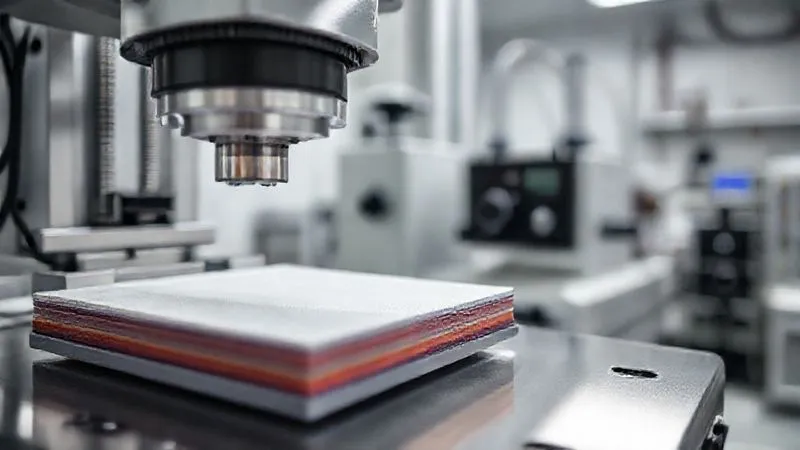
Design for Durability: Integrating Delamination Prevention from Conception
The most effective way to prevent delamination isn't to fix it after the fact, but to design it out from the very beginning. This requires a holistic approach where material scientists, textile engineers, and electronics designers collaborate intimately from the initial concept phase.
I've always preached that durability is a feature, not an afterthought. It must be baked into the DNA of your product.
Layer Design and Stress Distribution
Consider how each layer interacts and how stresses will be distributed across the entire structure. Avoid abrupt transitions in material properties or thickness that can create stress concentration points.
- Gradual Transitions: Where possible, use intermediary layers to bridge significant differences in flexibility or stiffness between components, distributing stress more evenly.
- Strategic Placement: Position rigid electronic components in areas of minimal flexion or within protective textile pockets to reduce direct mechanical stress on adhesive bonds.
- Interlocking Designs: Explore textile structures that naturally interlock or encapsulate components, providing mechanical reinforcement beyond chemical adhesion.
Material Compatibility Matrix
Develop a comprehensive compatibility matrix for all potential materials – textiles, adhesives, conductive inks, electronic films, and encapsulation resins. This matrix should evaluate not only initial bond strength but also long-term performance under various environmental and mechanical stresses.
"The best design minimizes the reliance on a single point of failure. Redundancy in bonding and protection is a smart fabric's best friend."
This proactive approach significantly reduces the likelihood of encountering delamination issues late in the development cycle, saving time, resources, and reputation. It’s about building in resilience from the ground up, ensuring that the smart fabric is not only functional but also inherently robust.
Addressing Environmental and Usage Factors
Smart fabrics operate in diverse and often challenging environments. Understanding and mitigating the impact of these external factors is crucial for preventing delamination. It's not enough to build a strong bond; that bond must survive the real world.
In my career, I've seen countless innovative products fail because they didn't account for the daily realities of human interaction and environmental exposure.
Moisture, Temperature, and UV Exposure
These are the primary environmental aggressors for most textile-based products:
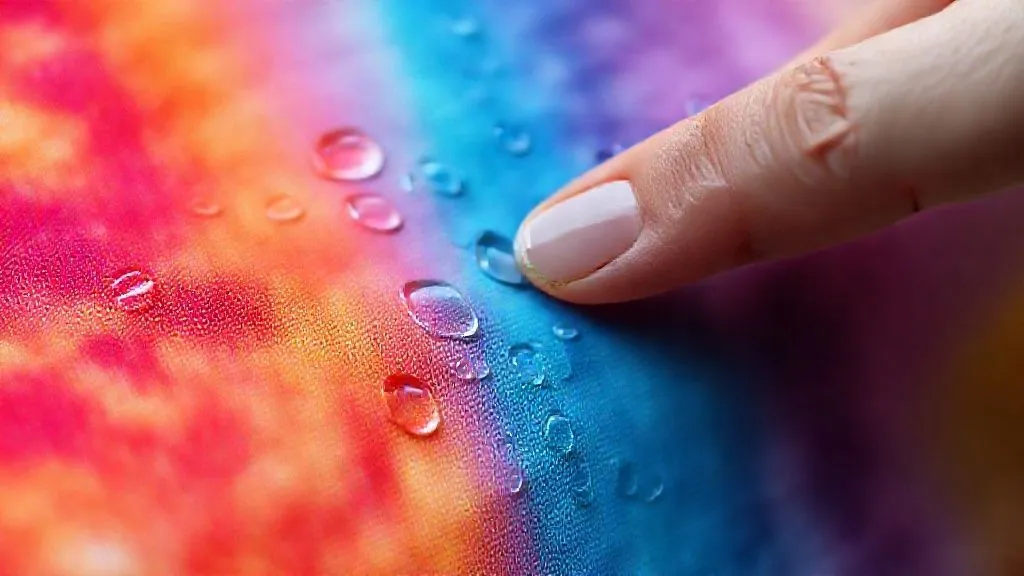
- Moisture: Water, sweat, and humidity can plasticize adhesives, leach out components, or facilitate hydrolysis, weakening bonds over time. Employ hydrophobic treatments, breathable waterproof barriers, and moisture-resistant adhesives.
- Temperature Fluctuations: Differential thermal expansion and contraction between layers can induce internal stresses, leading to fatigue and eventual delamination. Select materials with similar coefficients of thermal expansion or design in flexibility to accommodate these movements.
- UV Radiation: Prolonged exposure to sunlight can degrade polymers, including adhesives and textile fibers, making them brittle and prone to failure. Incorporate UV stabilizers in materials or use opaque outer layers for protection.
Mechanical Stress and Abrasion Resistance
The very nature of wearables means they will be stretched, bent, rubbed, and washed repeatedly.
- Flexion and Bending: Design layers and adhesive choices to accommodate the expected range of motion without inducing excessive stress at bond lines. Adhesives with high flexibility and elongation are often preferred.
- Abrasion: External abrasion can wear away protective layers or directly attack bond lines. Use abrasion-resistant outer textiles and ensure embedded components are adequately shielded.
- Laundering Cycles: This is arguably the most significant challenge. Adhesives must be resistant to detergents, hot water, and mechanical agitation. Rigorous wash testing is non-negotiable.
As Forbes often highlights in articles on wearable technology, consumer expectations for durability match, if not exceed, those for traditional garments. A smart fabric that can't survive a few wash cycles is simply not viable.
| Environmental Factor | Impact on Delamination | Prevention Strategy |
|---|---|---|
| Moisture/Humidity | Hydrolysis of adhesives, plasticization, swelling of layers, reduced bond strength | Hydrophobic materials, waterproof barriers, moisture-resistant adhesives, hermetic sealing |
| Temperature Fluctuations | Differential thermal expansion/contraction, internal stress, fatigue failure | Materials with matched CTEs, flexible adhesives, stress-relief designs |
| UV Radiation | Polymer degradation, embrittlement of adhesives/textiles, color fading | UV stabilizers, opaque outer layers, UV-resistant materials |
| Mechanical Flexion/Bending | Fatigue cracking, bond line stress concentration, layer separation | Flexible adhesives, strategic component placement, fatigue-resistant textiles |
| Chemical Exposure (Detergents, Sweat) | Chemical attack on adhesives, degradation of textile fibers, leaching of components | Chemical-resistant adhesives, protective coatings, rigorous wash testing |
The Future of Bonding: Innovations on the Horizon
The field of textile innovation is constantly evolving, and with it, the methods and materials for creating durable multi-layer smart fabrics. Looking ahead, I see exciting developments that promise to further enhance delamination prevention.
The next generation of smart fabrics won't just resist delamination; they'll adapt, self-heal, and integrate components in fundamentally new ways.
Self-Healing Polymers and Bio-Inspired Adhesives
Imagine an adhesive that can automatically repair micro-cracks before they propagate into full delamination. Self-healing polymers, inspired by biological systems, are emerging from research labs and hold immense promise for extending the lifespan of smart fabrics.
- Intrinsic Self-Healing: Materials designed to repair themselves without external intervention, often through reversible chemical bonds.
- Extrinsic Self-Healing: Involves embedded microcapsules containing healing agents that release upon damage.
Furthermore, bio-inspired adhesives, mimicking the strong, wet adhesion of mussels or geckos, could offer revolutionary bonding solutions for challenging textile surfaces, particularly in moist environments.
Additive Manufacturing for Integrated Layers
3D printing and other additive manufacturing techniques are poised to transform how multi-layer structures are created. Instead of bonding discrete layers, future smart fabrics could be 'printed' with integrated functionalities.
- Direct Printing of Conductive Traces: Eliminates the need for separate conductive films, reducing interfaces where delamination can occur.
- Multi-Material Printing: Allows for the precise deposition of different materials (textiles, polymers, electronics) in a single, continuous process, creating truly monolithic structures.
This shift towards integrated manufacturing could drastically reduce the risk of delamination by minimizing the number of distinct interfaces that rely on traditional adhesive bonds. It's a paradigm shift that promises not just better bonding, but fundamentally more robust design.
Frequently Asked Questions (FAQ)
Q: What's the biggest difference between preventing delamination in traditional textiles versus smart fabrics? A: The biggest difference lies in the material heterogeneity and functionality. Traditional textiles often involve similar fiber types and simpler lamination. Smart fabrics combine flexible textiles with rigid/semi-rigid electronics, conductive inks, and specialized adhesives, each with vastly different physical and chemical properties. This creates more interfaces prone to stress and requires a much more nuanced approach to compatibility, bonding, and protection, especially considering electrical functionality must be maintained.
Q: Can a strong adhesive alone solve the delamination problem? A: Absolutely not. While a strong, suitable adhesive is critical, it's only one piece of the puzzle. Without proper surface preparation, controlled bonding parameters, thoughtful layer design, and robust encapsulation, even the best adhesive will eventually fail. Delamination is a systemic issue, requiring a systemic solution that addresses materials, process, and design holistically.
Q: How do washing cycles specifically impact delamination, and what's the best way to test for it? A: Washing cycles introduce a triple threat: mechanical agitation (abrasion, bending, stretching), thermal stress (hot water), and chemical attack (detergents). These combined stresses can degrade adhesives, swell fibers, and induce fatigue. The best way to test is through accelerated wash testing, mimicking real-world conditions but at an amplified rate. This involves repeated cycles of washing, drying, and then evaluating peel strength, visual integrity, and electrical functionality. Don't just test once; test over many cycles to reveal long-term durability.
Q: What role does breathability play when designing for delamination prevention? A: Breathability is crucial for user comfort in wearables, but it also has implications for delamination. Highly breathable fabrics often have more open structures, which can be challenging for adhesive penetration and uniform bonding. Furthermore, encapsulation methods that create impermeable barriers for electronics can compromise breathability. The key is to find a balance: use porous, flexible adhesives where possible, and strategically design breathable zones away from critical encapsulated components. Innovations in breathable, water-resistant membranes are also vital here.
Q: Are there any non-adhesive bonding methods that can prevent delamination? A: Yes, definitely! While adhesives are prevalent, techniques like ultrasonic welding, laser welding (for specific polymers), and even advanced stitching methods (especially when combined with localized sealing) offer non-adhesive bonding solutions. Furthermore, some smart fabrics integrate components directly into the weaving or knitting process, creating inherently bonded structures without separate adhesive layers. These methods often reduce material interfaces, thereby inherently lowering the risk of delamination.
Key Takeaways and Final Thoughts
Preventing delamination in multi-layer smart fabrics is a complex, multi-faceted challenge, but it is one that is entirely surmountable with a disciplined, expert-driven approach. It demands foresight, meticulous attention to detail, and a commitment to quality at every stage of development and manufacturing.
- How to prevent delamination in multi-layer smart fabrics? It starts with a holistic design and meticulous material selection.
- Material Synergy: Prioritize material compatibility and rigorous surface preparation, ensuring every component works in harmony.
- Process Precision: Master your bonding techniques, controlling temperature, pressure, and time with unwavering accuracy.
- Robust Protection: Employ smart encapsulation and edge sealing to shield sensitive components from environmental and mechanical stresses.
- Relentless Testing: Go beyond standard tests; implement accelerated life testing to truly understand and predict product longevity.
As the smart fabric industry continues its exponential growth, the demand for reliable, durable products will only intensify. By embracing these expert strategies, you're not just preventing a product failure; you're building a reputation for excellence, fostering consumer trust, and paving the way for the next generation of truly resilient and revolutionary wearable technology. Invest in prevention, and your smart fabrics will not only perform brilliantly but endure beautifully.
Recommended Reading
- Unlock Fair Pay: 7 Steps to Calculate & Implement Apparel Living Wages
- 7 Proven Strategies for Consistent Waste Streams in Upcycled Fashion
- 7 Pro Fixes: What's Stopping Your Fashion Photography from Being Magazine-Ready?
- Mastering Hyped Drops: 7 Strategies to Secure Limited Shoe Allocation
- Ethical Gems: 5 Strategies to Retain UHNW Clients Questioning Sourcing


Your email address will not be published. Required fields are marked *