


How to Nail 'Smart Casual' When the Office Says 'Business Casual'?
For over 15 years in the menswear industry, I've witnessed a persistent sartorial dilemma that plagues countless professionals: the murky waters between 'business casual' and 'smart casual'. It's a common scenario – your office dictates business casual, but you yearn for the refined, contemporary edge of smart casual. This isn't just about looking good; it's about feeling confident, expressing your personal brand, and projecting competence without overstepping the unspoken boundaries of corporate culture.
The problem isn't a lack of style, but rather a lack of clarity and a roadmap. Many men fall into the trap of either leaning too casual, appearing underdressed, or over-dressing, which can feel stiff and out of place. The nuanced difference between these two dress codes is often lost in translation, leaving many feeling frustrated and uninspired by their daily wardrobe choices.
In this definitive guide, I'll draw upon my extensive experience to provide you with a masterclass in bridging this gap. You'll learn the precise definitions, discover actionable frameworks for building a versatile wardrobe, and gain expert insights into elevating your look with strategic layering, accessories, and a keen eye for fit. By the end, you'll possess the tools to confidently navigate any office dress code, always presenting your most polished and authentic self.
Understanding the Nuance: Business Casual vs. Smart Casual
Before we can blend these styles, we must first understand their distinct characteristics. I've found that much of the confusion stems from a lack of clear definitions, leading to misinterpretations and wardrobe missteps.
Deconstructing Business Casual
Typically, business casual is the standard for many modern offices. It's a step down from traditional business professional (suits, ties) but still aims for a polished, respectable appearance. Think of it as a relaxed version of formal office wear.
- Key Garments: Collared shirts (button-downs, polos), slacks (chinos, dress trousers), blazers or sport coats (optional but recommended), loafers or dress shoes.
- Fabrics: Often cotton, wool blends, less emphasis on texture.
- Colors: Conservative; blues, greys, whites, khakis.
- Overall Impression: Neat, tidy, professional, approachable, but can sometimes lean towards generic if not styled thoughtfully.
In my experience, many men interpret business casual as an excuse for ill-fitting trousers and a wrinkled shirt. This is where the 'casual' can overshadow the 'business,' creating a look that lacks authority.
The Essence of Smart Casual
Smart casual, on the other hand, is where personal style truly shines. It’s more fashion-forward, intentional, and often involves a greater degree of individual expression. It maintains professionalism but introduces elements of contemporary style and comfort.
- Key Garments: Tailored blazers, refined knitwear (merino wool, cashmere), crisp button-downs, dark wash or tailored jeans (if appropriate for the environment), premium chinos, stylish loafers, derbies, or even minimalist leather sneakers.
- Fabrics: Higher quality, more texture; linen, fine cotton, wool, cashmere, suede.
- Colors: Broader palette, including richer tones, subtle patterns, and more considered contrasts.
- Overall Impression: Polished, modern, confident, sophisticated, effortless, and often more memorable.
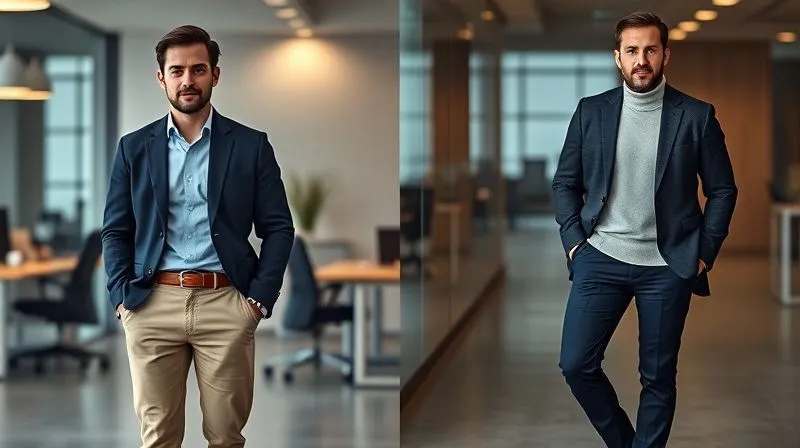
The core difference? Business casual often feels like a uniform; smart casual feels like a choice. The challenge is to bring the intentionality and flair of smart casual into a business casual setting without appearing unprofessional.
The Foundation: Building Your Versatile Wardrobe
To successfully merge these two styles, you need a wardrobe built on versatility. These aren't just clothes; they're investments in your personal brand. I always advise clients to focus on quality over quantity, as well-made pieces will elevate any ensemble.
The Non-Negotiable Blazer
A well-fitting blazer is your ultimate weapon. It instantly elevates any outfit, transforming casual pieces into something more refined. For a business casual environment that leans smart casual, opt for blazers in versatile fabrics and colors.
- Navy or Charcoal Wool Blazer: These are your workhorses. They pair with almost anything and project authority. Look for subtle textures like hopsack or a fine weave.
- Linen or Cotton Blazer: Ideal for warmer months or a slightly more relaxed smart casual vibe. Think light grey, tan, or even a subtle checked pattern.
- Unstructured Blazers: These offer a softer shoulder and a more relaxed silhouette, perfect for blending comfort with polish. They're less formal than a structured suit jacket but still sharp.
Always ensure the fit is impeccable, especially across the shoulders and in the sleeve length. A blazer that fits perfectly makes even a simple t-shirt look intentional.
Shirts That Speak Volumes
Your choice of shirt can drastically alter the formality of your outfit. Move beyond basic broadcloth and explore options that add texture and character.
- Oxford Cloth Button-Down (OCBD): A classic for a reason. Its textured weave and button-down collar strike the perfect balance between casual and smart. Opt for crisp white, light blue, or subtle stripes.
- Chambray or Denim Shirts: When done right, these can be incredibly smart casual. Choose lighter washes, fine weaves, and ensure they're always pressed. Avoid anything too distressed or heavy-duty.
- Fine Gauge Knit Polos: A significant upgrade from your standard pique polo. Look for merino wool, silk blends, or mercerized cotton for a luxurious feel and drape. These are excellent under a blazer.
- Dress Shirts: While traditional, choose lighter fabrics and subtle patterns. A crisp white or light blue dress shirt always works, but consider subtle checks or stripes for added interest.
Trousers and Chinos: Beyond Denim
This is where many men falter, often defaulting to shapeless khakis. Elevating your bottom half is crucial for a smart casual aesthetic.
- Dark Wash, Slim-Fit Jeans: If your office culture permits, a pair of dark, un-distressed, well-fitting jeans can be incredibly smart. Pair them with a blazer and dress shoes.
- Tailored Chinos: Move beyond the baggy, wide-leg versions. Look for slim or straight-fit chinos in colors like navy, olive, charcoal, or stone. The fabric should have a slight sheen, indicating quality.
- Wool Trousers: Not just for suits. Separates in flannel, fresco wool, or even a lightweight worsted wool in grey or navy add instant sophistication and drape beautifully.
- Corduroy Trousers: A great option for adding texture and warmth in cooler months. Opt for fine-wale corduroy in rich, earthy tones like brown, forest green, or burgundy.
| Garment Type | Business Casual Staple | Smart Casual Upgrade | Versatility Score |
|---|---|---|---|
| Blazer | Navy/Grey Wool Blazer | Unstructured Hopsack Blazer (Navy, Charcoal, Olive) | 5/5 |
| Shirt | Oxford Button-Down, Polo | Fine Gauge Knit Polo, Chambray Shirt, Patterned Dress Shirt | 4/5 |
| Trousers | Khaki Chinos, Dress Slacks | Dark Wash Slim Jeans, Tailored Wool Trousers, Premium Chinos | 5/5 |
| Footwear | Loafers, Derbies | Suede Loafers, Minimalist Leather Sneakers, Chelsea Boots | 4/5 |
| Knitwear | V-neck Sweater | Merino Wool Crewneck, Cashmere Cardigan, Turtleneck | 3/5 |
Mastering the Art of Layering and Texture
Layering isn't just for warmth; it's a powerful tool for adding depth, visual interest, and sophistication to your outfits. It's a hallmark of smart casual style, allowing you to play with different textures and colors.
Elevating with Knitwear
A good piece of knitwear can transform an ordinary shirt and trousers into a distinguished ensemble. Forget bulky, shapeless sweaters; think fine-gauge, luxurious fabrics.
- Merino Wool or Cashmere Crewneck/V-neck: Worn over a collared shirt or even a quality t-shirt, these provide warmth and an unparalleled softness. Stick to classic colors like navy, grey, black, or camel.
- Cardigans: A fine-gauge cardigan can serve as a soft alternative to a blazer, especially in a more relaxed office setting. Button it up or wear it open over a shirt.
- Roll-neck/Turtleneck Sweaters: For a truly sophisticated, European smart casual look, a well-fitting merino or cashmere turtleneck under a blazer is a game-changer. It exudes confidence and taste.
The key here is the quality of the knit and the fit. It should drape well, not cling too tightly, and certainly not be baggy.
The Power of Outerwear
Your choice of coat or jacket can significantly impact your overall impression. Don't let a sloppy coat undermine an otherwise well-constructed outfit.
- Trench Coat: A timeless classic that adds instant polish and sophistication. Perfect for transitional weather and formal enough for any business casual setting.
- Mac Coat: A simpler, cleaner alternative to the trench, offering similar elegance without the belts and epaulets.
- Field Jacket (Refined Version): A modern take on a military classic, choose one in a dark, structured cotton or technical fabric. It offers a rugged yet refined edge for a more adventurous smart casual look.
- Leather Jacket (Minimalist): A dark, unadorned leather jacket (e.g., a simple bomber or cafe racer style) can be incredibly stylish when paired with smart trousers and a collared shirt. This is a bolder smart casual statement.
The Devil's in the Details: Accessories That Transform
This is where the true difference between 'dressed' and 'well-dressed' lies. Accessories are not afterthoughts; they are critical components that tie an outfit together and reflect your attention to detail. As I often tell my clients, it's the subtle touches that elevate.
Footwear: Your Style Anchor
Your shoes are arguably the most important element of your outfit. A fantastic outfit can be completely ruined by poor footwear. For a smart casual approach, expand beyond the basic black dress shoe.
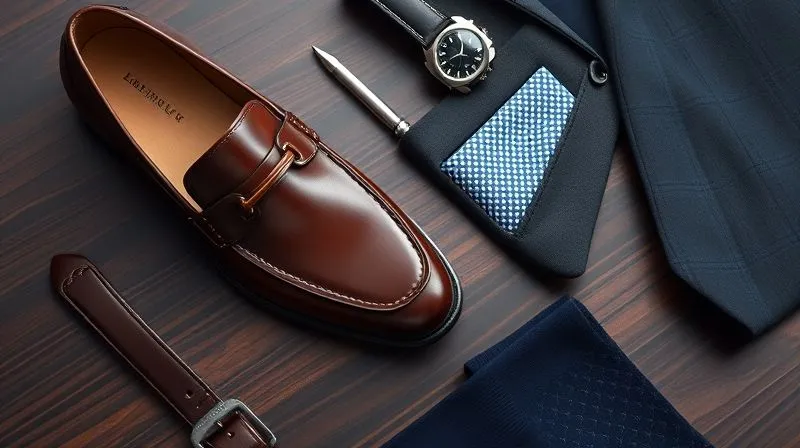
- Loafers (Leather or Suede): Penny loafers, bit loafers, or tassel loafers are versatile and comfortable. Suede options add texture and a relaxed elegance.
- Derbies or Brogues: Classic and reliable, but consider richer leather tones (like oxblood or dark brown) or suede for a smart casual twist.
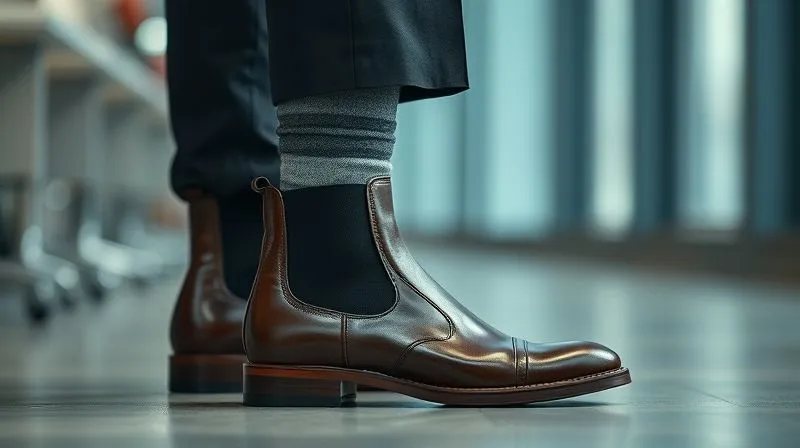
- Chelsea Boots or Chukka Boots: These instantly elevate an outfit, especially with slim-fit trousers or dark jeans. Suede options are particularly smart casual.
- Minimalist Leather Sneakers: This is the ultimate smart casual footwear. They must be pristine, made of high-quality leather, and in a simple, unbranded design (white, black, or grey are ideal). They pair surprisingly well with blazers and tailored trousers.
Expert Insight: "Always ensure your shoes are clean and polished. Scuffed, dirty shoes can undermine even the most impeccable outfit. They are a direct reflection of your attention to detail and self-respect."
Belts and Beyond
A belt should complement your shoes, not necessarily match them perfectly. Beyond belts, consider other subtle additions.
- Quality Leather Belt: A good leather belt in brown or black is essential. Match the texture and general tone to your shoes.
- Watch: A classic timepiece, whether a minimalist dress watch or a refined diver's watch, adds a touch of sophistication. Avoid overly sporty or chunky watches.
- Pocket Square: This small detail can add a pop of color, pattern, or texture to your blazer. It's a fantastic way to express personality without being overtly flashy.
- Socks: Don't underestimate the power of socks. Opt for quality cotton or wool socks in complementary colors or subtle patterns. Avoid white athletic socks at all costs.
Color, Pattern, and Fit: Your Silent Communicators
These three elements are the backbone of any stylish outfit. Mastering them allows you to create looks that are not just appropriate, but truly impactful. They communicate professionalism, confidence, and a keen eye for detail without a single word.
Strategic Color Palettes
While business casual often sticks to safe neutrals, smart casual allows for more thoughtful color choices. This doesn't mean bright and flashy, but rather richer, more nuanced tones.
- Foundation Neutrals: Navy, charcoal, grey, white, and cream should form the core of your wardrobe.
- Earthy Tones: Olive green, burgundy, camel, and various shades of brown add warmth and sophistication, especially when paired with your core neutrals.
- Subtle Pops: Use accessories or a single garment (like a knit sweater or a patterned shirt) to introduce a controlled pop of color.
The key is cohesion. Ensure your colors complement each other and create a harmonious overall impression. Harvard Business Review often highlights how personal presentation, including color choices, impacts professional perception.
Subtlety in Pattern
Patterns can add visual interest but must be used judiciously in an office context. The goal is sophistication, not distraction.
- Fine Stripes: Pinstripes or Bengal stripes on shirts are classic and professional.
- Checks: Subtle gingham, windowpane, or Prince of Wales checks on blazers or shirts can add character without being overwhelming.
- Textures as Pattern: Sometimes, texture can act like a subtle pattern. Think of a hopsack blazer, a fine-wale corduroy trouser, or a textured knit sweater.
When mixing patterns, ensure they differ in scale to avoid visual clutter. For example, a fine-striped shirt with a larger-check blazer works well.
The Paramount Importance of Fit
I cannot stress this enough: fit is king. Even the most expensive garments will look cheap if they don't fit well. Conversely, well-fitting, affordable clothes can look incredibly sharp. This is where smart casual truly distinguishes itself from sloppy casual.
- Shoulders: For blazers and jackets, the shoulder seam should align perfectly with your natural shoulder bone.
- Sleeves: Shirt cuffs should hit at your wrist bone, allowing about half an inch of shirt cuff to show beneath your blazer sleeve.
- Trousers: Avoid baggy or overly tight trousers. Aim for a slim-straight or tapered fit that sits comfortably at your waist. The length should have a slight break or no break, just touching the top of your shoe.
- Shirt Body: Your shirt should skim your torso, allowing for comfortable movement without excess fabric billowing around your waist.
| Garment | Ideal Fit |
|---|---|
| Blazer/Jacket | Shoulder seam aligns with natural shoulder, sleeves show 0.5-1 inch of shirt cuff, jacket closes comfortably without pulling. |
| Shirt | Collar sits comfortably, not too tight or loose. Body skims torso without excess fabric. Cuffs hit at wrist bone. |
| Trousers/Chinos | Waist sits naturally, not too tight. Seat is comfortable, no pulling. Leg opening is tapered or slim-straight. Length has a slight break or no break. |
| Knitwear | Skims the body without clinging. Sleeves end at wrist. Neckline lies flat and comfortable. |
Navigating Office Culture: When to Push the Boundaries (and When Not To)
Understanding your specific office culture is paramount. While this guide helps you dress smart casual within a business casual framework, some environments are more conservative than others. Always observe before you experiment.
Case Study: Elevating 'Tech Casual' at InnovateX
I once consulted with Mark, a senior project manager at InnovateX, a rapidly growing tech firm. Their dress code was 'tech casual,' which often translated to t-shirts, hoodies, and jeans for most employees. Mark, however, felt his personal brand was getting lost. He wanted to project more authority and sophistication without alienating his team or appearing out of touch.
We developed a strategy focused on introducing smart casual elements incrementally. He started by swapping his graphic tees for premium plain t-shirts or fine-gauge knit polos. His hoodies were replaced with cashmere or merino crewneck sweaters. He kept his dark jeans but paired them with pristine minimalist leather sneakers or stylish chukka boots. Crucially, he introduced unstructured blazers in navy and charcoal, often worn open over his elevated casual wear. The result? Mark instantly appeared more polished and authoritative. He received compliments from leadership and felt a significant boost in his own confidence, without ever wearing a traditional 'business casual' suit jacket or tie. This demonstrated that even in a very casual environment, a smart casual approach can be highly effective in elevating one's presence.
Observing and Adapting
Before making drastic changes, take a week to observe what your colleagues and, more importantly, your superiors wear. Are blazers common? Are dress shoes the norm, or are premium sneakers seen? This reconnaissance will give you valuable clues.
Start small. Introduce one smart casual element at a time – a new pair of loafers, a well-fitting blazer, or a premium knit shirt. Gauge the reactions. The goal is to evolve your style thoughtfully, not to shock your colleagues. As Forbes often notes, your wardrobe is a powerful tool for personal branding.

Common Pitfalls to Avoid: Don't Undermine Your Style
Even with the best intentions, certain mistakes can quickly derail your efforts to achieve a polished smart casual look within a business casual setting. I've seen these missteps countless times, and they're easily avoidable with a little awareness.
The Wrinkle Trap
Perhaps the most common and easily fixable mistake. A wrinkled shirt, blazer, or pair of trousers instantly cheapens your entire look, regardless of the quality of the garments. Smart casual demands a crisp, well-maintained appearance.
- Actionable Step: Invest in a good steamer or iron. Make it a routine to prepare your clothes the night before. Fabrics like linen and cotton wrinkle easily, so embrace their natural texture but ensure they're pressed for a fresh start.
Over-accessorizing
While accessories are crucial, there's a fine line between adding detail and creating clutter. Too many rings, bracelets, or an overly flashy watch can detract from your professional image.
- Actionable Step: Practice restraint. Choose one or two key accessories that complement your outfit rather than competing with it. A quality watch and a subtle pocket square are often more than enough.
Ignoring Footwear
As mentioned earlier, shoes are paramount. Wearing worn-out, dirty, or overly casual footwear (like athletic trainers or flip-flops) will instantly negate any smart casual efforts you've made elsewhere.
- Actionable Step: Maintain your shoes. Polish leather, clean suede, and replace worn laces. Have a rotation of quality footwear suitable for the office. Even minimalist sneakers need to be kept spotless.
Poor Grooming
This isn't strictly about clothes, but it's inextricably linked to how you present yourself. A sharp outfit paired with unkempt hair, a scraggly beard, or bitten nails sends mixed signals.
- Actionable Step: Ensure your hair is neatly styled, facial hair is trimmed, and nails are clean. These small details significantly amplify the impact of your smart casual attire.
Frequently Asked Questions (FAQ)
Can I wear jeans in a business casual office with smart casual elements? This depends heavily on your specific office culture. If permitted, opt for dark wash, un-distressed, slim-fit jeans. Pair them with a blazer, a crisp button-down or fine-gauge knit, and polished leather shoes or high-quality minimalist sneakers. The key is to elevate all other elements to compensate for the casualness of the jeans. Never wear ripped or faded jeans in a business casual setting.
What's the best way to transition from a casual Friday outfit to a client meeting? The easiest transition involves layering. Start with a solid foundation like dark chinos or tailored jeans, a premium t-shirt, or a fine knit. For the meeting, simply add a well-fitting blazer, swap out casual sneakers for loafers or dress shoes, and ensure your shirt is pristine. A pocket square can also instantly elevate the blazer. Have a 'meeting-ready' blazer and shoes readily available.
Are sneakers ever acceptable in a business casual environment if I'm aiming for smart casual? Yes, but with strict caveats. They must be minimalist, made of high-quality leather (or premium suede), in pristine condition, and in a neutral color (white, black, navy, grey). Avoid anything sporty, chunky, or brightly colored. Pair them with tailored trousers or dark, slim-fit jeans, and always with a blazer or refined knitwear to maintain the 'smart' aspect. This is a more advanced smart casual move, so gauge your office's acceptance carefully.
How do I dress smart casual for different seasons? For warmer months, focus on breathable fabrics like linen, cotton, and lightweight wool. Think linen blazers, cotton chinos, and lightweight button-downs. For cooler weather, layer with merino wool or cashmere knitwear, flannel trousers, and heavier blazers. Boots become more appropriate, and a stylish overcoat can complete the look. The principles of fit and quality remain constant, only the fabrics and layering change.
What's the one item every man needs to bridge the smart casual/business casual gap? Without a doubt, a well-fitting, versatile blazer. A navy or charcoal unstructured wool blazer can be dressed up or down, instantly adding polish to anything from a t-shirt and jeans to a button-down and wool trousers. It's the ultimate chameleon garment that effortlessly elevates your entire look and is central to how to nail 'smart casual' when the office says 'business casual'.
Key Takeaways and Final Thoughts
Navigating the intersection of 'smart casual' and 'business casual' doesn't have to be a source of stress. It's an opportunity to refine your personal style, project confidence, and enhance your professional presence. Remember, the goal isn't just to adhere to a dress code, but to master it, making it work for you.
- Understand the Definitions: Know the difference between business casual's relaxed professionalism and smart casual's intentional, elevated style.
- Invest in Versatile Staples: Focus on quality blazers, refined shirts, and tailored trousers that can be mixed and matched.
- Master Layering and Texture: Use knitwear and outerwear to add depth and sophistication to your outfits.
- Pay Attention to Details: Your choice of footwear, belt, watch, and even socks can make or break an outfit.
- Prioritize Fit: An impeccable fit is the single most important factor in looking sharp and polished.
- Observe and Adapt: Understand your office culture and introduce smart casual elements thoughtfully and incrementally.
- Avoid Common Pitfalls: Steer clear of wrinkles, over-accessorizing, poor footwear, and neglecting grooming.
By applying these expert-level strategies, you're not just dressing for work; you're curating a wardrobe that speaks volumes about your attention to detail, confidence, and personal brand. Embrace the journey of refining your style, and you'll find that how to nail 'smart casual' when the office says 'business casual' becomes not a challenge, but a rewarding expression of who you are. Go forth and dress with purpose!
Recommended Reading
- How to Select Women's Formal Wear for High-Stakes Client Pitches: 7 Steps
- Best Leggings for Sweaty Workouts: Ultimate Comfort & Performance
- 7 Key Factors: How to Choose a Versatile Men's Watch for Diverse Business Settings
- The Ultimate Guide: How to Wear Sheer Clothing Modestly and Stylishly?
- 7 Steps to Verify Cruelty-Free Fashion Supply Chains Ethically



Your email address will not be published. Required fields are marked *