


How to Maintain Streetwear Brand Authenticity When Scaling?
For over 15 years in the streetwear trenches, I've witnessed countless brands emerge from basements and local scenes, fueled by raw passion and an undeniable aesthetic. They captured lightning in a bottle, resonating deeply with a niche audience. Yet, as success beckoned, many faced a critical juncture: the perilous path of scaling. It's a common tale – the initial spark of authenticity, the very soul of the brand, often gets diluted, sometimes extinguished, under the pressure of mass production, wider distribution, and commercial demands.
This isn't just about making more money; it's about navigating a growth trajectory that threatens to strip away the very essence that made your brand special. The fear is real: becoming just another label, losing that genuine connection with your day-one supporters, and ultimately, sacrificing the unique voice that defined you. The market is littered with cautionary tales of brands that chased commercial success only to find themselves unrecognizable, their original fans alienated.
But it doesn't have to be this way. In this definitive guide, I'll share the frameworks, hard-won lessons, and actionable strategies I’ve seen work firsthand. We'll explore how to maintain streetwear brand authenticity when scaling, ensuring your brand evolves without compromising its core identity, community, and creative integrity. You’ll gain insights into safeguarding your brand's soul while reaching new heights, backed by real-world principles and expert perspectives.
Defining Authenticity in Streetwear: More Than Just a Logo
Before we discuss scaling, let's nail down what 'authenticity' truly means in the streetwear context. It's not merely about being 'cool' or 'underground.' Authenticity is a complex tapestry woven from a brand's origins, its values, its connection to subcultures, its design philosophy, and its relationship with its community. It’s the lived experience, the story, the raw energy that transcends mere product. As I’ve observed, it’s the unspoken pact between a brand and its followers: a mutual understanding of what they stand for.
For many, authenticity is rooted in the brand's narrative – a founder's journey, a specific cultural movement, or a unique artistic vision. It’s the feeling that a brand isn't just selling clothes, but a piece of its identity, a shared belief system. Losing this means losing your most loyal advocates.
“Authenticity in streetwear isn't a marketing tactic; it's the brand's operating system. Without it, you’re just selling fabric.” – Industry Veteran's Insight
The Perils of Unchecked Growth: Why Authenticity Fades
Rapid growth often brings tempting opportunities: bigger orders, wider distribution, lucrative collaborations. But these can be a double-edged sword. The pressure to meet demand can lead to compromises in quality, design, and production ethics. I've seen brands switch to cheaper materials or outsource production to factories that don't align with their values, all in the name of scaling. This inevitably erodes trust.
Furthermore, expanding into mainstream channels can dilute the brand's exclusivity and appeal to its core audience. When everyone can get it, does it still feel special? This is a critical question every streetwear brand must confront. The key is to grow strategically, not just expediently.
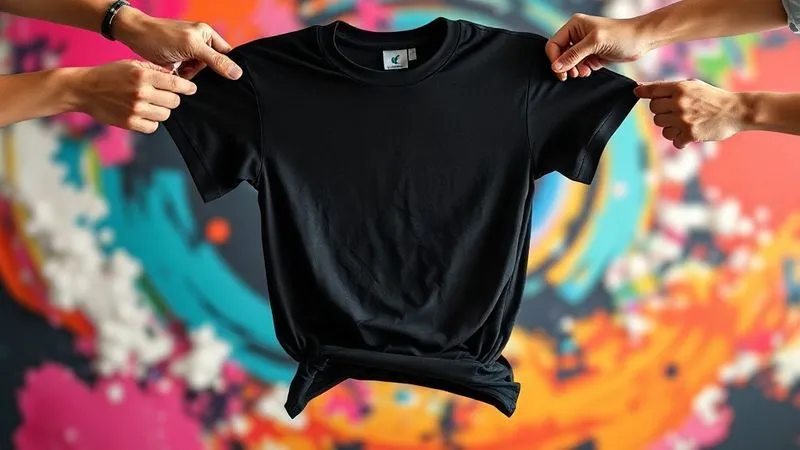
Strategy 1: Nurturing Your Core Community as You Expand
Your day-one supporters are your brand's lifeblood. They're your most vocal advocates and your harshest critics – in the best way possible. As you scale, it’s crucial to keep them close, not alienate them. I've always advised brands to view their community as co-creators, not just consumers.
- Create Exclusive Tiers: Offer early access to drops, special editions, or members-only events. This rewards loyalty and maintains a sense of exclusivity for your most dedicated fans.
- Engage Directly: Continue to engage with your community on social media, forums, and through direct messaging. Respond to comments, ask for feedback, and show that their voices matter.
- Amplify Their Voices: Feature user-generated content, run contests where community members can design elements, or involve them in decision-making processes (e.g., voting on colorways).
Case Study: 'The Drop Syndicate' – Scaling with Community at its Core
The Drop Syndicate, a fictional streetwear brand known for its graphic tees inspired by underground music scenes, faced immense pressure to expand after a few viral drops. Instead of mass-producing, they launched a 'Syndicate Inner Circle' program. Members paid a small annual fee for guaranteed early access to limited releases, exclusive Discord channels with the founders, and monthly design feedback sessions. This not only generated recurring revenue but also fostered an incredibly loyal and engaged community. Their growth was slower, but their authenticity remained rock-solid, as their core fans felt integral to the brand's journey, even as they opened up wider distribution channels.
Strategy 2: Upholding Design Integrity and Creative Vision
The aesthetic is paramount in streetwear. Your designs are your visual language. Scaling often tempts brands to chase trends or simplify designs for broader appeal. This, in my experience, is a fatal mistake. Your unique creative vision is what set you apart.
- Maintain a Strong Creative Director: Ensure your creative lead has absolute authority over design decisions, insulated from purely commercial pressures. This role is the guardian of your brand's aesthetic soul.
- Resist Trend Chasing: While being aware of trends is important, chasing every fleeting fad will make your brand look derivative. Focus on evolving your unique style, not abandoning it.
- Invest in Quality: As you scale, maintain or even improve the quality of materials and construction. Your product must feel as premium as your brand story suggests.
Strategy 3: Ethical Sourcing and Production: Beyond the Hype
Today's consumers, especially in the streetwear space, are increasingly conscious of a brand's ethical footprint. Authenticity isn't just about design; it's about how you operate. Neglecting ethical sourcing and sustainable practices can quickly unravel your brand's credibility. As a veteran, I’ve seen that transparency isn't just good PR; it's a fundamental pillar of modern authenticity.
According to a recent Deloitte study, 34% of consumers are willing to pay more for sustainable products, a figure that is even higher among younger demographics who are core to streetwear. This isn't a niche concern anymore; it's a mainstream expectation. Building trust means showing, not just telling, your commitment to responsible practices.
- Trace Your Supply Chain: Understand where your materials come from, who makes your garments, and under what conditions. Partner with factories that uphold fair labor practices and environmental standards.
- Prioritize Sustainable Materials: Explore organic cotton, recycled polyester, hemp, and other eco-friendly alternatives. Communicate these choices clearly to your audience.
- Minimize Waste: Implement strategies to reduce waste in production, packaging, and distribution. Consider made-to-order models for limited runs to avoid overproduction.
| Ethical Pillar | Pre-Scaling Practice | Scaling Strategy |
|---|---|---|
| Fair Labor | Local, small workshop | Partner with certified ethical factories (e.g., WRAP, Fair Trade) |
| Sustainable Materials | Standard cotton | Transition to organic, recycled, or upcycled fabrics |
| Environmental Impact | Limited awareness | Implement waste reduction, low-impact dyes, carbon offsetting |
| Transparency | Informal communication | Publicly disclose supply chain, certifications, and goals |
Strategy 4: Storytelling That Resonates, Not Just Sells
Every streetwear brand has a story. It's often the genesis of its authenticity. As you scale, the temptation is to broaden your narrative to appeal to a wider audience, often at the expense of its specificity and depth. This is where many brands stumble. The goal isn't to dilute your story, but to tell it more effectively and consistently across new platforms.
As marketing guru Seth Godin often says, "People don't buy goods and services. They buy relations, stories, and magic." Your brand's magic lies in its unique narrative. Ensure that every piece of content, every campaign, and every interaction reinforces your core story and values. This is how you maintain a strong, authentic brand voice even as your audience grows.
- Document Your Journey: Share behind-the-scenes content, founder stories, and the inspiration behind your collections. This creates a deeper connection and humanizes your brand.
- Collaborate with Storytellers: Work with photographers, videographers, and artists who understand your brand's ethos to create compelling visual narratives.
- Integrate Story into Product: Each collection should tell a chapter of your brand's ongoing story, not just be a random assortment of designs.
Strategy 5: Strategic Collaborations and Brand Partnerships
Collaborations are a cornerstone of streetwear culture, offering a powerful way to expand reach while reinforcing authenticity. However, not all collaborations are created equal. A poorly chosen partner can quickly undermine your brand's credibility. The secret lies in strategic alignment – partnering with brands, artists, or figures who genuinely share your values or offer a complementary aesthetic.
I've seen successful collaborations act as accelerants for growth, introducing brands to new audiences without sacrificing their soul. The key is to ensure the partnership feels organic and earned, not forced or purely commercial. Think long-term brand equity over short-term sales spikes.
- Value Alignment: Partner with entities whose values, aesthetics, or community align with yours. This ensures a natural synergy and resonance with both fanbases.
- Mutual Respect: The best collaborations are those where both parties bring something unique to the table and respect each other's creative input.
- Limited & Meaningful: Keep collaborations special. Over-saturating the market with partnerships can dilute their impact and make your brand seem desperate.
Strategy 6: Leveraging Data Without Losing Soul
In the digital age, data is king. Analytics can inform everything from design preferences to marketing spend. But relying solely on data can lead to a sterile, algorithm-driven brand that lacks intuition and soul. The challenge is to use data as a guide, not a dictator, ensuring it complements your creative vision rather than replaces it.
My advice has always been to treat data as a conversation starter, not the final word. It can tell you *what* is happening, but your brand's intuition and connection to culture will tell you *why* and *what's next*.
- Understand Your Audience Demographics: Use analytics to understand who your customers are, where they're located, and how they interact with your brand. This helps tailor communication.
- Track Product Performance: Identify which designs, styles, or categories resonate most. Use this to inform future collections, but don't let it stifle experimentation.
- Monitor Engagement Metrics: Beyond sales, track social media engagement, website traffic patterns, and community forum activity. These qualitative insights are gold for understanding brand perception.
Strategy 7: Empowering Your Team as Brand Ambassadors
Your team, from designers to customer service, are the living embodiment of your brand. As you grow, it's easy for internal communication to break down, leading to a fragmented brand message. To maintain authenticity, every team member must understand and passionately represent your brand's values.
I advocate for fostering a culture where every employee feels like a stakeholder. When your team genuinely believes in what the brand stands for, that authenticity radiates outward to your customers. This is particularly vital as you expand operations and potentially bring on more staff who weren't there from day one.
- Onboard with Intent: Ensure new hires are thoroughly immersed in your brand's history, mission, and values from day one. They need to understand the 'why' behind the 'what.'
- Foster Internal Culture: Create an internal environment that mirrors your brand's external values. If your brand is about creativity and individuality, empower your team to express those traits.
- Provide Brand Guidelines: Equip your team with clear, comprehensive brand guidelines that cover everything from visual identity to tone of voice. This ensures consistency across all touchpoints.
Frequently Asked Questions (FAQ)
Question: How do I know if my brand is starting to lose its authenticity? You'll often see it in declining engagement from your core community, an increase in negative feedback about 'selling out,' or a feeling internally that your creative decisions are being driven purely by commercial interests rather than artistic vision. Listen to your most loyal fans – they are often the first to notice the shift.
Question: Is it possible to scale globally and still feel 'underground' or exclusive? Yes, but it requires masterful segmentation and communication. Brands like Supreme managed this for years by maintaining limited drops, cultivating a strong secondary market, and consistently engaging with their core subculture, even as their influence spread globally. It's about perception and strategic scarcity, not just physical reach.
Question: What's the biggest mistake brands make when trying to scale authentically? The biggest mistake is chasing short-term profits over long-term brand equity. This often manifests as cutting corners on quality, diluting design, or making uninspired collaborations. Authenticity is built on trust and consistency; once that trust is broken, it's incredibly hard to rebuild.
Question: How can a small brand prepare for scaling to maintain authenticity? Start with a clear brand manifesto. Define your values, your aesthetic, and your target audience before growth pressures hit. Document your production processes and ethical commitments early. Build a strong, engaged community from the outset. These foundations will serve as your north star during expansion.
Question: How important is founder involvement in maintaining authenticity during scaling? Extremely important. The founder often embodies the brand's original vision and passion. While you'll need to delegate, regular public appearances, direct communication with the community, and oversight of key creative and ethical decisions by the founder can significantly reassure the audience that the brand's soul remains intact.
Key Takeaways and Final Thoughts
Navigating the growth of a streetwear brand is a tightrope walk between ambition and integrity. The journey to scale while preserving your brand's soul is challenging, but it's entirely achievable with deliberate strategy and unwavering commitment. Remember, your authenticity is your most valuable asset – it’s what differentiates you in a crowded market and fosters deep, lasting connections with your audience.
- Prioritize Community: Your core fans are your foundation; keep them close and engaged.
- Guard Creative Vision: Never compromise on your unique design aesthetic and quality.
- Embrace Ethics & Transparency: Ethical practices build trust and resonate with modern consumers.
- Master Your Narrative: Tell your story consistently and compellingly across all platforms.
- Collaborate Smartly: Choose partners that genuinely align with your brand's values.
- Balance Data & Intuition: Use data to inform, not dictate, your creative and strategic decisions.
- Empower Your Team: Ensure everyone within your organization is a passionate ambassador for your brand.
I've seen the struggle, and I've witnessed the triumphs. The brands that succeed in scaling authentically are those that view growth not as an opportunity to change who they are, but to share their true selves with a wider world. By focusing on these seven pillars, you can expand your reach, grow your impact, and solidify your legacy, all while staying true to the very essence that makes your streetwear brand undeniably, uniquely YOU. Don't just grow bigger; grow better, grow smarter, and most importantly, grow authentically. For more insights into ethical fashion scaling, check out this Harvard Business Review article on sustainable fashion. Further explore the impact of brand storytelling from Seth Godin's blog, and understand consumer expectations around ethical business from Deloitte's consumer trends reports.
Recommended Reading
- 5 Strategies: Mitigating Luxury Brand Damage from Celebrity Styling Errors
- Stop Kids' Clothes Ripping: 7 Expert Strategies for Durable Wear
- Scaling Textile Recycling: 7 Strategies for Circular Fashion Profit
- Unlocking Mass Digital Fashion: 7 Strategies for Scalable Production
- 7 Steps to Repair Brand Trust After a Failed Streetwear Drop



Your email address will not be published. Required fields are marked *