


How to Handle Custom Bridal Client Disputes Over Design Changes?
For over two decades in the intricate world of custom bridal fashion, I've witnessed firsthand the profound joy a perfectly realized gown brings, but also the deep anxieties that can surface when expectations and reality diverge. This niche, steeped in emotion and personal dreams, often presents unique challenges, none more delicate than navigating disagreements over design changes. I've seen promising client relationships fray, and even successful businesses face reputational damage, all stemming from mishandled design disputes.
The pain points are palpable: a bride's dream dress feels threatened, a designer's creative vision is questioned, and the financial and time investments on both sides become a source of stress. These aren't just business transactions; they're deeply personal journeys culminating in one of life's most significant events. Without a clear, empathetic, and structured approach, what begins as a minor tweak can quickly escalate into a full-blown crisis, jeopardizing not only the gown but the entire wedding experience.
This article isn't about avoiding conflict entirely – that's an unrealistic expectation in any bespoke creative process. Instead, I'll share a definitive framework, honed through years of experience, offering actionable strategies, essential communication techniques, and robust business practices. You'll learn how to proactively prevent disputes, skillfully de-escalate tensions when they arise, and ultimately, resolve design changes in a way that preserves both your professional integrity and your client's precious dream. Let's transform potential pitfalls into pathways for stronger client relationships and a more resilient business.
The Root Causes: Why Design Disputes Emerge in Bridal
Understanding the 'why' behind design disputes is the first step toward effective resolution. In bridal, these roots often run deeper than a simple misunderstanding, intertwining with high emotional stakes and unique project complexities.
Unclear Communication & Expectations
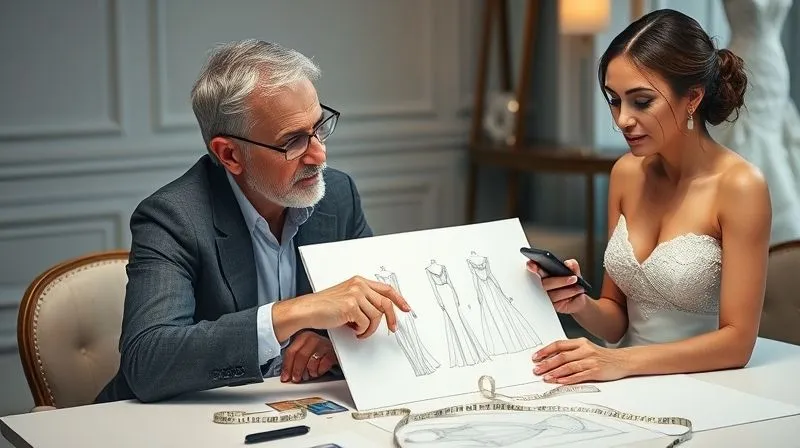
The most common culprit is a gap between what the client envisions and what the designer interprets, or what's realistically achievable within the scope and budget. Brides often come with inspiration photos, but these can be open to varied interpretations. A 'flowy' skirt to one might mean chiffon, while to another, it's layers of soft tulle. When initial consultations lack meticulous detail and comprehensive visual aids, these subtle differences can become chasms later on.
Emotional Investment & Pressure
A wedding gown is arguably the most emotionally charged garment a woman will ever wear. This inherent emotional weight means any perceived deviation from the 'dream' can be magnified, triggering anxiety and disappointment. Designers, too, invest their passion and expertise, making objective discussions challenging when both parties are deeply invested in the outcome. The pressure of the wedding date looming adds another layer of stress, shortening tempers and increasing the urgency of resolution.
Scope Creep & Misinterpretation
What begins as a seemingly minor request – 'could we just add a few more pearls?' – can quickly snowball, altering the original design significantly in terms of time, materials, and artistic vision. Clients, often unfamiliar with the intricacies of garment construction, might not understand the ripple effect of a single change. Conversely, designers might inadvertently agree to changes without fully assessing their impact, leading to frustration and potential cost overruns down the line. This is where a clear understanding of the project's boundaries, from the outset, becomes paramount.
Proactive Prevention: Setting the Stage for Success
The best way to handle disputes is to prevent them. This requires robust preparation and crystal-clear processes from the very first interaction.
The Power of a Detailed Design Brief
This is your blueprint and your first line of defense. A comprehensive design brief goes beyond verbal discussions. It should include:
- Visual References: Collect and analyze all inspiration photos, sketches, fabric swatches, and embellishment examples provided by the client.
- Detailed Sketches: Create multiple angles (front, back, side) of the proposed design, including intricate details. Consider using CAD or digital rendering for hyper-realism.
- Fabric & Embellishment Specifications: List exact fabric types, colors, lace patterns, beadwork, and any other materials. Attach physical swatches to the brief for client approval.
- Measurements & Fit Considerations: Document all measurements and discuss fit preferences (e.g., 'snug bodice,' 'loose A-line').
- Timeline & Milestones: Outline key dates for design approval, fittings, and final delivery.
According to a study by the Project Management Institute, clear requirements documentation is a leading factor in project success, reducing scope creep by up to 50%. This principle is equally vital in custom bridal.
Comprehensive Contract Clarity
Your contract is more than just a legal document; it's a communication tool that sets boundaries and expectations. Ensure it explicitly addresses potential areas of conflict related to design changes. I've found that transparent contracts foster trust and minimize ambiguity.
| Clause Area | Key Details to Include |
|---|---|
| Design Approval Process | Specific stages of approval (sketch, toile, final fabric), number of revisions included, sign-off requirements. |
| Change Order Procedure | How changes are requested, documented, costed, and approved. Definition of 'minor' vs. 'major' changes. |
| Cancellation & Refund Policy | Clear terms for cancellation at different stages and corresponding refund/payment schedules. |
| Timeline & Delays | Expected project duration, impact of client-requested changes on timeline, and designer's liability for delays. |
| Intellectual Property | Ownership of designs, use of imagery for portfolio, etc. |
| Dispute Resolution | Preferred method (mediation, arbitration) and governing law. |
| Payment Schedule | Deposit, installment dates, final payment, and late payment penalties. |
Visual Communication Tools
Beyond sketches, leverage technology. Use mood boards, 3D renderings, or even short video walkthroughs of similar designs to ensure the client truly understands the proposed aesthetic. When discussing changes, always revert to visuals. A picture is indeed worth a thousand words, especially when those words are trying to describe a complex garment detail.
When Conflict Arises: Initial Steps for De-escalation
Even with the best preventative measures, disputes can occur. The initial response is critical in determining the trajectory of the conflict.
Active Listening & Empathy
When a client expresses dissatisfaction, resist the urge to immediately defend or explain. Instead, practice active listening. Let them fully articulate their concerns without interruption. Repeat back what you've heard to ensure understanding. Phrases like, "It sounds like you're feeling concerned about the lace placement on the bodice, and that it's not matching your original vision, is that right?" demonstrate empathy and validate their feelings. Remember, their frustration is often rooted in fear or disappointment, not necessarily anger at you personally. As negotiation expert Chris Voss often highlights, acknowledging emotions is key to de-escalation. Learn more about active listening in conflict resolution.
Documenting Everything
Every conversation, every email, every change request, and every agreed-upon modification must be meticulously documented. This creates an objective record that can be referenced if memories differ. Send follow-up emails summarizing discussions: "Following our call today, we've agreed that the skirt volume will be reduced by X inches, and we will explore two alternative button styles. Please confirm your understanding." This protects both parties and provides a clear audit trail.
The "Pause and Reflect" Principle
In emotionally charged situations, it's easy to react impulsively. If a client is upset, suggest taking a brief pause. "I understand this is incredibly important, and I want to ensure we address your concerns thoroughly. Let's both take a moment to reflect on our options, and we can reconvene at [specific time] to discuss next steps with fresh perspectives." This allows emotions to cool and facilitates more rational problem-solving. It signals that you take their concerns seriously and are committed to a thoughtful resolution.
"In the realm of custom bridal, empathy is not just a soft skill; it's a strategic imperative. Understanding the emotional landscape of your client can transform a potential dispute into an opportunity to deepen trust and reinforce your reputation for care and excellence."
Navigating Design Change Requests: A Structured Approach
Once you've de-escalated the immediate tension, a structured process for handling the actual design change is essential.
Differentiating Minor Tweaks from Major Revisions
This distinction is crucial for managing expectations and costs. A minor tweak might be adjusting a seam allowance by a quarter-inch or moving a single appliqué. A major revision involves significant structural changes, material swaps, or a complete redesign of a core element. Your contract should define these categories and their implications for cost and timeline.
The Change Order Process
Every change, no matter how small, should follow a formal change order process:
- Client Request: The client formally requests a change, preferably in writing (email).
- Assessment & Impact Analysis: Evaluate the requested change's impact on: materials, labor hours, timeline, and the overall design aesthetic.
- Proposal: Present a clear proposal outlining: the exact nature of the change, revised sketches/visuals, new material costs (if any), additional labor fees, and the revised delivery timeline.
- Client Approval: The client must formally approve the change order, ideally with a signature on a revised contract addendum or a clear email confirmation. Never proceed with unapproved changes.
- Invoice & Payment: Invoice for any additional costs, typically requiring payment before work on the change commences.
Fair Pricing for Revisions
Be transparent about how revisions are priced. Some designers include a certain number of 'minor' revisions in the initial fee, with 'major' revisions or additional minor ones incurring an hourly rate or a flat fee. Clearly communicate this in your contract and when presenting a change order. Undercutting your value by offering free, extensive revisions will quickly erode your profitability and time. Forbes offers insights on managing client expectations and avoiding scope creep.
Case Study: Bridal Boutique Harmony
"Bridal Boutique Harmony", a well-regarded custom atelier, faced a significant design dispute with a client, Sarah, who felt the first toile (mock-up) of her gown's intricate lace sleeves was 'too heavy' compared to her vision, despite approving initial sketches. The boutique's owner, Maria, immediately employed her structured approach. First, she listened empathetically, acknowledging Sarah's disappointment. Then, instead of arguing, she pulled out the original detailed design brief and contract, which clearly stated the specific lace type and construction method Sarah had approved. Maria then presented two options: 1) Proceed with the original design as per contract, or 2) Initiate a formal change order to explore lighter lace options and a different sleeve construction. The change order clearly detailed the additional cost for new materials and labor, and a revised timeline. Sarah, seeing the transparency and the options laid out, chose the change order. The additional cost was agreed upon, and a new, lighter lace was sourced. This resulted in Sarah being thrilled with the final gown, and the boutique maintained its profit margin and reputation, demonstrating that clear processes, even when challenging, lead to successful outcomes.
Mediation & Resolution Strategies
If direct discussions and change orders don't fully resolve the issue, you may need to consider more formal resolution methods.
Bringing in a Third Party (If Necessary)
For highly contentious or emotionally charged disputes, a neutral third-party mediator can be invaluable. This could be a trusted industry peer (if both parties agree), a professional mediator specializing in creative industries, or even a legal professional. Their role is not to judge, but to facilitate communication and guide both parties toward a mutually acceptable solution. The presence of a neutral party can often shift the dynamic from adversarial to collaborative.
Compromise and Alternative Solutions
Rarely is a dispute resolved with one party getting absolutely everything they want. Be prepared to explore creative compromises. Can a specific design element be altered slightly to meet the client's aesthetic without completely overhauling the gown? Can a different embellishment achieve a similar effect at a lower cost? Presenting two or three viable alternative solutions demonstrates your commitment to their satisfaction while protecting your business. For instance, if a client dislikes the exact shade of ivory, perhaps a subtle overlay or underlay could adjust the perceived color without replacing the entire fabric.
Knowing When to Walk Away (Gracefully)
There are rare occasions when a resolution simply isn't possible, often due to an irreconcilable difference in vision, unrealistic expectations, or a complete breakdown of trust. In such instances, it's crucial to know when to gracefully terminate the contract, adhering strictly to the terms outlined in your agreement. While painful, prolonging a relationship that is fundamentally broken can be more damaging to your mental health and business reputation. Focus on a professional exit that minimizes negative impact on both sides. This often involves returning deposits as per contract, documenting all communication, and providing any unfinished work that has been paid for.

Protecting Your Business: Legal & Reputational Safeguards
Beyond resolving individual disputes, it's essential to build safeguards that protect your business long-term.
Legal Counsel & Contract Enforcement
Regularly review your contracts with legal counsel specializing in small business or creative industries. Ensure your terms are robust, enforceable, and clearly communicate your policies on design changes, cancellations, and dispute resolution. If a dispute escalates to a legal level, having a solid, legally sound contract is your strongest asset. Don't hesitate to seek legal advice early if a situation feels like it's spiraling out of control. Harvard Business Review provides valuable resources on contract management and negotiation.
Reputation Management & Client Testimonials
Even a resolved dispute can leave a lingering impression. After a successful resolution, proactively seek feedback and, if appropriate, a positive testimonial. A client who felt heard and respected, even after a disagreement, can become one of your most powerful advocates. Conversely, be prepared to address any online feedback professionally and constructively. Demonstrate publicly (without revealing client specifics) your commitment to client satisfaction and problem-solving. Learning from each dispute, whether resolved easily or with difficulty, helps refine your processes and strengthen your business against future issues.
Learning from Every Experience
Every dispute, regardless of outcome, is a learning opportunity. Conduct a post-mortem analysis: What caused the dispute? Was it a communication breakdown, an unclear clause, or an unrealistic expectation? What could have been done differently? Use these insights to refine your initial consultation process, enhance your contract language, improve your visual communication tools, or adjust your pricing structure for revisions. Continuous improvement based on real-world challenges is a hallmark of a thriving business.
| Dispute Resolution Option | Pros | Cons | When to Use |
|---|---|---|---|
| Direct Negotiation | Fast, cost-effective, preserves relationship. | Can be emotionally charged, requires strong communication skills. | Minor disagreements, early stage conflicts, when trust is still high. |
| Formal Change Order Process | Clear documentation, manages expectations, protects profitability. | Can feel bureaucratic, may require additional cost. | Any requested design change outside original scope, after initial sketches/toile approval. |
| Mediation | Neutral third party, focuses on compromise, preserves relationship. | Can incur costs, not legally binding unless agreed upon. | When direct negotiation fails, high emotional stakes, both parties willing to compromise. |
| Arbitration | Legally binding decision, generally faster than litigation. | Less control over outcome, can be costly. | When mediation fails, contract specifies arbitration, desire for a definitive resolution. |
| Litigation | Legally binding, full legal recourse. | Expensive, time-consuming, damages relationships, public record. | Last resort for severe breaches of contract or significant financial damages, when all other options are exhausted. |
The Emotional Toll: Supporting Yourself and Your Team
Handling custom bridal client disputes over design changes isn't just a business challenge; it's an emotional one. The stress can be immense, impacting your well-being and that of your team.
Self-Care in High-Stress Situations
As a designer or business owner, you are the face of your brand. When conflicts arise, it's easy to internalize the pressure. Prioritize self-care: ensure you're getting enough rest, maintaining a healthy diet, and engaging in stress-reducing activities. Consider seeking advice from a mentor or a business coach who can offer an objective perspective and emotional support. Remember that a clear mind is your best asset in resolving complex situations.
Team Training & Support
Your team members are often the first point of contact with clients. Equip them with the skills and confidence to handle initial client concerns. Provide training on active listening, de-escalation techniques, and your established change order process. Foster an environment where team members feel supported and empowered to flag potential issues early, rather than letting them fester. Regular team debriefs after challenging client interactions can be therapeutic and provide valuable collective learning experiences.
Frequently Asked Questions (FAQ)
Q: What if a client refuses to pay for a change order, claiming it should have been included? This highlights the importance of your detailed contract and initial design brief. Refer back to the signed documents that outline what was included in the original scope and the process for additional changes. Politely but firmly explain that the requested change falls outside the original agreement and therefore incurs an additional fee, as per the contract. If they still refuse, you must decide whether to proceed without payment (at your own risk), compromise on cost, or invoke your contract's dispute resolution clause. Documentation is your strongest defense here.
Q: How do I handle a client who constantly changes their mind, even after signing off on designs? This is a classic 'scope creep' scenario. Your change order process is designed for this. Each new request triggers a formal change order, with associated costs and timeline adjustments. It's crucial to enforce this consistently. Gently remind the client of the financial and time implications of repeated changes. Sometimes, a clear financial consequence is the most effective way to encourage decisiveness and respect for the design process.
Q: Is it ever acceptable to refuse a design change request? Yes, absolutely. You can refuse a change if it's technically impossible, compromises the structural integrity of the gown, deviates too far from your artistic vision (if your brand is highly niche), or is requested too close to the wedding date to be executed properly. Always explain your refusal professionally, offering alternatives if possible. For example, 'While adding full sleeves at this stage isn't feasible without compromising the fit of the bodice, we could explore a delicate lace bolero that offers a similar aesthetic.'
Q: What if the dispute is about a perceived flaw, not a design change? Address this with the same empathy and documentation. Inspect the 'flaw' objectively. Is it a genuine defect, or a misunderstanding of how a fabric drapes or a seam lies? If it's a defect, take responsibility and offer to rectify it promptly. If it's a misunderstanding, educate the client with patience and visual examples. Again, your initial design brief and quality control checks are paramount.
Q: How can I prevent negative online reviews after a dispute? The best prevention is a professional and empathetic resolution. Even if a dispute is difficult, if the client feels heard, respected, and that you made a genuine effort to resolve the issue, they are less likely to leave a scathing review. If a negative review does appear, respond publicly and professionally, without getting defensive or revealing private client details. State your commitment to client satisfaction and offer to discuss further offline. This demonstrates your professionalism to future clients.
Key Takeaways and Final Thoughts
- Proactive Prevention is Paramount: Invest heavily in detailed design briefs, comprehensive contracts, and clear visual communication from the outset.
- Empathy and Active Listening are Essential: Approach disputes with understanding and validate your client's emotions before seeking solutions.
- Implement a Structured Change Order Process: Clearly define, document, and price all design revisions to manage expectations and protect profitability.
- Document Everything: Maintain meticulous records of all communications, approvals, and changes to safeguard your business.
- Know When to Seek Outside Help: Don't hesitate to engage a mediator or legal counsel for complex or escalating disputes.
- Prioritize Self-Care: The emotional toll of disputes is real; protect your well-being and support your team.
- Learn and Adapt: Use every dispute as an opportunity to refine your processes and strengthen your business resilience.
Navigating custom bridal client disputes over design changes is undoubtedly one of the most challenging aspects of this beautiful industry. However, by adopting a proactive, empathetic, and systematically structured approach, you can transform these potential conflicts into opportunities for growth and deeper client trust. Remember, your expertise, professionalism, and commitment to clear communication are your most valuable tools. Embrace these strategies, and you'll not only resolve disputes effectively but also build a more resilient, reputable, and ultimately, more harmonious bridal business.
Recommended Reading
- 7 Ways to Stand Out: Differentiate Your Streetwear Hoodies Online
- 7 Ways to Revitalize Traditional Wedding Dresses for Millennials
- 7 Sustainable Strategies: Differentiating a Luxury Men's Skincare Line
- Unlock the Secret: How to Balance Oversized Streetwear for a Perfect Look
- Bespoke Jewelry Design: Your Ultimate Guide to Getting Started





Your email address will not be published. Required fields are marked *