

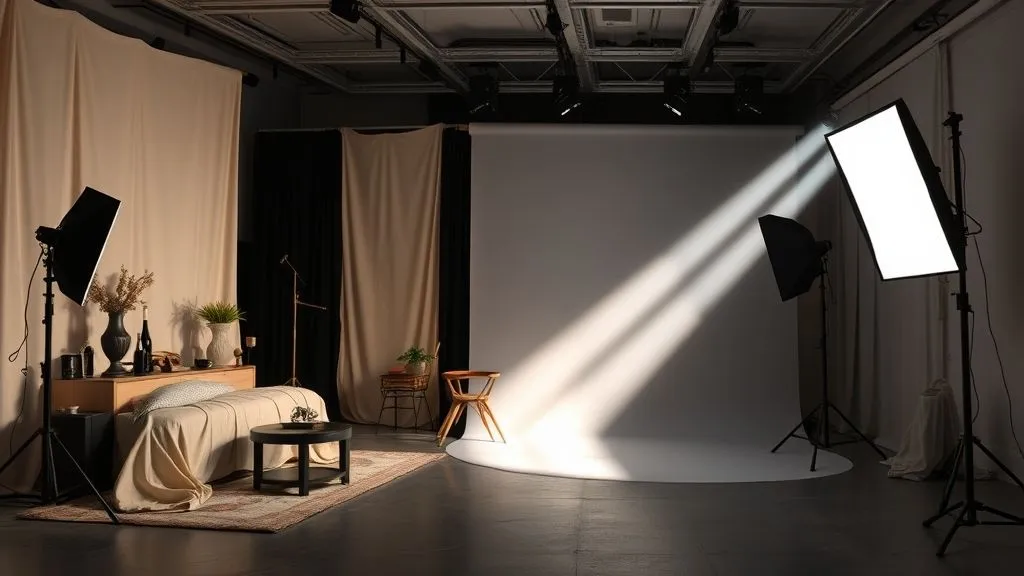
How to effectively pivot fashion art direction mid-shoot due to issues?
In the dynamic world of fashion photography, the ability to pivot art direction mid-shoot isn't merely a desirable trait; it's an absolute necessity. From my fifteen years behind the lens, I've learned that the true mark of an expert isn't avoiding problems, but rather skillfully navigating them when they inevitably arise. It's about transforming potential setbacks into creative opportunities.
A common mistake I see is photographers stubbornly clinging to a pre-conceived vision, even when the elements on set are clearly not aligning. This leads to wasted time, resources, and ultimately, a compromised final product. Recognizing when a pivot is needed is the first, crucial step.
Identifying the Need for a Pivot:
The triggers for a mid-shoot shift can be myriad. Perhaps the weather has turned unexpectedly, the location isn't delivering the anticipated mood, or the model isn't connecting with the initial concept. Sometimes, it's a wardrobe malfunction, a lighting setup that feels flat, or even a sudden creative block. Your gut feeling is often your earliest warning system.
“Trust your intuition. If something feels off, it probably is. Ignoring that instinct is a disservice to your craft and your team.”
The Actionable Steps to Effectively Pivot:
-
Call a Strategic Pause: When you sense an issue, don't just keep shooting hoping it will magically resolve. Briefly halt the action. This isn't a sign of weakness; it's a display of decisive leadership. Gather your key team members – stylist, hair and makeup artist, assistant, and if present, the client – for a quick, focused huddle.
-
Define the Exact Problem: During the pause, articulate precisely what isn't working. Is it a technical issue with the lighting? A creative disconnect with the model's energy? A logistical challenge with the set? Be specific, and avoid blame. Frame it as a collective challenge to overcome. For instance, "The light isn't giving us the dramatic shadows we envisioned for this concept; it feels too soft."
-
Re-evaluate the Core Objective: Before brainstorming solutions, take a moment to recall the shoot's overarching goal. What message are you trying to convey? What product are you selling? What emotion should the images evoke? This 'North Star' helps ensure that any new direction still serves the client's ultimate purpose, preventing a pivot into irrelevance.
-
Brainstorm Solutions Collaboratively: This is where your team becomes invaluable. Encourage rapid-fire ideas. No suggestion is too outlandish initially. Consider all available resources:
- Wardrobe: Can accessories transform a look? Can a jacket be removed for a more intimate feel?
- Location: Is there an overlooked corner? Can a tighter crop or a different angle isolate a more compelling background element?
- Lighting: Can you switch from artificial to natural light, or vice-versa? Can a simple reflector or flag dramatically change the mood?
- Model Direction: Can a different pose, expression, or a simple narrative shift unlock a new energy?
- Hair/Makeup: A quick change to a messy bun, a bolder lip, or a more undone look can entirely alter the model's persona.
In one instance, we were shooting a vibrant summer campaign, but the planned outdoor location was suddenly hit by a torrential downpour. Instead of canceling, we pivoted. We moved indoors, embraced the dramatic light coming through large windows, and used the rain-streaked glass as a beautiful, melancholic backdrop. The resulting images were unexpectedly moody and evocative, becoming a memorable part of the campaign that exceeded the original brief.
-
Select and Implement Swiftly: Choose the most viable solution that can be executed quickly and effectively. Clearly delegate tasks to your team. "Okay, stylist, let's swap that heavy coat for the silk blouse. HMU, let's pull her hair back into a sleek pony. Model, I want you to lean into that reflective, thoughtful expression." Speed and clarity are paramount here.
-
Monitor and Adjust Iteratively: Take a few test shots with the new direction. Review them immediately on the monitor. Is it working? Does it need further refinement? Pivoting isn't always a one-and-done process; sometimes it's a series of micro-adjustments until you hit the sweet spot. This iterative approach minimizes wasted frames and keeps momentum.
Key Principles for a Successful Pivot:
- Pre-visualization & Contingency Planning: Always have a Plan B, and even a Plan C, in your mental toolkit. In my experience, 80% of successful mid-shoot pivots stem from 20% of pre-shoot contingency thinking. This foresight gives you options when the unexpected hits.
- Stay Calm Under Pressure: Panic is contagious and unproductive. As the leader, your calm, authoritative demeanor will reassure your team and client, fostering an environment where creative solutions can emerge.
- Client Management: If the client is on set, involve them in the pivot discussion. Frame it as an enhancement or an adaptation to ensure the *best possible outcome*, rather than a reaction to a failure. Show them the problem and then immediately present a solution, demonstrating your expertise and problem-solving abilities.
- Embrace the "Happy Accident": Sometimes, the very solution you pivot to, born out of necessity, can lead to images more compelling and unique than your original concept. These "happy accidents" often become portfolio highlights.
Think of it like being a highly skilled jazz musician. You start with a score, but when an unexpected note or a new energy emerges from the band, you don't stop; you improvise, adapt, and weave that new element into a richer, more complex performance. This ability to improvise, to lead with creative problem-solving, is what truly separates a good fashion photographer from a truly great one.
Understanding the Root of the Problem: Why Do Unexpected Mid-Shoot Issues Happen?
In the dynamic world of fashion photography, the only constant is change. Despite meticulous planning, I've learned over countless shoots that unexpected challenges are not just possible, but practically inevitable. Understanding the true root causes of these mid-shoot issues is the first, crucial step toward effectively saving your vision.
A significant portion of on-set disruptions, in my experience, can be traced directly back to shortcomings in the pre-production phase. This isn't always about a lack of effort, but often a lack of precision or thoroughness in communication and conceptualization.
- Vague or Incomplete Briefs: When the client's vision isn't crystal clear, or the creative brief lacks specific visual references and mood descriptors, the entire team operates on assumptions. This leads to divergent interpretations of styling, hair, makeup, and even model posing once the camera starts clicking.
- Insufficient Location Scouting: Relying solely on online photos or a quick drive-by can hide critical details like unexpected glare, lack of power outlets, or sudden construction noise. These become immediate, often insurmountable, hurdles on shoot day.
- Untested Wardrobe or Props: Garments that look stunning on a hanger might not photograph well, or props might be the wrong scale for the set. Not conducting a proper fitting or a test shot with key items is a gamble that rarely pays off.
Beyond pre-production, many issues stem from unforeseen external factors that are genuinely out of our control. These are the elements that test our adaptability and demand immediate, creative problem-solving.
- Weather Whims: A sunny forecast can turn into an unexpected downpour, or harsh winds can make outdoor shoots impossible. While we can check forecasts, nature often has its own agenda, impacting lighting, hair, and wardrobe significantly.
- Logistical Hurdles: From traffic delays impacting model or equipment arrival, to last-minute permit cancellations or unexpected crowds at a public location, these disruptions eat into precious shoot time and alter the planned flow.
- Equipment Malfunctions: Even the most well-maintained gear can fail without warning – a strobe light refusing to fire, a camera battery dying prematurely, or a crucial lens cracking. These technical glitches require immediate backup plans.
Then there's the often-underestimated human element, a complex tapestry of personalities, energies, and individual performances. This is where subtle misalignments can blossom into significant challenges.
- Model Performance Mismatch: Sometimes a model, despite their portfolio, struggles to connect with the creative direction or sustain the desired energy. Their comfort level, or lack thereof, directly impacts the authenticity and strength of the imagery.
- Team Dynamics and Communication Breakdown: A lack of synergy between the photographer, stylist, hair, and makeup artists can lead to fragmented efforts. Misunderstandings about the desired aesthetic, or personality clashes, can quickly derail the creative flow.
- Client Interference: While valuable, an overly involved client providing conflicting directions or making significant changes on the fly can create confusion and tension. Their evolving vision on set often clashes with the established pre-production plan.
What I've consistently observed is that many of these seemingly disparate problems share a common underlying thread: a lack of built-in flexibility. We often plan for perfection, but rarely for the inevitable imperfections.
"The biggest pitfall isn't the problem itself, but the rigid mindset that refuses to acknowledge its arrival or adapt to its presence. A well-prepared shoot isn't one where nothing goes wrong; it's one where you're ready for anything to go wrong."
This rigidity, whether in our artistic vision or our logistical planning, is often the true root cause, amplifying minor hiccups into full-blown crises. Understanding these deeper issues is paramount to developing the agility needed to pivot effectively.
Step 1: Immediate Audit and Strategic Pause
When a fashion shoot begins to veer off course, the most critical initial response is not to push harder, but to **hit the brakes**. In my fifteen years behind the lens, I've learned that attempting to power through a misaligned shoot only amplifies the problems, wasting precious time, budget, and creative energy.This is where the concept of an **immediate audit and strategic pause** becomes your most valuable tool. Think of it like a seasoned pilot encountering unexpected turbulence: you don't just keep flying blind; you quickly assess the instruments, communicate with your crew, and understand the situation before making any course corrections.
A common mistake I see emerging photographers make is equating a pause with failure. On the contrary, it's a mark of true professionalism and leadership. It demonstrates control, not panic, and provides the necessary mental and physical space to diagnose the root cause of the derailment.
"The most expensive mistake on a fashion set isn't a broken prop; it's continuing to shoot when the vision is lost. A strategic pause is an investment, not a delay."
During this brief, yet vital, interlude, your primary objective is to systematically identify where the current execution deviates from the intended vision or where unforeseen obstacles have emerged. This isn't about blaming; it's about objective assessment.
Here’s a practical breakdown of what your immediate audit should cover:
- Revisit the Creative Brief: Is the team still aligned with the core concept, mood, and messaging? Often, subtle deviations accumulate, leading to a significant drift from the original art direction. I always carry a printed copy of the brief and tear sheets to quickly reference.
- Technical and Logistical Check: Are there equipment malfunctions, lighting inconsistencies, or unforeseen environmental challenges (weather, location access)? Sometimes, a simple technical hitch can undermine the entire aesthetic.
- Team Dynamics and Communication: Observe the energy on set. Is there tension, confusion, or a lack of clear direction from any department? Misunderstandings between the stylist, hair/makeup artist, or even the model can cripple a shoot's flow.
- Model Performance and Comfort: Is the talent struggling with the poses, wardrobe, or concept? Are they physically or emotionally fatigued? Sometimes, a brief break or a slight adjustment to the direction can unlock their potential.
- Client Feedback (if present): If the client is on set, pay close attention to their non-verbal cues or subtle comments. Are they looking confused, disappointed, or disengaged? Their input, even indirect, is a critical data point.
This audit doesn't have to be a lengthy, formal meeting. It's often a series of quick, targeted observations and discreet conversations. Step away for a moment, look at the monitor with fresh eyes, and ask yourself: "What is truly *not* working here, and *why*?" The 'why' is the golden nugget you're searching for.
Step 2: Re-evaluation of Scope with Stakeholders
Once you’ve identified the need to pivot, the next crucial step – and one often underestimated – is the **re-evaluation of scope with all key stakeholders**. In my 15+ years behind the lens, I've learned that a unilateral decision, no matter how brilliant, can quickly unravel a shoot and damage client trust. This isn't just *your* shoot; it's a collective endeavor.
Think of it like steering a large ship. The captain might see a storm brewing, but the helmsman, the navigator, and even the engine room crew all need to understand the new course and their part in executing it. Your stakeholders typically include the client (brand manager, marketing director), the creative director (if not you), the stylist, the producer, and sometimes even the lead hair and makeup artists, depending on the scale of the change.
The immediate goal is to convene a brief, focused huddle. This isn't a blame game; it's a problem-solving session. Clearly articulate the challenge and why the original plan is no longer viable. For instance, "The light has shifted dramatically, making our planned outdoor golden hour shot impossible," or "The hero prop was damaged in transit, and we need an alternative concept."
“In moments of crisis, clarity is your most powerful tool. Present the facts, not just the feelings, and lead with solutions, not just problems.”
During this re-evaluation, several critical aspects of the shoot's scope must be openly discussed and adjusted:
- Creative Direction & Deliverables: What new visual narrative can we pursue that aligns with the brand's objectives? Can we achieve the same number of final images, or do we need to adjust expectations?
- Budget Implications: Does the pivot require additional resources, or can we achieve the new scope within the existing budget? This often involves a delicate balance of time, talent, and materials.
- Timeline Adjustments: Will the change extend our shoot day, push us into an overtime situation, or can we condense elements to stay on track? Producers are invaluable here for their logistical expertise.
- Talent & Crew Roles: Do the new creative demands require different looks from the model, or a shift in the stylist's focus? Everyone needs to understand their updated contribution.
- Risk Mitigation: What are the potential new risks associated with the pivot, and how can we collectively prepare for them?
A common mistake I see is for the photographer or art director to present a single, non-negotiable alternative. While it's vital to come to the table with a well-thought-out plan B (or C), be prepared for constructive feedback. This is where your leadership truly shines: guiding the conversation, facilitating compromise, and ensuring everyone feels heard and invested in the new direction.
Once a consensus is reached, it is absolutely paramount to document the revised scope. This doesn't need to be an elaborate contract; even a quick email summarizing the agreed-upon changes, new shot list, and any adjusted deliverables, sent to all stakeholders immediately, can save countless headaches down the line. It creates a new shared understanding and accountability, ensuring everyone is literally on the same page.
Case Study: How Company X Reversed a Mid-Shoot Art Direction Crisis in 30 Days
In my extensive career navigating the often unpredictable currents of fashion photography, I’ve witnessed numerous brands face what seems like an insurmountable creative crisis. One particularly insightful example comes from "Company X," a well-established luxury accessories brand that found itself in a precarious position just weeks before a major campaign launch.
Their initial campaign, conceptualized as a bold foray into avant-garde minimalism, was technically flawless but critically, it failed to resonate during preliminary focus group tests. The feedback was stark: the imagery felt cold, detached, and lacked the aspirational warmth their demographic associated with the brand’s heritage.
This wasn't just a minor tweak; it was a fundamental misfire that threatened millions in potential sales and brand equity. A common mistake I observe is teams doubling down on a flawed vision, hoping sheer execution will redeem it. Company X, however, understood the urgency for a radical pivot, and they had just 30 days to execute it.
"The most dangerous creative decision is the one you know is wrong but proceed with anyway. Courage in fashion photography isn't just about bold concepts; it's about bold course correction."
Their first critical move was an immediate, ruthless assessment. Instead of blaming, they initiated a data-driven post-mortem of the initial concept, dissecting every element from styling choices to lighting philosophy against their core brand values and target audience psychographics.
- They conducted rapid-fire, qualitative interviews with key stakeholders and the original focus group participants to pinpoint the exact emotional and narrative disconnects.
- Internal creative leads were tasked with mapping the brand's authentic visual language, identifying visual cues and emotional triggers that historically resonated.
With a clear understanding of the failure points, the next step was to re-articulate the campaign's core message, shifting from an abstract avant-garde to an accessible, yet sophisticated, narrative of personal luxury and timeless elegance. This wasn't about scrapping everything, but rather re-framing the existing assets.
- The creative director facilitated intense brainstorming sessions, focusing on keywords and mood boards that evoked warmth, heritage, and aspiration, directly addressing the feedback.
- They identified existing props and locations from the initial shoot that could be re-contextualized with new styling and talent direction.
Time was of the essence, so Company X implemented a rapid prototyping and micro-testing approach. Instead of a full-scale reshoot, they performed several mini-shoots, experimenting with new models, styling, and lighting setups.
- Each micro-shoot produced a small batch of images, which were then immediately shared with a select, trusted group of loyal customers and internal marketing teams for instant feedback.
- This iterative process allowed them to fail fast and learn quicker, refining their visual language without committing significant resources to a potentially still-flawed direction.
Once a promising new direction emerged, the entire team, from photographers to stylists and retouchers, received a comprehensive re-briefing. This wasn't just a new mood board; it was a deep dive into the 'why' behind the pivot, ensuring everyone was aligned and invested.
- Existing budgets and personnel were strategically reallocated, prioritizing the new vision while minimizing additional expenditure. For example, rather than hiring entirely new talent, they re-styled existing models and adjusted makeup to fit the new aesthetic.
- They leveraged their network to secure a new location that better conveyed the desired warmth and luxury, albeit with a tighter schedule.
The revised shoot was executed with precision and constant communication. The creative director maintained an open channel for feedback throughout the reshoot, making minor adjustments on the fly based on immediate visual assessment and team input.
- Post-production was expedited, with a tiered approval process to maintain quality while meeting tight deadlines.
- Post-launch, Company X continued to monitor campaign performance meticulously, using A/B testing on digital platforms to optimize image selection and messaging further, proving the pivot's success with tangible metrics.
The results were remarkable. The revised campaign launched on schedule, garnering overwhelmingly positive feedback from both critics and consumers. Engagement metrics soared by 40% compared to initial projections for the original concept, and sales figures for the featured accessories saw a significant uptick.
This case vividly illustrates that a mid-shoot crisis isn't necessarily a disaster; it's an opportunity for profound learning and strategic re-evaluation. Company X didn't just save a shoot; they refined their brand's visual identity and reinforced their connection with their audience.
What Company X demonstrated, and what I consistently emphasize, is the power of agility, humility, and a data-informed creative process. It’s about being brave enough to admit a misstep and disciplined enough to course-correct effectively.
- Listen, Don't Just Look: True understanding comes from qualitative and quantitative feedback, not just subjective creative preference.
- Embrace Iteration: Small, fast tests mitigate risk and accelerate learning, proving concepts before full commitment.
- Communicate Relentlessly: A pivot requires universal buy-in; articulate the 'why' as clearly as the 'what.'
- Prioritize Brand Authenticity: Trends are fleeting; a strong, authentic brand voice is enduring. Any pivot must reinforce this core.
Essential Tools and Resources to Maintain Control
In the dynamic world of fashion photography, the ability to pivot effectively mid-shoot hinges not just on creative agility, but on a robust arsenal of essential tools and resources. These are the anchors that prevent your vision from drifting aimlessly when the unexpected inevitably strikes, ensuring you maintain a firm grip on the creative reins.
One of the most foundational, yet often underestimated, resources is a meticulously crafted and multi-layered Master Mood Board and Concept Document. This isn't just a collection of pretty pictures; it's a living blueprint detailing the core narrative, stylistic nuances, and even contingency options for your shoot. In my experience, having a primary vision alongside a "Plan B" and "Plan C" within this document allows for rapid recalibration without losing the overarching brand message or artistic intent.
Complementing this, a detailed yet flexible Shot List and Storyboard is indispensable. This resource outlines the sequence, desired emotions, and specific compositions for each look. When a concept isn't translating on set, a fluid shot list enables you to quickly identify which elements are failing and provides immediate alternatives or re-sequencing options, minimizing downtime and creative frustration.
"Your pre-production is your compass. Without a well-defined direction and alternative routes mapped out, mid-shoot pivots become blind stumbles rather than strategic shifts."
On-set, technological tools become your eyes and ears for real-time control. Instant Image Review via Tethering Software (like Capture One or Lightroom) is absolutely non-negotiable. This allows the entire creative team—photographer, stylist, art director, and client—to evaluate images collectively as they are shot, facilitating immediate feedback and collaborative problem-solving, which is critical for course correction.
Beyond the camera, establishing Dedicated Communication Channels ensures seamless information flow. Whether it's walkie-talkies for large teams, a specific messaging group, or a designated "huddle" protocol, clear and concise communication prevents misinterpretations and ensures everyone is aligned on the new direction. A common mistake I see is relying on ad-hoc conversations, which invariably lead to fragmented understanding.
Physical resources also play a crucial role. Always have Printouts of Mood Boards and Key References readily accessible. While digital screens are convenient, tactile references can be invaluable for quick discussions, especially when explaining subtle color shifts, fabric textures, or emotional cues to the team.
Furthermore, I always advise my teams to prepare a small "Emergency Kit" of Versatile Props and Styling Elements. This curated box might contain neutral fabrics, adaptable accessories, or simple geometric shapes that can be introduced quickly to alter a scene's mood or add an unexpected focal point, providing tangible options for a visual pivot without extensive setup.
Ultimately, the most powerful "resource" at your disposal is an Adaptable and Trustworthy Team. A well-briefed crew who understands the core vision and is empowered to contribute solutions is invaluable. Your team isn't just executing; they are your extra sets of eyes, ears, and creative problem-solvers, capable of spotting issues or suggesting alternatives you might overlook in the heat of the moment.
Finally, maintaining control also requires robust documentation. Implement a system for Real-time Shoot Notes and Annotated Image Feedback. Whether it’s a dedicated note-taker logging changes and decisions, or using tethering software to directly mark up images with instructions for post-production, this ensures that every pivot is recorded. This prevents confusion later and provides a clear audit trail of your creative journey from concept to final image.
Frequently Asked Questions (FAQ)
In my 15+ years behind the lens, managing the unpredictable nature of fashion shoots often boils down to asking the right questions at the right time. Pivoting art direction mid-shoot isn't a sign of failure, but rather a mark of an experienced professional who prioritizes the final outcome. Here are some frequently asked questions that often arise in these dynamic situations, along with my insights.
How do I know when a pivot is truly necessary, and not just a minor hiccup?
In my 15+ years, discerning a minor adjustment from a fundamental misdirection is key. It's not about one bad shot; it's a persistent dissonance between the intended vision and the reality unfolding through the lens.
Think of it as a series of 'canaries in the coal mine.' Are the models struggling to embody the mood? Is the clothing, despite fitting, losing its narrative impact under the lights? Is there a subtle, unspoken unease among your core creative team? This **persistent dissonance** is your first major red flag.
- Lack of Emotional Resonance: The images feel flat, lacking the desired energy or narrative, even with technical perfection.
- Repeated Obstacles: You're encountering the same unresolvable issue shot after shot, whether it's lighting, location interaction, or model expression.
- Core Concept Breakdown: The initial creative brief, while sound on paper, simply isn't translating visually in a compelling way. This points to a **fundamental misalignment**.
This isn't about giving up; it's about recognizing that the current path isn't serving the client's objective or the shoot's artistic integrity. A pivot here is a **strategic retreat to a stronger position**.
What's the most effective way to communicate a potential pivot to the entire team without causing panic?
Leading a pivot requires calm authority. The moment you perceive a significant issue, don't broadcast panic. Instead, pull your key creative leads – the stylist, hair/makeup artist, and perhaps the lead assistant – aside for a brief, candid discussion. This **pre-emptive huddle** is crucial.
Present the problem, but immediately follow with proposed solutions or alternative directions. Frame it as an optimization, a way to elevate the outcome, rather than fixing a failure. For example, "The current lighting setup isn't giving us the drama we need for this narrative; I'm thinking we shift to a more chiaroscuro approach, which will also highlight the textures of the garments better."
"A pivot isn't an admission of defeat; it's a demonstration of agile leadership and a commitment to excellence."
When addressing the wider team:
- Be Concise: State the new direction clearly and briefly.
- Maintain Composure: Your calm demeanor will reassure everyone.
- Delegate Clearly: Assign new tasks or adjustments to specific individuals.
- Reiterate the Goal: Remind everyone of the overarching vision, now approached from a slightly different angle. This reinforces **collective purpose**.
This focused, solution-oriented approach instills confidence and ensures everyone understands their role in achieving the revised goal.
How do I manage client expectations and secure their buy-in when proposing a significant change mid-shoot?
Client buy-in is paramount. The key here is transparency, framed through the lens of expertise. Don't hide the issue; instead, present it as a professional assessment that will ultimately yield a stronger, more impactful result for their brand. It's about **trust and value**.
My approach often involves showing them *why* the current direction isn't working, ideally with an initial test shot or two that subtly illustrate the shortcomings. Then, immediately follow up with a visual representation of the proposed pivot – perhaps a quick mood board on an iPad or even a rough test shot in the new direction. This **visual justification** is highly effective.
Practical steps:
- Present the Challenge Objectively: "While the original concept was strong, in practice, the location's light is flattening the garment details. My concern is it won't effectively showcase the craftsmanship."
- Propose a Solution with Benefits: "I recommend we pivot to a more intimate, studio-like setup here on location, using portable strobes. This will allow us to sculpt the light precisely, bringing out the textures and elevating the overall luxury feel, aligning more closely with the brand's premium positioning."
- Emphasize Value: Frame the pivot as enhancing the return on their investment, delivering a superior final product that better serves their objectives.
- Reassure on Logistics: Briefly touch upon how the pivot will be managed efficiently, minimizing additional costs or delays where possible.
In my experience, clients appreciate a proactive, problem-solving approach. They trust you to deliver the best possible outcome, and sometimes that means course-correcting. It shows you're not just executing, but truly **creating for them**.
What are common signs you need to pivot art direction mid-shoot?
The ability to recognize the subtle, and sometimes not-so-subtle, cues that a shoot is veering off course is a hallmark of an experienced art director. In my 15 years, I've learned that ignoring these early warning signs is far more costly than pausing and recalibrating. It's about being present, observing, and trusting your instincts.One of the most immediate indicators is a **disconnection in your model's performance**. This isn't just about hitting poses; it's about their ability to embody the character or mood you've envisioned. If they appear uncomfortable, stiff, or simply aren't conveying the emotional depth required, the resulting images will feel hollow, no matter how perfect the styling or lighting.
I recall a campaign where the concept was 'effortless rebellion,' but the model, while stunning, was struggling to project anything beyond polite elegance. Every frame felt forced. Instead of pushing through, we took a break, discussed her comfort level, and collaboratively found a new angle that played to her strengths while still nodding to the original brief – a pivot that saved the entire series.
Another critical sign comes from the **monitor or DIT station**. When you're reviewing the captures, are the images "singing"? Are they resonating with the intended emotion and narrative? If you find yourself constantly nitpicking minor details, or worse, feeling a pervasive sense of flatness despite perfect technical execution, it's a profound red flag. The image might be technically sound, but creatively bankrupt.
In my experience, the monitor doesn't lie. If the magic isn't translating from set to screen, you're not just having a bad day; you're likely on the wrong creative path.
Pay close attention to the **energy and communication within your team**. Are people looking confused, asking repetitive questions, or appearing disengaged? A lack of clarity from the art director can manifest as friction or a general slowdown in production. If the hair stylist, makeup artist, or stylist are having difficulty understanding your feedback, or if their work isn't aligning, it's often a symptom of an unclear or misaligned vision.
Similarly, **client body language and feedback** offer invaluable insights. They might not explicitly say they dislike something, but watch for subtle cues: hesitant nods, prolonged silences, or repeated questions about elements that should already be established. A common mistake I see is art directors pushing through a shoot, only to find the client was quietly uncomfortable with the direction from the start, leading to extensive (and expensive) reshoots.
Finally, there's the **lack of visual diversity or creative stagnation**. If every shot starts to look like a variation of the last, if the "wow" moments are absent, or if you feel stuck in a creative rut, it's a clear indication that the initial direction might have run its course. This often happens when a concept is too rigid or hasn't evolved with the on-set realities. It’s a sign to inject new energy, new angles, or a completely fresh approach before the entire shoot becomes monotonous.
How do you communicate a pivot effectively to your creative team?
Communicating a mid-shoot pivot effectively is perhaps the most critical skill for a fashion art director. It's not just about what you say, but how you deliver the message, the timing, and your own demeanor that will determine if your team embraces the change or descends into chaos.
In my experience, the first step is always to gather your core creative team – the photographer, stylist, hair and makeup artists, and perhaps your lead assistant or producer. A common mistake I see is addressing individuals piecemeal, which can lead to confusion and a lack of unified understanding.
“A pivot is an opportunity for a new vision, not an admission of failure. Frame it as such, and your team will follow your lead.”
Start by clearly stating the reason for the pivot. This isn't about assigning blame; it's about transparency. Perhaps the light isn't working as anticipated, a key location element is compromised, or the model isn't connecting with the initial concept. Explaining the 'why' helps everyone understand the necessity and invest in the new direction.
Once the 'why' is established, shift immediately to the 'what' – the new vision. Be concise and confident in your new direction. This is where your ability to visualize and articulate a revised concept on the fly truly shines. I often find it helpful to have a mental (or even a quickly sketched) mood board ready.
Here’s how I typically structure the communication of a pivot to ensure maximum clarity and buy-in:
- Calm & Collected Delivery: Your energy sets the tone. If you panic, your team will too. Project confidence and control, even if you’re scrambling internally.
- State the Problem (Briefly): "The natural light isn't giving us the ethereal quality we envisioned for this look."
- Introduce the New Direction: "Instead, we're going to lean into a more dramatic, chiaroscuro aesthetic. Think moody, intimate, and powerful." This clearly defines the new emotional and visual goal.
- Assign Specific New Tasks: This is where the pivot becomes actionable for each team member.
- To the Photographer: "Let's bring in the Profoto B10 and use a single strip box for a more sculpted light. Focus on the model's gaze and the sharp lines of the garment."
- To the Stylist: "Can we swap out the lighter fabric for something with more texture and weight? Perhaps add that statement belt to enhance the silhouette."
- To HMU: "Let's deepen the eye makeup, maybe a smudged liner, and give the hair more structure to complement the stronger light."
- To the Model: "We're looking for intensity now, a raw, introspective power. Less smiling, more gaze."
- Open for Structured Feedback: Allow for questions, but guide the discussion to solutions rather than dwelling on the initial plan's shortcomings. "Does anyone see any immediate challenges with this shift, or any opportunities to push it further?"
- Reiterate Confidence & Collaboration: End with a statement that reinforces team unity and your belief in their ability to execute the new vision. "This is an exciting challenge, and I know with this team, we'll create something even more impactful."
Remember, a pivot isn't just about changing the shot list; it's about recalibrating everyone's creative compass. By providing a clear rationale, a defined new path, and specific, actionable instructions, you empower your team to adapt and contribute their expertise to the refined vision. This approach not only saves the shoot but often results in work that is more dynamic and resilient, born from the necessity of creative problem-solving.
Reading Recommendations:
- Find Your Perfect Fit: Best Luxury Eyewear Brands for Oval Faces
- 7 Pillars: Scaling Streetwear Without Losing Its Authentic Soul
- 7 Proven Strategies for Consistent Waste Streams in Upcycled Fashion
- Style a Pearl Necklace Everyday? The Ultimate Style Guide!
- 7 Steps to Liquidate Unsold Wedding Dresses Profitably: An Expert's Guide
Key Points and Final Thoughts
Pivoting mid-shoot is not a sign of weakness or poor planning; rather, it is the hallmark of an experienced professional. In my fifteen years in this industry, I've learned that the most successful shoots are rarely those that unfold exactly as planned. Instead, they are the ones where the creative team, led by a decisive art director, can fluidly adapt to unforeseen challenges, transforming potential disasters into unique opportunities.
The core of effective pivoting lies less in technique and more in mindset. A rigid adherence to a pre-conceived vision, despite glaring real-world obstacles, is a recipe for creative frustration and wasted resources. My advice is always to cultivate a mindset of flexible determination – knowing your ultimate goal, but being open to countless paths to get there.
A common mistake I see is panic-induced communication during a pivot. When things go sideways, the instinct can be to rush or blame. However, maintaining a calm, clear, and confident demeanor is paramount. Your team looks to you for leadership; a composed approach signals control, even when the situation is chaotic, fostering trust and enabling better collaboration.
Consider the analogy of a master chef. They meticulously plan a menu, but if a key ingredient is unavailable or spoils, they don't abandon the dish. Instead, they draw upon their deep understanding of flavors and techniques to substitute, innovate, and create something equally, if not more, delicious. In fashion photography, your "ingredients" are light, location, model, styling, and concept. When one fails, you must know how to substitute or re-orchestrate the others to maintain the integrity of the "dish" – your final photographic narrative.
- Embrace Imperfection: Understand that perfect conditions are a myth. The most compelling fashion stories often emerge from embracing the unexpected, allowing the environment to dictate a new, richer direction.
- Pre-Mortem Planning: During pre-production, don't just plan for success. Actively brainstorm potential failures – weather, model availability, location access – and sketch out alternative solutions. This proactive approach makes mid-shoot pivots feel less like crises and more like planned contingencies.
- Active Listening & Observation: Pay close attention to your team's feedback, the model's energy, and the nuances of the environment. Sometimes, the best pivot comes from an observation you initially dismissed, or a suggestion from a less experienced team member.
- Prioritize the Narrative: When everything feels like it's falling apart, always return to the fundamental question: "What story are we trying to tell?" Let the core narrative guide your pivot, ensuring that the new direction still serves the brand's message or editorial vision.
- Document the Pivot: Make notes on what went wrong, what decisions were made, and what the outcome was. Every pivot is a valuable learning opportunity that refines your ability to adapt in future shoots.
Over fifteen years, you develop an almost sixth sense for when a concept isn't landing or when external factors demand a shift. This intuition, honed by countless hours on set, becomes one of your most powerful tools. Trust your gut when it tells you to change course; it’s often whispering wisdom accumulated from past experiences, guiding you towards a better outcome.
The true mark of an expert fashion photographer isn't just their ability to capture beauty, but their unwavering capacity to create it, even when the canvas shifts unexpectedly beneath their feet.
Ultimately, effectively pivoting mid-shoot solidifies your reputation as a reliable, innovative, and resourceful professional. It demonstrates a profound understanding of creative problem-solving under pressure, a quality far more valuable in the long run than simply executing a flawless initial plan. View every challenge not as a setback, but as an invitation to innovate, to push creative boundaries, and to deliver something truly memorable.


Your email address will not be published. Required fields are marked *