

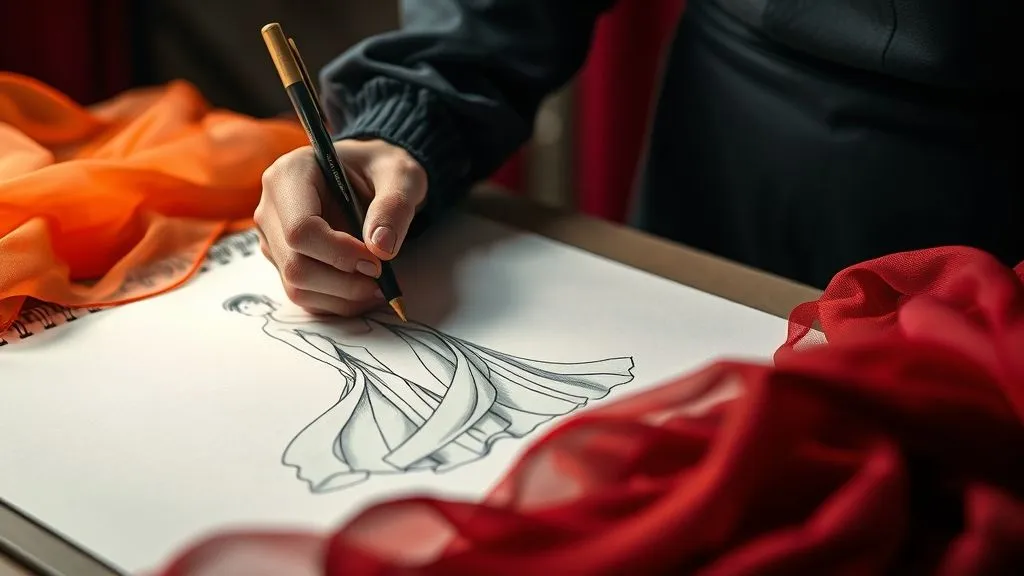
How to Effectively Communicate Fabric Drape and Movement in Costume Design Sketches?
For over two decades in the vibrant, demanding world of costume design, I've witnessed countless brilliant concepts fall flat not because of a lack of imagination, but a fundamental misunderstanding of how to bring those ideas to life on paper. The true magic of a costume isn't just in its silhouette or embellishments; it's in how the fabric behaves – how it falls, flows, and dances with the performer.
Many aspiring and even seasoned designers grapple with this challenge: their sketches, while beautiful, often present costumes as stiff, static garments, devoid of the dynamic life they’re meant to embody. This disconnect can lead to misinterpretations in the workshop, costly fabric choices, and ultimately, a costume that fails to tell its intended story. It’s a pain point I’ve seen hinder many promising careers.
In this definitive guide, I’ll share the actionable frameworks, time-tested techniques, and expert insights I’ve honed over years of working on stage and screen. You’ll learn not just what to draw, but how to effectively communicate fabric drape and movement in costume design sketches, transforming your flat illustrations into compelling visual narratives that capt resonate with directors, actors, and artisans alike.
Understanding the Language of Fabric: Beyond the Flat Pattern
Before you even pick up a pencil, a deep understanding of fabric itself is paramount. Each textile has its own unique “personality” – its inherent weight, stiffness, and fiber composition dictate how it will drape and move. Ignoring this fundamental truth is like trying to write a symphony without knowing the instruments.
The Core Principles of Drape
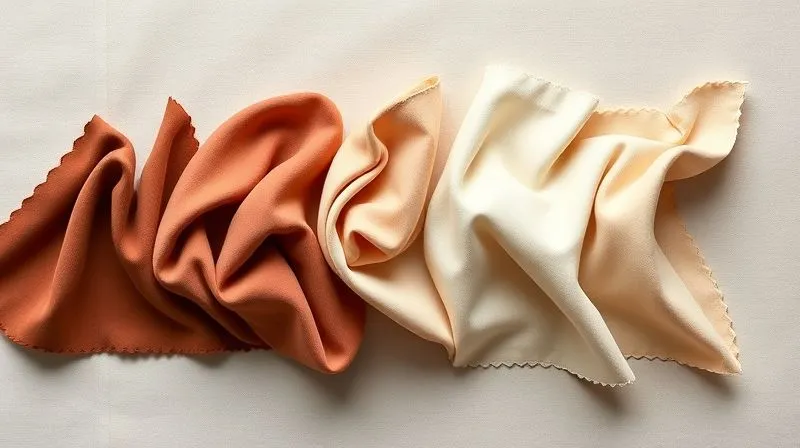
Drape is essentially how fabric hangs under its own weight. It’s influenced by fiber content (natural vs. synthetic), weave (plain, twill, satin), and finish. A heavy velvet will create soft, voluminous folds, while a crisp organza will stand away from the body with sharp, angular pleats. Think of fabrics as liquids: some are thick and syrupy, others light and watery.
- Weight: Heavier fabrics (wool, velvet) create larger, softer folds. Lighter fabrics (chiffon, silk) form smaller, more numerous ripples.
- Stiffness: Stiff fabrics (brocade, taffeta) hold their shape, forming defined angles and fewer folds. Fluid fabrics (jersey, rayon) cling and flow, creating complex, organic shapes.
- Elasticity: Stretchy fabrics (knits, spandex blends) will contour to the body and recover their shape, influencing how folds behave under tension.
Movement Dynamics: Anticipation and Follow-Through
Movement isn't static; it’s a dynamic process. When a performer moves, the fabric doesn’t just instantly follow. There’s an “anticipation” – a moment where the fabric resists or lags – and then a “follow-through” as it catches up, often creating a beautiful trailing effect. This is crucial for depicting life.
“A costume isn’t merely clothing; it’s a character in motion. The fabric’s drape and movement are its lines of dialogue, speaking volumes about the wearer’s status, emotion, and the world they inhabit.”
As animation guru Walt Stanchfield often emphasized, understanding the physics of motion is key to drawing anything that feels alive. This applies directly to fabric. Observe how a flag waves in the wind, how a skirt twirls, or how a cloak billows. These observations become your visual vocabulary.
Essential Tools & Techniques for Capturing Flow
Now that we’ve established the theoretical foundation, let’s dive into the practical application. Your drawing tools are extensions of your understanding, and mastering them is essential to effectively communicate fabric drape and movement in costume design sketches.
Pencil Strokes and Line Weight: Your First Allies
The quality of your line is your most powerful tool. It conveys texture, tension, and flow. A thin, delicate line suggests silk, while a thick, heavy line implies wool or velvet. Varying your line weight within a single fold can show depth and shadow.
- Start with Gesture: Begin your fabric rendering with loose, sweeping lines that capture the overall direction and energy of the drape, not individual folds.
- Vary Line Pressure: Press harder for areas where fabric is taut or in deep shadow; lighten your touch for soft, flowing edges or areas catching light.
- Use Broken Lines: For very light or transparent fabrics, broken or dashed lines can suggest sheerness and delicate movement without over-defining.
- Directional Strokes: Ensure your pencil strokes follow the direction of the fabric’s weave and drape, reinforcing the illusion of texture and flow.
Mastering Folds: The Seven Basic Types
Every complex drape is built from a combination of basic fold types. Learning these is like learning the alphabet of fabric. According to artist and instructor Burne Hogarth, there are primarily seven types of folds:
- Pipe Folds: Cylindrical, often seen in heavy fabrics hanging vertically.
- Diaper Folds: Radial folds emanating from a single point of tension.
- Spiral Folds: Twisting folds, common in sleeves or fabric wrapped around a form.
- Half-Lock Folds: A combination of pipe and diaper, where folds converge.
- Zig-Zag Folds: Sharp, angular folds often seen in stiff, crumpled fabric.
- Drop Folds: Simple, gravity-driven folds in unsupported fabric.
- Inert Folds: Folds in fabric at rest, often subtle and irregular.
Practice drawing these individually, then combine them to create more complex, realistic drapes. A deep pleat on a skirt might start as a pipe fold and transition into a diaper fold where it gathers at the waist.
The Art of Light and Shadow: Sculpting Form and Volume
Light and shadow are the sculptors of your sketch. They transform flat shapes into three-dimensional forms, giving weight, texture, and depth to your fabric. Without them, even the most accurately drawn folds will appear lifeless.
Directional Lighting and Its Impact
Always consider your light source. Is it coming from above, below, the side? A consistent light source will create believable highlights and shadows that define the curves and recesses of your fabric. This is where the fabric truly gains volume.
For instance, a strong side light will emphasize the edges of folds, creating dramatic contrasts that make the fabric “pop.” Conversely, diffused light will create softer transitions, perfect for delicate, flowing materials like chiffon.
Using Value to Define Depth
Value refers to the lightness or darkness of a tone. In fabric rendering, a wide range of values is crucial. Highlights occur where the fabric catches the most light, mid-tones define the general surface, and shadows recede into the deepest parts of the folds. Reflective fabrics will have sharper highlights and darker shadows, while matte fabrics will show a more subtle value range.
| Fabric Type | Light Effect | Movement Depiction |
|---|---|---|
| Silk Charmeuse | Sharp highlights, soft reflective shadows, high contrast | Fluid, shimmering ripples, exaggerated curves |
| Heavy Wool Twill | Subtle highlights, deep, soft shadows, low reflectivity | Voluminous, slow-moving folds, defined weight |
| Crisp Cotton Poplin | Clear highlights, distinct, angular shadows, medium contrast | Stiff, geometric pleats, holds shape well |
| Chiffon | Translucent highlights, ethereal, soft-edged shadows, minimal contrast | Light, airy, transparent layers, delicate undulations |
By carefully rendering these values, you communicate not only the form of the fabric but also its texture and the type of material it is. This is a fundamental skill for anyone looking to effectively communicate fabric drape and movement in costume design sketches.
Incorporating Movement: The Illusion of Life
Beyond static drape, the true challenge lies in depicting movement. This is where your sketches transcend mere representation and begin to tell a story, implying action and emotion.
Gestural Drawing for Dynamic Poses
Before drawing the costume itself, start with a dynamic gesture drawing of the figure. This captures the energy and direction of the movement. The fabric will then follow this underlying energy. If the figure is leaping, the fabric should trail behind, showing the force and direction of the jump. If they are turning, the fabric should swirl.
- Action Lines: Use sweeping, curved lines to indicate the primary direction of movement.
- Drag Lines: Show how fabric lags behind or is pulled by the body’s motion.
- Compression and Stretch: Where fabric is compressed (e.g., at a bent elbow), folds will be denser; where it stretches (e.g., over a raised knee), it will be tauter.
Anticipating Motion: Wind, Gravity, and Action
Consider the forces acting on the fabric. Is there wind? Is the character running, jumping, or dancing? Gravity is always at play, pulling fabric downwards, but motion can temporarily defy or manipulate it. A cape caught in a gust of wind will billow outwards, creating dramatic, sweeping lines. A performer’s spin will cause a skirt to flare centrifugally.
“The human body is the engine of the costume. To depict fabric movement convincingly, you must first understand the kinetic energy of the figure beneath it.”
This anticipation of motion is what gives your sketches life. It’s the difference between a costume simply hanging on a body and one actively participating in a scene. For more insights on the dynamics of movement, I often refer to resources on animation principles, which offer incredible lessons on depicting motion. Explore the 12 Principles of Animation here.
Color and Pattern: Enhancing the Visual Story
While often thought of as purely aesthetic elements, color and pattern play significant roles in how fabric drape and movement are perceived in your sketches. They can either enhance or detract from the illusion of form and flow.
Color's Role in Perceived Weight and Flow
Darker, saturated colors tend to make fabrics appear heavier and more substantial, even if the actual material is light. Conversely, lighter, desaturated colors can make fabrics seem more ethereal and delicate. A deep burgundy velvet will appear to have more weight than a pale pink chiffon, regardless of how you draw their folds. Use this psychological effect to your advantage.
How Patterns Distort or Enhance Drape
Patterns can be a double-edged sword. A pattern, especially a geometric one, will distort as the fabric drapes and moves. This distortion, if accurately rendered, can powerfully reinforce the three-dimensional form of the fabric. However, if drawn flatly, it can flatten your entire rendering, making the fabric appear like a cardboard cutout.
Observe how stripes curve around a form or how a floral motif stretches and compresses in a gathered area. This attention to detail is crucial for creating a believable illusion of depth and movement. 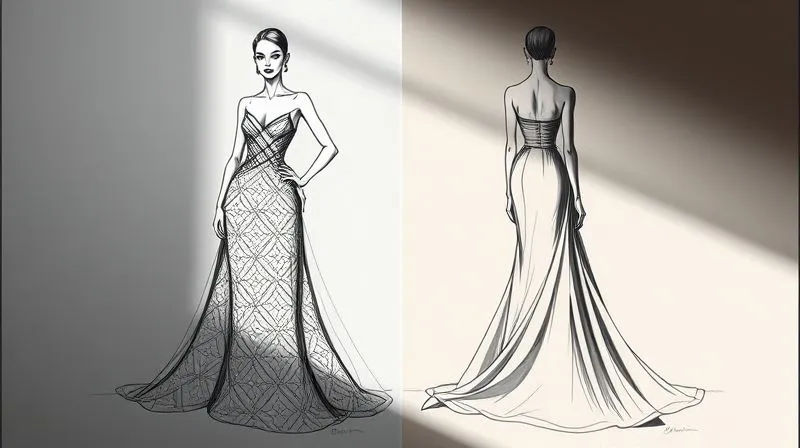
Digital vs. Traditional: Leveraging Each Medium's Strengths
Whether you prefer the tactile sensation of pencil on paper or the limitless possibilities of digital tools, both mediums offer unique advantages for rendering fabric drape and movement. The key is to understand and leverage their strengths.
Traditional Mediums: Ink, Watercolor, Pastels
Traditional mediums excel in capturing organic textures and nuanced blends. Watercolor, with its fluid nature, is superb for depicting flowing fabrics like silk and chiffon, allowing for soft transitions and transparent layers. Inks can provide crisp, expressive lines that define tautness and sharp folds. Pastels offer a beautiful way to render the soft, velvety texture of heavier fabrics, building up subtle layers of color and light.
The beauty of traditional mediums lies in their inherent imperfections and the unique character each stroke imparts. Experiment with different papers and brushes to discover how they react to various fabrics.
Digital Tools: Procreate, Photoshop, Clip Studio Paint
Digital platforms offer unparalleled flexibility, undo capabilities, and an endless array of brushes that can mimic any traditional medium. Layers allow you to experiment with different lighting scenarios or fabric patterns without committing. Pressure-sensitive pens are invaluable for varying line weight and opacity, crucial for rendering delicate drapes.
Many digital artists leverage custom brushes that simulate fabric textures, simplifying the rendering process. While the tools are different, the underlying principles of understanding light, shadow, and form remain identical. For excellent digital rendering tutorials, I often recommend resources from respected digital art communities. Check out ArtStation Learning for digital art tutorials.
Case Study: Bringing “The Whispering Gown” to Life
How a Designer Mastered Drape for a Challenging Production
Meet Anya, a talented costume designer working on a period drama set in a windswept coastal town. Her key challenge was “The Whispering Gown” for the lead actress – a crucial garment meant to convey vulnerability, mystery, and the constant presence of the ocean breeze. Anya initially struggled; her sketches, though elegant, depicted the gown as beautiful but stiff, failing to capture the ethereal, flowing quality she envisioned.
I advised Anya to re-approach her process. First, she spent days observing various fabrics (chiffon, thin silk, delicate linen) in different wind conditions, sketching their movement from life. She focused on the gestural lines of the fabric, not just the folds. Then, she meticulously applied the principles of light and shadow, using softer, diffused values to suggest the gown’s delicate translucency, rather than sharp contrasts.
By incorporating the “anticipation of motion” – drawing the fabric as if caught in an unseen breeze, with subtle drag lines and trailing edges – her sketches transformed. The director was immediately captivated, seeing the gown not just as a costume, but as a living, breathing element of the scene. This resulted in a costume that not only looked stunning but also perfectly communicated the character’s inner turmoil and connection to her environment, proving the power of effectively communicating fabric drape and movement in costume design sketches.
Advanced Techniques and Common Pitfalls to Avoid
As you refine your skills, there are advanced nuances to explore and common mistakes that can still trip up even experienced designers.
Observing Real-World Fabric: A Daily Practice
The single most impactful “advanced technique” is consistent, mindful observation. Look at the clothes people wear, the curtains in your home, a tablecloth. Notice how different fabrics behave. How does denim crease versus silk? How does light interact with velvet versus cotton? Keep a sketchbook dedicated solely to fabric studies. This continuous learning will enrich your visual library and make your renderings instinctively more accurate.

The Trap of Stiff Lines and Flat Surfaces
A common pitfall is drawing fabric with overly stiff, uniform lines, making it appear rigid and unyielding. Fabric is organic; its lines should reflect that. Avoid drawing every fold with the same intensity or thickness. Another mistake is failing to define the underlying form of the body, which leads to fabric that looks like it's floating rather than draped over a human shape.
Remember, the fabric is always responding to gravity and the form beneath it. Even a voluminous skirt has an implied structure. Always start with the body’s gesture and form, then allow the fabric to drape naturally over it. For deeper dives into textile history and properties, academic resources are invaluable. Explore the Metropolitan Museum of Art's Costume Institute archives.
Frequently Asked Questions (FAQ)
How do I practice drawing different fabric textures? The best way is direct observation. Gather various fabric swatches – silk, denim, velvet, lace – and drape them in different ways. Experiment with various lighting conditions. Use different drawing mediums to capture their unique qualities. For instance, cross-hatching for denim, soft blending for velvet, and delicate lines for lace.
Is it better to draw the figure first or the costume? Always start with the figure’s gesture and basic form. The costume exists on and moves with the body. Establishing the underlying anatomy and pose first ensures that the fabric drapes realistically and responds correctly to the figure’s movement, making it easier to effectively communicate fabric drape and movement in costume design sketches.
How can I make sheer fabrics look transparent in my sketches? For sheer fabrics, use very light, broken lines for the outlines and minimal shading. Show the underlying form of the body or other layers of fabric through the sheer material. Use subtle variations in opacity, making areas where the fabric overlaps slightly darker to suggest multiple layers. Highlights on sheer fabric should be delicate and ethereal.
What’s the quickest way to improve my fabric rendering skills? Consistent practice and observation are key. Dedicate 15-30 minutes daily to sketching fabric from life. Pay attention to how light hits different textures and creates folds. Focus on understanding the “why” behind the drape – the underlying forces of gravity, tension, and movement.
Should I use references for every sketch? Absolutely. Even the most experienced designers use references. Collect a library of images of different fabrics, historical costumes, and figures in dynamic poses. While you don’t want to copy directly, references provide invaluable information on how fabric behaves in various scenarios, helping you to accurately communicate fabric drape and movement in costume design sketches.
Key Takeaways and Final Thoughts
Mastering the art of depicting fabric drape and movement is not merely a technical skill; it’s an act of empathy and storytelling. It’s about understanding that a costume is a living, breathing entity, intrinsically linked to the character and the narrative.
- Understand Fabric Physics: Know your textiles’ inherent properties.
- Master Line & Value: Use varied line weight and a full range of values to define form and texture.
- Embrace Gesture: Start with the figure’s movement, then let the fabric follow.
- Observe Relentlessly: The real world is your best teacher for how fabric behaves.
- Leverage Your Medium: Whether traditional or digital, understand your tools’ strengths.
- Practice the Principles: Folds, light, shadow, and movement are your foundational elements.
I encourage you to approach your next costume sketch with these principles in mind. Don’t just draw a dress; draw a story. Let the fabric speak, let it flow, let it dance. Your ability to effectively communicate fabric drape and movement in costume design sketches will not only elevate your designs but also establish you as a truly perceptive and skilled artist in this extraordinary field. Keep observing, keep sketching, and let your costumes come alive on the page!
Recommended Reading
- 7 Proven Strategies to Boost Handmade Hair Accessory Profit Margins
- The Secret to Reviving Second-Day Curls Without a Wash: An Expert Guide
- Bespoke Jewelry Design: Your Ultimate Guide to Getting Started
- Unlock Your Vision: The Ultimate Steps to Innovative Fashion Photography Styling
- 7 Steps to Zero Waste: Design Clothing Patterns, Eliminate Fabric Waste

Your email address will not be published. Required fields are marked *