

How to design costumes showing subtle character development shifts?
For over two decades in the demanding world of costume design, I've witnessed firsthand the profound impact that a meticulously crafted wardrobe can have on a character's journey. It's not just about dressing a performer; it's about giving life to a narrative, breathing silent dialogue into every stitch and seam. I've seen productions elevate their storytelling exponentially when costumes evolve alongside their characters, and conversely, I've seen brilliant performances fall flat when the visual narrative of clothing remains static.
The real challenge, and where true mastery lies, isn't in designing a dramatically different outfit for a completely new persona. It's in the delicate art of showing subtle character development shifts – those nuanced changes that reflect internal growth, emotional turmoil, or burgeoning confidence without a single spoken word. Many designers struggle to move beyond 'costume changes' to 'costume evolution,' often resulting in missed opportunities to deepen the audience's connection to the story.
In this definitive guide, I will share the frameworks, techniques, and expert insights I've honed over years of practice. You'll learn how to approach script analysis with a costume designer's eye, leverage the silent language of fabric, color, and silhouette, and employ minute details to craft a visual journey that resonates deeply with your audience. We'll explore actionable strategies for how to design costumes showing subtle character development shifts, ensuring your designs are not just seen, but felt.
The Unseen Language of Fabric: Why Subtle Shifts Matter
Imagine a character who begins as timid and withdrawn, slowly blossoming into someone confident and assertive. If their costume remains identical throughout this arc, a crucial layer of storytelling is lost. The audience, often subconsciously, relies on visual cues to understand character progression. Subtle shifts in costume act as visual anchors, grounding the character's internal world in their external presentation.
Beyond the Obvious: Decoding Non-Verbal Cues
Costumes are a silent dialogue between the character and the audience. Every choice, from the weave of the fabric to the way a garment hangs, communicates something about the character's economic status, emotional state, social role, and personal journey. When these elements subtly change, they reflect the character's evolving identity in a way that dialogue alone often cannot achieve.
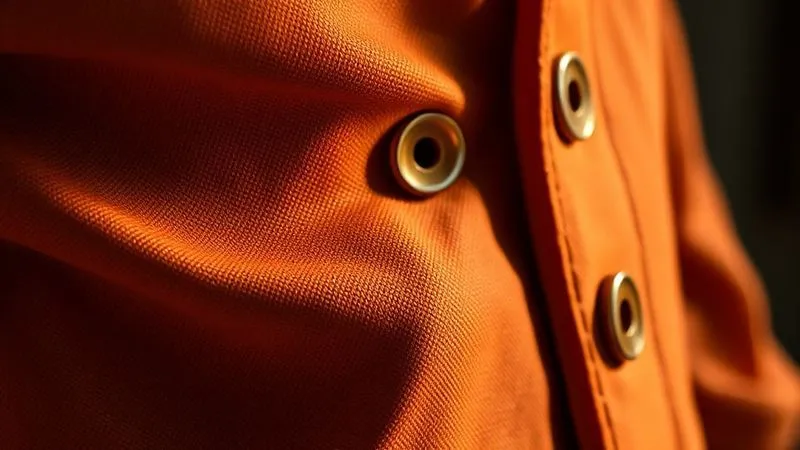
A costume isn't just clothing; it's a character's second skin, a living diary of their journey. It speaks volumes without uttering a single word.
This subconscious perception is incredibly powerful. The audience might not consciously register, 'Ah, the hem of her skirt is now slightly shorter, signifying her newfound freedom!' But they will *feel* the shift. They will register a subtle change in energy, confidence, or vulnerability, contributing to a richer, more immersive narrative experience. This is the essence of how to design costumes showing subtle character development shifts effectively.
The Foundational Pillars: Script Analysis and Character Arc Mapping
Before a single sketch is drawn or a swatch of fabric is considered, the most critical step is an exhaustive understanding of the script and the character's complete arc. Without this deep dive, any costume choices will lack the necessary foundation to convey subtle development.
Step 1: Deep Dive into the Narrative Arc
I've seen countless designers jump straight to aesthetics, only to realize later their choices don't align with the story's emotional beats. My process always begins here:
- Read the Script Multiple Times: First, for pure enjoyment. Second, for plot and pacing. Third, specifically for your character – their actions, reactions, dialogue, and how others perceive them.
- Identify Key Turning Points: Pinpoint the exact moments where the character undergoes a significant internal or external change. These are your 'costume change' markers, even if the change is imperceptible to the casual eye.
- Understand Character Motivations and Obstacles: What does your character want? What's stopping them? How do these desires and struggles manifest in their personality and outward presentation?
Step 2: Character Arc Mapping Matrix
To systematically track changes, I often employ a 'Character Arc Mapping Matrix.' This isn't just a list; it's a visual tool that allows you to see the evolution across the narrative timeline. It helps you decide how to design costumes showing subtle character development shifts at each stage.
| Scene/Act | Character State | Key Costume Elements |
|---|---|---|
| Act 1 Start | Naive, Hopeful, Restrained | Bright but simple dress, slightly too formal, hair neatly pinned. |
| Mid-Act 2 Turning Point | Disillusioned, Resilient, Practical | Muted tones, slightly worn texture, a missing button, hair slightly disheveled. |
| Act 3 Resolution | Wise, Empowered, Self-Assured | Rich, structured fabric, a new, subtle, meaningful accessory, hair worn with natural confidence. |
Your costume design should be a visual echo of the character's internal monologue, a silent narration of their growth and struggles.
This matrix becomes your blueprint, guiding every decision about fabric, color, fit, and accessories, ensuring a cohesive and evolving visual narrative.
The Palette of Progression: Color, Texture, and Silhouette
These three elements are the bedrock of subtle costume evolution. They allow for changes that are felt rather than explicitly stated, making them invaluable when considering how to design costumes showing subtle character development shifts.
Color Theory for Emotional Evolution
Color is perhaps the most direct emotional communicator in costume. A character's palette can shift dramatically or subtly to reflect their internal state.
- Shifting Hues: A bright, optimistic yellow might gradually fade to a dull mustard as hope wanes, or a cool, reserved blue might warm to an inviting teal as a character opens up.
- Saturation and Value: A highly saturated color can lose its vibrancy, becoming desaturated and muted as a character experiences trauma or depression. Conversely, a character emerging from a dark period might see their wardrobe gain richness and depth.
- Symbolic Colors: A character initially dressed in pure white (innocence) might introduce a thread of grey (moral ambiguity) or a splash of red (passion/anger) as their journey unfolds.
Understanding the psychological impact of color is crucial. For further reading, explore articles on color psychology in design and emotion.
Texture as a Tactile Storyteller
The feel and appearance of fabric texture can convey a wealth of information about a character's journey. Is their world becoming harsher or softer? Are they building defenses or becoming more vulnerable?
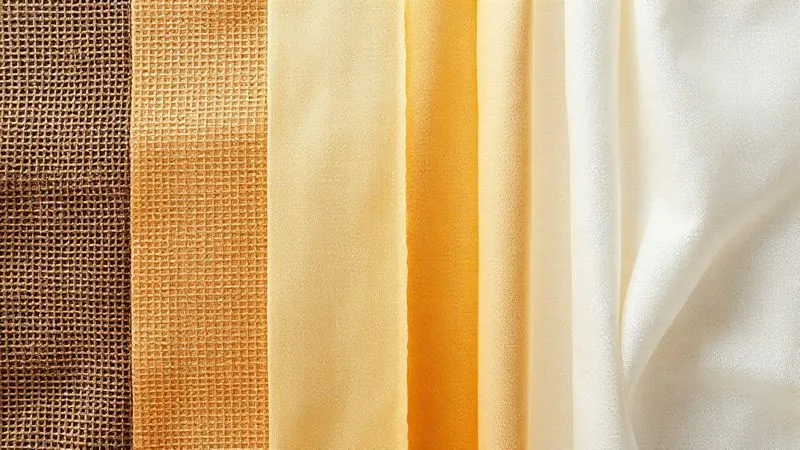
- Rough to Smooth: A character initially clad in coarse, protective fabrics (like tweed or heavy canvas) might transition to softer, more flowing materials (silk, linen) as they shed their defenses or find comfort.
- Stiff to Supple: Rigid, structured fabrics (heavy wool, starched cotton) can indicate a character's inflexibility or adherence to societal norms. As they break free, their clothing might adopt more fluid, draping qualities.
- Pattern Evolution: A character in busy, restrictive patterns might move to simpler, more organic designs, or vice-versa, reflecting increasing complexity or newfound clarity.
Silhouette and Form: Changing Perceptions
The overall shape and fit of a costume are powerful indicators of a character's presence, confidence, and internal state. These are fundamental considerations for how to design costumes showing subtle character development shifts.
- Constricted to Expansive: A character who feels trapped or insecure might wear clothing that is too tight, ill-fitting, or physically restrictive. As they gain agency, their silhouette might become more relaxed, open, or deliberately powerful.
- Slouchy to Upright: A character lacking purpose might have clothing that sags or is oversized, reflecting their lack of definition. As they find their footing, their garments might become more tailored, crisper, and more assertive.
- Asymmetry and Balance: A shift from perfectly symmetrical, balanced clothing to a slightly asymmetrical detail (a draped scarf, an uneven hem) can suggest a character embracing individuality or navigating a period of internal disequilibrium.
The Devil in the Details: Accessories, Wear, and Repair
While broad strokes of color and silhouette are important, it's often the minute details that truly sell the subtle character development shifts. These are the elements the audience might not consciously register but will profoundly feel.
The Power of the Prop and Accessory
Accessories are extensions of a character's identity. Their appearance, disappearance, or modification can speak volumes.
- Symbolic Objects: A character might start with a cherished locket, only to discard it as they shed an old identity, or acquire a new, significant piece of jewelry as a symbol of newfound strength.
- Practical to Ornamental: A character's utilitarian bag might transform into a more elegant clutch as their social standing or self-perception changes.
- Subtle Modifications: A simple pair of glasses might be replaced with a bolder frame, or a plain scarf might gain an embroidered detail, signifying a growing sense of self-expression.
The Patina of Life: Wear and Tear
The way a costume ages can be an incredibly potent visual metaphor for a character's journey. Life leaves its marks, and so should clothing.
Authenticity isn't always about pristine; it's often about the lived-in, the battle scars, and the subtle signs of a journey traversed.
- Fraying and Fading: A crisp collar might begin to fray, or a vibrant fabric might subtly fade, reflecting hardship, the passage of time, or a character's emotional exhaustion.
- Scuffs and Stains: A character embarking on a difficult journey might acquire subtle scuffs on their boots or faint stains on their outerwear, indicating their trials without needing explicit dialogue.
- Creases and Wrinkles: A character who was once meticulously put-together might begin to show more wrinkles or creases in their clothing, mirroring a loosening of control or an increase in internal stress.
Mastering aging techniques is an art in itself. Resources like articles on costume distressing and aging can provide valuable insights.
Subtle Repairs and Alterations
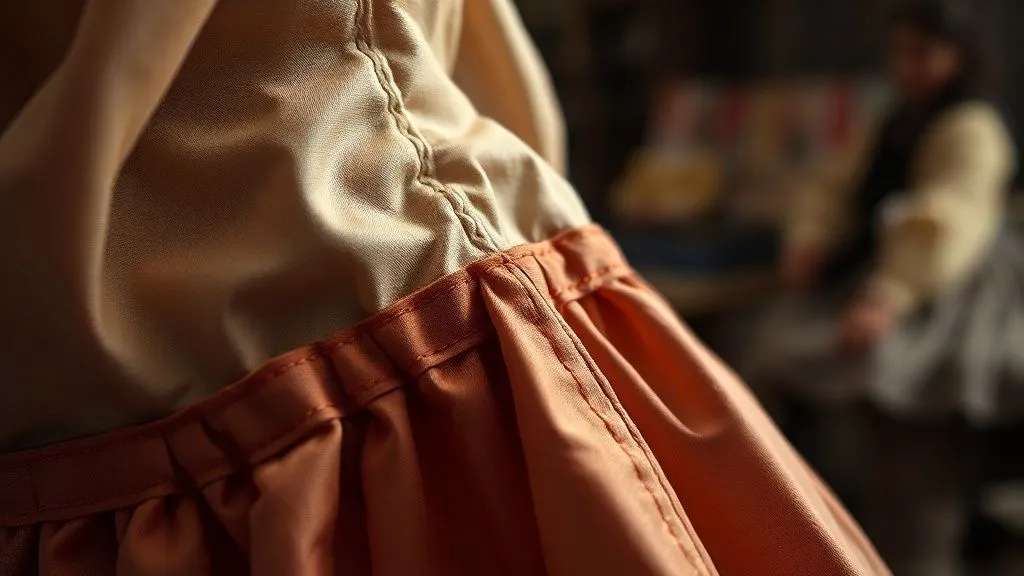
Even a mend can tell a story. A small patch, a re-stitched seam, or a hem taken up or let down can signify resilience, resourcefulness, or a changing perspective on one's place in the world.
- A character who once relied on others might mend their own garment, signifying newfound independence.
- An alteration to a garment's fit can show a character either growing into themselves or attempting to hide.
The Art of Layering and Unlayering: Revealing and Concealing
Layering is a dynamic tool for demonstrating character evolution. It allows for visual metaphors of protection, vulnerability, identity, and transformation. It’s a prime example of how to design costumes showing subtle character development shifts.
A character might begin heavily layered, signifying emotional guardedness or conformity, and slowly shed these layers as they become more vulnerable, open, or authentic. Conversely, a character might add layers as they build defenses, adopt a new persona, or gain status.
Case Study: Eleanor's Ascent
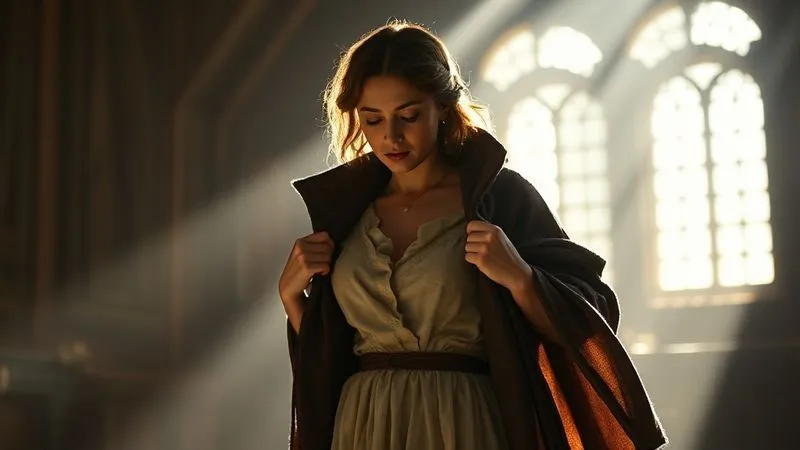
Consider Eleanor, a young woman in a historical drama who starts as a timid, sheltered governess. Her initial costume consists of a restrictive, high-collared dress, muted in color, perpetually covered by a heavy shawl and a modest bonnet. She is literally and figuratively weighed down and concealed by her clothing.
As Eleanor discovers a hidden strength and begins to challenge the oppressive norms of her household, her costume subtly shifts. The shawl might be discarded in moments of defiance, revealing more of her form. The heavy fabric of her dress might be replaced by a slightly lighter weave, or a small, almost imperceptible floral pattern might appear, hinting at burgeoning life. Later, as she finds her voice and strikes out on her own, her bonnet might be replaced by a simpler, more confident hairstyle, and her dress might feature a slightly more open neckline or a bolder, richer color in the same family, like a deep forest green replacing a drab olive. She still wears period-appropriate clothing, but the restrictive layers are gone, replaced by garments that allow for movement and expression. This gradual unveiling is a powerful visual metaphor for her journey from confinement to liberation.
This approach highlights the importance of understanding character archetypes and their visual representations to inform these subtle shifts.
The Environmental Influence: How Surroundings Shape Wardrobe
A character's environment is a constant, subtle force shaping their choices, including their clothing. Ignoring this connection is a significant oversight when considering how to design costumes showing subtle character development shifts.
- Geographic Shifts: A character moving from a rural, practical setting to a bustling, fashionable city will naturally adapt their wardrobe, even if their core personality remains. These adaptations, however, can be infused with their internal state. Do they embrace the new fashion eagerly or reluctantly?
- Socio-Economic Changes: A rise or fall in fortune will inevitably affect a character's clothing. The subtle shift here is in how they wear it. Does newfound wealth make them uncomfortable, leading to ill-fitting expensive clothes? Or do they embrace it, perhaps with a slight awkwardness that betrays their origins?
- Period and Cultural Context: While the overall period dictates the style, a character's personal evolution can be shown within those constraints. A rebellious character in a conservative era might wear slightly unconventional fabrics or a bolder accessory choice that pushes the boundaries of the time.
These external pressures and internal responses provide fertile ground for subtle costume storytelling.
Collaboration is Key: Working with Directors and Actors
Costume design is never a solitary endeavor. The most successful subtle character developments in costume arise from deep collaboration. This is fundamental to understanding how to design costumes showing subtle character development shifts that truly resonate.
Aligning Vision with the Director
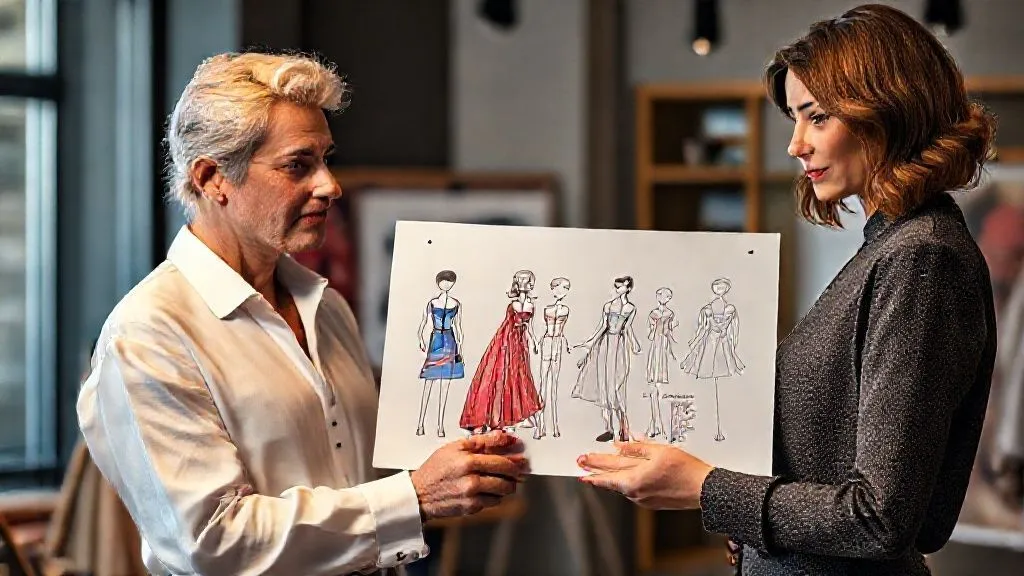
My first step after script analysis is a detailed discussion with the director. We delve into their vision for each character's arc, identifying key emotional beats and potential visual metaphors. I present my initial ideas for how costumes might evolve, listening intently to their feedback and adjusting my approach to align with the overall directorial vision. It's a continuous dialogue, ensuring that the costume narrative supports and enhances the broader storytelling.
Empowering the Actor's Performance
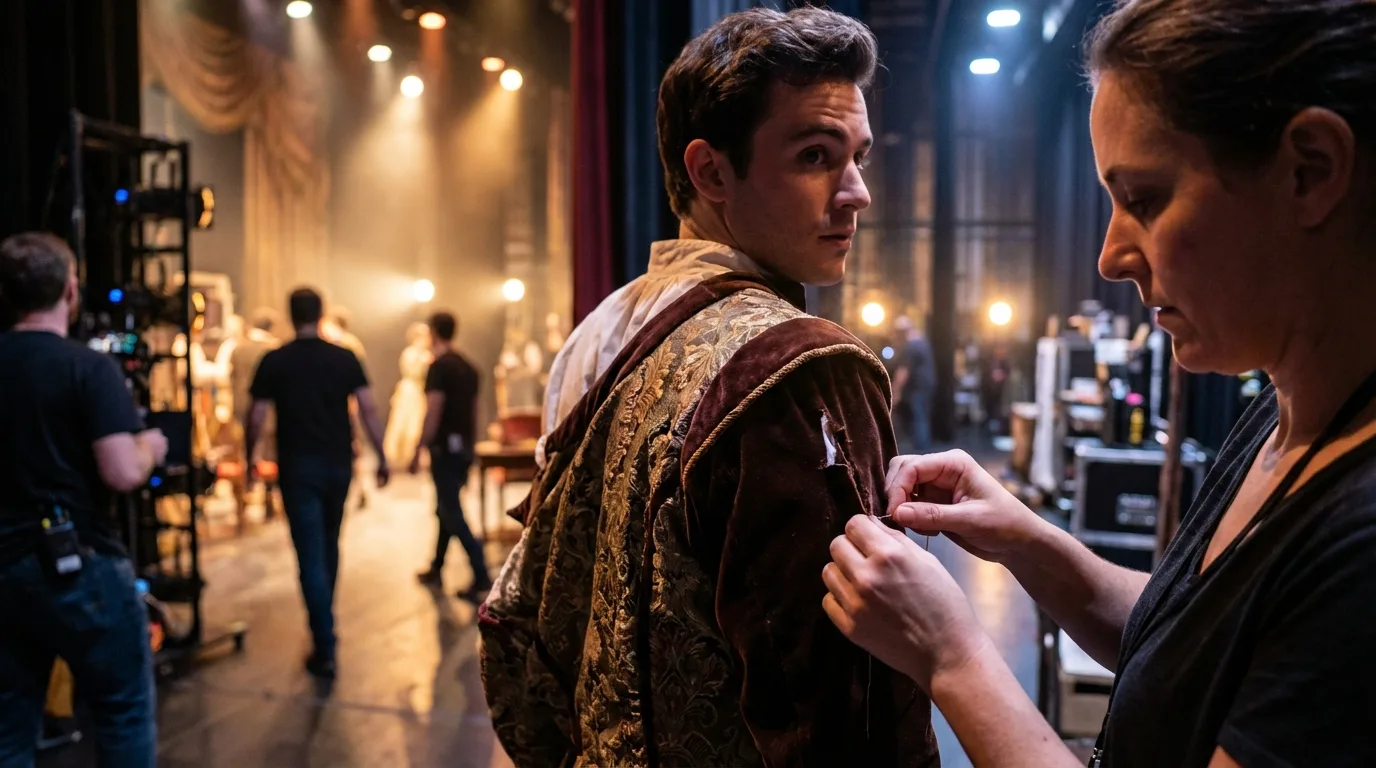
Actors are often the most insightful collaborators. They live and breathe the character. During fittings, I encourage actors to move, to inhabit the clothing, and to share how it makes them feel. A costume that feels restrictive might inform a character's initial shyness, while a garment that allows for fluid movement might empower a character's growing confidence. Listening to an actor's feedback on how the fabric, fit, or weight of a garment impacts their physicality can lead to invaluable insights for refining those subtle shifts.
Avoiding Pitfalls: Overstatement vs. Understatement
The line between subtle and obvious is incredibly fine. The goal of how to design costumes showing subtle character development shifts is to evoke, not to declare. Overstatement can pull an audience out of the story, making the costume feel like a blunt instrument rather than a nuanced tool.
- Don't Hit the Audience Over the Head: If a character becomes 'evil,' don't immediately put them in all black with sharp angles. Think about the gradual darkening of their existing palette, a slight change in the fabric's sheen, or a subtle, almost imperceptible stiffening of their silhouette.
- Focus on Emotional Resonance, Not Just Plot Points: A costume change should reflect an internal shift, not just a new scene. Ask yourself: 'What is the character *feeling* at this moment, and how can their clothing whisper that feeling?'
- Embrace Imperfection: Sometimes, a subtle shift is about what's *missing* or what's slightly *off*. A button undone, a hair out of place, a slightly mismatched accessory – these small imperfections can speak volumes about a character's state.
The most profound costume transformations are often the ones the audience feels, rather than explicitly sees. They contribute to a deeper, more immersive understanding of the character's soul.
Frequently Asked Questions (FAQ)
How do I balance historical accuracy with character development? This is a common challenge. My approach is to first establish the historically accurate baseline. Then, within the accepted silhouettes, fabrics, and colors of the period, look for opportunities for subtle variation. A character's individual expression might come through in the quality of the fabric, the way they wear an accessory (perhaps slightly askew), or the specific shade of a color rather than a completely anachronistic choice. Research how real people of that era expressed individuality within their societal constraints.
What if the character's development is non-linear? Non-linear character arcs are fascinating and offer unique costume opportunities. In such cases, your costume development might also be non-linear. Use specific garments or elements as 'anchors' that reappear, but with subtle alterations each time, reflecting the character's shifting perspective on their past. For instance, a beloved coat might be pristine, then worn, then repaired, then pristine again but with a new, subtle, personalized detail. The key is consistency in the 'why' behind the shifts, even if the progression isn't strictly forward.
How do you handle a large ensemble cast with subtle changes? For ensembles, focus on defining clear visual 'families' for groups or archetypes. Then, apply the principles of subtle change to individual characters within those families. For instance, all factory workers might wear similar uniforms, but one character's uniform might develop a unique, carefully sewn patch, or another's might show more wear and tear, reflecting their personal journey or status within the group. The overall palette and texture of the ensemble can also evolve collectively to reflect the changing mood of the community.
Can costume changes be too subtle to be noticed? Yes, absolutely. There's a balance. The 'subtle' shifts should be noticeable enough to contribute to the overall visual narrative, even if the audience can't articulate exactly what changed. The best way to test this is in rehearsals or early screenings. Ask non-designers if they sense a shift in the character's presence or mood. If the change is truly invisible, it's not serving the story. It's about 'feeling' the change, not necessarily 'seeing' a drastic alteration.
What's the biggest mistake new designers make when trying to show character development? The most common mistake is making changes too literal or too sudden. Forgetting the 'subtle' part. If a character becomes wealthy, they don't instantly appear in a completely new, flashy wardrobe overnight unless there's a specific narrative reason for such a dramatic shift. True development is a process, and costumes should mirror that organic evolution. Another mistake is failing to document the costume progression meticulously, leading to inconsistencies. A detailed character arc matrix is your best friend here.
Key Takeaways and Final Thoughts
Mastering how to design costumes showing subtle character development shifts is a hallmark of an experienced and insightful designer. It elevates visual storytelling from mere aesthetics to profound narrative contribution.
- Deep Script Analysis: Begin with a thorough understanding of the character's arc and emotional journey.
- Strategic Use of Elements: Leverage color, texture, and silhouette to whisper changes rather than shout them.
- Power of Detail: Employ accessories, wear, and repair to add layers of authenticity and narrative depth.
- Dynamic Layering: Use the addition or subtraction of layers to symbolize internal shifts.
- Environmental Awareness: Let the character's surroundings subtly inform their wardrobe evolution.
- Collaborative Spirit: Work closely with directors and actors to ensure the costume vision aligns with the overall production.
- Embrace Subtlety: Avoid overt changes; aim for shifts that are felt rather than explicitly seen.
The art of costume design is a continuous journey of learning and refining. By embracing these principles, you'll not only create visually stunning costumes but also become a vital, silent storyteller, enriching every narrative you touch. Your designs will not just dress characters; they will bring them to life, evolving alongside them in the hearts and minds of the audience.
Recommended Reading
- 7 Steps: How to Audit Fashion Supply Chains for Ethical Compliance
- Best Leggings for Sweaty Workouts: Ultimate Comfort & Performance
- Safeguarding Haute Couture: 7 Strategies to Prevent Heritage Technique Erosion
- 7 Proven Strategies: Differentiating New Sandal Designs in a Saturated Market
- 7 Proven Strategies: Attracting Younger UHNW to Haute Couture Collections

Your email address will not be published. Required fields are marked *