


Designing Kids Clothes That Withstand Active Play Yet Stay Stylish?
For over 15 years in the dynamic world of kids' fashion, I've witnessed a recurring frustration among both designers and parents. We're constantly caught between the desire for adorable, on-trend children's wear and the undeniable reality that kids are, well, kids – miniature whirlwinds of energy, curiosity, and boundless activity.
The problem is stark: parents invest in cute outfits only to see them succumb to rips, tears, and fading after just a few rough-and-tumble play sessions. This leads to a cycle of constant replacement, financial strain, and an escalating environmental footprint from discarded garments. The challenge of designing kids clothes that withstand active play yet stay stylish? It's not just a design brief; it's a plea from the trenches of parenthood and a critical benchmark for any brand aiming for true market relevance.
In this definitive guide, I'll pull back the curtain on my industry experience to offer you a robust framework. We'll explore actionable strategies, from material science and innovative construction to ergonomic design and sustainable practices, ensuring your kids' clothing lines can gracefully endure playground adventures while consistently turning heads for all the right reasons. Prepare to transform your design approach with insights that promise both resilience and undeniable charm.
The Unseen Battlefield: Understanding Kids' Play Dynamics
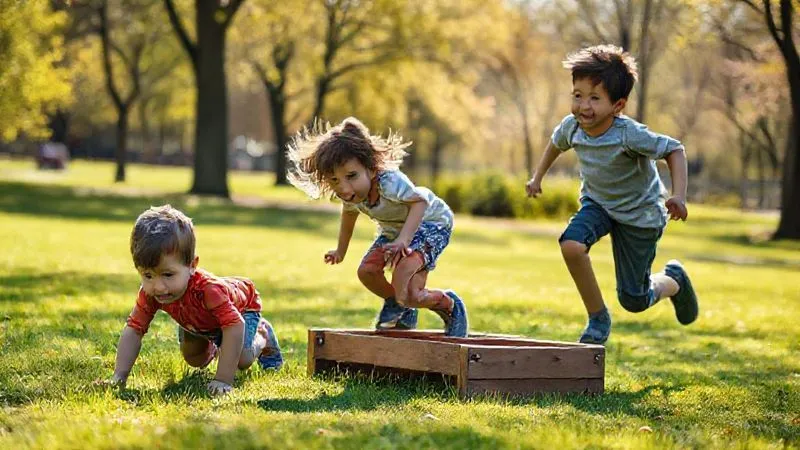
Before we even sketch a single design or select a fabric, we must intimately understand the 'user experience' of a child. Kids don't just wear clothes; they live in them, testing every seam, every fiber, and every fastener with an intensity that would make extreme sports gear blush. Ignoring this fundamental truth is the first step towards designing disposable fashion.
From Crawling to Cartwheels: Age-Specific Wear Points
The stress points on a garment shift dramatically with a child's developmental stage. A crawling infant puts immense pressure on knees and elbows, while a toddler mastering walking will challenge crotch seams and ankle cuffs. Older children, engaged in climbing, running, and jumping, will stress shoulders, armholes, and the entire garment structure.
- Infants (0-12 months): Knees, elbows, necklines (from pulling), diaper area (snaps, elastic).
- Toddlers (1-3 years): Crotch seams, knees, seat (from sitting/scooting), cuffs (from dirt/wear).
- Preschoolers (3-5 years): Knees, elbows, pockets (stuffing treasures), zippers (frequent use), general abrasion.
- School-Aged (6-12 years): Knees, elbows, shoulder seams (backpacks), high-impact areas during sports/active games.
Expert Insight: "Durability isn't a one-size-fits-all concept. It's about anticipating the unique physical demands each age group places on their clothing and designing with those specific challenges in mind. A truly durable garment is engineered for its intended wearer's lifestyle."
By dissecting these typical activities, we can strategically reinforce areas, select appropriate materials, and design silhouettes that accommodate movement without restriction or premature wear. This proactive approach is foundational to creating clothing that truly lasts.
Foundation First: Selecting High-Performance Fabrics
The journey to designing durable yet stylish kids' clothes begins and ends with fabric. The right material choice is paramount, dictating not only a garment's longevity but also its comfort, aesthetic appeal, and care requirements. It's a complex equation where technical performance meets sensory experience.
Natural vs. Synthetics: A Durability-Style Balancing Act
Both natural and synthetic fibers offer distinct advantages. Natural fibers like cotton are prized for their breathability, softness, and hypoallergenic properties, but can be prone to shrinking, wrinkling, and slower drying. Synthetics such as polyester and nylon excel in durability, moisture-wicking, and quick-drying, but can sometimes lack the natural feel or breathability.
- Assess Abrasion Resistance: Look for fabrics with high rub counts, crucial for knees and elbows.
- Evaluate Tear Strength: Essential for resisting rips from snags or rough play.
- Consider Stretch and Recovery: Lycra or spandex blends enhance freedom of movement and help garments retain shape.
- Prioritize Breathability and Comfort: Especially for active wear, to prevent overheating and skin irritation.
- Check Pilling Resistance: Fabrics that pill quickly look worn out, even if structurally sound.
- Verify Colorfastness: Resistance to fading from washing and sun exposure keeps clothes looking new.
Case Study: How 'EverPlay Apparel' Revolutionized Kids' Denim
EverPlay Apparel, a fictional but realistic brand, faced the common challenge of children's denim jeans wearing out at the knees within weeks. Traditional 100% cotton denim, while classic, couldn't keep up with playground demands. By implementing a strategic fabric innovation, they introduced a proprietary blend of 70% organic cotton, 28% recycled polyester, and 2% Lycra. The polyester significantly boosted abrasion resistance and tear strength, while the Lycra provided essential stretch for comfort and retained shape. This blend allowed them to maintain the beloved denim aesthetic while increasing garment lifespan by an average of 150%, leading to glowing parent reviews and a substantial boost in brand loyalty and sales. The result was a product that truly delivered on the promise of designing kids clothes that withstand active play yet stay stylish?
According to a report by WGSN, a leading trend forecasting company, material innovation, particularly in blends and performance finishes, is a key driver in the evolving children's wear market, directly addressing consumer demand for longevity and comfort.
| Fabric Type | Durability | Comfort | Style Versatility | Key Feature |
|---|---|---|---|---|
| 100% Cotton | Moderate | High | High | Breathable, Soft |
| Cotton Blend (e.g., Poly/Spandex) | High | High | High | Enhanced Strength, Stretch |
| Nylon | Very High | Moderate | Moderate | Water-resistant, Abrasion-resistant |
| Polyester Fleece | High | High | Moderate | Warm, Quick-drying, Anti-pill |
| Denim (Heavyweight) | High | Moderate to High | High | Classic, Sturdy |
Beyond the Seam: Innovative Construction Techniques for Longevity
Even the most advanced fabrics will fail if the garment's construction is subpar. The way a piece of clothing is assembled — its seams, reinforcements, and closures — is critical to its ability to withstand the rigors of active play. This is where meticulous engineering meets the art of design.
Reinforced Stitching and Strategic Paneling
Standard single-needle stitching simply won't cut it for high-wear areas. Designers must employ techniques that add strength without sacrificing flexibility or comfort.
- Flat-Felled Seams: These are incredibly strong, durable seams where the raw edges are enclosed, making them ideal for jeans and rugged outerwear. They lie flat against the skin, reducing irritation.
- Double-Stitching/Triple-Stitching: Using multiple rows of stitching, particularly on side seams, inseams, and armholes, dramatically increases tear resistance.
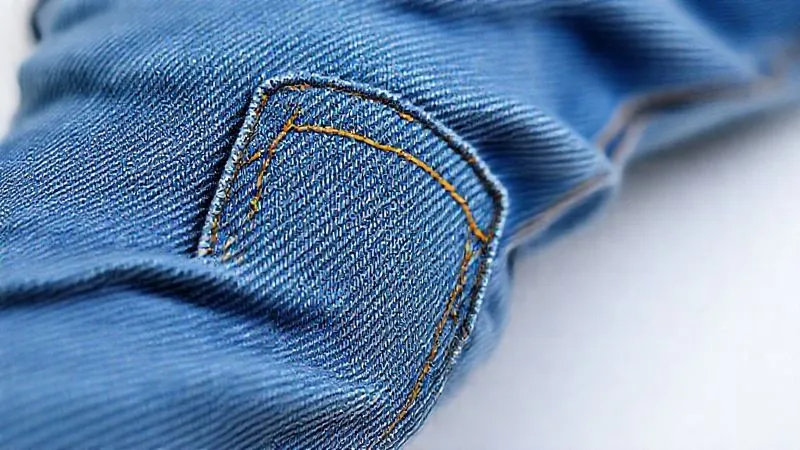
- Bar Tacks: Small, dense rows of zigzag stitches used to reinforce stress points like pocket corners, belt loops, and zipper fly ends.
- Gussets: Diamond-shaped or triangular pieces of fabric inserted into seams (e.g., crotch, underarms) to add strength and provide a wider range of motion without straining the fabric.
- Reinforced Knees/Elbows: Adding a second layer of fabric, often a more durable material, to these high-impact zones can extend the life of pants and tops significantly.
Smart Fasteners and Adjustable Features
Fasteners are often overlooked but are prime failure points. Cheap zippers, flimsy snaps, or weak buttons can quickly render a garment unwearable. Opt for:
- Heavy-Duty Zippers: YKK or similar quality, self-locking zippers that can withstand repeated use and resist breaking.
- Strong Snaps/Poppers: Metal or robust plastic snaps, securely attached, especially for infant wear and overalls.
- Adjustable Waistbands: Elastic with buttonhole tabs allows for growth and a snug fit, preventing pants from slipping down during play.
- Reinforced Buttonholes: Well-stitched buttonholes prevent fraying and tearing.
Ergonomics Meets Aesthetics: Design Principles for Active Wear
Durability without style is merely utilitarian. The true art of designing kids clothes that withstand active play yet stay stylish? lies in seamlessly integrating functionality with contemporary aesthetics. This means creating garments that not only last but also look good and feel great to wear.
Freedom of Movement: Cut, Fit, and Silhouette
Kids need clothes that move with them, not against them. Restrictive designs can tear more easily and hinder play, leading to frustration. Key considerations:
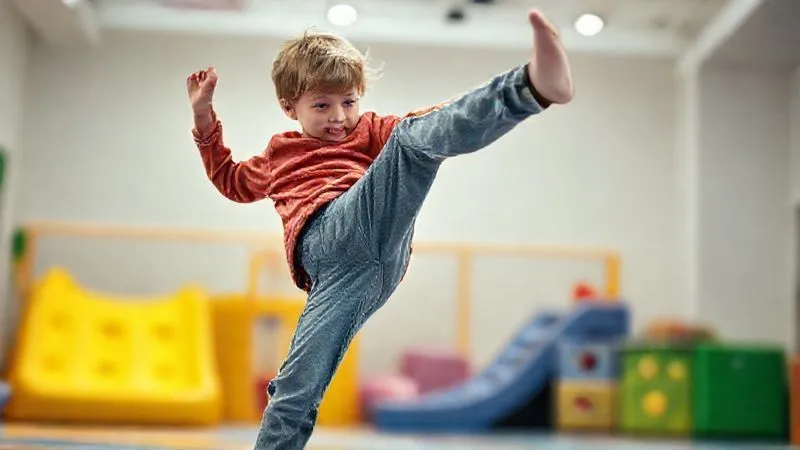
- Generous Cut: Ensure enough room in the shoulders, armholes, and crotch. Avoid overly tight fits for active wear.
- Raglan Sleeves: Offer greater freedom of arm movement compared to set-in sleeves, reducing stress on shoulder seams.
- Articulated Knees/Elbows: Pre-shaped or darted areas that mimic the natural bend of the joints, enhancing comfort and preventing fabric strain.
- Layering Potential: Design pieces that can be easily layered, offering versatility and adapting to varying activity levels and temperatures.
Colorfastness and Print Durability
Vibrant colors and playful prints are hallmarks of kids' fashion, but they must endure countless washes and sun exposure. Faded colors or cracked prints instantly make a garment look old and worn.
- Dyeing Techniques: Opt for reactive dyes for cotton and solution dyeing for synthetics to ensure superior colorfastness.
- Print Methods: Sublimation printing (for synthetics) impregnates the dye into the fabric, making it virtually indestructible. Water-based screen prints or digital prints with durable inks are better for natural fibers than thick, plastisol prints that can crack and peel.
- Embroidery and Appliqué: These add texture and durability, but ensure they are securely attached and won't snag easily.
Expert Insight: "A stylish garment for a child isn't just about current trends; it's about a design that empowers movement, retains its visual appeal after repeated washing, and makes the child feel confident and comfortable. Functionality truly is the new fashion in kids' wear."
The Sustainability Imperative: Durable Design as Eco-Conscious Choice
In my experience, the push for durable kids' clothes isn't just about convenience or cost-saving for parents; it's a critical component of sustainable fashion. Fast fashion's impact is staggering, and children's wear, with its rapid turnover, contributes significantly to textile waste.
Longevity as a Core Sustainability Metric
The most sustainable garment is often the one that lasts the longest. By extending the life of a child's clothing, we reduce the demand for new production, conserve resources, and minimize landfill waste. This aligns perfectly with the growing consumer awareness around environmental responsibility.
- Reduced Consumption: Parents buy fewer items over time.
- Lower Carbon Footprint: Fewer manufacturing cycles mean less energy and water used.
- Minimized Waste: Garments stay out of landfills longer, or can be passed down/recycled.
- Ethical Production: Focus on quality often implies more ethical supply chain practices.
The Ellen MacArthur Foundation, a global thought leader in circular economy, consistently highlights that extending product use life is one of the most effective strategies for reducing environmental impact in the fashion industry. Their work, detailed in reports like 'Redesigning Fashion's Future', offers compelling data on this very point.
Designing for Repairability and Second Life
True durability also considers what happens at the end of a garment's primary use. Can it be repaired? Can it be passed on? Can it be recycled?
- Easy Repair: Design with simple seams and accessible areas for patching. Provide extra buttons or fabric swatches.
- Gender-Neutral/Timeless Styles: Increases the likelihood of garments being passed down to younger siblings or donated.
- Recyclable Materials: Explore mono-material designs or blends that are easier to recycle when the garment truly reaches its end of life.
Testing and Quality Assurance: The Unsung Heroes of Durability
A design is only as good as its execution and validation. Rigorous testing and a robust quality assurance process are non-negotiable for any brand committed to designing kids clothes that withstand active play yet stay stylish? It's how we move from assumption to certainty.
From Lab Tests to Real-World Play Trials
While laboratory tests provide crucial data on material properties, real-world testing by actual children is invaluable. It reveals how garments perform under unpredictable, dynamic conditions.
- Tensile Strength and Tear Resistance Tests: Measures how much force a fabric can withstand before ripping.
- Abrasion Resistance Tests (e.g., Martindale, Wyzenbeek): Simulates rubbing and friction to predict wear.
- Pilling Resistance Tests: Evaluates a fabric's tendency to form pills or small balls of fiber on its surface.
- Colorfastness to Washing, Light, and Crocking: Ensures colors remain vibrant and don't transfer.
- Seam Strength Tests: Measures the force required to break a seam.
- Wash and Dry Cycle Tests: Simulates multiple home laundering cycles to check for shrinkage, distortion, and overall appearance retention.
- Wear Trials: Provide samples to a diverse group of children for a period (e.g., 4-6 weeks) and collect detailed feedback from both kids and parents on comfort, durability, ease of care, and style retention.
Feedback Loops: Listening to Parents and Kids
The most powerful insights often come directly from your end-users. Establish clear channels for feedback. This could be through surveys, focus groups, or direct customer service interactions. What are the common complaints? Which items consistently exceed expectations? This data is a goldmine for iterative design improvements.
Bridging the Gap: Marrying Functionality with Fashion Trends
The perception that durable equals drab is a myth we must actively dispel. Modern kids' fashion demands both substance and flair. The challenge is to integrate the latest trends in a way that doesn't compromise the inherent strength of the garment.
Adapting Trends for Durability: Materials and Construction
Trends like oversized silhouettes, utility pockets, or color-blocking can all be executed with durability in mind. It's about smart material choices and robust construction:
- Oversized Silhouettes: Can be made durable by using resilient fabrics and reinforcing stress points, offering more room for movement and growth.
- Utility Pockets: Ensure pockets are deep, use strong fabric for the pocket bag, and reinforce corners with bar tacks.
- Integrated Graphics: Instead of fragile appliqués, consider durable embroidery, heat transfers with high wash resistance, or sublimation printing.
- Color-Blocking: Use colorfast fabrics that won't bleed onto each other during washing.
The Power of Versatile Design
Versatility naturally extends the life of a garment by making it suitable for more occasions or seasons. This is a subtle but powerful aspect of durability and value.
- Reversible Garments: Two styles in one, offering double the wear potential.
- Convertible Features: Pants that zip off into shorts, roll-up sleeves with secure tabs, or adjustable hemlines.
- Neutral Base Palettes: Allows for easy mixing and matching with trendier, seasonal pieces, extending the usability of core durable items.
As Forbes often highlights in its innovation coverage, consumer demand is shifting towards products that offer both high performance and aesthetic appeal. This is particularly true in the discerning children's wear market, where parents seek value beyond fleeting trends.
Frequently Asked Questions (FAQ)
Q: What are the best fabrics for extreme durability in kids' clothing without sacrificing comfort? A: For extreme durability combined with comfort, I highly recommend blends. Look for organic cotton mixed with a small percentage of recycled polyester or nylon for abrasion resistance, and a touch of Lycra or spandex for stretch and shape retention. Heavyweight denim with synthetic blends, ripstop nylon for outerwear, and durable knits with tight constructions are also excellent choices. The key is balancing natural fiber comfort with synthetic fiber strength.
Q: How can I make trendy designs also durable, especially with current fashion cycles being so fast? A: The trick is to separate core durability from ephemeral trends. Build your foundation on robust fabrics and construction (e.g., reinforced seams, quality zippers). Then, apply trends through elements that don't compromise this core: use durable dyeing techniques for popular colors, opt for integrated prints over fragile embellishments, or design versatile silhouettes that can be accessorized to fit trends. Think timeless durability with trendy accents, rather than building durability into a fleeting fad.
Q: Is sustainable kids' fashion always more expensive than conventional options? A: Initially, sustainable options might have a higher upfront cost due to ethical sourcing, premium materials, and specialized manufacturing processes. However, sustainable fashion, by its very nature, emphasizes longevity and quality. A durable, well-made garment will last significantly longer, withstand more washes, and can often be passed down, ultimately reducing the need for frequent replacements. This 'cost per wear' often makes sustainable choices more economical in the long run, not to mention the environmental benefits.
Q: What are the key construction techniques to look for that indicate superior durability? A: Beyond just looking, you should specify these in your design briefs: flat-felled seams on high-stress areas (like inseams of pants), double or triple stitching on all critical seams, bar tacking at pocket openings and belt loops, and gussets in the crotch or underarms for enhanced movement and strength. For outerwear, fully taped seams are also a strong indicator of quality and weather resistance.
Q: How do I balance comfort with durability, especially for sensitive skin? A: Balancing comfort and durability, particularly for sensitive skin, requires thoughtful material selection and design. Prioritize soft, natural fibers like organic cotton or bamboo for inner layers that touch the skin. For outer layers that need durability, use blends where the durable synthetic fibers are on the exterior or woven in a way that minimizes direct skin contact. Ensure all seams are flat and smooth to prevent chafing, and avoid harsh chemicals in dyes or finishes. Breathability is also crucial for comfort and skin health.
Key Takeaways and Final Thoughts
The journey of designing kids clothes that withstand active play yet stay stylish? is not just about creating garments; it's about crafting solutions for real-world problems faced by parents and fostering a more sustainable future for fashion. It demands a holistic approach, blending textile science, ergonomic design, robust construction, and an unwavering commitment to quality.
- Understand the User: Design for specific age-group activities and stress points.
- Prioritize Fabric Innovation: Leverage blends and performance finishes for strength, comfort, and aesthetics.
- Master Construction: Employ reinforced seams, strategic paneling, and quality fasteners.
- Design for Movement & Retention: Ensure cuts allow freedom, and colors/prints endure.
- Embrace Sustainability: Longevity is a key eco-friendly metric; design for repair and second life.
- Test Relentlessly: Combine lab data with real-world wear trials and listen to feedback.
- Integrate Style Smartly: Adapt trends without compromising core durability.
As an industry veteran, I've seen brands thrive when they genuinely solve problems. By meticulously applying these principles, you're not just creating clothes; you're building trust, delivering unparalleled value, and empowering children to explore their world without limitations. This isn't just good design; it's smart business and responsible innovation. Let's create kids' fashion that truly stands the test of time, and the playground.
Recommended Reading
- Mastering 16th-Century Italian Brocade: 7 Budget-Friendly Recreations
- 7 Steps: How to Audit Eco-Friendly Clothing Supply Chains for Ethics
- 7 Proven Strategies: How to Stop Bots Ruining Your Streetwear Drops
- 8 Keys to Authentically Market Haute Joaillerie to UHNW Gen Z
- 7 Toughest Fabrics: How to Select for Kids' Extreme Playwear


Your email address will not be published. Required fields are marked *