

Which Exotic Gemstones Are Safest for Everyday Custom Engagement Rings?
For over two decades in the intricate world of jewelry design, I've witnessed countless dreams take shape in the form of custom engagement rings. It’s a profound honor to be part of such a significant milestone. However, I’ve also seen the heartbreak that follows when a stunning, but ultimately unsuitable, gemstone choice doesn’t stand the test of time, succumbing to the rigors of everyday life.
The desire for a unique engagement ring, one that truly reflects a couple's individuality and veers away from the traditional diamond, is more prevalent than ever. Yet, this pursuit of the 'exotic' often comes with a hidden concern: will this beautiful, unconventional stone truly endure? The fear of a chipped, scratched, or dull gemstone can overshadow the initial excitement, leaving many hesitant about exploring beyond the tried-and-true.
My goal today is to demystify this critical decision. I will guide you through the essential factors that define gemstone durability, introduce you to a curated selection of truly safe and stunning exotic alternatives, and equip you with the knowledge to make an informed choice for a custom engagement ring that’s not just beautiful, but also robust enough for a lifetime of daily wear. We’ll explore actionable frameworks, real-world insights, and expert advice to ensure your symbol of love remains as brilliant and resilient as your commitment.
Understanding Gemstone Durability: Beyond Just Hardness
When clients first approach me about an alternative gemstone, their primary question often revolves around 'hardness.' While the Mohs scale is indeed a vital metric, it's merely one piece of a much larger, more complex puzzle. True gemstone durability, particularly for something as significant and frequently worn as an engagement ring, encompasses several interconnected factors.
The Mohs Scale: A Starting Point, Not the Whole Story
Developed by German mineralogist Friedrich Mohs in 1812, the Mohs scale of mineral hardness ranks minerals from 1 (softest, like talc) to 10 (hardest, like diamond) based on their ability to scratch one another. A higher number indicates greater scratch resistance. For an engagement ring intended for everyday wear, I generally recommend gemstones with a Mohs hardness of 7 or higher. This threshold offers a reasonable defense against common household dust and many everyday surfaces, which often contain quartz (Mohs 7).
"While a high Mohs rating is crucial for scratch resistance, it does not guarantee invincibility. A gemstone with excellent hardness can still be vulnerable to impacts if its toughness is low."
For example, a diamond (Mohs 10) is the hardest natural substance, making it incredibly scratch-resistant. However, even a diamond can chip or fracture if struck at a certain angle, due to its perfect cleavage. This illustrates why relying solely on the Mohs scale can be misleading.
Toughness, Stability, and Wearability: The Unsung Heroes
Beyond hardness, three other critical factors determine a gemstone's long-term wearability:
- Toughness: This refers to a gemstone's resistance to breaking, chipping, or fracturing when subjected to impact. It's about how well the internal structure holds together under stress. A tough gemstone can absorb blows without falling apart.
- Stability: This describes a gemstone's resistance to chemical reactions, heat, and light. Some gemstones can fade in direct sunlight, change color with heat, or be damaged by common household chemicals. An unstable stone is a poor choice for daily wear.
- Wearability: This is an overarching term that considers all the above factors, along with the gemstone's crystal structure and any treatments it may have undergone. It’s a holistic assessment of how well a gemstone will perform in an engagement ring setting over years of daily use.
Understanding these elements helps us move beyond simple scratch resistance to a comprehensive view of a gemstone's suitability for such a meaningful and frequently worn piece of jewelry. A truly durable exotic gemstone balances all these properties.
My Top 7 Picks: Exotic Gemstones That Truly Endure
Drawing from my extensive experience, I've identified several exotic gemstones that offer a compelling blend of beauty, rarity, and, most importantly, the resilience required for an everyday engagement ring. These stones provide unique aesthetics without compromising on the practical demands of daily wear.
1. Sapphires (Beyond Blue): Corundum's Colorful Cousins
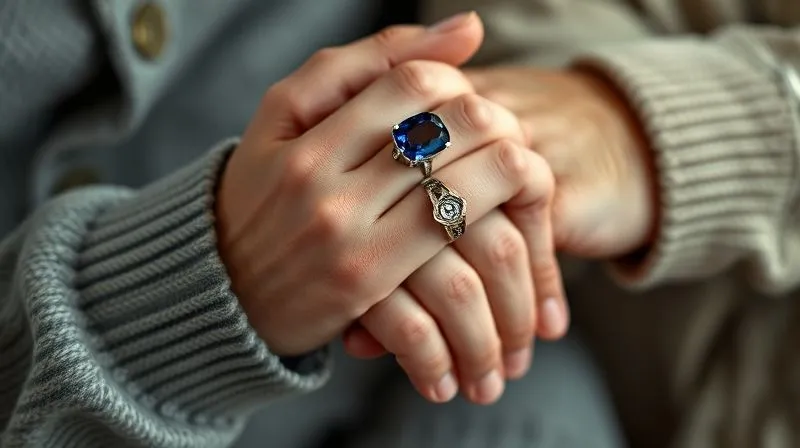
When people think of sapphires, they often picture the iconic deep blue. However, sapphires, which are a variety of the mineral corundum, come in virtually every color of the rainbow—pink, yellow, green, orange, purple, and even colorless. These are often referred to as 'fancy sapphires' and offer a stunning palette for custom designs. With a Mohs hardness of 9, second only to diamond, sapphires are exceptionally scratch-resistant. Their excellent toughness means they are also highly resistant to chipping and breaking, making them a superb choice for an active lifestyle.
- Benefits: Wide color range, excellent hardness (Mohs 9), superb toughness, good stability, available in various sizes and cuts.
- Considerations: Some heat treatments are common and accepted, but always ask for disclosure. Ensure the stone is natural and not a synthetic or treated imitation.
For more in-depth information on sapphire varieties and treatments, I highly recommend consulting resources from the Gemological Institute of America (GIA), a leading authority in gemology.
2. Rubies: The Regal Red Corundum
Rubies are, in essence, red sapphires, also belonging to the corundum family. Their rich, fiery red color makes them a timeless and bold choice for an engagement ring. Sharing the same impressive Mohs hardness of 9 and excellent toughness as sapphires, rubies are incredibly durable. They symbolize love and passion, offering a vibrant alternative to traditional choices.
- Benefits: Iconic red color, exceptional hardness (Mohs 9), excellent toughness, high stability, rich symbolic meaning.
- Considerations: High-quality, unheated rubies are rare and command premium prices. Many rubies are heat-treated to enhance color, which is generally stable but should be disclosed.
When selecting a ruby, focus on its color saturation and clarity. A well-cut ruby with a vivid red hue can be breathtaking and will stand up to daily wear with grace.
3. Spinel: The Underrated Chameleon
Spinel is a gemstone that, in my professional opinion, deserves far more recognition. Historically, many famous "rubies" in royal collections were later identified as spinels, a testament to their striking beauty and similar appearance. With a Mohs hardness of 8 and excellent toughness, spinel is an incredibly durable gemstone that is perfectly suited for an engagement ring. It comes in a magnificent array of colors, including vibrant reds, intense pinks, electric blues, purples, and even black.
"Spinel's historical confusion with ruby and sapphire highlights its exceptional beauty and durability. It's a genuine treasure, often overlooked, but a perfect choice for those seeking something truly unique and resilient."
Unlike many other gemstones, spinel is rarely treated, meaning its stunning colors are entirely natural. This makes it a fantastic choice for those prioritizing natural, untreated beauty and robust wearability.
4. Alexandrite: The Mystical Color-Changer
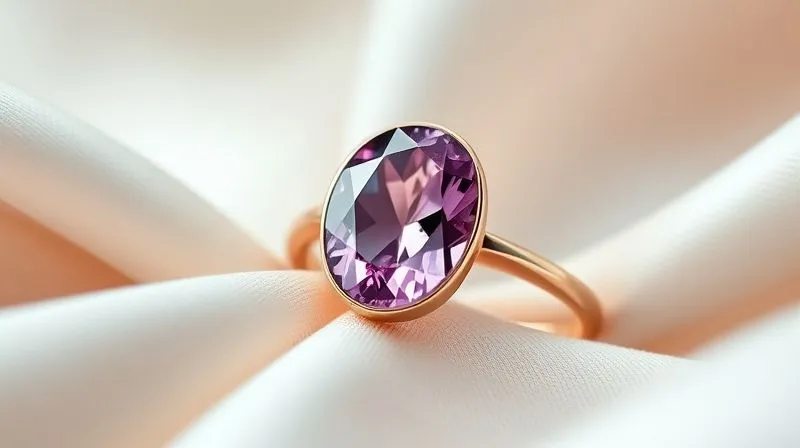
Alexandrite is one of the most fascinating exotic gemstones, renowned for its remarkable color-change phenomenon. In daylight or fluorescent light, it appears green or bluish-green; under incandescent light, it transforms into a reddish-purple or purplish-red. This magical property makes it incredibly captivating. Alexandrite boasts a Mohs hardness of 8.5 and good toughness, making it a very durable choice for an engagement ring, albeit a rare and often expensive one.
- Benefits: Unique and dramatic color change, good hardness (Mohs 8.5), good toughness, high stability.
- Considerations: Natural alexandrite is extremely rare, especially in larger sizes, leading to high prices. Lab-created alexandrite offers the same color change and durability at a more accessible price point.
For those seeking a truly distinctive and conversation-starting gemstone that also holds up to daily wear, alexandrite is an exceptional, albeit premium, option. Its chameleon-like qualities ensure endless admiration.
5. Garnet (Pyrope-Spessartite & Rhodolite): Surprising Strength
The garnet family is incredibly diverse, encompassing a wide range of colors and compositions. While some garnets, like almandine, can be a bit softer (Mohs 6.5-7.5), specific varieties offer excellent durability suitable for an engagement ring. I particularly recommend Pyrope-Spessartite garnets (often called Malaya garnets) and Rhodolite garnets. These varieties typically range from Mohs 7 to 7.5, coupled with good to very good toughness, making them surprisingly resilient.
Pyrope-Spessartite garnets offer breathtaking fiery oranges, reds, and pinks, while Rhodolite garnets present beautiful purplish-red to raspberry hues. They are generally stable to light and heat and are rarely treated, offering natural beauty and robust wearability.
| Garnet Type | Mohs Hardness | Toughness | Typical Colors | Everyday Wear Suitability |
|---|---|---|---|---|
| Rhodolite Garnet | 7-7.5 | Good | Purplish-Red, Raspberry | Excellent |
| Pyrope-Spessartite Garnet (Malaya) | 7-7.5 | Good to Very Good | Orange, Red, Pink, Peach | Excellent |
| Almandine Garnet | 6.5-7.5 | Fair to Good | Red, Brownish-Red | Good with protective setting |
| Demantoid Garnet | 6.5-7 | Fair | Green | Moderate, requires careful wear |
While not as hard as sapphire or ruby, the specified garnet varieties offer a wonderful balance of exotic color and sufficient durability for everyday wear, especially when set in a protective design.
6. Moissanite: Lab-Created Brilliance with Unrivaled Durability
While technically not a natural "exotic gemstone" in the traditional sense, moissanite is a lab-created gemstone that has earned its place on this list due to its exceptional durability and increasing popularity as a diamond alternative. Originally discovered in a meteorite, natural moissanite is exceedingly rare. However, lab-grown moissanite offers incredible brilliance and fire, often exceeding that of a diamond.
- Benefits: Outstanding hardness (Mohs 9.25), excellent toughness, superior brilliance and fire, ethically sourced (lab-created), more affordable than diamonds or many natural exotic stones.
- Considerations: It is not a natural gemstone, which might be a factor for some. Its high dispersion can sometimes result in a 'disco ball' effect, which some prefer and others do not.
For those seeking a highly durable, brilliant, and ethical choice without the premium price tag of natural gemstones, moissanite is an undeniable frontrunner. It will effortlessly withstand the rigors of daily wear. You can learn more about its properties from reputable gemological sources like AGTA.
7. Topaz (Imperial & Swiss Blue): Beauty with a Cautionary Tale
Topaz, particularly in its rich Imperial (golden orange to pink-orange) and vibrant Swiss Blue forms, offers stunning beauty. It has a Mohs hardness of 8, which sounds promising. However, topaz possesses perfect basal cleavage, meaning it has a tendency to split along certain planes when subjected to a sharp blow. This makes its toughness lower than its hardness might suggest, requiring extra consideration for an engagement ring.
- Benefits: Wide range of beautiful colors, relatively affordable, good hardness for scratch resistance.
- Considerations: Perfect basal cleavage makes it susceptible to chipping or fracturing on impact. Requires a highly protective setting (e.g., bezel setting) and careful wear.
While beautiful, I advise clients that topaz, despite its Mohs 8 rating, needs a more protective setting and a wearer who understands its limitations. It's a gorgeous stone, but one that demands a bit more vigilance than the others on this list for everyday wear. Think of it as a stunning option for someone with a less active lifestyle or who is committed to removing their ring during strenuous activities.
Factors Beyond the Stone: Setting, Lifestyle, and Care
The gemstone itself is only one part of the equation when it comes to the safety and longevity of an everyday engagement ring. The way the stone is set, the wearer's daily activities, and consistent care all play equally crucial roles.
Choosing the Right Setting: Protection is Paramount
Even the most durable gemstone can be vulnerable if not properly secured and protected. The setting acts as the gemstone's armor, and selecting the right one is a critical design decision.
- Bezel Setting: This is, without a doubt, the most secure setting. A metal rim completely surrounds the gemstone, protecting its girdle (the widest part of the stone) from impacts. Ideal for softer stones or highly active individuals.
- Halo Setting: While not directly protecting the girdle, a halo of smaller diamonds or gemstones creates a protective barrier around the center stone, absorbing some impacts and making the center stone appear larger.
- Flush Setting (Gypsy Setting): The gemstone is set directly into the metal, with the metal brought up and around its girdle, leaving the top of the stone flush with the ring's surface. Extremely secure and low-profile.
- Prong Setting (e.g., Six-Prong): While popular for maximizing light entry, a four-prong setting offers less protection. A six-prong setting provides better security, but the gemstone's girdle and culet (bottom tip) remain exposed to potential impacts.
"A wise jeweler once told me, 'The strongest gemstone is only as strong as its weakest link – and often, that link is a poorly chosen setting.' Always prioritize protection for everyday wear."
For exotic gemstones, especially those with any degree of cleavage or lower toughness, a bezel or flush setting is often my strongest recommendation.
Your Lifestyle Matters: Active vs. Sedentary
I always have an honest conversation with my clients about their daily routines and hobbies. An engagement ring is meant to be worn, but some activities are inherently riskier for fine jewelry:
- Highly Active: If you're involved in sports, heavy lifting, gardening, or frequent hands-on work, even the most durable gemstone is at risk. Consider a super-durable stone (Mohs 9+) in a protective setting, or better yet, remove your ring during these activities.
- Moderately Active: For those with a mix of desk work and occasional activities, the gemstones on my 'Top 7' list are excellent choices, especially with a thoughtful setting.
- Sedentary: If your daily life involves minimal physical impact on your hands, you might have a bit more flexibility with stones that are slightly less tough, provided they are still hard enough to resist scratches.
This isn't about limiting your life, but about making an informed choice that aligns with it, ensuring your ring remains beautiful for years to come.
Routine Care and Maintenance: Preserving Your Investment
Even the most durable gemstone requires regular care to maintain its brilliance and integrity. Neglect can lead to a dull appearance or even structural damage over time.
- Daily Cleaning: Gently clean your ring with warm water, mild soap (like dish soap), and a soft brush (a soft toothbrush works well). Rinse thoroughly and dry with a lint-free cloth.
- Avoid Harsh Chemicals: Remove your ring before using household cleaning products, swimming in chlorinated pools, or applying lotions and perfumes, as these can dull the metal and some gemstones.
- Professional Check-ups: I recommend having your ring professionally inspected by a jeweler at least once a year. They can check for loose prongs, clean hard-to-reach areas, and address any potential issues before they become major problems.
- Proper Storage: When not wearing your ring, store it in a soft pouch or a separate compartment in a jewelry box to prevent it from scratching other pieces or being scratched itself.
Consistent care is a small effort that yields significant rewards, preserving both the aesthetic appeal and structural integrity of your precious engagement ring. For a comprehensive guide on jewelry care, resources like AGTA's Gemstone Care and Cleaning are invaluable.
Case Study: Sarah's Spinel Success Story
How a Thoughtful Gemstone Choice Led to Lasting Joy
I recall a client, Sarah, who came to me with a dilemma. She loved the idea of an emerald engagement ring for its unique green hue but was concerned about its notorious fragility for her active lifestyle as a ceramic artist. She wanted something exotic, colorful, but unequivocally durable for daily wear in her studio and beyond. After discussing her needs and educating her on gemstone properties, we explored alternatives.
Sarah was captivated by a stunning, untreated purplish-pink spinel. Its Mohs hardness of 8 and excellent toughness immediately put her mind at ease compared to emerald's Mohs 7.5 and fair toughness with significant cleavage. We designed a custom platinum bezel setting, completely encasing the spinel's girdle, providing maximum protection against accidental knocks and scrapes that are inevitable in a pottery studio.
Fast forward five years, and Sarah's spinel engagement ring is as vibrant and pristine as the day she received it. She wears it daily, only removing it for particularly messy work or when handling harsh chemicals. The thoughtful combination of a durable gemstone and a protective setting, coupled with her diligent care, meant she didn't have to compromise on her desire for an exotic, colorful ring that perfectly fit her life. This resulted in not just a beautiful piece of jewelry, but lasting peace of mind and joy.
Ethical Sourcing and Sustainability: A Modern Imperative
As an industry specialist, I believe it's imperative to address the provenance of our precious materials. The beauty of an exotic gemstone is amplified when you know it has been sourced responsibly, contributing positively to the communities and environments from which it originates. Ethical sourcing has become a cornerstone of modern jewelry design, reflecting a growing consumer awareness and demand for transparency.
Navigating Responsible Gemstone Choices
When choosing an exotic gemstone, inquire about its origin and the supplier's commitment to ethical practices. Look for certifications or assurances regarding fair labor, environmental protection, and conflict-free sourcing. While a perfect, fully traceable supply chain can be challenging in the complex world of colored gemstones, choosing reputable jewelers and suppliers who prioritize transparency is key.
- Fair Trade Practices: Support miners and cutters who receive fair wages and work in safe conditions.
- Environmental Stewardship: Opt for stones from mines that adhere to responsible environmental practices, minimizing ecological impact.
- Conflict-Free Assurance: Ensure stones are not linked to funding conflict or human rights abuses.
Lab-created alternatives like moissanite offer a completely transparent and often more sustainable option, as they bypass mining altogether. For natural stones, organizations like the Responsible Jewellery Council (RJC) provide frameworks and certifications for ethical practices across the supply chain.
Frequently Asked Questions (FAQ)
Q: What Mohs hardness is considered 'safe' for everyday wear? A: As a general rule of thumb, I recommend a gemstone with a Mohs hardness of 7 or higher for everyday engagement rings. This provides good resistance against scratches from common household dust (which contains quartz, Mohs 7) and accidental brushes against everyday surfaces. However, remember that hardness is only one aspect; toughness and setting also play crucial roles.
Q: Are all sapphires equally durable? A: Yes, all natural sapphires (and rubies) are varieties of corundum and share the same excellent Mohs hardness of 9 and superb toughness. This applies to blue, pink, yellow, green, and other fancy sapphires. Their exceptional durability is one of the main reasons I consistently recommend them for engagement rings. The primary differences lie in their color, rarity, and price, not their fundamental durability.
Q: Can I really wear an opal or emerald daily? A: While beautiful, opals (Mohs 5.5-6.5) and emeralds (Mohs 7.5-8, but with fair toughness and common internal fractures) are generally not recommended for everyday wear in an engagement ring due to their lower durability. Opals are very soft and susceptible to scratches and dehydration, while emeralds are prone to chipping. If you absolutely adore these stones, I would strongly advise a highly protective setting (like a full bezel) and a commitment to removing the ring during any activity that could cause impact or exposure to chemicals. They are better suited for occasional wear or pendant/earring designs.
Q: How does ring design impact gemstone safety? A: Ring design is paramount. A well-designed ring can significantly enhance a gemstone's safety. Settings that offer more protection, such as full bezels, semi-bezels, or flush settings, are ideal for everyday wear, especially for stones with lower toughness or cleavage. High-profile prong settings, while showcasing the stone, leave it more exposed to accidental knocks and impacts. Additionally, the thickness of the metal and the overall structural integrity of the ring contribute to its longevity.
Q: What's the difference between a natural and lab-created durable gemstone? A: The primary difference is their origin. Natural gemstones are formed by geological processes within the Earth over millions of years. Lab-created gemstones (like lab-grown sapphires or moissanite) are grown in controlled laboratory environments, replicating the natural processes. From a chemical and physical perspective, a lab-created sapphire is identical to a natural one (same Mohs hardness, toughness, etc.). The main advantages of lab-created stones are often lower cost, guaranteed ethical sourcing, and flawless clarity. Both can offer excellent durability for everyday wear, depending on the specific stone.
Key Takeaways and Final Thoughts
Choosing an exotic gemstone for your custom engagement ring is a deeply personal and exciting journey. My hope is that this guide has empowered you with the knowledge to navigate this decision with confidence, ensuring your unique symbol of love is not only breathtakingly beautiful but also robust enough to withstand the journey of a lifetime.
- Durability is Multifaceted: Don't just consider Mohs hardness; toughness, stability, and setting are equally vital.
- Top Picks Endure: Sapphires, Rubies, Spinel, Alexandrite, specific Garnets, and Moissanite offer exceptional durability and unique beauty.
- Setting is Your Armor: Prioritize protective settings like bezels for maximum longevity.
- Lifestyle & Care Matter: Align your stone choice and care routine with your daily activities.
- Ethical Sourcing: Seek transparency and responsible practices in your gemstone's journey.
Remember, your engagement ring is more than just a piece of jewelry; it's a testament to your enduring love. By making an informed choice about which exotic gemstones are safest for everyday custom engagement rings, you are investing in a legacy of beauty, resilience, and joy that will sparkle for generations. Consult with a trusted, experienced jeweler who shares your vision and prioritizes both beauty and longevity. Your perfect, durable, and unique ring awaits.
Recommended Reading
- 7 Expert Ways to Elevate Professional Everyday Style (No New Clothes!)
- Unlock the Secret: How to Identify Ethically Sourced Gemstone Jewelry
- 7 Ways to Stand Out: Differentiate Your Streetwear Hoodies Online
- 7 Proven Strategies: Attracting Luxury Buyers for Bespoke Footwear?
- Overcoming 5 Key Hurdles in Scaling Certified PCR Nylon Sourcing


Your email address will not be published. Required fields are marked *