

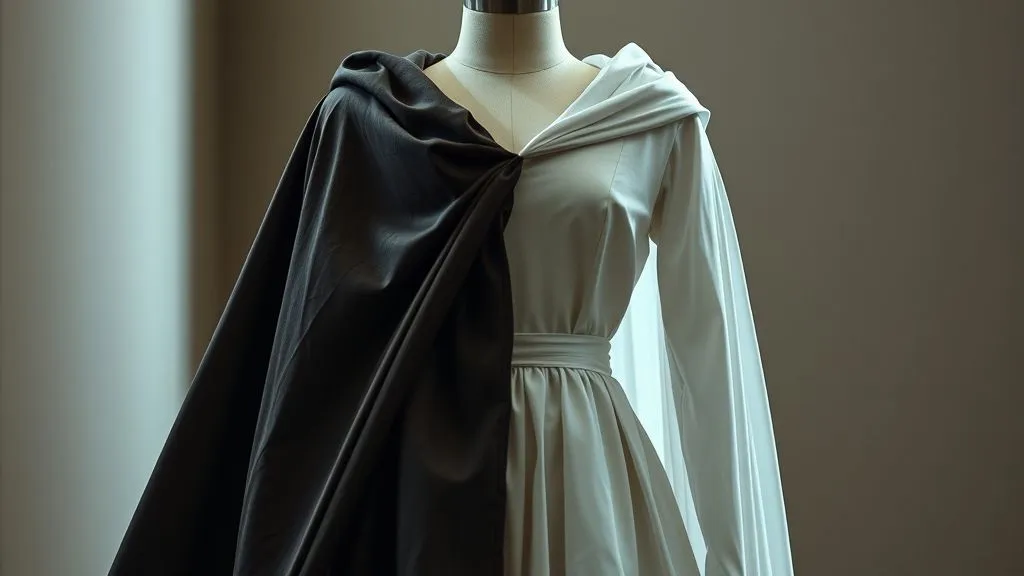
How to visually represent complex psychological character shifts?
For over two decades in the demanding world of costume design, I’ve witnessed countless productions grapple with a fundamental challenge: how to make a character’s internal world, their fears, triumphs, and profound transformations, truly resonate with an audience. It’s not enough for an actor to portray a change; the visual narrative must support, deepen, and often even precede that revelation. The subtle art of costume design, when wielded effectively, becomes a powerful, non-verbal language that speaks volumes about who a character is, and more importantly, who they are becoming.
The pain point for many designers, directors, and even writers, is the disconnect between a richly developed character arc on paper and its often static, one-dimensional visual representation on screen or stage. Audiences are sophisticated; they crave authenticity and depth. When a character undergoes a profound psychological shift – from innocence to cynicism, vulnerability to strength, or despair to hope – and their outward appearance remains largely unchanged, it creates a jarring dissonance that can undermine the entire storytelling effort. This isn't just about aesthetics; it’s about the very core of character development.
In this definitive guide, I will share the invaluable frameworks, design principles, and expert insights I’ve honed over years of bringing complex characters to life. We’ll delve into actionable strategies, real-world analogies, and practical techniques that will empower you to transform abstract psychological shifts into tangible, compelling visual narratives. By the end, you’ll possess a robust toolkit on how to visually represent complex psychological character shifts with authenticity and impact, ensuring your characters’ journeys are felt as deeply as they are seen.
The Psychology of Fabric and Form: Beyond Surface Aesthetics
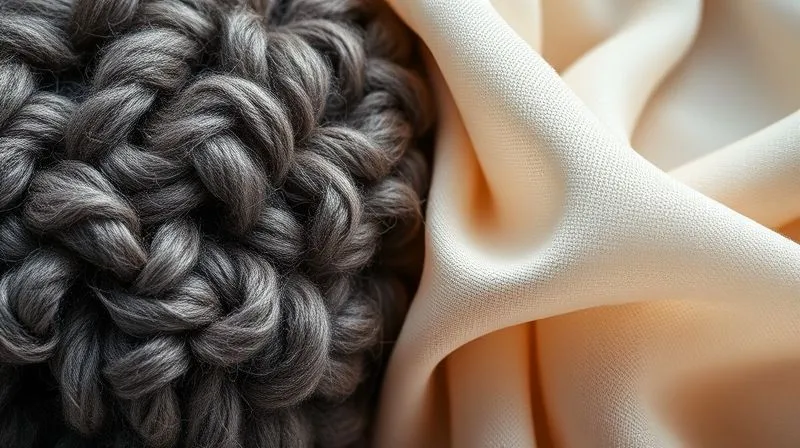
When I approach a new character, one of the very first questions I ask myself isn't "What color should their dress be?" but rather, "What does this character feel like?" This leads directly to fabric. Fabric isn't merely a material; it's a profound psychological signifier. Consider a character's journey from a rigid, controlled existence to one of liberation. Their initial costumes might feature stiff, unforgiving materials like heavy brocade, starched linen, or even leather that restricts movement. These fabrics inherently communicate constraint, formality, and perhaps a self-imposed emotional armor.
As their psychological landscape shifts, so too should their fabric choices. Imagine a character shedding the weight of expectation. Their costumes might transition to softer, more fluid materials: silk that drapes and moves with ease, breathable cottons, or even sheer chiffons that suggest vulnerability and newfound openness. The texture itself tells a story: rough, homespun wool for a character grounded in hardship, or shimmering satin for someone embracing a new, opulent identity. The way light catches—or doesn't catch—a fabric can evoke a mood, from the dull, absorbing quality of felt to the reflective sheen of velvet.
"A costume's fabric is its first whisper to the audience. It's the tactile manifestation of a character's inner state, conveying comfort or discomfort, vulnerability or resilience, long before a word is spoken."
I've seen this mistake countless times: a designer focusing solely on the silhouette or color without considering the intrinsic properties of the fabric. A character meant to be emotionally fragile, dressed in a stiff, structured gabardine, sends mixed signals. Conversely, a character gaining power and confidence might initially wear something soft, only to gradually incorporate more substantial, perhaps even heavier, textiles that command space and presence. The very fibers of a garment can act as a barometer for a character’s internal weather, offering a subtle yet powerful visual cue to their evolving psyche.
Color Theory as a Narrative Tool for Emotional Arcs
Color is arguably the most immediate and visceral tool in a costume designer’s arsenal for depicting psychological shifts. It operates on a subconscious level, evoking emotions and associations that can profoundly deepen an audience’s understanding of a character’s internal journey. I often think of a character’s color palette as a living, breathing entity, evolving in tandem with their emotional arc. A character starting in a muted, desaturated palette – perhaps grays, dull blues, and faded browns – might be signaling a state of depression, isolation, or a desire to blend into the background. These colors visually suppress their presence.
As that character experiences growth, finds purpose, or emerges from a period of struggle, their costume palette can gradually shift. This doesn't necessarily mean a sudden burst of primary colors, but a nuanced progression. A shift from a cool, subdued blue to a richer, warmer indigo, or the introduction of a subtle highlight color like a deep emerald green, can signify burgeoning hope or a newfound sense of self. Conversely, a character descending into madness or villainy might see their palette grow darker, more saturated, or introduce dissonant color combinations that create unease. The key is intentionality and a clear understanding of psychological color associations.
Consider the transformative journey:
- From Innocence to Experience: Soft pastels or whites transitioning to richer, deeper jewel tones or earthy, grounded hues.
- From Vulnerability to Strength: Pale, washed-out tones gaining saturation and intensity, perhaps moving into strong primary or secondary colors.
- From Confinement to Freedom: Restrictive, dark colors giving way to lighter, more open palettes, or even a deliberate embrace of vibrant, expressive colors.
- From Hope to Despair: Bright, optimistic colors slowly desaturating, becoming muddied, or shifting to somber grays and blacks.
| Character Arc Stage | Dominant Colors | Psychological Impact |
|---|---|---|
| Initial Suppression | Desaturated Greys, Muted Blues, Earthy Browns | Isolation, Depression, Blending In |
| Internal Conflict/Awakening | Deep Greens, Rich Purples, Touches of Warm Ocher | Growing Self-awareness, Subtle Hope, Inner Turmoil |
| Empowerment/Resolution | Vibrant Reds, Strong Golds, Deep Royal Blues | Confidence, Authority, Self-actualization |
| Descent/Tragedy | Deep Blacks, Blood Reds, Cold Silvers, Dissonant Combinations | Villainy, Madness, Irreversible Loss |
Silhouette and Structure: Mirroring Internal State
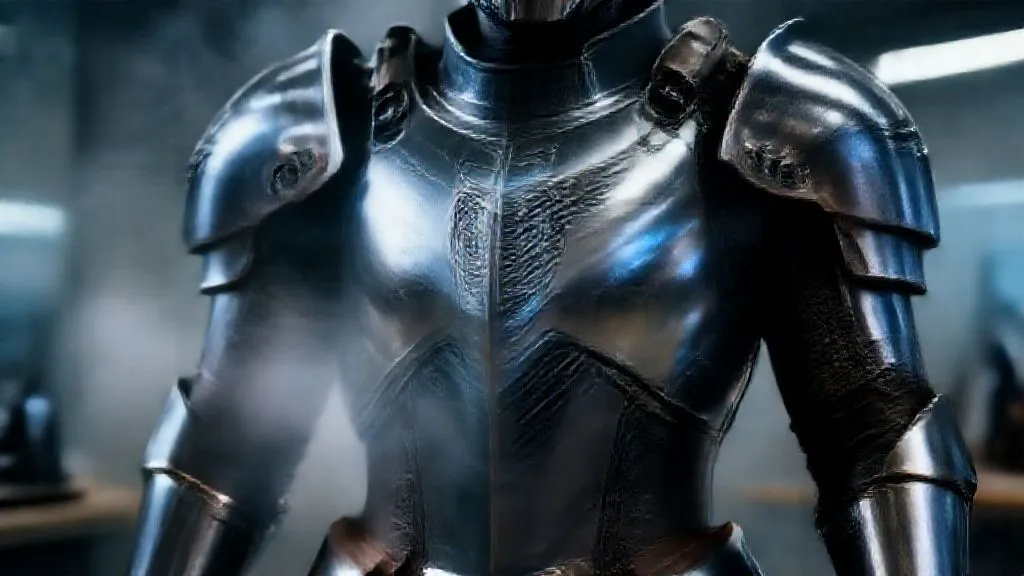
The silhouette of a costume is its most striking architectural feature, and it possesses an unparalleled ability to communicate a character’s psychological state and evolution. I often instruct my team to think of the silhouette as a direct extension of the character’s internal posture. A character who feels confined, oppressed, or burdened might initially wear costumes with a rigid, boxy, or heavily structured silhouette. Think of corsets, stiff military uniforms, or voluminous, restrictive gowns that physically limit movement and metaphorically trap the wearer. These shapes inherently convey a lack of freedom and often a desire for protection or concealment.
As a character undergoes a psychological shift towards liberation, confidence, or vulnerability, their silhouette should mirror this transformation. A rigid, angular form might soften into a more fluid, draped silhouette, suggesting a shedding of inhibitions or a newfound ease in their own skin. A character gaining power could transition from a meek, narrow silhouette to one that is broader, more expansive, and commands more physical space. Conversely, a character experiencing a loss of identity or a descent into madness might see their silhouette become increasingly deconstructed, disjointed, or even exaggerated and grotesque, reflecting their unraveling psyche.
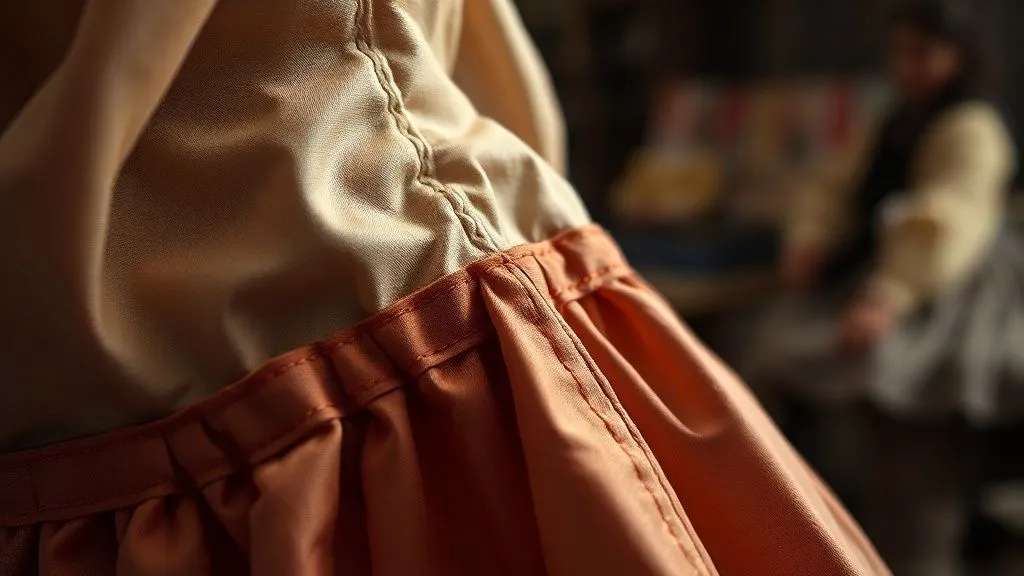
The structure of the garment also plays a crucial role. Highly structured garments with visible seams, boning, or sharp lines often suggest control, order, or a constructed persona. Deconstructed garments, with raw edges, asymmetry, or an intentionally unfinished look, can signify chaos, rebellion, or a raw, unfiltered emotional state. I’ve found that the contrast between these structural choices can be incredibly potent. For instance, a character shedding the "armor" of their past might literally wear costumes that appear to be falling apart, before gradually adopting garments with a new, empowering structure. This visual progression is a powerful way to visually represent complex psychological character shifts without relying solely on dialogue.
The Subtlety of Detail: Emblems of Change
While grand gestures like color shifts and silhouette transformations are impactful, it’s often the minutiae – the subtle, almost imperceptible details – that carry the deepest psychological weight. These are the visual Easter eggs that reward attentive audiences and provide crucial insights into a character's evolving internal world. I’m talking about a specific button that changes from ornate to utilitarian, a piece of embroidery that appears or unravels, a significant piece of jewelry that is acquired or lost, or even the deliberate addition of a ‘scar’ or ‘repair’ to a garment. These details act as silent witnesses to a character’s journey, often symbolizing a key turning point or an enduring memory.
Think of a character who starts with pristine, polished accessories, only for them to become tarnished, broken, or replaced by something entirely different as they endure hardship. Or a character who initially wears a uniform devoid of personal touches, but gradually incorporates a small, meaningful charm or a piece of handcrafted jewelry, signifying their emerging individuality. The power lies in their deliberate placement and transformation. These aren't random adornments; they are carefully chosen symbols that punctuate a character’s emotional and psychological landscape. As the renowned costume designer Edith Head once stated, "What a costume designer does is a cross between magic and camouflage. We create the illusion of character." And often, that illusion is built on the smallest, most potent details.
Here are actionable steps for designing transformative details:
- Identify Key Psychological Turning Points: Pinpoint the exact moments in the narrative where a character undergoes a significant internal shift. What emotions are paramount? What new beliefs or traumas emerge?
- Brainstorm Symbolic Motifs: For each turning point, consider tangible symbols that resonate with the character's journey. Is it a broken mirror, a blooming flower, a caged bird, or a specific animal?
- Determine the Visual Progression/Degradation: Decide how this motif will appear, transform, or disappear. Will it be subtle (e.g., a change in stitching) or overt (e.g., a new tattoo or emblem)? Will it degrade, signifying loss, or evolve, signifying growth?
- Integrate Seamlessly into Costume: Ensure the detail feels organic to the costume and the character. It shouldn't feel tacked on but rather an integral part of their visual identity. Consider placement – is it hidden, then revealed? Is it worn close to the heart?
These details are particularly effective in showing how to visually represent complex psychological character shifts when the narrative calls for a slow burn, where changes are gradual rather than sudden. For inspiration on the historical symbolism and evolution of costume details, the Victoria and Albert Museum offers an invaluable archive of textiles and fashion history.
Case Study: Elara's Ascent from Seclusion
Let me illustrate these principles with a fictional example. Elara, a character in a historical drama, begins her journey as a reclusive scholar, burdened by past trauma and societal expectations. Her initial costumes are heavy, dark wools and linens in muted grays and deep, desaturated blues. Her silhouette is narrow, almost shrinking, with high necklines and long sleeves that conceal her form entirely. Her only detail is a small, tarnished silver locket, always hidden beneath her collar, symbolizing a lost love and her clinging to the past.
As the narrative progresses, Elara is forced into a leadership role, confronting her fears and finding her voice. Her first subtle shift occurs with the introduction of a slightly softer, albeit still conservative, linen. The blue in her palette gains a hint of teal, suggesting a nascent spark of hope. The locket, still present, is now occasionally visible, peeking out from her collar, a sign of her slowly opening up. Her silhouette remains modest but gains a touch more drape, allowing for slightly freer movement.
By the climax, Elara has fully embraced her power and found healing. Her final costume is a rich, forest-green velvet with gold embroidery – a color signifying growth and royalty. The silhouette is strong and flowing, with a regal cape that commands space, reflecting her newfound authority and confidence. The locket is gone, replaced by a simple, polished gold brooch in the shape of a soaring bird, openly displayed. This transformation, from muted, hidden, and constrained to vibrant, open, and powerful, is entirely communicated through the deliberate evolution of fabric, color, silhouette, and symbolic details, providing a clear visual representation of her profound psychological shift.
Patina, Wear, and Repair: The Scars of Experience
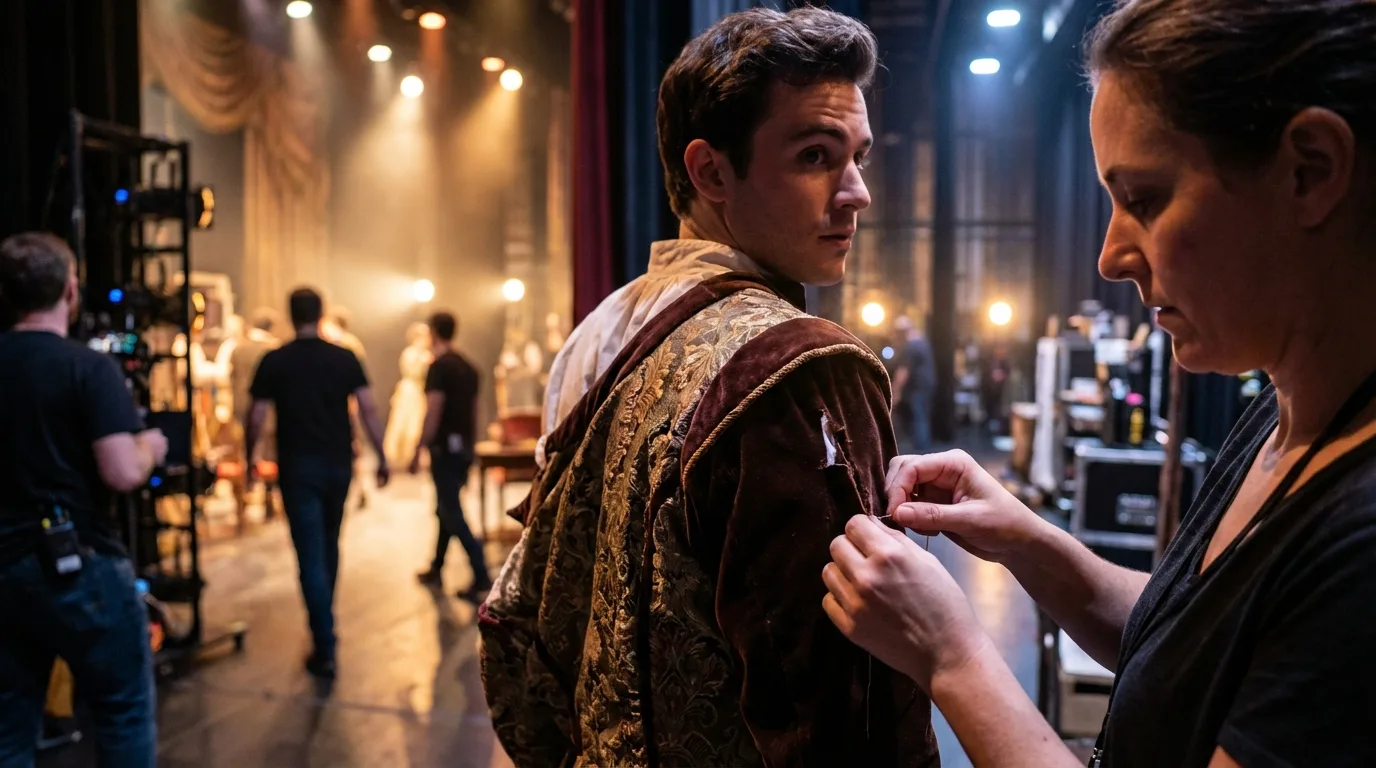
A costume isn't just a garment; it's a living document of a character's journey. The marks of time, the accumulated wear and tear, and the deliberate repairs or lack thereof, can be profoundly expressive of a character's psychological state and the trials they've endured. I often refer to this as the 'patina of experience.' Imagine a character who embarks on a arduous quest. Their initial pristine costume, perhaps a symbol of their naive optimism, will inevitably show signs of the journey: dust, tears, mud, and fading. These aren't just practical effects; they are visual metaphors for the hardships faced and the emotional toll exacted.
The deliberate choice to *not* repair a garment can speak volumes about a character's neglect of self, their despair, or their abandonment of societal norms. Conversely, a meticulously mended garment, perhaps with visible, lovingly stitched patches, can signify resilience, resourcefulness, or a profound connection to their past. I've designed costumes where a character's journey from poverty to affluence is marked not by discarding old clothes, but by the careful, almost reverent, patching and re-purposing of their original garments, showcasing their humility and respect for their origins, even amidst new wealth.
"The true story of a character is often etched not in the initial design, but in the evolving imperfections and intentional marks of their costume. Wear and repair are visual testaments to battles fought, lessons learned, and the enduring spirit."
The way a costume ages can also reflect internal decay or rebirth. A character succumbing to a dark influence might have their once vibrant attire slowly become stained, discolored, or even appear to rot, visually representing their moral degradation. On the other hand, a character finding redemption might have their worn, tattered clothes slowly replaced or cleaned, symbolizing a fresh start or a shedding of past burdens. This careful attention to the 'life' of a costume provides a rich, subtle layer for how to visually represent complex psychological character shifts, grounding the abstract in the tangible.
Layering and Undressing: Revealing the True Self
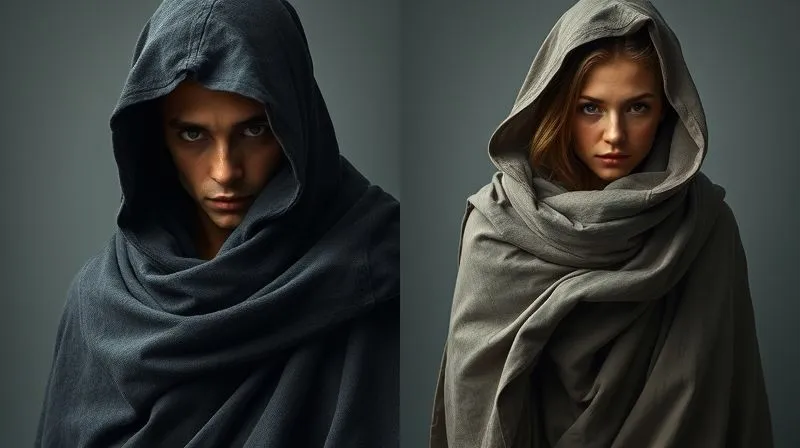
The act of layering and undressing a character, both literally and metaphorically, is an incredibly potent visual strategy for depicting psychological shifts. Clothes, after all, serve as a form of protection, concealment, and self-expression. A character who is emotionally guarded, vulnerable, or hiding a secret might begin their journey shrouded in multiple layers: heavy cloaks, high collars, thick scarves, or even restrictive undergarments. These physical layers become a direct visual manifestation of their psychological barriers, their fear of exposure, or their desire to remain unseen.
As the narrative unfolds and the character begins to open up, confront their past, or find acceptance, the shedding of these layers becomes a powerful visual metaphor for psychological revelation. Imagine a character literally stripping away a heavy cloak to reveal a more vulnerable, perhaps even brightly colored, garment underneath. This act isn't just about changing clothes; it's about shedding emotional armor, revealing their true self, or embracing a newfound freedom. It's a moment of profound vulnerability or courageous self-assertion that resonates deeply with the audience.
Conversely, a character who initially appears open and carefree might begin to accumulate layers as they face trauma, develop a new protective persona, or descend into a state of paranoia. These added layers could be literal additions of garments, or even the increasing bulk and complexity of their existing wardrobe, creating a sense of being weighed down or deliberately obscured. The strategic use of layering allows designers to illustrate the ebb and flow of a character’s emotional accessibility and their journey towards either self-acceptance or self-imprisonment. It’s a dynamic, active way to portray the internal struggle and growth, making it a critical technique for how to visually represent complex psychological character shifts with nuanced storytelling.
The Power of Transformation: Costume Design as Psychological Cartography
Ultimately, to master how to visually represent complex psychological character shifts, one must view costume design not merely as an aesthetic endeavor, but as a form of psychological cartography. Every choice – from the weave of the fabric to the curve of a silhouette, the saturation of a color, the placement of a detail, and the wear and tear of time – contributes to a comprehensive, evolving map of a character’s inner landscape. It's about weaving a visual narrative that parallels and amplifies the written script, offering audiences a deeper, more intuitive understanding of who these characters are and what they are experiencing.
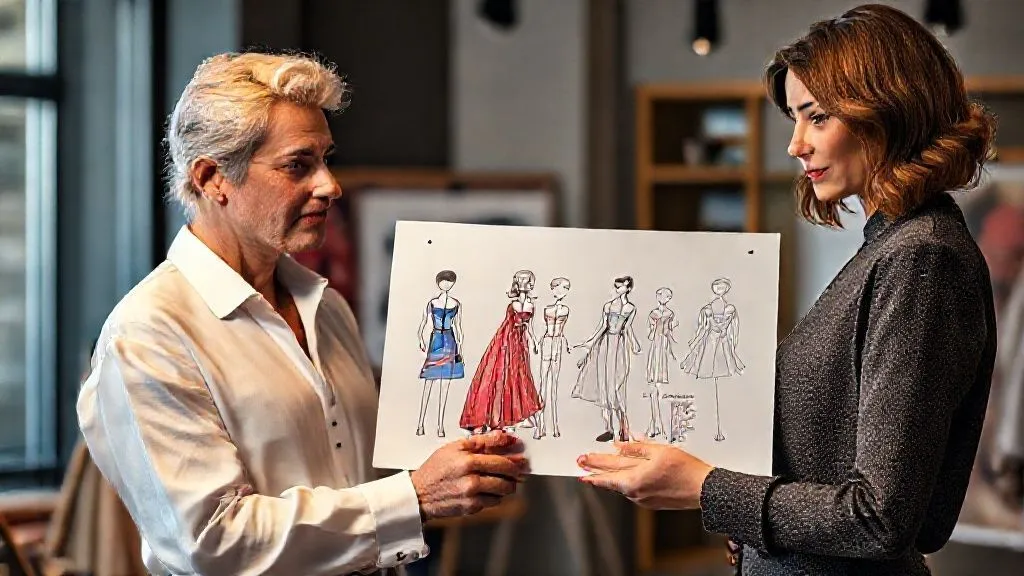
This process is rarely linear; it's an iterative dance between script analysis, character psychology, historical research, and creative intuition. I’ve always found that the most compelling visual transformations emerge from deep collaboration with directors and actors. Their insights into a character’s motivations and emotional beats are invaluable, allowing the costume designer to translate abstract psychological concepts into tangible, wearable art. As renowned marketing guru Seth Godin often says about storytelling, "People do not buy goods and services. They buy relations, stories and magic." In costume design, we sell the magic of character transformation through visual narrative.
By consciously manipulating the elements we’ve discussed – fabric, color, silhouette, details, and the effects of time – we create a powerful, non-verbal dialogue. This visual language can communicate a character's journey from vulnerability to strength, from fear to courage, from innocence to experience, or from despair to hope, often with greater impact than dialogue alone. It’s a testament to the power of visual storytelling, ensuring that every character’s psychological arc is not just understood, but deeply felt.
For more insights into the collaborative process between costume designers and other creatives, explore this article on The Hollywood Reporter.
| Character Arc Stage | Fabric/Texture | Color Palette | Silhouette | Key Details | Wear/Layers |
|---|---|---|---|---|---|
| Initial State (e.g., Naive/Suppressed) | Stiff, Coarse, Muted | Desaturated, Cool Tones | Restrictive, Small, Hidden | Concealed, Undistinguished | Pristine or Excessively Layered |
| Conflict/Turning Point (e.g., Trauma/Awakening) | Slightly Softer, More Varied | Introducing Accent Colors, Slight Saturation | Beginning to Shift, Less Rigid | Appearing, Altered, or Damaged | Showing Wear, Some Layers Shed |
| Resolution/New Self (e.g., Empowered/Integrated) | Flowing, Rich, Expressive | Vibrant, Warm, Harmonious | Open, Expansive, Confident | Prominent, Symbolic, New | Cleaned, Repaired, or Minimal Layers |
Frequently Asked Questions (FAQ)
How do I avoid cliché visual representations of character shifts? The key is nuance and specificity. Instead of a villain always wearing black, explore shades of deep jewel tones, or introduce an unexpected, unsettling texture. For a character's "rebirth," avoid simply switching to pure white; perhaps use an off-white with hints of their past palette, signifying integration rather than erasure. Focus on the internal logic of *that specific character's* journey, rather than relying on generic symbolism. Research historical and cultural meanings, but then twist them to serve your unique narrative.
What if the budget is very limited for multiple costume changes? Budget constraints are a common reality. In such cases, focus on subtle, impactful changes. This is where details, wear and tear, and layering become paramount. Can a single garment be altered? A collar added or removed? A sleeve rolled up or down? Can accessories be changed, or a key prop held differently? The aging of a costume through distressing can be incredibly cost-effective. Sometimes, the most powerful shifts come from minimal, yet highly symbolic, alterations rather than entirely new ensembles.
How much input should the actor have in the costume design for character shifts? I believe in a collaborative process. Actors inhabit the character, and their insights into physical comfort, movement, and how a garment makes them *feel* are invaluable. While the ultimate design vision rests with the designer and director, incorporating actor feedback can lead to more authentic and believable visual representations. A costume should feel like a second skin, not a distraction. Open communication ensures that the visual shifts support, rather than hinder, the actor's performance.
Can psychological shifts be represented in non-period pieces or contemporary settings? Absolutely. The principles of fabric, color, silhouette, and detail are universal. In contemporary settings, the shifts might be even more subtle – a change in brand preference, the fit of clothes, the style of haircut, or the presence (or absence) of makeup. A character's transition from corporate drone to free spirit might involve trading sharp suits for looser, more artisanal clothing. The visual language simply adapts to the modern context, but the underlying psychological intentions remain the same.
What's the biggest mistake new designers make when showing character shifts? The most common mistake is being too literal or too sudden. A character doesn't usually wake up a completely different person. Psychological shifts are often gradual, with moments of regression and progression. Therefore, the visual shifts should also be a journey, not a series of abrupt costume changes. Avoid clichés and ensure every change, no matter how small, is motivated by the character's internal arc, not just a desire for visual variety. Subtlety, progression, and consistency within the character's world are paramount.
Key Takeaways and Final Thoughts
Mastering how to visually represent complex psychological character shifts is an art form that transforms good storytelling into unforgettable experiences. It’s about understanding that every thread, every hue, and every line of a costume is a brushstroke in the psychological portrait of a character. As an experienced industry specialist, I've seen firsthand the profound impact that thoughtful, intentional costume design has on an audience’s connection to a narrative. It elevates the visual language of cinema and theatre, giving depth and authenticity to human experience.
Here are the critical, actionable insights to carry forward:
- Fabric Speaks Volumes: Choose materials that inherently communicate a character's inner state – from restrictive to liberating, coarse to luxurious.
- Color is Emotion: Employ evolving color palettes to subtly or overtly signal emotional arcs and psychological transformations.
- Silhouette Defines Presence: Manipulate garment shapes to reflect a character's internal posture, confidence, or vulnerability.
- Details are Deep: Use small, symbolic elements to punctuate key psychological turning points and reveal hidden aspects of a character.
- Patina Tells a Story: Allow wear, tear, and repair to show the scars of experience and the resilience of the human spirit.
- Layers Reveal: Strategically use layering and undressing as metaphors for emotional protection, revelation, and vulnerability.
- Collaborate for Authenticity: Engage deeply with directors and actors to ensure the visual narrative aligns perfectly with performance.
Remember, your role as a costume designer is not just to dress a character, but to help them breathe, evolve, and resonate. By embracing these principles, you'll move beyond mere aesthetics to become a vital architect of character, ensuring that their complex psychological shifts are not just seen, but truly felt, leaving an indelible mark on every audience. Keep pushing the boundaries of visual storytelling, for in every stitch lies the potential for profound narrative.
Recommended Reading
- 7 Essential Checks: Identify Truly Durable Classic Menswear for Retail
- Stylish Glasses for Sensitive Eyes: The Ultimate Guide to Comfort and Style
- Supplier Fails? 7 Steps for Haute Couture Fabric Crisis Management
- 7 Ways Cultural Shifts Are Redefining Fashion Eyewear Design
- Scaling Biodegradable Textiles: 7 Strategies to Cut Costs & Innovate

Your email address will not be published. Required fields are marked *