

How to Identify Greenwashing in Sustainable Fashion Brands?
In a world increasingly aware of its environmental footprint, the allure of 'eco-friendly' and 'sustainable' labels has never been stronger. We, as conscious consumers, strive to make choices that align with our values, hoping to contribute to a healthier planet and a more equitable society. But what happens when these virtuous claims are not as genuine as they appear?
The unfortunate reality is that the surging demand for sustainable products has opened a Pandora's box of deception: greenwashing. This insidious practice involves brands misleading consumers about their environmental or ethical practices, making it incredibly challenging for even the most well-intentioned shopper to discern true sustainability from mere marketing spin.
This comprehensive guide is designed to empower you. By the end of this reading, you will possess the critical tools and knowledge necessary to confidently navigate the complex landscape of sustainable fashion, unmasking greenwashing tactics and championing brands that are genuinely committed to a better future.
Understanding the Greenwashing Phenomenon
What is Greenwashing?
Greenwashing refers to the deceptive marketing practice where a company or organization spends more time and money on marketing themselves as environmentally friendly than on actually minimizing their environmental impact. It's a form of spin that misleads consumers into believing a company is doing more to protect the environment than it actually is. The term, coined by environmentalist Jay Westerveld in 1986, initially described hotels encouraging towel reuse to save costs, rather than genuinely promoting environmental conservation.
In essence, greenwashing is about capitalizing on the growing consumer desire for ethical products without undertaking the fundamental changes required to achieve true sustainability. It's a shortcut to positive public perception, often driven by profit motives and a desire to avoid the significant investment required for genuine sustainable transformation.
Why is it Prevalent in Fashion?
The fashion industry, with its notoriously complex global supply chains, rapid production cycles, and significant environmental impact, is particularly susceptible to greenwashing. From raw material sourcing to manufacturing, transportation, and disposal, every stage of a garment's lifecycle presents environmental and social challenges. This complexity provides ample opportunity for brands to obscure their true practices.
Furthermore, a lack of standardized regulations and clear legal definitions for 'sustainable' or 'eco-friendly' allows brands to use vague, undefined terms that sound good but mean little. The industry's fast-paced trend cycles also encourage overconsumption, which inherently conflicts with core principles of sustainability like durability and reduced waste. Consumers, eager to make better choices, are often left to decipher ambiguous claims in a market saturated with 'green' marketing.
Key Indicators of Authentic Sustainable Practices
Identifying legitimate sustainable fashion brands requires looking beyond the superficial. Genuine commitment manifests in specific, verifiable practices.
Transparency and Traceability
A truly sustainable brand has nothing to hide. They are open about their entire supply chain, from where their raw materials are sourced to where their garments are manufactured. This includes:
- Detailed Supply Chain Maps: Brands should be able to show you exactly where their fabrics come from, where they are dyed, cut, and sewn.
- Supplier Lists: Providing the names and locations of their factories and material suppliers is a strong sign of transparency.
- Impact Reports: Publishing annual sustainability reports with measurable data on their environmental and social impact, even acknowledging areas for improvement, builds trust.
Brands like Patagonia and Everlane, for example, have set benchmarks for supply chain transparency, allowing consumers to trace the origins of their products. This level of detail empowers you to make informed decisions.
Certifications and Standards
While not foolproof, third-party certifications offer an independent verification of a brand's claims. Look for globally recognized and reputable certifications:
- Global Organic Textile Standard (GOTS): Ensures organic status of textiles from harvesting of the raw materials through environmentally and socially responsible manufacturing.
- Fair Trade Certified: Guarantees fair wages, safe working conditions, and community development for farmers and factory workers.
- Oeko-Tex Standard 100: Certifies that a fabric has been tested for harmful substances.
- B Corp Certification: Assesses a company's entire social and environmental performance, transparency, and accountability.
These certifications indicate that a brand has undergone rigorous audits by independent bodies. Always verify the certification on the official certifier's website, as some brands might display outdated or fake labels. For instance, you can explore the GOTS website to understand their strict criteria.
Material Choices Beyond 'Eco-Friendly'
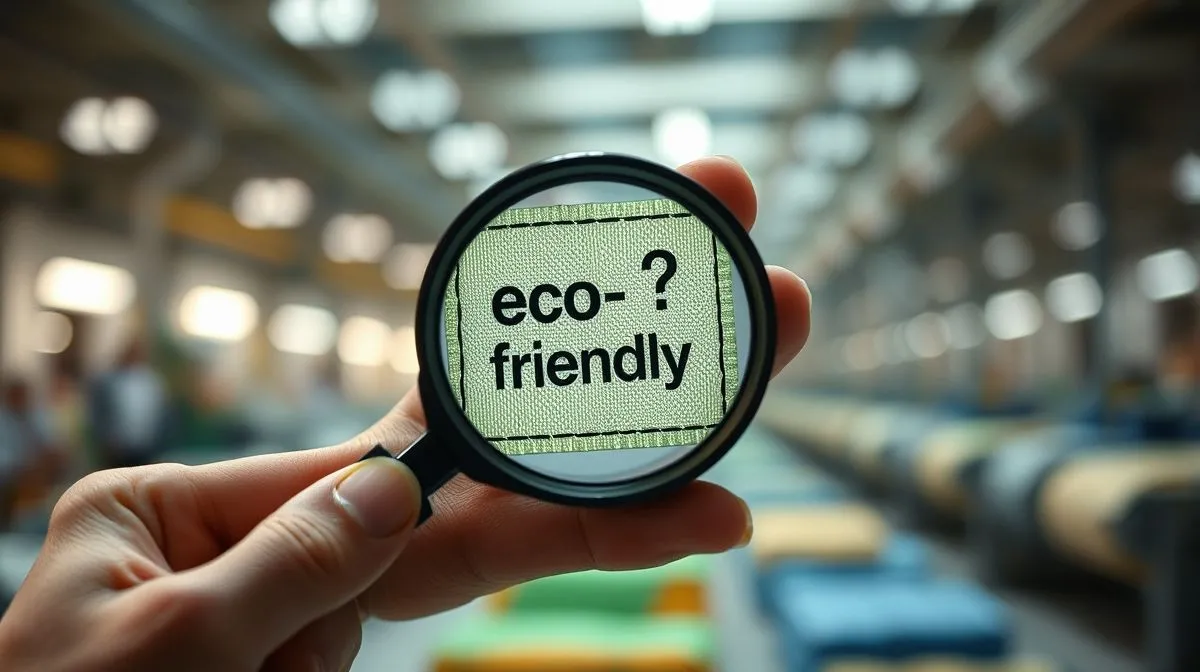
Vague terms like "eco-friendly" are often red flags. Genuine sustainable brands specify the exact materials they use and their benefits. Look for:
- Certified Organic Fibers: Such as GOTS-certified organic cotton, which avoids harmful pesticides and uses less water than conventional cotton.
- Recycled Materials: Like recycled polyester (rPET) or recycled cotton, which reduce waste and conserve resources.
- Innovative Sustainable Fibers: Tencel™ Lyocell, made from sustainably sourced wood pulp using a closed-loop system; Hemp, which requires little water and no pesticides; Piñatex (pineapple leaf fiber); or innovative bio-based materials.
- Durable and Long-Lasting Materials: Sustainability also means creating products that last, reducing the need for constant replacement.
Genuine brands will explain not just what materials they use, but also why they chose them and how they mitigate environmental impact throughout the material's lifecycle.
Common Greenwashing Tactics to Watch Out For
Understanding the common ploys used by brands can significantly enhance your ability to identify greenwashing in sustainable fashion brands.
Vague or Misleading Claims
This is perhaps the most common tactic. Brands use fuzzy, non-specific language that sounds environmentally conscious but lacks concrete evidence. Phrases like "sustainable," "eco-conscious," "green," "natural," or "good for the planet" without any supporting data are prime examples. They evoke a positive feeling but offer no verifiable information about the product's actual impact.
Irrelevant or Minor Claims (The "Green Sheen")
Some brands highlight a single, small environmentally friendly aspect of their product or operation while ignoring more significant negative impacts. For example, a fast fashion brand might boast about using 10% recycled polyester in a collection while simultaneously producing millions of garments at low prices, encouraging overconsumption, and employing exploitative labor practices. This creates a "green sheen" that distracts from their core unsustainable business model.
False Labels and Certifications
Beware of made-up labels or self-created certifications that look legitimate but have no independent verification. These can be cleverly designed to mimic real certifications. Always research any certification you encounter to ensure it is issued by a reputable, independent third-party organization with publicly available standards. A quick search on the internet can often reveal whether a certification is genuine or a marketing fabrication.
Hidden Trade-offs
This tactic involves highlighting one environmental benefit while obscuring a significant environmental harm. For instance, a brand might promote an item as "organic cotton" (a positive), but fail to mention that the dyeing process used is highly polluting or that the garment was produced in a factory with poor labor conditions. True sustainability considers the entire lifecycle and all relevant impacts, not just one isolated positive.
Lack of Data and Evidence
If a brand makes bold sustainability claims but doesn't back them up with quantifiable data, reports, or third-party audits, it's a major red flag. Vague statements like "we are committed to reducing our carbon footprint" are meaningless without specific targets, progress reports, and transparent methodologies. Genuine commitment involves measuring, reporting, and continuously improving.
Practical Steps to Unmask Greenwashing
As consumers, we have immense power. By applying a critical lens, we can push the fashion industry towards genuine sustainability.
Research Beyond the Marketing
Don't just read the product description or the ad. Dig deeper. Visit the brand's "About Us" or "Sustainability" section on their website. Look for detailed reports, specific goals, and evidence of their claims. Are they transparent about challenges and failures, or do they only present a perfect picture? A truly sustainable brand will often share their journey, including their struggles and ongoing efforts, rather than just their achievements.
Question Everything
Adopt a skeptical mindset. When a brand claims to be "sustainable," ask: How? What exactly makes it sustainable? Where is the proof? Don't hesitate to reach out to brands directly via email or social media with specific questions about their practices. A transparent brand will welcome the inquiry and provide clear answers; a greenwasher will likely offer vague responses or deflect.
Utilize Consumer Guides and Apps
Leverage the work of organizations dedicated to rating ethical and sustainable brands. Resources like Good On You provide comprehensive ratings based on a brand's impact on people, the planet, and animals. Similarly, organizations like Fashion Revolution offer valuable insights and tools, such as their Transparency Index, which pushes for greater openness in the fashion supply chain. These platforms aggregate data and expert analysis, making it easier for you to make informed choices.
Support Brands with Circular Models
Beyond material choices, look for brands that embrace circular economy principles. This includes:
- Take-back Programs: Where brands accept old garments for recycling or upcycling.
- Repair Services: Encouraging longevity of products.
- Resale Platforms: Facilitating the second-hand market for their own products.
- Design for Durability: Creating high-quality, timeless pieces that are meant to last.
These initiatives demonstrate a deeper commitment to sustainability, moving beyond just producing new items to considering the entire lifecycle of their products.
The Role of the Consumer in Driving Change
Your choices as a consumer have significant ripple effects. By learning how to identify greenwashing in sustainable fashion brands, you become a powerful force for genuine change.
Demand for Transparency
Every dollar you spend is a vote. By supporting brands that are genuinely transparent and ethical, you send a clear message to the industry: consumers demand accountability. This collective demand can compel more companies to adopt truly sustainable practices, knowing that vague claims will no longer suffice.
Educate Yourself and Others
Share your knowledge. Engage in conversations with friends and family about greenwashing and the importance of supporting authentic sustainable brands. The more informed consumers there are, the harder it becomes for companies to get away with misleading practices. Building a community of conscious consumers amplifies the impact.
Advocate for Stronger Regulations
Support organizations and policies that aim to combat greenwashing and establish clearer, legally binding definitions for environmental claims. Stronger regulations would create a more level playing field for genuinely sustainable brands and protect consumers from deception. For instance, the European Union is increasingly cracking down on misleading environmental claims, signaling a global shift towards greater accountability.
How to Identify Greenwashing in Sustainable Fashion Brands: A Summary of Best Practices
Key Takeaways for Smart Shopping
- Look for Specificity: Vague claims are red flags. Demand concrete data and verifiable information.
- Verify Certifications: Always check if third-party certifications are legitimate and relevant.
- Demand Transparency: Does the brand disclose its supply chain, factories, and material origins?
- Assess the Whole Picture: Consider the brand's entire business model, not just a single "green" collection.
- Question Motives: Is the brand's primary goal genuinely environmental, or is it merely marketing?
- Support Circularity: Prioritize brands with take-back programs, repair services, and durable designs.
- Educate and Advocate: Your informed choices and voice are crucial in driving industry-wide change.
Frequently Asked Questions (FAQ)
What is the biggest red flag for greenwashing? It's often vague, unsubstantiated claims without transparent data or third-party verification. If a brand uses terms like "eco-friendly" or "sustainable" without explaining how, it's a major warning sign.
Are all "sustainable" collections from fast fashion brands greenwashing? Not necessarily all, but many are. These collections often represent a tiny fraction of their overall production without addressing core issues like overproduction, rapid trend cycles, or poor labor practices throughout their vast supply chains. It's often a 'token' effort.
How can I verify a sustainability certification? Check if the certification body is independent and globally recognized. Visit their official website to understand their specific standards and look for a public list of certified brands. For example, the Global Organic Textile Standard (GOTS) has a database of certified suppliers and brands.
Does greenwashing only apply to environmental claims? While primarily focused on environmental claims, the concept of greenwashing can extend to social claims where companies mislead about fair labor, ethical sourcing, or community impact without genuine commitment or transparency. This is often referred to as "social washing" or "ethics washing."
Recommended Reading
- Best Leggings for Sweaty Workouts: Ultimate Comfort & Performance
- Ultimate Guide: How to Style Fashion Lookbook Outfits
- Clean Vintage Beaded Purses Safely: The Ultimate Care Guide
- Unlock the Secret: How to Style Oversized Sweaters Without Looking Frumpy?
- Stunning Nail Art Ideas for Short Nails at Home: Your Ultimate Guide!
Conclusion
The journey to truly sustainable fashion is complex, but understanding how to identify greenwashing in sustainable fashion brands is your most powerful tool. Greenwashing poses a significant challenge, diverting attention and resources from genuine efforts to create a more ethical and environmentally responsible industry. However, by embracing a discerning approach, prioritizing transparency, scrutinizing claims, and supporting brands that demonstrate verifiable commitment, you become a vital part of the solution.
Every conscious choice you make contributes to a ripple effect, encouraging more brands to adopt authentic sustainable practices and fostering a marketplace where true environmental and social responsibility is not just a marketing slogan, but a fundamental business principle. Empower yourself with knowledge, and let your purchasing power drive the change we wish to see in the fashion world.




Your email address will not be published. Required fields are marked *